When it comes to pregnancy complications, many people confuse placenta previa vs abruptio placenta. Do you know the difference between these two critical conditions? Both can lead to severe risks for the mother and baby, but their causes and management vary greatly. Understanding them is key to safer pregnancies.
Placenta previa happens when the placenta blocks the cervix, often causing painless bleeding. Abruptio placentae occurs when the placenta separates from the uterine wall too early, leading to painful bleeding and possible fetal distress. Both conditions require urgent medical attention, yet their symptoms and treatments differ significantly.
Experts like Dr. Cunningham, author of Williams Obstetrics, stress the importance of early detection for better outcomes. This article will guide you through symptoms, causes, and treatment differences with clarity. So, let’s dive into the details and uncover what sets placenta previa apart from abruptio placentae.
What Is Abruptio Placenta?
Placental abruption (also known as abruptio placentae) is a serious medical condition where the placenta partially or completely separates from the inner wall of the uterus before delivery.
The placenta is the baby’s life support system, delivering oxygen and essential nutrients from the mother’s bloodstream. When it detaches, it compromises this vital function, leading to severe bleeding and oxygen deprivation for the fetus.
Think of it as a tree being uprooted from the ground before the fruit is ready to be picked. The separation can be partial or total, and the bleeding can be revealed (visible vaginally) or concealed (trapped behind the placenta, hidden from view). This concealed hemorrhage is particularly dangerous as the severity of the situation can be underestimated.
Abruption is a medical emergency. It can lead to:
- For the baby: Premature birth, low birth weight, profound growth problems, stillbirth due to a lack of oxygen (fetal hypoxia).
- For the mother: Severe blood loss leading to shock, coagulation problems like disseminated intravascular coagulation (DIC), renal failure, and the need for a blood transfusion or emergency hysterectomy in catastrophic cases.
The exact cause is often unknown, but risk factors include maternal hypertension (especially preeclampsia), abdominal trauma (e.g., from a car accident or fall), advanced maternal age, smoking, cocaine use, premature rupture of membranes, and a history of a previous placental abruption.
How is Placenta Previa Diagnosed?
Placenta previa is a condition where the placenta implants low in the uterus and covers all or part of the cervix—the opening to the birth canal. Unlike the sudden event of an abruption, previa is a problem of placental placement that is typically identified well before it becomes symptomatic.
Diagnosis is primarily achieved through ultrasound imaging:
- Transabdominal Ultrasound: This is the standard mid-pregnancy anatomy scan, usually performed between 18 and 22 weeks. If the placenta appears to be low-lying or covering the cervix, it will be noted.
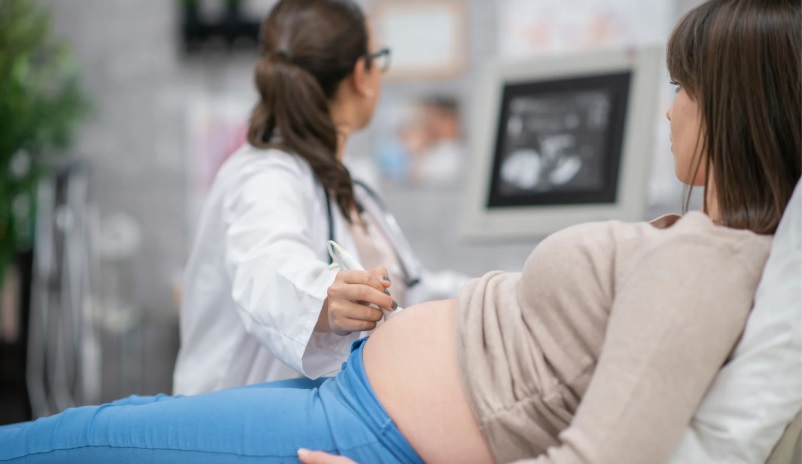
- Transvaginal Ultrasound: This is the gold standard for diagnosing placenta previa. The ultrasound probe is placed in the vagina to get a much closer and clearer view of the cervix and the precise location of the placenta’s edge. It is a safe and necessary procedure for an accurate diagnosis.
It’s important to note that a low-lying placenta detected early in pregnancy often corrects itself. This process is called “placental migration.” As the uterus grows and expands, the placenta can move away from the cervix.
A diagnosis of placenta previa is rarely considered final until after 32 weeks of gestation. If the placenta still covers the cervix at that point, a planned cesarean delivery (typically around 36-37 weeks) will be scheduled to avoid the life-threatening hemorrhage that can occur if the cervix dilates and the placenta begins to tear.
What are the Symptoms of Placental Abruption?
Recognizing the symptoms of placental abruption is critical, as it demands immediate emergency care. Signs of placental abruption can vary, but common symptoms include:
- Amount of Vaginal bleeding: This can range from light spotting to heavy bleeding.
- Abdominal pain: Sudden, severe pain in the abdomen or lower back is a hallmark symptom.
- Uterine contractions: Frequent contractions may occur, which can be painful.
- Fetal distress: Changes in fetal movement or heart rate can indicate that the fetus is not receiving adequate oxygen.
If any of these symptoms arise, it is vital to seek medical attention immediately, as placental abruption can pose serious risks to both the mother and the unborn child.
Other warning signs include:
- Fetal Distress: A noticeable change or decrease in the baby’s movements.
- Maternal Signs of Shock: Feeling lightheaded, dizzy, faint, or having a racing heart, which can indicate significant internal blood loss.
- Back Pain: Often prominent if the abruption starts at the back of the placenta.
The severity of symptoms does not always correlate with the degree of separation. Even a small abruption can escalate quickly, so any suspicion warrants an immediate trip to the hospital.
Differences Between Placenta Previa and Abruption
While both conditions cause bleeding during pregnancy, their underlying mechanisms, presentation, and associated pain are starkly different. This table outlines the core distinctions between placenta previa and abruptio:
| Feature | Placenta Previa | Placental Abruption |
|---|---|---|
| Core Definition | Problem of placental placement (low-lying, covering cervix). | Problem of placental function (premature separation). |
| Nature of Bleeding | Bright red bleeding. Often painless. | Can be dark or bright red. Often accompanied by pain. |
| Pain | Typically painless bleeding. Uterus is soft, non-tender. | Almost always painful. Sudden, severe abdominal pain, tender & rigid uterus. |
| Onset of Bleeding | Can be spontaneous or provoked (e.g., after intercourse). Often stops and starts. | Usually sudden and catastrophic. |
| Fetal Heart Rate | Usually normal unless bleeding is massive. | Often shows signs of fetal distress (decelerations, tachycardia) early on. |
| Risk Factors | Previous C-section, multiple pregnancies, advanced maternal age, smoking. | Hypertension, trauma, cocaine use, smoking, previous abruption. |
| Management | Monitoring, pelvic rest, potential for hospital admission, planned C-section. | Immediate emergency care. Emergency C-section is highly likely. |
Comparing Placenta Previa and Placental Abruption
Both placenta previa and placental abruption can lead to complications during pregnancy and childbirth, but they do so in different ways.
- Risk Factors: While both conditions share some risk factors such as advanced maternal age and prior pregnancies, placental abruption is more closely linked to trauma and hypertension.
- Management: Placenta previa often requires careful monitoring and potential early delivery via cesarean section if the condition does not resolve. In contrast, placental abruption may require emergency intervention depending on the severity of the detachment and the mother’s condition.
- Outcomes: With appropriate management, many women with placenta previa can have healthy pregnancies. However, placental abruption can lead to more severe complications, including stillbirth, if not treated promptly.
Being aware of the differences allows for better preparation and response to potential complications during pregnancy.
Commonly Asked Questions about Placenta Previa Vs Abruptio Placenta (FAQs)
What is placenta previa?
Placenta previa is a condition in which the placenta partially or completely covers the cervix, which can lead to complications during pregnancy and delivery. It may manifest as painless vaginal bleeding, especially in the third trimester. There are different types of placenta previa, including total placenta previa and marginal placenta previa, depending on the position of the placenta.
What is placental abruption?
Placental abruption, also known as abruptio placenta, is a serious condition where the placenta detaches from the uterine wall before delivery. This can cause severe bleeding and may pose risks to both the mother and baby. Symptoms of placental abruption include abdominal pain, sudden onset of bleeding, and contractions.
How does placenta previa occur?
Placenta previa occurs when the placenta implants low in the uterus, leading to its position over the cervix. The exact cause of placenta previa is not fully understood, but it can be associated with previous cesarean deliveries, uterine surgery, or multiple pregnancies. Risk factors for placenta previa may include advanced maternal age and smoking.
What are the symptoms of placenta previa?
A common symptom of placenta previa is painless vaginal bleeding, often bright red, which typically occurs during the third trimester. Women may also experience no symptoms at all, making it essential to have regular prenatal check-ups to rule out placenta previa.
What causes placental abruption?
The cause of placental abruption is often unclear, but it can be associated with high blood pressure, trauma, smoking, or drug use. In some cases, the detachment of the placenta can occur without any known risk factors. It is crucial to monitor symptoms closely, as severe grades of abruption can lead to serious complications.
How can placenta previa and placental abruption affect delivery?
Both placenta previa and placental abruption can complicate the delivery process. In cases of total placenta previa, vaginal delivery is usually not recommended due to the risk of bleeding. On the other hand, placental abruptio may lead to an emergency cesarean section if significant bleeding occurs or if the baby is in distress.
What are the risks associated with placenta previa?
The risk of placenta previa includes heavy bleeding, preterm birth, and complications during delivery. Women with a diagnosed condition may need to avoid certain activities and have closer monitoring throughout their pregnancy. Cases of placenta previa may require delivery by cesarean section to ensure the safety of both mother and baby.
Can you have both placenta previa and placental abruption?
It is possible for a woman to experience both placental previa and placental abruption, although this is rare. The presence of both conditions can complicate the management of the pregnancy and delivery, necessitating careful monitoring and potentially more frequent medical intervention.
What is Stage 3 placental abruption?
Grade 3 placental abruptio is a severe, complete detachment causing significant amount of bleeding, fetal distress, and high maternal risk. It requires immediate emergency delivery to save both lives.
What are the four types of placenta previa?
The four placenta previa types are: complete, partial, marginal, and low-lying. Classification depends on how much the placenta covers the cervical opening, which determines delivery method and management.
Placenta Abruptio Conclusion
In conclusion, understanding the distinctions between Placenta Previa Vs Abruption Placenta is crucial for expectant mothers and healthcare professionals. Both conditions pose significant risks, but with awareness, early diagnosis, and appropriate medical intervention, many complications can be managed effectively.
If you experience any symptoms related to either condition, such as red vaginal bleeding or severe abdominal pain, it is essential to seek medical help immediately. Early intervention can make a significant difference between placenta previa and abruption for both mother and baby. Stay informed, and prioritize your health throughout your pregnancy journey.
Related posts
- Is Posterior Placenta Good or Bad? Doctors Reveal the Truth
- National Preeclampsia Awareness Month: (5 Life-Saving Facts)
- Post Pregnancy Check Up: What to Expect & Why It’s Important
- Effective Placenta Previa Self-Care Tips (Dos and Don’ts)
- 7 Symptoms of Placenta Previa – Every New Mom Should Know
- Placenta Previa When Is It Diagnosed? (and Next Steps)
- What Is Low Lying Placenta Called? Causes, Risks & What to Expect
- Is a Low Lying Placenta Dangerous? Risks, Myths & Reassurance