Have you ever wondered what Placenta Previa symptoms look like and how they affect pregnancy? This condition can cause unexpected challenges, especially in the later stages of pregnancy. Spotting the signs early makes a big difference in protecting both mother and baby.
Placenta Previa often presents with painless vaginal bleeding during the second or third trimester. Other symptoms may include spotting, low blood pressure, contractions, or complications detected through routine ultrasounds. In this article, we’ll explore these symptoms in detail and help you understand how they’re managed by medical experts.
Dr. Jennifer Ashton, a leading OB-GYN, emphasizes that awareness of Placenta Previa symptoms helps expectant mothers seek timely care. But bleeding isn’t the only warning sign to watch for. So, let’s dive deeper into what you need to know to keep your pregnancy safe and well-managed.
What Causes Placenta Previa?
Placenta previa develops when the placenta attaches to the lower part of the uterus, covering the cervix either partially or fully. While the exact cause remains unclear, several factors increase the risk of placenta previa condition:
- Uterine scarring from previous C-sections or surgeries
- Multiple pregnancies (twins, triplets, etc.)
- Maternal age (women over 35 have a higher likelihood)
- History of placenta previa in earlier pregnancies
- Smoking or substance use during pregnancy
- Large placenta or unusual placental development
Although placenta previa is rare, affecting less than 1% of pregnancies in the later stages, understanding its causes helps expectant mothers stay alert to potential symptoms.
What Are the Symptoms of Placenta Previa?
Placenta previa often doesn’t present noticeable symptoms in the early stages of pregnancy. However, as the pregnancy progresses and the uterus expands, the condition becomes more evident. The hallmark sign is painless vaginal bleeding in the second or third trimester. Unlike other pregnancy complications, this bleeding is usually bright red and not accompanied by cramping.
Other symptoms may include signs of preterm labor, changes in fetal movement, or discomfort during routine activities. Recognizing these indicators promptly is crucial to avoiding complications such as excessive blood loss or preterm delivery.
The 7 Placenta Previa Symptoms and Signs
Placenta previa is a serious pregnancy complication. It happens when the placenta lies low in the uterus and covers part or all of the cervix. Recognizing symptoms early is vital for the safety of both mother and baby. Here are the seven most important signs of a low lying placenta every mom-to-be should monitor:
1. Vaginal Bleeding During Pregnancy
The most noticeable symptom is bright red vaginal bleeding. It usually appears in the second or third trimester. The bleeding may start without warning or pain. Sometimes, it can be heavy and life-threatening if left untreated. Women experiencing this symptom should seek immediate medical care.
2. Bleeding After Sexual Intercourse
Some women notice bleeding after sexual activity. This occurs because the placenta is positioned low and becomes irritated. Even light spotting should never be ignored. Doctors often advise avoiding sexual intercourse if placenta previa is diagnosed.
3. Bleeding Without Pain
Unlike other pregnancy complications, placenta previa often causes painless bleeding. The cervix begins to thin and dilate, which disrupts the placenta. This separation leads to bleeding but rarely comes with cramping or discomfort. Many women feel fine physically despite heavy blood loss.
4. Premature Contractions
In some cases, placenta previa can trigger premature contractions. These contractions may feel irregular and uncomfortable. They put both the mother and baby may at risk of early delivery. Doctors usually monitor contractions closely and may recommend hospitalization.
5. Signs of Preterm Labor
Placenta previa increases the risk of preterm labor. Symptoms may include back pain, pelvic pressure, and changes in vaginal discharge. Early labor signs should never be dismissed. Quick medical attention helps protect both mother and child.
6. Abnormal Baby Position
The placenta’s placement can affect the baby’s position. Breech or transverse positions are more common with placenta previa. Doctors detect these positions during ultrasounds or check-ups. Abnormal positioning often signals complications that require careful delivery planning.
7. Anemia From Blood Loss
Frequent bleeding episodes may lead to anemia. Low lying placenta symptoms include weakness, dizziness, and pale skin. Severe anemia can harm both the mother and the baby’s health. Iron supplements or blood transfusions may be necessary in extreme cases.
When to Seek Medical Help?
Any vaginal bleeding during pregnancy requires urgent medical evaluation. Even light spotting can be a warning sign. Never wait to see if the bleeding stops on its own. Timely diagnosis and treatment lower risks for both mother and baby.
Placenta previa is a dangerous but manageable condition when recognized early. Watching for these seven low lying placenta symptoms can save lives. Regular prenatal checkups and immediate response to bleeding are essential. Always consult a healthcare provider if you suspect any of these signs.
How is Placenta Previa Diagnosed? (Diagnosis of Placenta Previa)
Common symptoms of placenta previa include bright red bleeding during pregnancy, especially in the second and third trimesters. The exact cause of placenta previa is unknown, but it is believed that factors such as a low-lying placenta may contribute to its development.
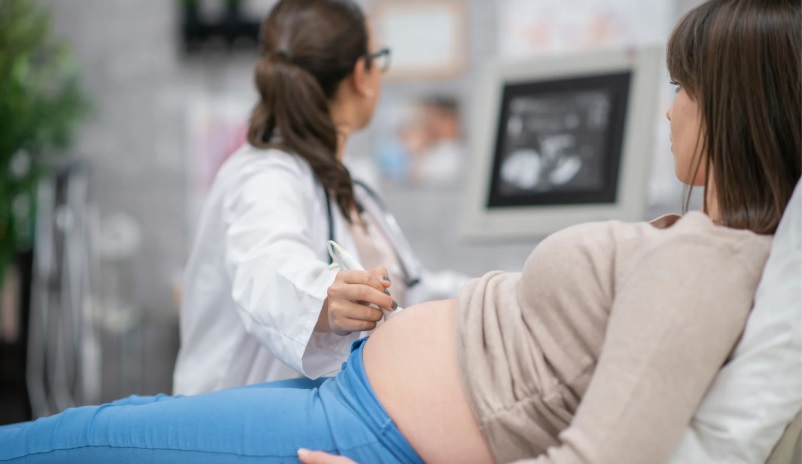
In cases where the placenta is positioned too close to or over the cervix, a diagnosis of placenta previa can be confirmed through ultrasound around 20 weeks of pregnancy.
It is essential to monitor the location of the placenta, as placenta previa may cause significant bleeding and complications during delivery. People with placenta previa have a higher risk of placenta accreta, where the placenta grows too deeply into the uterine wall.
Treatment options for managing placenta previa can vary, but they often include careful monitoring and planning for a safe delivery, especially if the placenta remains in a problematic position as the weeks of pregnancy progress.
How is Placenta Previa Treated – Treatment options vary
The treatment approach for placenta previa depends on factors such as the severity of bleeding, the type of placenta previa (complete, partial, or marginal), the stage of pregnancy, and overall maternal and fetal health. Key treatment strategies include:
- Observation and Monitoring: Mild cases may require careful monitoring with regular ultrasounds.
- Hospitalization: Severe bleeding often necessitates hospital stays for close observation.
- Medications: Corticosteroids may be administered to accelerate fetal lung development if preterm delivery becomes necessary.
- Activity Restrictions: Bed rest or avoiding strenuous activities, intercourse, and vaginal exams can minimize bleeding risks.
- Emergency Care: In life-threatening situations, immediate intervention is required to stabilize the mother.
Treatment for Placenta Previa During Pregnancy
Ultimately, the only definitive treatment for placenta previa is delivery. Most women with complete placenta previa will require a planned cesarean section (C-section), typically scheduled around 36 to 37 weeks of gestation, to prevent complications during labor. Vaginal delivery is generally not safe if the placenta continues to cover the cervix.
In cases where bleeding is severe and cannot be controlled, an emergency C-section may be performed earlier, regardless of gestational age. The healthcare team prioritizes both maternal safety and fetal survival, balancing timing with medical necessity.
Additional treatment measures may include:
- Blood transfusions for significant maternal blood loss
- Intravenous fluids to stabilize blood pressure
- Neonatal intensive care support if the baby is born prematurely
Close collaboration between obstetricians, maternal-fetal medicine specialists, and neonatologists ensures the best outcomes.
Commonly Asked Questions about Previa Placenta Symptoms and Signs (FAQs)
How do you diagnose placenta previa?
Placenta previa is diagnosed via ultrasound, showing the placenta covering the cervix. It can cause bleeding, especially in the second trimester. Avoid vaginal exams to prevent triggering hemorrhage.
What is the best treatment of placenta previa?
The best treatment is monitoring, pelvic rest, and avoiding triggers for bleeding. Delivery is via planned C-section, typically after 36 weeks, to prevent life-threatening hemorrhage during labor.
What is placenta previa?
Placenta previa is a condition in which the placenta is abnormally positioned in the uterus, covering part or all of the cervix. This can lead to complications during pregnancy and delivery.
What are the signs and symptoms of placenta previa?
The most common placenta previa signs and symptoms is bright red vaginal bleeding during the second or third trimester of pregnancy. Women experiencing these symptoms should seek medical attention immediately.
What causes placenta previa to occur?
Placenta previa occurs when the placenta attaches itself too low in the uterus, preventing it from moving upward as the pregnancy progresses. Factors such as previous cesarean deliveries, multiple pregnancies, or uterine surgeries can increase the risk of developing placenta previa.
How is placenta previa diagnosed?
Healthcare providers typically diagnose placenta previa through ultrasound imaging, which can confirm the position of the placenta and identify any potential complications. It is crucial to monitor the condition throughout the pregnancy.
Can marginal placenta previa resolve on its own?
In many cases, the placenta will move upward as the pregnancy progresses, particularly if it is initially classified as marginal placenta previa. Regular ultrasound monitoring can help identify any changes in the position of the placenta.
What are the risks associated with placenta previa?
Placenta previa can cause complications such as severe bleeding during pregnancy and delivery, which can pose risks to both the mother and the baby. Women with this condition may require a cesarean section to safely deliver the baby.
What treatment options are available for placenta previa?
Treatment for placenta previa focuses on monitoring the condition and managing any symptoms. If bleeding occurs or if the placenta persists over the cervix, doctors may recommend bed rest or hospitalization, and in some cases, early delivery may be necessary.
What is the risk of placenta accreta spectrum in cases of placenta previa?
Women with placenta previa may experience an increased risk of placenta accreta spectrum, a serious condition in which the placenta attaches too deeply into the uterine wall. This can lead to complications during delivery and may require surgical intervention.
How can I identify placenta previa early in my pregnancy?
Identifying placenta previa early can be achieved through routine prenatal ultrasounds. If you have risk factors or experience any signs of bleeding, it is important to inform your healthcare provider so they can conduct the appropriate imaging to confirm placenta previa.
Conclusion
Placenta previa, though relatively rare, is a serious pregnancy complication that requires vigilance and medical supervision. Being aware of the Placenta Previa Symptoms—from painless vaginal bleeding to abnormal fetal positioning—helps expecting mothers take proactive steps in safeguarding their health. With proper diagnosis, monitoring, and treatment, most women with placenta previa go on to deliver healthy babies. If you experience any of the signs mentioned, seek immediate medical attention. Knowledge, preparation, and early intervention remain the most powerful tools in navigating this condition successfully.
Recommended posts
- Effective Placenta Previa Self-Care instructions (Dos and Don’ts)
- Abruptio Placentae Vs Placenta Previa – Key Signs You Shouldn’t Ignore
- When Placenta Previa Is Diagnosed? (and Next Steps)
- What Is Low Lying Placenta Called? Causes, Risks & What to Expect
- Nursing Diagnosis for Placenta Previa: (Best Care Plan)
- Is a Low Lying Placenta Dangerous? Risks, Myths & Reassurance