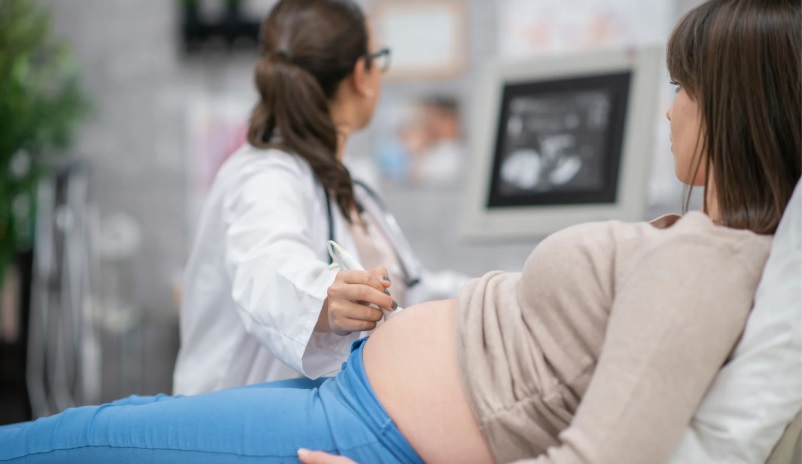
Polycystic Ovary Syndrome (PCOS) is a common hormonal condition that affects millions of women worldwide, often leading to challenges with fertility and pregnancy. One of the most sensitive concerns linked to PCOS is the increased risk of miscarriage, which can be emotionally and physically devastating. Understanding the connection between PCOS and miscarriage is the first step toward better awareness and support.
Studies show that women with PCOS are more likely to experience early pregnancy loss compared to those without the condition. This risk is influenced by factors such as insulin resistance, hormonal imbalances, and issues with ovulation quality.
While the numbers can feel discouraging, proper treatment and lifestyle management have helped many women with PCOS carry healthy pregnancies to term.
If you or someone you know is navigating polycystic ovary syndrome and miscarriage, know that you are not alone. With medical guidance, emotional support, and the right strategies, there is hope and strength to move forward. Would you like me to create a full blog introduction on “PCOS and Miscarriage (Causes, Risks, and Hope for Recovery)” in the same style as the previous one?
How Common are First Trimester Miscarriages?
Miscarriage is unfortunately more common than many realize. Globally, around 10–20% of known pregnancies end in miscarriage, and the majority occur within the first trimester (before 12 weeks). Many miscarriages happen so early that some women may not even realize they were pregnant.
The causes of first-trimester miscarriage vary, ranging from chromosomal abnormalities in the embryo to underlying maternal health conditions such as diabetes, thyroid disease, or hormonal imbalances. Lifestyle factors—such as smoking, excessive alcohol intake, obesity, and unmanaged stress—can also contribute.
For women with PCOS, the risk of miscarriage may be higher than average. Some studies suggest that women with PCOS may face miscarriage rates as high as 30–40%, compared to women without the condition. However, it’s important to remember that not all women with PCOS experience this outcome, and many go on to have healthy pregnancies.
Does PCOS Cause Miscarriage?
The short answer is no—PCOS itself does not directly cause miscarriage, but it creates conditions that can make miscarriage more likely. PCOS is characterized by irregular ovulation, insulin resistance, elevated androgen levels, and hormonal imbalance, all of which may disrupt a healthy pregnancy.
Some of the main ways PCOS contributes to miscarriage risk include:
- Insulin resistance and high blood sugar: Poor glucose control increases miscarriage risk, even in women without PCOS. Insulin resistance is very common in PCOS, making this a key factor.
- Hormonal imbalance: Elevated luteinizing hormone (LH) or testosterone may interfere with proper implantation of the embryo.
- Obesity and inflammation: Many women with PCOS struggle with weight gain management, which is linked to systemic inflammation and poorer pregnancy outcomes.
- Endometrial dysfunction: The uterine lining may not develop optimally in some PCOS patients, making it difficult for the embryo to implant securely.
Therefore, while PCOS does not directly cause miscarriage, the metabolic and hormonal challenges it creates may set the stage for higher risk.
PCOS and Recurrent Miscarriage: Understanding the Connection
Recurrent miscarriage is defined as two or more consecutive pregnancy losses. For women with PCOS, recurrent pregnancy loss can feel devastating and confusing. Research indicates that recurrent miscarriage in PCOS patients is often associated with three overlapping issues:
- Insulin resistance – When the body does not use insulin efficiently, blood sugar levels remain high, increasing miscarriage risk. Women with PCOS often benefit from medications like metformin to improve insulin sensitivity.
- Thrombophilia (blood clotting disorders) – Some PCOS patients have an increased tendency toward blood clot formation. This can impair placental blood flow and increase the risk of recurrent miscarriage.
- Chronic inflammation – PCOS is associated with low-grade inflammation, which can affect both ovulation and embryo development.
For women experiencing recurrent miscarriage linked to PCOS, early medical intervention and comprehensive fertility care can make a major difference. Treatments may include insulin management, blood-thinning medication (when clotting issues are present), and targeted hormone therapy.
Does PCOS increase Your Chance of Pregnancy Loss?
Yes, research suggests that PCOS does increase the likelihood of pregnancy loss compared to women without the condition. Several large-scale studies have found that miscarriage rates are significantly higher in women with PCOS, particularly when other risk factors—such as obesity, unmanaged insulin resistance, or thyroid dysfunction—are present.
The chance of pregnancy loss in women with PCOS depends on multiple factors:
- Age: Miscarriage risk naturally increases after age 35, and this risk may compound with PCOS.
- Weight: Women with a higher body mass index (BMI) are more likely to experience pregnancy loss, regardless of PCOS status.
- Hormone levels: Elevated testosterone, DHEA-S, or LH can interfere with implantation and early pregnancy stability.
- Lifestyle: Poor diet, lack of exercise, smoking, and stress all play a role in miscarriage risk.
It’s important to highlight that while the risk is elevated, it is not inevitable. Many women with PCOS conceive successfully and deliver healthy babies, particularly when proactive steps are taken to manage underlying health conditions.
What To Do to Minimise the Risk of Miscarriage – PCOS and Miscarriage Prevention
While no prevention strategy can guarantee a healthy pregnancy, women with PCOS can take specific steps to significantly reduce the risk of miscarriage.
1. Manage Insulin Resistance
- Consider medications like metformin if prescribed by your doctor.
- Follow a balanced diet rich in fiber, lean protein, and healthy fats to stabilize blood sugar.
- Avoid processed foods and added sugars that worsen insulin resistance.
2. Achieve a Healthy Weight
- Even a 5–10% weight reduction can restore regular ovulation and improve pregnancy outcomes.
- Engage in regular physical activity, focusing on strength training and cardio.
3. Optimize Hormonal Balance
- Work with your healthcare provider to monitor LH, progesterone, and testosterone levels.
- In some cases, progesterone supplementation in early pregnancy may be beneficial to support implantation.
4. Address Underlying Conditions
- Test for thyroid disorders and treat them promptly if present.
- Screen for clotting disorders if you have a history of recurrent miscarriage.
5. Lifestyle Adjustments
- Quit smoking and limit alcohol consumption.
- Prioritize sleep and stress management through mindfulness, yoga, or meditation.
- Take a high-quality prenatal vitamin containing folic acid and other essential nutrients.
6. Regular Medical Monitoring
- Schedule frequent prenatal check-ups, especially in the first trimester.
- Request early ultrasounds to monitor fetal development.
- Maintain open communication with your OB-GYN or fertility specialist.
These proactive steps empower women with PCOS to reduce miscarriage risk and increase their chances of a healthy pregnancy.
What other Pregnancy Complications Should You be Aware of if You Have PCOS?
Beyond miscarriage, PCOS is associated with a higher risk of other pregnancy-related complications. Awareness is key, as early detection and proper medical care can improve outcomes.
Risk of Gestational Diabetes
- Women with PCOS are at higher risk due to underlying insulin resistance.
- Early screening and dietary adjustments are critical.
Pre-eclampsia
- This condition involves high blood pressure and can endanger both mother and baby.
- Regular blood pressure monitoring is essential.
Preterm Birth
- PCOS pregnancies may have a slightly higher risk of premature delivery.
- Ongoing prenatal care helps monitor signs of early labor.
Low Birth Weight or Large-for-Gestational-Age Babies
- Poorly managed insulin resistance may lead to growth restriction or oversized babies, both of which can complicate delivery.
Cesarean Section
- Higher rates of C-section deliveries are noted among PCOS patients due to complications during labor.
By being aware of these risks and working closely with healthcare providers, women with PCOS can take preventive measures and ensure both maternal and fetal health are prioritized throughout pregnancy.
Commonly Asked Questions about the Link Between PCOS and Miscarriage (FAQs)
What is the association between PCOS and miscarriage?
Pregnant women with polycystic ovary syndrome (PCOS) have been found to have an increased risk of miscarriage compared to those without the condition. This association is thought to be linked to hormonal imbalances, insulin resistance, and potential ovulatory issues that may affect pregnancy viability.
How does PCOS affect the chance of miscarriage?
The hormonal changes associated with PCOS can lead to irregular ovulation, which increases the likelihood of early pregnancy loss. Additionally, conditions such as insulin resistance and increased androgen levels may further complicate pregnancy outcomes, contributing to a higher miscarriage rate in women with PCOS.
Can female hormones help with pcos and miscarriage prevention?
Yes, specific hormone treatments like progesterone support can improve pregnancy outcome in women with polycystic ovarian syndrome (PCOS). It helps regulate cycles, promote ovulation, and maintain the uterine lining, which may reduce the risk of early pregnancy loss and miscarriage.
What are the common causes of miscarriage in women with PCOS?
Miscarriage in women with PCOS can be attributed to several factors, including hormonal imbalances, chromosomal abnormalities in the embryo, and underlying health issues like obesity or insulin resistance. These factors can lead to an increased risk of pregnancy loss during both early and later stages of pregnancy.
What is the rate of miscarriage in PCOS patients?
Research indicates that the miscarriage rate in women diagnosed with PCOS can be significantly higher than in the general population. Estimates suggest that up to 30-50% of pregnancies may end in miscarriage for women with this syndrome, particularly in the first trimester.
Can lifestyle changes reduce the risk of miscarriage in women with PCOS?
Yes, adopting a healthier lifestyle can help manage PCOS symptoms and potentially reduce the risk of miscarriage. Weight loss, a balanced diet, and regular exercise may improve insulin sensitivity and hormonal balance, which can enhance overall pregnancy outcomes.
Are there any treatments that can help prevent miscarriage in women with PCOS?
Certain treatments, such as the use of metformin, have shown promise in improving pregnancy outcomes for women with PCOS. Continued use of metformin throughout pregnancy may help in reducing the risk of miscarriage and addressing insulin resistance.
What role does insulin resistance play in miscarriage risk for women with PCOS?
Insulin resistance is a common issue in women with PCOS, and it can negatively impact pregnancy outcomes. Elevated insulin levels may lead to hormonal imbalances that can affect ovulation and increase the risk of complications, including miscarriage.
How does the risk of pregnancy complications relate to PCOS?
Women with PCOS face a higher risk of various pregnancy complications, including gestational diabetes and hypertensive disorders. These complications can further heighten the risk of miscarriage and adversely affect pregnancy outcomes, making early monitoring essential for pregnant women with polycystic ovarian syndrome.
What are the pcos and miscarriage rates?
Women with Polycystic Ovary Syndrome (PCOS) have a significantly higher miscarriage rate, estimated between 30-50%, compared to 10-15% in the general population. This increased risk is linked to insulin resistance, inflammation, and hormonal imbalances characteristic of the condition.
Conclusion
The relationship between PCOS and Miscarriage is complex but not insurmountable. While women with PCOS face an elevated risk of pregnancy loss—particularly in the first trimester—this risk can often be minimized with proactive care. Addressing insulin resistance, balancing hormones, achieving a healthy weight, and making informed lifestyle changes are all powerful strategies to support a successful pregnancy.
If you are navigating pregnancy with PCOS, remember that you are not alone. Many women with PCOS go on to have healthy pregnancies and babies with the right medical guidance and lifestyle support. By taking control of your health, staying informed, and working closely with your healthcare team, you can significantly reduce the risk of miscarriage and embrace a hopeful path toward parenthood.
Recommended posts
- Causes of Irregular Bleeding After Miscarriage & How to Cure
- Decidual Cast and Ectopic Pregnancy Risks (Diagnosis Guide)
- Best Age to Get Pregnant with PCOS: What Experts Recommend
- Could a UTI Cause a Miscarriage or Any Pregnancy Complications?
- Does Transvaginal Ultrasound Cause Miscarriage? (Key Facts)