
Have you noticed your newborn sleeps with mouth open but breathes through nose? It might look strange at first, and naturally, parents worry if something’s wrong. But is this behavior actually normal?
In most cases, a newborn who sleeps with their mouth open but breathes through their nose isn’t a cause for concern. It could be due to a relaxed jaw during deep sleep or mild nasal stuffiness. This article explains the possible reasons, when it’s harmless, and signs that might need a pediatrician’s attention.
Pediatric ENT specialists like Dr. Nina Shapiro recommend monitoring for symptoms like noisy breathing or frequent mouth breathing when awake. Curious if your baby’s sleep habits are normal or worth a closer look? Let’s dive into what this sleepy behavior really means for your newborn’s health.
Is it Normal Newborn Sleeps with Mouth Open but Breathes Through Nose?
When a newborn sleeps with their mouth open but breathes through their nose, it can often be considered normal. Newborns have a natural tendency to breathe primarily through their noses, which helps them during feeding and sleeping.
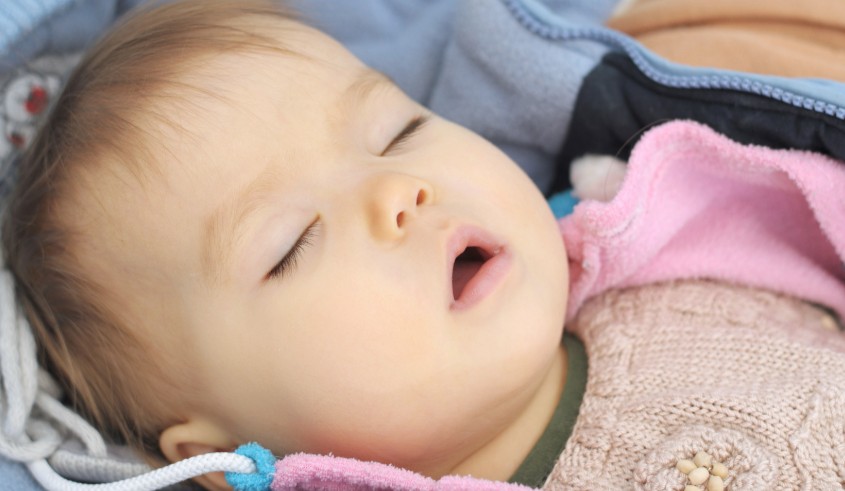
However, if the baby frequently sleeps with their mouth open, it may indicate other issues. While occasional open-mouth sleeping isn’t usually a cause for concern, breathing through the mouth may warrant further evaluation to rule out any underlying respiratory issues.
Consulting a pediatrician can provide reassurance to parents who are concerned about their baby’s sleeping habits. The pediatrician can assess whether the newborn’s mouth open position is a temporary phase or a sign of an underlying issue, such as nasal congestion or blockage in the upper airway.
Addressing these factors early on can help ensure that the baby continues to breathe comfortably during sleep.
Babies Sleeping With Their Mouths Open: What Does It Mean?
Babies sleeping with an open mouth can indicate various factors at play. One common reason is nasal congestion, where mucus buildup can make it difficult for the baby to breathe through their nose.
This condition can stem from allergies, colds, or respiratory infections, leading to mouth breathing during sleep. Additionally, babies may also sleep with their mouths open due to enlarged adenoids or tonsils, which can block their nasal passage and influence their breathing patterns.
Another factor that may contribute to this behavior is the position in which the baby sleeps. If a baby is positioned in such a way that their head is tilted, it may cause them to breathe through their mouth.
Parents should observe their baby’s daytime sleepiness habits and consult a healthcare professional if they notice mouth breathing or other concerning symptoms, as these could signify a more serious medical condition like sleep apnea.
Remember: If your infant is unable to blow their nose, you will need to utilize a bulb syringe, or cool mist humidifier to eliminate excess mucus. A bulb syringe, also known as a suction bulb, is a small rubber device featuring a long tip attached to a bulb. Prepare a bowl of tap water to clean the bulb between suction attempts.
Causes of Mouth Breathing in Babies and Children
Mouth breathing in babies can stem from various causes, often linked to respiratory health. One significant cause is nasal obstruction, which can arise from a stuffy nose, allergies, or anatomical issues like a deviated septum.
These conditions can create a blockage in the upper airway, forcing the child to breathe through their mouth. Additionally, enlarged tonsils or adenoids can contribute to this issue, particularly in older children, leading to persistent mouth breathing during sleep.
Identifying the underlying causes of mouth breathing in babies is crucial, as it can affect their overall health and development. Parents should remain vigilant to signs of noisy breathing or pauses in breathing during sleep.
If these symptoms are present, it is advisable to seek guidance from a pediatrician, who can provide insights into potential treatment options or interventions to improve the child’s breathing patterns and ensure their well-being.
Here’s a breakdown of the most common causes:
🦠 1. Nasal Congestion
Cause: Colds, allergies, sinus infections
Effect: Swollen or blocked nasal passages force the child to breathe through the mouth.
👃 2. Enlarged Adenoids or Tonsils
Cause: Chronic infection or natural growth
Effect: These lymphatic tissues at the back of the throat and nose can obstruct airflow through the nose, especially during sleep.
🌼 3. Allergies
Cause: Dust, pollen, pet dander, food sensitivities
Effect: Allergies can cause nasal inflammation and congestion, making nasal breathing difficult.
🦷 4. Structural Abnormalities
Examples:
- Deviated nasal septum
- Nasal polyps
- Cleft palate
- Narrow upper jaw
Effect: These physical issues can block or reduce nasal airflow.
🍼 5. Poor Oral Habits or Muscle Tone
Examples:
- Prolonged pacifier use
- Thumb sucking
- Low tongue posture or weak oral muscles
Effect: These can affect facial development and lead to habitual mouth breathing.
😴 6. Sleep Apnea or Snoring
Cause: Often due to enlarged tonsils/adenoids or obesity
Effect: Difficulty breathing during sleep can lead to mouth breathing as a compensatory mechanism.
🧬 7. Neurological or Developmental Conditions
Cause: Conditions like Down syndrome, cerebral palsy, or developmental delays
Effect: May affect muscle tone or coordination needed for nasal breathing.
🚨 Why It Matters
Chronic mouth breathing in kids can lead to:
- Dental issues (e.g. crooked teeth, long face syndrome)
- Poor sleep quality
- Behavioral problems
- Speech difficulties
✅ When to See a Doctor
- If mouth breathing persists beyond a cold or allergy flare-up
- If it’s affecting sleep, growth, speech, or behavior
- If snoring or pauses in breathing are observed during sleep
If you want, I can help you spot signs in your child or guide you through what kind of specialist to see (ENT, pediatrician, etc.). Would that be helpful?
Can Mouth Breathing Affect Your Child’s Facial Development?
Yes, mouth breathing might have significant implications for your child’s facial development. Prolonged mouth breathing may alter the normal growth patterns of the jaw and facial bones, potentially leading to dental issues and changes in facial appearance.
The oral posture of a child who breathes primarily through their mouth may result in a narrow palate and misaligned teeth, which can affect not only aesthetics but also functional aspects of biting and chewing.
Furthermore, mouth breathing can contribute to other health issues, such as sleep apnea, which can lead to fatigue and learning difficulties.
To mitigate these risks, it is essential for parents to monitor their child’s breathing patterns and consult with healthcare professionals if they notice persistent mouth breathing. Addressing the issue early can help ensure healthy facial and dental development, promoting overall well-being in the child.
Final Thoughts
So, why does newborn sleeping with mouth open but breathing through nose? In summary, while it is relatively common for newborn sleeps with mouth open but breathes through nose, parents should remain attentive to any persistent mouth breathing patterns. Understanding the potential causes, such as nasal congestion or anatomical obstructions, can help parents take proactive steps in addressing their child’s respiratory health. Consulting with a pediatrician can provide valuable insights and guidance on how to support healthy breathing during sleep, ensuring that the baby’s development remains on track and that their overall health is prioritized.
By fostering awareness of these issues, parents can create a nurturing environment that fosters healthy sleeping habits and addresses any underlying concerns early on. Ultimately, remaining informed and vigilant will empower parents to ensure their child’s long term well-being and development in a holistic manner.
Recommended posts
- Why Newborn Sleeps with Mouth Open: (Causes & Solutions)
- Why Does My Newborn Make Noises While Sleeping: Comfort Tips
- Can Infants Sleep with a Pacifier: (Safety Tips for Parents)