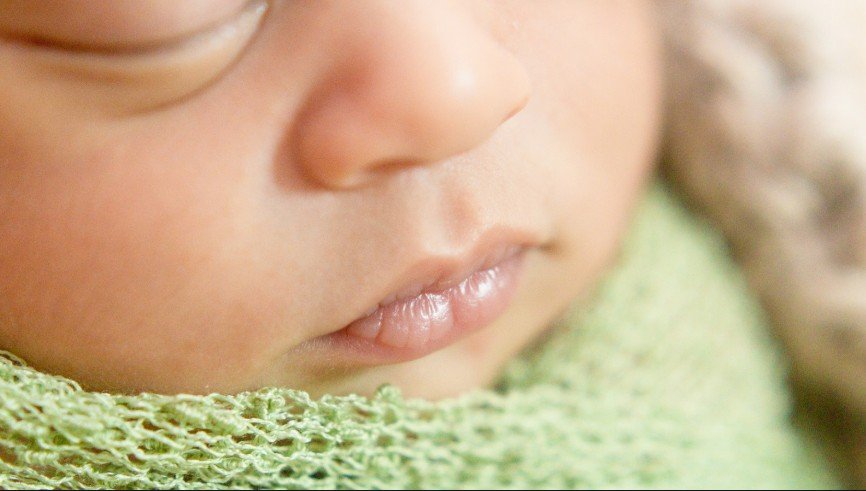
Have you noticed tiny blisters on your newborn’s lips and wondered what they are? Newborn lip blister can be a concerning sight for new parents, leading to questions about their causes, symptoms, and treatments.
Is newborn lip blister from breastfeeding? These blisters can occur for various reasons, including friction from breastfeeding, allergic reaction or even viral infections. Understanding why they form and how to treat them can give you peace of mind as a parent.
Lip blisters in newborns usually develop due to frequent sucking during feeding. They are harmless and often resolve on their own, but in some cases, they can cause discomfort. Pediatricians, including Dr. William Sears, recommend simple remedies like proper latching techniques and gentle moisturization for faster healing.
While most blisters fade naturally, some might indicate an underlying issue. Knowing when to seek medical advice is crucial. So, let’s dive deeper into the causes, symptoms, and expert-backed treatments to keep your little one comfortable and healthy.
Causes of Lip Blisters in Newborns
What cause blister on lip of newborn? One of the primary causes of lip blisters in newborns is friction, which can occur during breastfeeding. When a baby does not achieve a good latch, it can lead to friction blisters on the upper or bottom lip.
This often happens when the baby is in the learning phase of breastfeeding, where they struggle to latch effectively. Additionally, suck blisters may develop if the baby is sucking on their thumb or other objects, causing irritation around the mouth.
In some cases, viral infections, such as the herpes simplex virus, can lead to cold sores that manifest as blisters on the lip of premature babies. Another factor contributing to the development of blisters is chapped lips, which can be exacerbated by dry environments or dehydration. Newborns are particularly susceptible to this due to their sensitive skin.
If the baby has blisters, it’s essential to monitor for signs of infection or other complications, which could indicate a more significant issue. Consulting a lactation consultant can also provide insights into achieving a deep latch and preventing such blisters from forming in the first place.
Signs of Blisters on Your Baby’s Lips
Recognizing the signs of blisters on a newborn’s lips is crucial for timely intervention. A typical presentation may include a single blister in the middle of the upper lip or multiple small blisters around the mouth. These blisters can appear red and swollen, often causing discomfort for the newborn.
Parents may notice their baby exhibiting signs of irritation, such as fussiness during breastfeeding or while sucking on a pacifier. In some cases, the baby may also develop a rash or experience difficulty feeding if the blisters are painful or if they interfere with the latch.
It’s important to differentiate between normal blisters caused by sucking or friction and those associated with viral infections like herpes simplex. If the baby has blisters accompanied by fever or unusual fussiness, it may warrant a visit to the pediatrician.
Monitoring your baby’s lip condition can help you determine the next steps for treatment or prevention. Being proactive can ensure that any complications do not escalate and that your baby remains comfortable during feeding.
How to Treat a Newborn Lip Blister?
When it comes to treating a newborn lip blister, the first step is to maintain proper hygiene, particularly around the baby’s mouth. Cleaning the area gently with water can help prevent infection.
If the blisters are caused by friction from breastfeeding, ensuring the baby has a good latch is crucial. A lactation consultant can be invaluable in helping parents achieve a deep latch, which can minimize the risk of blisters. Applying a soothing ointment specifically designed for infants can also provide relief from discomfort and promote healing.
In cases where blisters are due to viral infections like herpes simplex, seeking medical advice is essential. The pediatrician may recommend antiviral medications or topical treatments to manage the condition effectively.
It’s crucial to monitor the blisters for signs of worsening or infection, such as pus or increased redness. Remember that while blisters can be distressing, most cases resolve with proper care, ensuring your baby’s comfort during breastfeeding and beyond.
If you are using a fluid filled bottle to feed your baby, ensure that they take in a significant portion of the nipple into their mouth and that the nipple is appropriately sized.
Remember: If you observe that your baby has suck blisters, it’s advisable to arrange a meeting with an IBCLC (International Board Certified Lactation Consultant) for a comprehensive feeding evaluation after baby born.
Can You Prevent Newborn or Baby Lip Blisters?
Preventing newborn lip blisters involves several proactive measures that can significantly reduce the chances of their occurrence. First, ensuring a good latch during breastfeeding is vital.
A deep latch minimizes friction on the upper and lower lip, thus preventing suck blisters. Parents may benefit from consulting with a lactation consultant who can provide tips and techniques for achieving the best latch possible. Additionally, keeping the baby’s lips moisturized can help prevent chapped lips, which can lead to blisters.
Creating a conducive breastfeeding blisters environment is also key. Avoiding dry air and ensuring the baby stays hydrated can help maintain skin health around the mouth. Regularly checking for any signs of irritation or blisters can allow for early intervention.
If your baby has a habit of sucking on their thumb or other objects, gently redirecting their attention can also minimize the risk of friction blisters. Prevention is always better than treatment, so taking these steps can help keep your baby’s lips healthy and blister-free.
Commonly Asked Questions about Blister Lips Newborn Treatment (FAQs)
Why does my newborn have a blister on his lip?
It’s common for newborns to develop blisters on their lips, often appearing in the middle of their upper lip. Possible causes include oral thrush, which causes white patches in the mouth, and blisters that form due to friction from feeding.
Can newborns get blister on lips?
Newborns can develop blisters on their gums and lips, which may be concerning for parents. While blisters don’t always indicate a serious issue, their presence depends on the cause. For example, thrush causes white patches, while blisters caused by the herpes simplex virus may be linked to an active cold sore.
Is a lip blister for newborn from breastfeeding?
Is newborn lip blister from breastfeeding? A lip blister in a newborn can occur from breastfeeding, often due to tethered oral tissues or oral restrictions. The presence of fat pads in their cheeks helps support the lip muscle during feeding.
Why do newborns get blisters on their lips?
The occurrence of blisters depends on the cause, and it’s important to make sure your baby is in close contact with someone who can help. While breast milk can aid in healing and decrease nipple pain, persistent blisters may be a sign of something more serious.
How do i get rid of milk blisters on my baby’s lips?
To get rid of milk blisters on your baby’s lips, gently clean the area with a soft, damp cloth. Avoid popping the blisters, as this can lead to infection. Keep the lips moisturized with a small amount of breast milk or a safe lip balm. If the blisters persist or worsen, consult your pediatrician for advice.
How do you treat blisters on newborns?
Treat newborn blisters by keeping the area clean, avoiding popping, and applying breast milk or a gentle moisturizer. Consult a pediatrician if they worsen.
Why does my baby have a white blister on the inside of her lip?
If your baby has a white blister on the inside of her lip, it may be due to friction or irritation. Blisters form when skin is damaged, often from breastfeeding or feeding with a breast or bottle nipple.
Is it OK for baby to have tongue-tie?
Yes, tongue-tie is common and often not a problem. However, if it affects feeding or speech, consult a pediatrician for evaluation and possible treatment.
Conclusion
In conclusion, understanding newborn lip blisters is essential for any new parent. By recognizing the causes, signs, and treatment options available, you can take proactive steps to help make your baby happy. Lip blisters can arise from various factors, including friction during breastfeeding and viral infections. Monitoring your baby’s lip condition and consulting healthcare professionals when necessary can ensure prompt treatment and comfort. Ultimately, with proper care and preventive measures, you can help your baby avoid the discomfort associated with lip blisters, ensuring a happy and healthy breastfeeding experience.
Recommended posts
- Newborn Clothes Weight & Size Chart: A Parent’s Buying Guide
- Why Your Newborn Cries When Put Down & How to Help!
- Babies Fighting Sleep? Tips to Help Your Baby Rest Better
- Size of a Newborns Stomach: Essential Breastfeeding Tips for Moms
- Staph Infection on Newborn: Symptoms, Causes, and Treatment