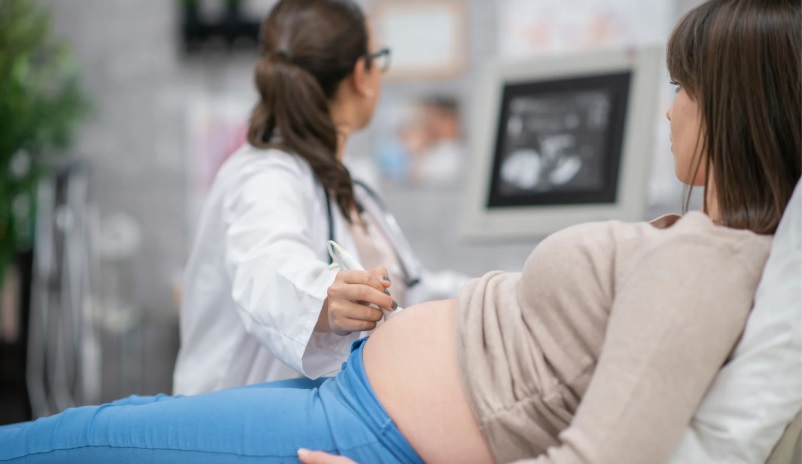
Type 2 Diabetes and Pregnancy—can they safely go together? Many women face this question when planning to start or expand their families. The condition affects blood sugar control, and pregnancy brings extra challenges. But with the right guidance, both mother and baby can thrive.
Women with Type 2 Diabetes need specialized care during pregnancy. Blood sugar management, balanced nutrition, and regular checkups play a central role. Experts like Dr. Lois Jovanovic, a pioneer in diabetes and pregnancy research, highlight that controlled glucose levels significantly reduce risks for both mother and child.
This article explores everything you need to know about managing Type 2 Diabetes during pregnancy. From practical lifestyle tips to expert-backed medical advice, you’ll find clear insights that prepare you for a safe journey.
So, let’s dive into the proven strategies that make pregnancy with Type 2 or type 1 diabetes both possible and healthy.
How Often Should You Check Your Blood Sugar Levels?
Frequent and consistent blood glucose monitoring is the most critical tool in your management arsenal during pregnancy. It provides the real-time data necessary to make informed decisions about diet, activity, and medication.
While your healthcare team will provide a personalized plan, general guidelines are significantly more rigorous during pregnancy than for non-pregnant people with diabetes type 2.
The Standard Recommendation:
Most experts recommend checking your blood sugar levels during pregnancy much more frequently—typically four to eight times per day. A common schedule includes:
- Fasting: First thing in the morning before any food or drink.
- Before Meals: To establish a baseline.
- One or Two Hours After Meals: This is crucial as pregnancy can cause significant postprandial (after-eating) spikes that can affect the baby.
- Occasionally Before Bedtime: To ensure stable levels overnight and prevent hypoglycemia (low blood sugar).
Why This Frequency is Non-Negotiable:
Pregnancy induces a state of “insulin resistance,” primarily due to hormones produced by the placenta. This means your body’s cells have a harder time using insulin effectively, causing blood sugar levels to rise more easily.
As your pregnancy progresses and these hormone levels increase, your insulin resistance will intensify, often requiring constant adjustments to your management plan. Frequent testing allows you and your doctor to:
- Identify Patterns: See how specific foods, portion sizes, and physical activity affect your glucose levels.
- Prevent Extremes: Avoid dangerous highs (hyperglycemia) and lows (hypoglycemia), both of which pose risks to the pregnancy.
- Guide Medication Dosage: Precisely tailor insulin or other medication doses to your body’s changing needs.
The Role of Continuous Glucose Monitors (CGMs):
Many women find CGMs to be a game-changer during pregnancy. These devices provide a subcutaneous sensor that reads glucose levels every few minutes, offering a comprehensive view of your glucose trends 24/7. While finger-prick checks are still needed for calibration, a CGM can alert you to impending highs or lows, providing unparalleled peace of mind and data for your healthcare team.
Management of Type 2 Diabetes in Pregnancy
Managing type 2 diabetes during pregnancy is a multi-faceted endeavor that goes beyond blood sugar checks. It involves a coordinated approach focusing on medication, nutrition, and exercise, all under the close supervision of a specialized healthcare team.
1. Medication Adjustments:
- Metformin and Insulin: Metformin is often continued during pregnancy as it is considered safe and effective. However, because insulin resistance increases, many women will need to start or significantly increase their insulin dosage. Insulin is the preferred medication for managing diabetes in pregnancy as it does not cross the placenta.
- Other Oral Medications: Some medications, like SGLT2 inhibitors or GLP-1 receptor agonists, may be discontinued before or during pregnancy due to a lack of long-term safety data. Your endocrinologist will guide this transition.
- Team Approach: Your care team will likely include an endocrinologist, a maternal-fetal medicine specialist (high-risk OB/GYN), a diabetes educator, and a registered dietitian.
2. Nutritional Therapy:
Nutrition is not about strict dieting but about making consistent, smart choices to keep blood sugar stable.
- Carbohydrate Consistency: The goal is to distribute carbohydrate intake evenly throughout the day. Avoid large loads of carbs in one sitting. Focus on complex carbohydrates (whole grains, legumes, vegetables) that are digested more slowly.
- Balanced Meals: Pair carbohydrates with lean protein and healthy fats to further slow down sugar absorption.
- Avoid Sugar-Sweetened Beverages: These cause rapid spikes in blood glucose and offer no nutritional value.
3. Physical Activity:
Regular, moderate exercise helps your body use insulin more efficiently and lowers blood sugar levels.
- Safe Activities: Walking, swimming, stationary cycling, and prenatal yoga are excellent choices.
- Consistency: Aim for at least 30 minutes of moderate activity most days of the week, pending your doctor’s approval. Always check your blood sugar before and after exercise to understand its impact and prevent hypoglycemia.
4. Prenatal Monitoring:
You will have more frequent prenatal visits and ultrasounds to monitor your baby’s growth and well-being. Key tests may include:
- Fetal Echocardiogram: A detailed ultrasound of the baby’s heart to check for congenital defects.
- Regular Growth Scans: To ensure the baby is growing appropriately and not affected by high blood sugar (macrosomia, or large birth weight).
Steps to Manage Diabetes Before, During, and after Pregnancy:
A successful pregnancy with type 2 diabetes is a marathon, not a sprint. Breaking it down into phases makes the process more manageable.
Before Pregnancy: Preconception Care
This is the most critical phase for reducing risks.
- Medical Preconception Visit: Consult your healthcare team before you start trying to conceive.
- Achieve Target A1C: The goal is to get your HbA1c level as close to the normal range (ideally below 6.5%) as possible before conception. This significantly reduces the risk of birth defects and miscarriage.
- Review Medications: Ensure all your medications are pregnancy-safe.
- Start Folic Acid: Take a high dose of folic acid (typically 5 mg daily, as prescribed) to prevent neural tube defects.
During Pregnancy: Trimester-by-Trimester Vigilance
- First Trimester: Focus on stabilizing blood sugar amid morning sickness. You may experience more hypoglycemia. Work with your dietitian on strategies for nausea.
- Second & Third Trimesters: Insulin resistance increases steadily. Be prepared for frequent medication adjustments. Attend all scheduled fetal monitoring appointments.
After Pregnancy: Postpartum and Beyond
- Immediate Postpartum: Your insulin resistance will drop dramatically after delivery. Your medication doses will need to be reduced quickly, often back to pre-pregnancy levels, under medical guidance.
- Breastfeeding: Breastfeeding is highly encouraged as it benefits both mother and baby. It also helps utilize glucose, which can aid in blood sugar management. Monitor for hypoglycemia, especially during and after nursing, and have a snack handy.
- Long-Term Health: The postpartum period is a window of opportunity to reinforce healthy habits for your long-term well-being.
Reducing Risk of Type 2 Diabetes after Gestational Diabetes
It is important to note that having gestational diabetes (GD) during one pregnancy significantly increases your risk of developing type 2 diabetes later in life. For women who had pre-existing type 2 diabetes before pregnancy, the focus is on preventing progression and managing future pregnancies. For all women, the strategies are similar and powerfully effective.
1. The Postpartum Glucose Tolerance Test:
Around 6 to 12 weeks after your baby is born, you should undergo a follow-up oral glucose tolerance test (OGTT) to ensure your blood sugar levels have returned to normal. This is a critical baseline assessment.
2. Lifestyle Modification as Prevention:
- Weight Management: If you are overweight, losing even 5-7% of your body weight can cut your risk of developing type 2 diabetes by more than half.
- Dietary Excellence: Continue the healthy eating habits you cultivated during pregnancy. Emphasize a high-fiber, whole-foods diet, low in processed sugars and saturated fats.
- Sustained Physical Activity: Aim for at least 150 minutes of moderate-intensity exercise per week. Make it a permanent part of your lifestyle.
3. Long-Term Monitoring:
Even if your postpartum test is normal, you should have your blood sugar (via A1c or fasting glucose) checked by your primary care physician at least every 1 to 3 years. Your history of Type 2 Diabetes and Pregnancy means you must be a lifelong advocate for your metabolic health.
4. Future Pregnancies: If you plan another pregnancy, the preconception steps outlined earlier become even more crucial. Start planning with your doctor well in advance.
Commonly Asked Questions about Type 2 Diabetes During Pregnancy (FAQs)
Is there more than one type of diabetes?
Yes. The main types are type 1 and type 2 diabetes, along with gestational diabetes. Preexisting diabetes refers to type 1 or 2 diagnosed before pregnancy. Each type has distinct causes and treatments.
What is the best management of diabetes in pregnancy?
The best management for people with diabetes in pregnancy involves strict blood sugar monitoring, insulin therapy (especially for people with type 1 diabetes), a balanced diet, and close collaboration with your healthcare team for maternal and fetal health.
What health problems could I develop during pregnancy because of my diabetes?
Poorly managed diabetes can increase the risk of high blood pressure (preeclampsia), preterm birth, and cesarean delivery. To prevent complications, it’s crucial to manage your diabetes through diet, medication, and monitoring.
What are the Type 2 Diabetes Pregnancy risk factors?
Key risk factors include obesity, family history, advanced maternal age, and becoming pregnant with prediabetes. These increase the chance you will develop diabetes. Unmanaged diabetes during pregnancy could lead to serious complications for mother and baby.
What are the risks of pregnancy complications for women with type 2 diabetes?
Women with type 2 diabetes may experience an increased risk of pregnancy complications such as preeclampsia, premature birth, and cesarean delivery. Managing blood glucose levels throughout pregnancy is crucial to minimize these risks and ensure a healthy pregnancy and healthy baby.
Can women with type 2 diabetes get pregnant?
Yes, women with type 1 or type 2 diabetes can get pregnant. However, it is essential to have a diabetes management plan in place before conceiving. Consulting with a healthcare provider can help assess blood glucose levels and adjust medications as necessary for a healthy pregnancy.
What is the relationship between type 2 diabetes and gestational diabetes?
Gestational diabetes develops during pregnancy in women who do not have diabetes prior to conception. Women with type 2 diabetes are at a higher risk of developing gestational diabetes, which can lead to complications for both the mother and baby if not managed properly.
How can I manage my diabetes during pregnancy?
Managing diabetes during pregnancy involves monitoring blood glucose levels frequently, adhering to a healthy diet, engaging in regular physical activity, and working closely with healthcare providers. A diabetes educator can provide valuable information and support for managing diabetes care effectively.
What are the blood glucose level targets during pregnancy?
Generally, the American Diabetes Association recommends maintaining blood glucose levels below 95 mg/dL before meals and below 120 mg/dL one hour after meals for pregnant women with diabetes. These targets can vary, so it is essential to follow your healthcare provider’s recommendations for pregnant women without diabetes.
What are the long-term implications of diabetes during pregnancy?
Women with type 2 diabetes may have an increased risk of developing diabetes type 2 later in life, particularly if they experience gestational diabetes. Regular screenings and maintaining a healthy lifestyle post pregnancy may help mitigate these risks.
How does obesity affect pregnancy in women with type 2 diabetes?
Obesity is a significant risk factor for pregnancy complications in women with diabetes type 2. It can lead to higher blood pressure, gestational diabetes, and other adverse outcomes. Managing weight through a balanced diet and regular exercise is crucial for a healthy pregnancy.
What should I know about medications during pregnancy?
Some diabetes medications may not be approved for use during pregnancy. It is essential to consult with a healthcare provider to discuss safe options, as managing blood glucose levels is critical for protecting both maternal and fetal health.
How can I reduce the risk of developing type 2 diabetes after gestational diabetes?
type 2 diabetesTo reduce the risk of developing type 2 diabetes after gestational diabetes, maintain a healthy weight, follow a balanced diet, engage in regular physical activity, and attend regular follow-up appointments with a healthcare provider to monitor blood glucose levels.
Conclusion
Managing Type 2 Diabetes and Pregnancy is undoubtedly a journey that demands dedication, vigilance, and a strong support system. However, it is a journey that can be navigated successfully with the right tools and knowledge. By committing to frequent blood sugar monitoring, adhering to a personalized management plan developed with your healthcare team, and embracing healthy lifestyle choices before, during, and after pregnancy, you can significantly optimize your health and give your baby the strongest possible start. Remember, you are not alone. Leverage your medical team, seek support from loved ones, and trust in your ability to manage this condition effectively. A healthy pregnancy and a healthy baby are well within your reach.
Recommended posts
- Is Glucose Intolerance Test in Pregnancy Optional for Moms?
- Gestational Diabetes Effects on Baby: Is Your Baby at Risk?
- The Link Between Gestational Diabetes and Preeclampsia
- Will Gestational Diabetes Make You Tired? (The Early Signs)
- Can I Refuse insulin for Gestational Diabetes (Alternatives)