
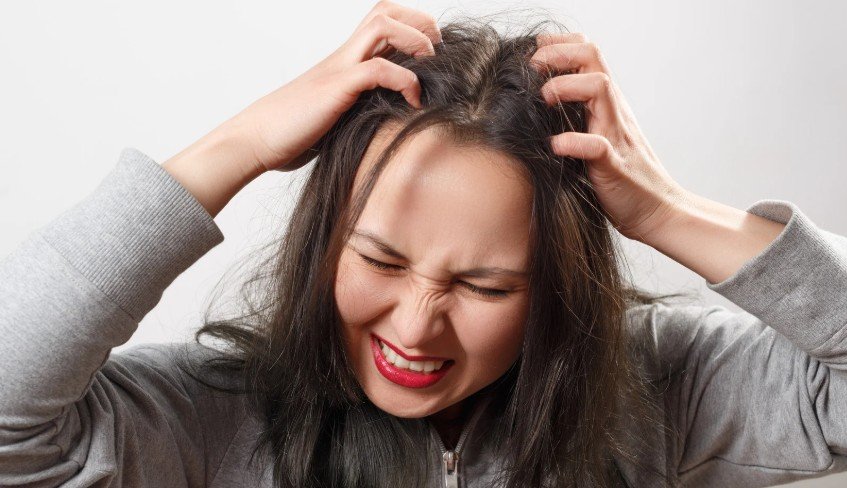
Itchy scalp postpartum can leave many new moms feeling uncomfortable and concerned. Have you noticed your scalp becoming drier, flakier, or more irritated after childbirth? You’re not alone—many women experience this frustrating change as their bodies recover from pregnancy and hormonal shifts.
The main reason behind postpartum itchy scalp is the hormonal rollercoaster after delivery, which affects oil production and skin sensitivity. In most cases, symptoms ease within a few months as hormone levels stabilize. Dermatologists like Dr. Whitney Bowe highlight that hydration, gentle scalp care, and balanced nutrition play a big role in faster recovery.
But what if the itch doesn’t seem to go away, or if it gets worse over time? Could it be dandruff, dryness, or even a reaction to stress? Stay with us as we explore the causes, effective remedies, and expert-backed tips to soothe your scalp and restore your comfort.
Postpartum Hair and Scalp Changes
The postpartum period is a time of remarkable physiological adjustment. After pregnancy, estrogen levels drop dramatically, and this shift triggers changes in hair and scalp health.
During pregnancy, high estrogen levels prolong the hair growth phase (anagen), leading to thicker and shinier hair. However, after delivery, hair may enter the shedding phase (telogen), resulting in noticeable hair loss, which can sometimes accompany scalp dryness or irritation.
Alongside hair shedding, the scalp itself may experience inflammation, dryness, or increased oil production. These changes can manifest as itching, flaking, or tenderness, often adding stress to an already demanding postpartum routine. Understanding these shifts helps in tailoring scalp care and selecting safe remedies that support healing and restore balance.
Causes of Itchy Scalp Postpartum
An itchy scalp postpartum can arise from a combination of hormonal, environmental, and lifestyle factors:
- Hormonal Fluctuations: The drop in estrogen and progesterone after childbirth can disrupt sebum production and affect scalp hydration, making the skin dry and itchy.
- Telogen Effluvium: Hair shedding peaks around 3–6 months postpartum. Loose hair on the scalp can irritate the skin, exacerbating itchiness.
- Seborrheic Dermatitis: Increased oil production coupled with a yeast called Malassezia can lead to dandruff-like flakes and tingling.
- Stress and Fatigue: Physical and emotional stress impact the immune system and skin barrier function, often worsening scalp irritation.
- Nutritional Deficiencies: Low levels of iron, zinc, or essential fatty acids can reduce scalp and hair health, contributing to dryness and itching.
- Allergic Reactions: Sensitivity to shampoos, conditioners, or hair treatments used during or after pregnancy may trigger irritation.
By identifying the root cause of your itchy scalp, you can implement a more effective, targeted approach to relief.
How to Handle Postpartum Itchy Scalp Naturally
Managing an itchy scalp postpartum doesn’t always require harsh chemicals or prescription treatments. Several natural strategies can soothe irritation, improve scalp health, and promote hair recovery:
- Gentle Cleansing: Use a mild, sulfate-free shampoo that won’t strip natural oils. Avoid tight hairstyles, over-washing, as excessive shampooing can increase hair dryness and itchiness.
- Scalp Massage: Massaging the scalp with fingertips stimulates blood flow, promotes hair growth, and helps distribute natural oils, reducing dryness.
- Moisturizing Treatments: Oils like coconut, argan, or jojoba can hydrate the scalp, reducing flakiness and irritation. Apply sparingly and leave on for 15–30 minutes before rinsing.
- Maintain a Balanced Diet: Incorporate omega-3 fatty acids, lean proteins, and leafy greens to support hair and scalp health from within.
- Stress Management: Gentle yoga, meditation, shorter cut, or breathing exercises can reduce stress-induced scalp inflammation.
Natural remedies not only alleviate itching but also strengthen hair and restore scalp balance without introducing potentially harmful chemicals.
Get Sebum Production Under Control with Tea Tree Oil
Tea tree oil is a powerhouse for postpartum scalp care. Its natural antifungal and antibacterial properties make it particularly effective for controlling excess sebum and reducing tingling caused by dandruff or mild seborrheic dermatitis.
How to use tea tree oil:
- Mix a few drops of tea tree oil with a carrier oil (such as coconut or jojoba).
- Gently massage the mixture into the scalp, focusing on itchy areas.
- Leave it on for 15–20 minutes, then rinse with a mild shampoo.
Regular use can balance sebum production, soothe inflammation, and prevent fungal overgrowth that contributes to scalp discomfort. However, always perform a patch test to ensure there is no sensitivity, especially during the postpartum period when skin may be more reactive.
Can’t Shake the Scalp Itch
If the itch persists despite natural remedies, it may indicate an underlying condition requiring closer attention:
– Severe Seborrheic Dermatitis: Characterized by persistent, greasy scales and redness. Medical-grade shampoos containing ketoconazole or zinc pyrithione may be necessary.
– Psoriasis: Raised, scaly patches that may extend beyond the sore scalp. Dermatological consultation is essential.
– Allergic Contact Dermatitis: Reaction to hair products or dyes. Identifying and eliminating triggers is crucial.
In these cases, a dermatologist can recommend safe treatments compatible with breastfeeding and sensitive postpartum skin. Persistent itch is not just discomfort—it can be a signal that professional evaluation is warranted.
Greasy Itchy Scalp Treatment
Oily and greasy hair, itchy scalp often results from overactive sebaceous glands or yeast overgrowth. Here are effective strategies for managing this condition naturally and safely:
- Apple Cider Vinegar Rinse: Diluted ACV can help balance the ph of your scalp and reduce fungal growth. Mix 1 part ACV with 3 parts water and apply after shampooing.
- Aloe Vera Gel: Its anti-inflammatory and moisturizing properties calm irritation while reducing excess oiliness.
- Avoid Heavy Styling Products: Silicone-based serums and waxes can trap oils and exacerbate itchiness. Opt for light, non-comedogenic products.
- Frequent but Gentle Washing: Washing 2–3 times a week with a mild, antifungal shampoo can prevent sebum accumulation without over-drying.
- Scalp Exfoliation: Using a gentle scalp scrub once a week can remove dead skin cells and reduce buildup, preventing itch flare-ups.
These methods restore balance, remove irritants, and minimize the greasy, itchy sensation common in postpartum scalp changes.
Commonly Asked Questios about Itchy Scalp After Pregnancy (FAQs)
What is the best shampoo for postpartum itchy scalp?
The best shampoos for a postpartum itchy scalp are fragrance-free, gentle formulas with soothing ingredients like salicylic acid, pyrithione zinc, or ketoconazole to combat flakiness and inflammation without harsh sulfates, which can further irritate sensitive skin.
What causes an itchy scalp postpartum?
An itchy scalp postpartum can be attributed to various factors including hormonal fluctuations, increased oil production, and dryness that may occur after pregnancy. The changes in your body’s hormone levels can lead to a sensitive scalp and discomfort. Additionally, stress and the hair care products you use can also contribute to this condition.
How can I treat my itchy scalp after giving birth?
To treat your itchy scalp postpartum, consider using gentle shampoos, such as a dandruff shampoo or one containing tea tree oil, which may help alleviate itchiness. Regularly massaging your scalp with a scalp massager can also promote nerves blood vessels to soothe irritation. Ensuring proper hydration and using leave-in hair therapy can further help manage dryness.
Is postpartum hair loss connected to an itchy scalp?
Yes, postpartum hair loss can be connected to an itchy scalp. As hair follicles undergo changes due to hormonal shifts, the dry scalp may become more sensitive and prone to itchiness. This is particularly common in the first 3 months postpartum when hormone levels are adjusting.
Can I use a scalp massager for my itchy scalp?
Absolutely! A scalp massager can be beneficial for an itchy scalp as it helps stimulate blood flow to the hair follicles, promoting relaxation and potentially alleviating discomfort. Incorporating this tool into your thin hair care routine can enhance your overall scalp health.
What role do vitamins play in managing postpartum scalp issues?
Vitamins, particularly B vitamins and those found in postpartum hair vitamins, are essential for hair growth and scalp health. They can help address issues like dryness and sensitivity, which may contribute to an itchy scalp. Ensuring you have a balanced diet rich in these vitamins can support your scalp’s recovery during the postpartum period.
How long does postpartum itchy scalp last?
The duration of postpartum itchy scalp varies among individuals. It can last from a few weeks to 4 months postpartum, depending on personal factors like hormonal changes and hair care practices. If the itching persists beyond four months postpartum, it may be wise to consult a dermatologist for further evaluation.
Can showering too often cause an itchy scalp?
Yes, showering too frequently can strip your scalp of its natural oils, leading to dryness and itchiness. It’s important to find a balance in your hair washing routine. Using a volumizing shampoo and moisturizing conditioner can help maintain the right moisture levels in your hair and scalp.
What are the best products for postpartum itchy scalp?
Look for products that are formulated for sensitive scalps, such as hydrating shampoos and conditioners with natural ingredients like aloe or rosemary. Dandruff shampoos containing tea tree oil or apple cider vinegar can also be effective. Additionally, leave-in hair therapies can help alleviate dryness and soothe irritation.
How does stress impact my scalp health after having a baby?
Stress can significantly impact your dry scalp health postpartum. It may exacerbate issues like scalp pain, dryness, and itchiness due to the body’s stress response affecting hormone levels and oil production. Practicing relaxation techniques and self-care can be beneficial for both your mental and scalp health.
Conclusion
An itchy scalp postpartum is a common but manageable condition. Understanding the physiological changes, recognizing potential causes, and implementing natural remedies can make a significant difference in comfort and hair health. Gentle cleansing, moisturizing, scalp massage, dietary support, and targeted treatments like tea tree oil or apple cider vinegar are safe, effective, and easy to integrate into a postpartum routine.
If itchiness persists despite these measures, consulting a dermatologist ensures that underlying conditions are addressed safely. With patience, consistent care, and natural interventions, you can restore scalp balance and enjoy healthier, more comfortable hair after childbirth.
Recommended posts
- Postpartum Dandruff: Causes, Remedies, and Scalp Care Tips
- How to Balance Hormones Postpartum Naturally (7 Proven Ways)
- Post Partum Hair Loss When Does It Stop? (Causes & Recovery Tips)
- Can I Dye My Hair During Breastfeeding (Is It Safe, or Not?)

