
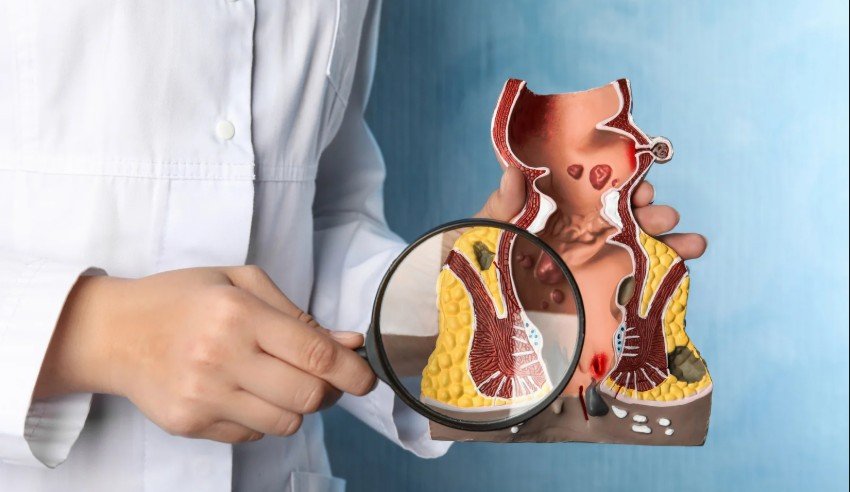
How can you manage hemorrhoids postpartum? Many new mothers find themselves dealing with discomfort, swelling, and itching after childbirth, making recovery even more challenging. What steps can actually bring relief and speed up healing?
Managing postpartum hemorrhoids often involves dietary changes, such as eating more fiber-rich foods and drinking plenty of water, to prevent constipation. Sitz baths, cold compresses, and over-the-counter creams can also help reduce pain and inflammation.
But lasting relief comes from both symptom care and prevention. Gastroenterologist Dr. Priya Patel recommends combining piles post pregnancy home remedies with medical advice for the best postpartum hemorrhoids cure. Ready to learn the most effective strategies for a smoother recovery ? Let’s get started.
What Causes Postpartum Hemorrhoids?
Hemorrhoids are caused by increased pressure on the veins in the rectal area, and childbirth is a key factor in their development. During labor, the body goes through significant physical stress, and pushing during delivery increases pressure in the pelvic and rectal regions. This pressure can lead to the veins around the anus becoming swollen and inflamed, resulting in hemorrhoids.
In addition to the labor process, other factors contribute to the development of postpartum fissures:
- Constipation: Many women experience constipation after childbirth due to hormonal changes and the physical toll of labor. Straining during bowel movements can worsen hemorrhoid symptoms.
- Hormonal Changes: During pregnancy, the body produces the hormone progesterone, which can relax blood vessels and make them more prone to swelling, further contributing to hemorrhoids after delivery.
- Increased Blood Volume: Pregnancy leads to an increase in blood volume, which can put additional strain on the veins, making them more likely to swell and become irritated.
- Prolonged Sitting or Standing: After giving birth, new mothers may spend long periods sitting or standing while caring for their newborn, which can also contribute to hemorrhoids developing or worsening.
Recognizing the causes of hemorrhoids postpartum can help in preventing their development and managing them effectively once they appear.
Symptoms of Postpartum Hemorrhoids
Postpartum hemorrhoids can vary in severity, with symptoms ranging from mild irritation to more severe discomfort. The following are common symptoms associated with hemorrhoids after childbirth:
Pain or Discomfort: Pain in the rectal area, especially when sitting or during bowel movements, is one of the most common symptoms of hemorrhoids postpartum. This pain can be sharp or throbbing.
- Itching or Irritation: Swollen hemorrhoids can cause itching around the anus, leading to significant discomfort.
- Swelling or Lumps: Piles after deliverypiles post pregnancy can cause visible swelling or the formation of lumps around the anus. These lumps may be sensitive or tender to the touch.
- Bleeding: Light bleeding piles post pregnancy, particularly during bowel movements, is a common symptom of hemorrhoids. You may notice blood on toilet paper or in the toilet bowl.
- Mucus Discharge: Sometimes, hemorrhoids can cause a clear or slightly yellow mucus discharge from the rectal area.
If any of these symptoms occur, it’s essential to address them promptly to prevent further complications and improve recovery.
Treating Postpartum Hemorrhoids – Managing Hemorrhoids Symptoms
Managing hemorrhoids postpartum is crucial for the comfort and well-being of new mothers. While some hemorrhoids may resolve on their own, there are several strategies to reduce symptoms and speed up healing:
- Dietary Adjustments: Eating a fiber-rich diet can help prevent constipation, which is one of the main causes of hemorrhoids. Include fruits, vegetables, whole grains, and legumes in your diet to keep stools soft and easy to pass.
- Hydration: Drink plenty of water to prevent dehydration, which can contribute to constipation. Proper hydration is essential for maintaining healthy bowel movements and reducing strain.
- Over-the-Counter Creams and Suppositories: Topical treatments such as hemorrhoid creams or suppositories can help soothe pain and inflammation. These are often available without a prescription and may contain ingredients like witch hazel or hydrocortisone.
- Cold Compress: Applying a cold compress to the affected area can help reduce swelling and numb the area to alleviate pain and discomfort.
- Pain Relievers: Over-the-counter pain relievers, such as ibuprofen or acetaminophen, can help manage the pain associated with postpartum fissures. However, always consult with your healthcare provider before using any medications.
While these treatments are effective for managing hemorrhoid symptoms, incorporating natural remedies can also offer significant relief.
How to Prevent Postpartum Hemorrhoids
Prevention is key to avoiding the discomfort of postpartum hemorrhoids. Here are some practical tips to reduce the likelihood of developing hemorrhoids after childbirth:
- Maintain a Healthy Diet: As mentioned earlier, a high-fiber diet is essential for preventing constipation. Eating foods that promote healthy digestion will help reduce strain during bowel movements and prevent hemorrhoids from forming.
- Stay Active: While resting after childbirth is important, gentle physical activity can help promote circulation and prevent hemorrhoids. Consider taking short walks or performing pelvic floor exercises to improve circulation and reduce pressure on the rectal area.
- Avoid Prolonged Sitting or Standing: Sitting or standing for long periods of time can increase pressure on the veins around the anus. Take breaks to move around and avoid remaining in one position for too long.
- Use the Bathroom When Needed: Don’t hold in bowel movements. Delaying a trip to the bathroom can cause stool to become harder and more difficult to pass, leading to increased pressure on the rectal veins.
- Kegel Exercises: Regular Kegel exercises can strengthen the pelvic floor muscles, which may help prevent hemorrhoids by improving circulation and supporting the rectal area.
Preventing hemorrhoids postpartum is not always possible, but by following these preventive measures, you can reduce the risk and avoid further complications.
Natural Remedies for Hemorrhoids After Birth
For many women, natural remedies offer gentle yet effective ways to manage piles post pregnancy. These remedies can help relieve pain, reduce swelling, and promote healing:
- Sitz Baths: A sitz bath is one of the most effective natural remedies for hemorrhoids postpartum. Soaking in warm water for 15 minutes a few times a day can help soothe the affected area, reduce swelling, and promote blood circulation. Adding Epsom salts or a few drops of essential oils like lavender or chamomile can further enhance the soothing effects.
- Witch Hazel: Witch hazel is a natural astringent that can reduce inflammation and discomfort. Applying witch hazel directly to the affected zone with a cotton ball might provide immediate relief from itching and irritation.
- Aloe Vera: Aloe vera has anti-inflammatory and soothing properties. Applying fresh aloe vera gel to the external hemorrhoids might help reduce swelling and ease pain. It’s a gentle, natural option for postpartum recovery.
- Coconut Oil: Coconut oil has anti-inflammatory and antimicrobial properties. It can be applied directly to hemorrhoids to reduce pain and promote healing.
- Epsom Salt Baths: In addition to sitz baths, full-body Epsom salt baths can help relax the muscles and reduce overall inflammation, including in the rectal area.
Incorporating these natural remedies into your postpartum care routine can significantly alleviate the symptoms of hemorrhoids and speed up recovery.
Effective Hemorrhoid Treatments for Postpartum Women – Sitz Bath is Your Secret Saviour
One of the most highly recommended treatments for hemorrhoids postpartum is the sitz bath. A sitz bath involves sitting in a shallow basin of warm water to soothe the perineal and rectal areas. This simple yet powerful remedy can help alleviate the pain, swelling, and itching associated with hemorrhoids.
To take a sitz bath, follow these steps:
- Fill a clean bathtub or a special sitz bath basin with warm water (not hot, as this could irritate the area).
- Sit in the water for 15–20 minutes, allowing the warm water to soak the affected area.
- After the bath, gently pat the area dry with a soft towel. Avoid rubbing, as this could worsen irritation.
- Repeat this process two to three times a day or whenever discomfort is felt.
Adding Epsom salts or a few drops of essential oils can enhance the benefits of the sitz bath, making it an even more effective treatment for postpartum hemorrhoids.
Common Questions about Causes of Hemorrhoids After Pregnancy (FAQs)
Why do I get hemorrhoids after giving birth?
Hemorrhoids after birth are caused by pressure during delivery and postpartum constipation. Straining, hormones, and prolonged pushing inflame veins—hydrate, eat fiber, and use stool softeners for relief.
What to do if you have hemorrhoids after giving birth?
To relieve postpartum hemorrhoids, soak in a tub or take a sitz bath with warm water 2–3 times daily. Use witch hazel pads, stool softeners, and avoid straining—symptoms usually improve within weeks.
What is the best remedy for hemorrhoids after childbirth?
The best remedy for hemorrhoids (swollen veins inside the rectum) includes sitz baths, witch hazel pads, and fiber-rich diets. Avoid straining; use OTC creams for relief—symptoms typically ease within weeks postpartum.
What if treating hemorrhoids at home doesn’t work?
If home treatments fail, avoid harsh wipes — see a doctor. Prescription creams, rubber band ligation, or minor surgery may be needed for persistent hemorrhoids. Don’t ignore worsening pain or bleeding.
When to see your healthcare provider about postpartum hemorrhoids?
See your provider if hemorrhoids cause severe pain, bleeding, or clots—especially if you breastfeed, as some treatments affect blood flow. Persistent cases may need medical intervention for safe relief.
What are postpartum hemorrhoids?
Postpartum hemorrhoids are swollen veins in the rectum or anus that can occur after childbirth. The increased pressure on these veins during pregnancy and postpartum period, along with the strain of childbirth, can lead to the development of hemorrhoids. They can be either internal or external and may cause discomfort, pain, and bleeding piles post pregnancy.
What causes postpartum hemorrhoids?
Several factors contribute to postpartum hemorrhoids. The increased weight of the uterus and the pressure it exerts on the veins can lead to swelling. Additionally, constipation, which is common after giving birth, can cause individuals to strain during bowel movements, further exacerbating the issue.
What are the symptoms of postpartum hemorrhoids?
Symptoms of postpartum fissures can include pain around the anus, swelling, discomfort during bowel movements, and rectal bleeding. Some women may also experience itching or irritation in the anal area. If any of these symptoms occur, it is advisable to consult a healthcare provider.
How can I treat postpartum hemorrhoids?
There are several treatment options available to help treat postpartum fissures. Over-the-counter creams and ointments can provide temporary relief from pain and discomfort. Sitz baths, which involve soaking in warm water, can also help reduce swelling and soothe the area. Stool softeners may be recommended to avoid straining during bowel movements.
How can I prevent postpartum hemorrhoids?
To prevent postpartum hemorrhoids, it is essential to avoid constipation by maintaining a high-fiber diet that includes whole grains, fruits, and vegetables. Staying hydrated and engaging in gentle physical activity can also promote regular bowel movements. Additionally, using a stool softener might help ease the process of passing stool.
Are hemorrhoids common after giving birth?
Yes, hemorrhoids are a common issue that many women experience after vaginal birth. The hormonal changes during pregnancy, combined with the physical strain of labor, can lead to the development of hemorrhoids. It is important to understand that many women struggle with postpartum hemorrhoids, and seeking treatment can help alleviate the symptoms.
When should I talk to my doctor about hemorrhoids?
If you are experiencing persistent pain, significant rectal bleeding, or if your symptoms worsen despite home treatment, it is important to talk to your doctor. They can provide guidance on the best treatment plan and help manage your symptoms effectively.
Can I manage hemorrhoids at home?
Yes, many women can find relief from hemorrhoids at home through various methods. Applying witch hazel to the affected area, using cold compresses, and taking warm sitz baths can all help reduce swelling and discomfort. However, if symptoms do not improve, consulting a healthcare provider is recommended.
Do postpartum hemorrhoids ever go away?
Postpartum hemorrhoids usually heal within weeks, but chronic cases may persist. Different from anal fissures (tears), they improve with fiber, hydration, and sitz baths. Seek help if pain or bleeding worsens.
Does ice help postpartum hemorrhoids?
Yes, an ice pack reduces swelling and numbs pain from postpartum hemorrhoids. Apply for 10–15 minutes, wrapped in cloth, several times daily. Pair with sitz baths for best relief.
Conclusion
Dealing with hemorrhoids postpartum can be a frustrating and painful experience, but with the right approach, relief is achievable. Understanding the causes, recognizing the symptoms, and following proper postpartum hemorrhoids cure and prevention strategies can help new mothers manage hemorrhoids naturally and effectively. By incorporating simple practices like sitz baths, a fiber-rich diet, and other natural remedies, you can ease your discomfort and speed up recovery. Don’t hesitate to seek advice from a healthcare professional if symptoms persist or worsen, as personalized care may be needed.
Related posts
- 9 Must-Have Postpartum Essentials for Mom Recovery & Baby
- When Can You Take a Bath Postpartum: (How To Do It Safely?)
- How to Tighten Loose Skin After Pregnancy (7 Proven Tips)
- Postpartum Blood Clots When to Worry and What’s Normal
- How Long Does the Postpartum Bleeding Last? (Duration & Care)

