
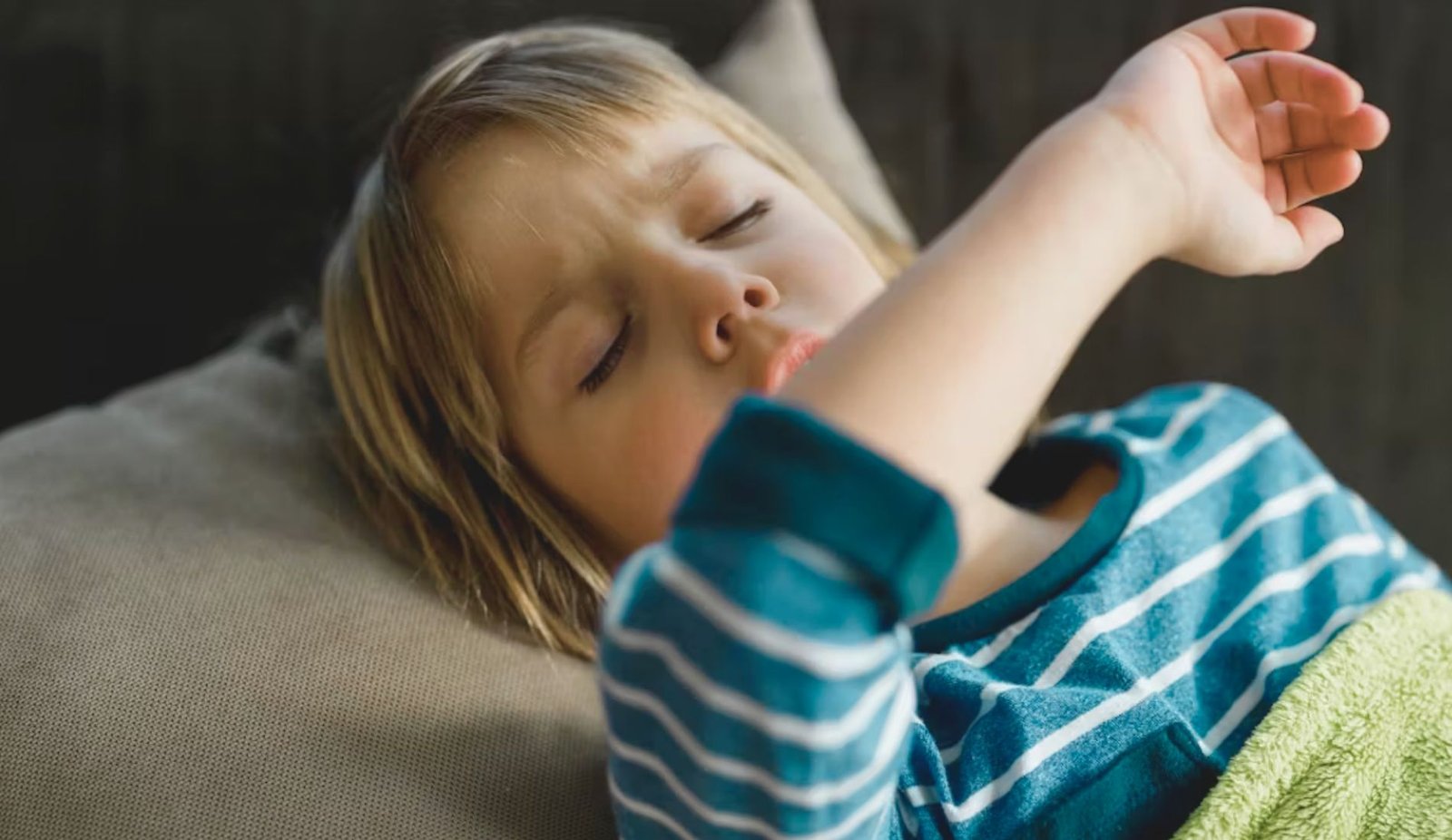
Have you ever noticed your child coughing endlessly at night and wondered if it’s something more than just a common cold? Childhood Asthma Nighttime Cough can be a worrying experience for both parents and kids, often disrupting sleep and signaling deeper breathing issues.
Why does this cough worsen after bedtime, and what can parents do to ease it? Let’s uncover the real reasons behind those sleepless, cough-filled nights. The truth is, nighttime coughing in children with asthma often occurs because their airways become more sensitive and narrow during sleep.
According to studies by the American Academy of Pediatrics, nearly 60% of asthmatic children experience nighttime symptoms, which can indicate poor asthma control. In this article, we’ll explore the causes, symptoms, and expert-backed strategies to manage and prevent nighttime asthma flare-ups effectively.
But that’s just the beginning—Dr. James Li from the Mayo Clinic emphasizes that recognizing triggers early can dramatically improve a child’s quality of sleep and long-term lung health. Curious to know how to help your child breathe freely through the night?
Let’s dive into practical solutions and professional insights that every parent should know.
Is It Normal to Cough at Night with Asthma?
Coughing at night can be a common symptom of asthma in children. It often occurs due to the inflammation and constriction of the airways, which can be exacerbated by allergens or irritants present in the bedroom environment.
While occasional nighttime coughing might not be alarming, persistent childhood asthma nighttime cough can signal a need for medical evaluation and management.
It’s important to note that nighttime coughs may be more frequent during certain seasons or after physical activity. If a child frequently coughs at night, it can disrupt their sleep and lead to fatigue, affecting their overall well-being. Therefore, understanding whether this cough is due to asthma or another issue is crucial.
How to Tell If a Child’s Cough Is Asthma?
Distinguishing between a regular cough and one caused by asthma is crucial for timely and proper treatment. A childhood asthma coughing at night pattern has several identifiable characteristics that set it apart from a typical viral or allergic cough.
1. The cough is dry and persistent.
Unlike coughs caused by colds, which tend to be productive (with mucus), asthma-related coughs are often dry, hacking, and repetitive.
2. The cough worsens at night or early morning.
Asthma coughs frequently follow a pattern — worsening at bedtime, disrupting sleep, and reappearing in the early morning.
3. Wheezing and shortness of breath accompany the cough.
Listen for a high-pitched whistling sound when your child exhales. Wheezing is a hallmark of asthma and indicates airway constriction.
4. The cough appears after exercise or exposure to triggers.
Physical activity, cold air, or allergens can set off a childhood asthma nighttime cough. If your child coughs after running, laughing, or being exposed to dust, asthma might be the cause.
5. The cough improves with asthma medication.
If your child’s cough responds quickly to an inhaler or prescribed asthma medication, this is a strong indicator that asthma is the root cause.
If these patterns sound familiar, it’s important to consult a pediatrician or asthma specialist. Early diagnosis helps prevent the worsening of symptoms and long-term lung damage.
Managing Childhood Asthma Nighttime Cough
Managing childhood asthma nighttime cough requires a combination of environmental control, consistent medication use, and lifestyle adjustments. Parents can take several proactive steps to minimize symptoms and ensure better sleep quality for their children.
1. Control the Bedroom Environment
- Use allergen-proof covers on pillows and mattresses to reduce dust mite exposure.
- Maintain ideal humidity (between 30%–50%) using a humidifier or dehumidifier as needed.
- Keep pets out of the bedroom to prevent dander-triggered coughing.
- Regularly wash bedding in hot water to remove allergens.
- Vacuum and dust the room weekly with a HEPA filter vacuum cleaner.
Creating a clean, allergen-free sleeping environment can significantly reduce childhood asthma cough episodes.
2. Establish a Consistent Bedtime Routine
A calm bedtime routine can minimize anxiety and help the child’s breathing remain steady. Avoid vigorous activity before bed, as this can trigger childhood asthma coughing at night. Instead, try quiet activities such as reading or gentle stretching.
3. Use Asthma Medications Correctly
Ensure your child uses their inhaler as prescribed. For some, this means taking a controller (preventer) medication daily, while others may need a reliever (rescue) inhaler before bedtime or during flare-ups. Using a spacer device can improve medication delivery to the lungs.
4. Identify and Eliminate Triggers
Common triggers include cold air, pollen, pet dander, tobacco smoke, and viral infections. Keep a journal to note when coughing episodes occur — this can help your doctor identify patterns and triggers specific to your child.
5. Keep a Symptom Diary
Record nighttime coughing frequency, intensity, and duration. Note any wheezing or breathing changes. This information helps healthcare providers fine-tune treatment plans to better control childhood asthma nighttime cough.
What Is the 4 4 4 Rule for Asthma in Children?
The 4 4 4 rule is a quick-response action plan for asthma attacks, often taught to parents and caregivers to ensure prompt care during emergencies. It’s especially useful when a child coughing at night suddenly experiences difficulty breathing.
Here’s how it works:
- 4 Puffs of a reliever inhaler (such as salbutamol/albuterol).
- 4 Breaths per Puff. After each puff, the child should take 4 normal breaths.
- Wait 4 Minutes. Observe the child’s breathing.
- If symptoms persist, repeat the steps and seek medical help immediately.
The 4 4 4 rule can be life-saving when used correctly. Parents should always keep the child’s reliever inhaler and spacer within reach — especially at night when childhood asthma coughing at night tends to worsen.
How To Help a Child With Asthma Sleep?
Helping a child with asthma get restful sleep involves careful planning and attention to detail. Here are evidence-based strategies:
- Pre-bedtime Medication: Administer prescribed medications about 30 minutes before bedtime to help prevent nighttime symptoms.
- Elevate the Head Slightly: Sleeping with the head slightly raised can make breathing easier and reduce postnasal drip.
- Monitor Room Temperature: Keep the room comfortably warm but not stuffy. Cold air can trigger a childhood asthma cough, while heat can increase allergens.
- Avoid Strong Scents: Perfumes, candles, and air fresheners can irritate the lungs.
- Use a HEPA Air Purifier: This helps filter airborne allergens that contribute to a child coughing at night.
- Reassure and Calm the Child: Asthma-related coughing can cause anxiety. Gentle reassurance, deep breathing exercises, and a calm bedtime environment can reduce tension and improve sleep quality.
Regular follow-ups with a healthcare provider ensure that your child’s asthma management plan is effective and updated as they grow.
Anti-inflammatory Medicines for Asthma
The cornerstone of asthma treatment is reducing inflammation in the airways. Anti-inflammatory medicines help prevent asthma symptoms and control childhood asthma nighttime cough by calming airway irritation.
1. Inhaled Corticosteroids (ICS)
These are the most effective long-term medications for controlling asthma in children. Examples include budesonide, fluticasone, and beclomethasone. They reduce airway swelling and mucus production, helping to minimize childhood asthma cough at night.
2. Leukotriene Receptor Antagonists (LTRAs)
Medications like montelukast block chemical signals that cause airway inflammation. They are often prescribed when inhalers alone don’t fully control symptoms or when a child has allergic triggers.
3. Combination Inhalers
These inhalers contain both a corticosteroid and a long-acting bronchodilator. They work by keeping the airways open for a longer time, reducing the frequency of childhood asthma coughing at night.
4. Biologic Therapies
For severe or persistent asthma that doesn’t respond to traditional treatment, biologic medicines target specific immune responses involved in airway inflammation. These are typically used under specialist supervision.
Parents should never adjust or stop asthma medication without consulting a healthcare professional. Consistent use of prescribed treatment is essential to prevent both nighttime coughing and daytime flare-ups.
Common Questions about Childhood Asthma Coughing at Night (FAQs)
Can children have asthma attacks while sleeping?
Yes, a child may have an asthma attack while sleeping. Nighttime coughing and wheezing are common signs of asthma, especially if their asthma is not well controlled. This is often called nighttime asthma.
What causes or triggers asthma attacks?
Common triggers include respiratory infections, allergens like dust mites, cold air, and exercise. These irritants trigger asthma symptoms like wheezing. For those with asthma and allergies, exposure to pollen or pet dander can also cause attacks.
What worsening nighttime asthma symptoms in children?
Worsening symptoms include persistent coughing, audible wheezing, and shortness of breath that disrupts sleep. These asthma symptoms may indicate poor control. If a child struggles to speak or breathe, it signals a severe attack needing urgent care.
What are child’s asthma triggers at night?
Key nighttime triggers are allergens in bedding like dust mites, cold air, and a reclined posture. For a child diagnosed with asthma, sinus drainage from a daytime cold can also trigger asthma symptoms during sleep.
How to prevent asthma coughing at night?
To prevent coughing, use controller medications as prescribed. Maintain a clean, allergen-free bedroom and use hypoallergenic bedding. Keeping asthma under control through daily management is the most effective strategy to prevent all nighttime symptoms, including cough.
How to use inhaler for childhood asthma cough?
For a child’s asthma cough, use a quick-relief inhaler. Shake it, exhale, then press the canister to release medicine as they inhale slowly. A spacer device is crucial for children under age 5 to ensure the full dose reaches the lungs.
What are the common asthma symptoms at night?
Common nighttime asthma symptoms include coughing, wheezing, and difficulty breathing. These symptoms may worsen when a child is lying down, as gravity can affect lung function. Identifying these signs early can help manage asthma and prevent nighttime asthma attacks.
How can I help my child with asthma manage nighttime cough?
To help your child manage nighttime cough, ensure their asthma is under control with proper asthma medicine. Follow their asthma action plan, avoid known triggers, and consult their doctor for adjustments in treatment. Consistent follow-up care is essential for effective asthma management.
What should I do if my child has an asthma attack at night?
If your child experiences an asthma attack at night, remain calm and use their inhaler as prescribed. Ensure they are in a comfortable position, and monitor their symptoms closely. If symptoms do not improve, seek emergency medical help immediately.
What are common triggers for asthma symptoms in children?
Common triggers for asthma symptoms in children include allergens like pollen, dust mites, and pet dander. Additionally, respiratory infections and cold air can exacerbate asthma symptoms. Identifying and avoiding these triggers is crucial in managing childhood asthma effectively.
How can an asthma action plan help my child?
An asthma action plan provides clear guidelines for managing your child’s asthma symptoms. It outlines daily management strategies, medication use, and steps to take during an asthma attack. Following this plan helps maintain asthma control and reduces the risk of severe asthma episodes.
What role does sleep medicine play in managing asthma symptoms?
Sleep medicine can help address sleep disturbances caused by asthma symptoms. Proper management of nighttime cough and wheezing through sleep medicine can improve the quality of rest for a child with asthma. Consult with a healthcare provider for tailored recommendations.
Conclusion
A Childhood Asthma Nighttime Cough can be exhausting for both children and parents, but it’s a manageable condition with the right knowledge and care. Recognizing that nighttime coughing is a key indicator of asthma control — or lack thereof — empowers parents to act quickly and effectively.
Through environmental control, regular medication use, and adherence to action plans like the 4 4 4 rule, you can significantly reduce episodes of childhood asthma coughing at night. By creating a supportive sleep environment and maintaining ongoing communication with your child’s healthcare provider, you can help your child breathe easier, sleep soundly, and thrive.
Recommended posts
- 7 Effective Natural Remedies for Childhood Asthma (Proven)
- 7 Subtle Signs of Childhood Asthma Every Parent Misses
- Does Childhood Asthma Go Away Over Time? (Expert Insights)
- 3 Hidden Causes of Childhood Asthma to Avoid (Must-Read)
- Does Anxiety Trigger Asthma Symptoms? (A Surprising Truth)
- How to Relieve Asthma Without Inhaler Safely and Effectively

