Do you know how gross motor skills for each age shape a child’s ability to move, play, and explore the world? From a baby’s first roll to a teenager’s coordinated athletic movements, these skills develop in a clear sequence. Are you tracking the right milestones at the right time?
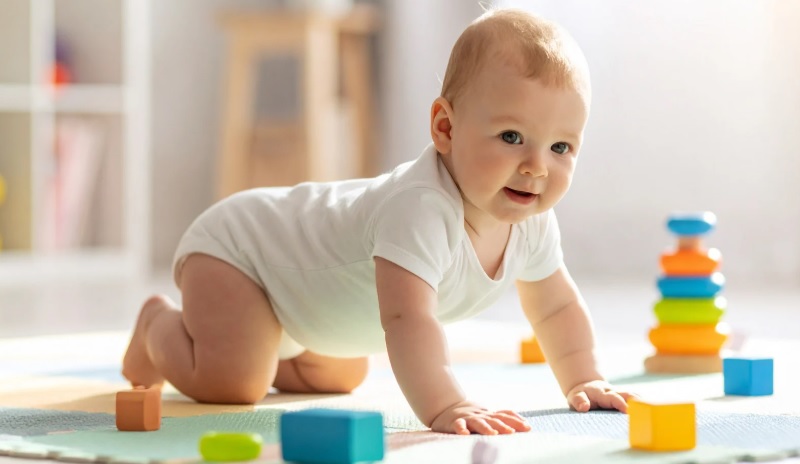
Infants typically roll from back to belly, sit, and crawl within the first year, while toddlers walk, climb, and begin to run between ages one and three. Preschoolers refine balance and coordination through hopping, throwing, and pedaling, and school-age children master complex skills like jumping, sprinting, and team sports. Adolescents then build strength, speed, and precision that support advanced physical performance.
Yet these milestones tell only part of the story. Pediatric experts like the CDC and the American Academy of Pediatrics explain how environment, play, and guidance accelerate healthy motor development at every stage. So, are you ready to explore expert-backed insights on fine and gross motor skills by age and learn how to support them effectively?
What Are Gross Motor Skills?
Child’s gross motor skills refer to movements that involve the large muscles of the body, including the arms, legs, trunk, and core. These skills enable children to perform whole-body movements and maintain posture, balance, and coordination. Examples include sitting upright, crawling, walking, climbing, throwing, and riding a bicycle.
From a developmental perspective, gross motor skills emerge in a predictable sequence, although the exact timing may vary from child to child. They develop through a combination of neurological maturation, muscle strength, sensory integration, and environmental opportunities for movement.
Importantly, gross motor skill development is closely linked to other developmental domains—cognitive, social, emotional, and even language development—making it a cornerstone of early childhood growth.
List Gross Motor Skills for Each Age Examples
Below is a detailed, motor development age by age breakdown of common gross motor milestones. These examples represent typical developmental milestones rather than rigid benchmarks.
0–3 Months
- Lifts head briefly when lying on the stomach
- Turns head side to side
- Makes jerky arm and leg movements
- Brings hands toward mouth
4–6 Months
- Holds head steady without support
- Pushes up on arms during tummy time
- Rolls from stomach to back and back to stomach
- Sits with support
7–9 Months
- Sits independently without support
- Crawls or scoots on the floor
- Transitions from lying to sitting
- Bears weight on legs when supported
10–12 Months
- Pulls to stand using furniture
- Cruises along furniture
- Stands briefly without support
- May take first independent steps
1–2 Years
- Walks independently with improved balance
- Climbs onto and off furniture
- Begins running (often with poor coordination initially)
- Kicks a ball forward
2–3 Years
- Runs more confidently and stops without falling
- Jumps in place with both feet
- Walks up and down stairs with assistance
- Throws a ball overhand
3–4 Years
- Pedals a tricycle
- Hops on one foot briefly
- Walks upstairs alternating feet
- Catches a large ball with arms
4–5 Years
- Skips and gallops
- Hops multiple times on one foot
- Climbs playground equipment confidently
- Throws and catches a ball with greater accuracy
5–7 Years
- Rides a bicycle with training wheels or independently
- Demonstrates improved agility and speed
- Participates in organized sports or games
- Shows strong balance and coordination
This structured list of gross motor skills for each age helps caregivers understand expected progress and tailor activities that support physical development.
What Are Developmental Delays?
A developmental delay occurs when a child does not reach expected milestones within the typical age range. In the context of gross motor skills, delays may present as difficulty with posture, balance, coordination, or strength-based activities.
Common Signs of Gross Motor Delays
- Poor head control beyond infancy
- Inability to sit, crawl, or walk within expected ranges
- Frequent falling or difficulty navigating stairs
- Avoidance of physical play or movement
Developmental delays can result from various factors, including premature birth, low muscle tone, neurological conditions, genetic syndromes, or limited opportunities for active play. Early identification is critical. When concerns arise, pediatricians may recommend further evaluation, physical therapy, or early intervention services.
It is important to note that variation in development is normal. A delay does not automatically indicate a long-term problem, but it does warrant professional attention to ensure the child receives appropriate support.
Fine and Gross Motor Skills by Age – Physical Activity Guidelines
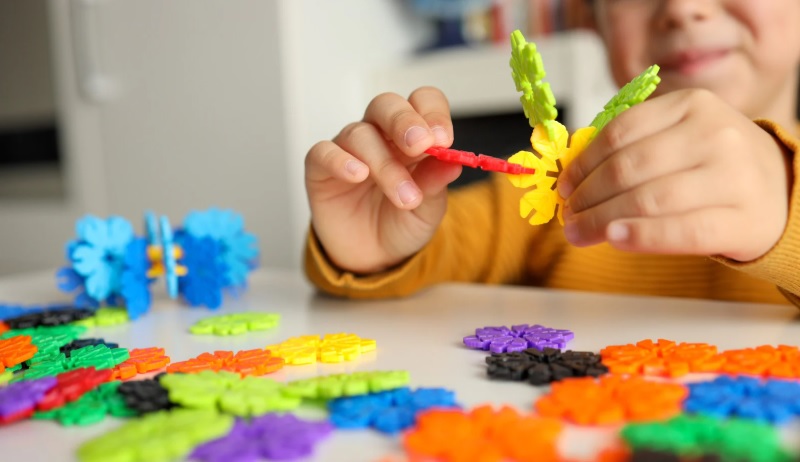
While gross motor skills involve large muscle movements, fine motor skills focus on smaller, precise actions such as grasping, drawing, or buttoning clothing. Both skill sets develop concurrently and support one another.
Age-Appropriate Physical Activity Guidelines
Infants (0–12 Months)
- Daily supervised tummy time
- Free movement on safe floor spaces
- Minimal time restrained in seats or carriers
Toddlers (1–3 Years)
- At least 3 hours of physical activity spread throughout the day
- Activities that include walking, climbing, pushing, and pulling
- Outdoor play whenever possible
Preschoolers (3–5 Years)
- Combination of structured and unstructured physical activity
- Games that promote running, jumping, throwing, and balancing
- Introduction to simple sports skills
School-Age Children (5+ Years)
- At least 60 minutes of moderate to vigorous physical activity daily
- Activities that build endurance, strength, and coordination
- Reduced sedentary screen time
Supporting both fine and gross motor development requires consistent opportunities for movement, age-appropriate challenges, and encouragement rather than pressure. A physically active child is more likely to develop confidence, resilience, and healthy habits that extend into adulthood.
Common Questions about Babies and ToddlersGross Motor Milestones by Age (FAQs)
What are common gross motor skill milestones for each age?
Gross motor skill milestones include newborns lifting their head, babies rolling and learning to crawl on hands and knees, toddlers start walking and strengthen standing on one leg, preschoolers run, jump, and climb, while school-age children refine balance, coordination, and independent walking endurance and stamina.
How can parents develop gross motor skills for each age at home?
Provide varied opportunities to practice walking, crawling, rolling, and climbing with safe spaces and age-appropriate toys; encourage tummy time to strengthen core and lift their head, play ball games to improve reaching gross motor control, and praise effort while gradually increasing task difficulty and balance.
What are examples of gross motor skills when a child learns to crawl and start walking?
Examples of gross motor skills include rolling, pushing up with their arms during tummy time, learning to crawl on hands and knees, pulling to stand, cruising along furniture, taking first steps to start walking, and later skipping, hopping on one leg, throwing, and catching skills.
When should I talk to your child’s pediatric physical or occupational therapist about delays in gross motor skills?
Consult a pediatric physical or occupational therapist if your child shows limited progress, persistent low muscle tone, cannot lift their head by expected age, lacks rolling, sitting, crawling, or independent walking milestones, or demonstrates significant asymmetry; early assessment improves outcomes and informs targeted interventions promptly.
How do gross motor skills develop muscle groups and motor control?
Gross motor skills develop by strengthening large muscle groups through repeated activities: tummy time, crawling, standing, and play that require balance and coordination; progressive challenges improve motor control, posture, and endurance while pediatric guidance or therapist strategies target specific weaknesses and encourage functional independence gradually.
What activities help children learn to push, bend, and strengthen core and leg muscles?
Activities include tummy time and reaching gross motor games, crawling on hands and knees, pushing toys to learn to push and stand, assisted squats to bend safely, stair stepping practice, playground climbing, ball kicking, and supervised play that increases strength, balance, coordination, and confidence rapidly.
How can parents recognize delays in gross motor skills and what behavior indicates concern?
Recognize delays if a child lacks expected milestones, avoids weight bearing, shows poor muscle tone, asymmetrical movements, or persistent frustration during motor tasks; changes in behavior, refusal to try physical activities, or regression warrant evaluation by pediatric specialists or therapist for assessment and early intervention.
When should I include rolling, standing on one leg, or one leg hopping as milestones in assessments?
Include rolling by four to six months, sitting and crawling before standing, standing on one leg in late toddlerhood, one leg hopping during preschool years; use motor skills milestones as guidelines, noting variability, consulting pediatric physical or occupational specialists for personalized evaluation and planning goals.
Conclusion
Gross motor development is a vital component of a child’s overall growth, influencing physical health, independence, and participation in daily life. By understanding Gross Motor Skills for Each Age, parents and caregivers can set realistic expectations, recognize milestones, and identify potential concerns early. Equally important, they can create enriching environments filled with movement, play, and exploration.
Every child develops at their own pace, but informed guidance and proactive support make a measurable difference. With the right knowledge and intentional physical activity, children can build strong foundations for lifelong mobility, confidence, and well-being.Every child develops at their own pace, but informed guidance and proactive support make a measurable difference. With the right knowledge and intentional physical activity, children can build strong foundations for lifelong mobility, confidence, and well-being.
Recommended posts
- 7 Best Fine Motor Skills for 2 Year Olds (To Try at Home)
- 15 Safe Sensory Ideas for 2 Year Olds to Encourage Learning
- Essential Developmental Milestones for Infants 0-12 Months
- CDC Developmental Milestones Checklist by Age (Exclusive)