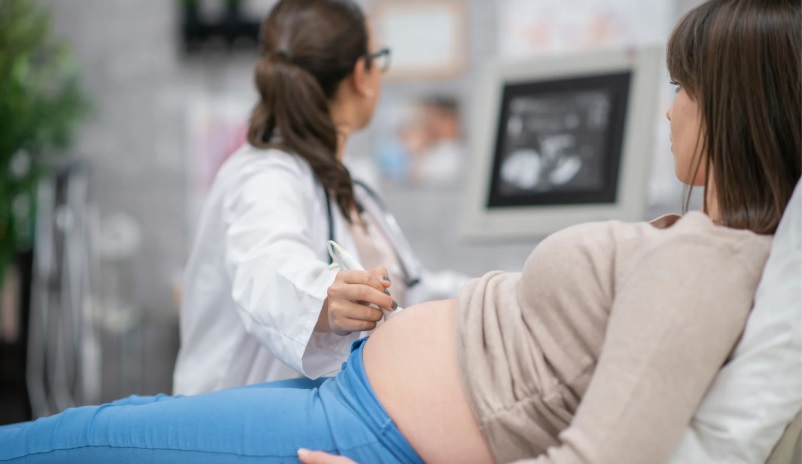
Did you know that women undergoing IVF can still face the risk of ectopic pregnancy? While IVF is designed to help couples overcome infertility, sometimes the embryo implants outside the uterus, most commonly in the fallopian tube. This extremely rare IVF ectopic pregnancy complication can become dangerous if not recognized early.
Ectopic IVF Pregnancy often presents with pelvic pain, vaginal bleeding, and in severe cases, shoulder pain or dizziness due to internal bleeding. Although the chances are low—occurring in roughly 2–5% of IVF pregnancies—doctors stress the importance of early monitoring and regular ultrasound checks. In this article, we’ll cover the main symptoms, risk factors, and fertility treatment approaches to help patients stay informed.
As Dr. Tom Tan from the Cleveland Clinic explains, timely diagnosis during IVF treatment can prevent life-threatening complications and protect future fertility. So, let’s explore in detail what an IVF ectopic pregnancy means, how to identify the warning signs, and the crucial steps every patient should know.
Can You Have an Ectopic Pregnancy with IVF?
Yes, it is possible to have an ectopic pregnancy with IVF. Many people assume that since embryos are directly placed inside the uterus during the IVF process, the risk of an ectopic pregnancy should not exist. However, the reality is more complex.
Even after careful embryo transfer into the uterine cavity, the embryo may migrate and implant in a location outside the uterus, such as the fallopian tube, cervix, ovary, or even the abdominal cavity. This makes IVF ectopic pregnancies medically possible, albeit uncommon.
It’s important to note that women who already have damaged or blocked fallopian tubes due to prior sexually transmitted infections, surgeries, or conditions such as endometriosis are at greater risk. IVF can bypass these issues to achieve fertilization, but the risk of an embryo traveling back into compromised tubes remains.
Refaat B, Dalton E, Ledger WL explore the pathogenic mechanisms and management strategies related to abdominal ectopic pregnancy secondary to in vitro fertilisation-embryo transfer in their study published in Reproductive Biology and Endocrinology.
How Common Are Ectopic Pregnancies in IVF? A systematic review
In natural conceptions, ectopic pregnancies occur in about 1–2% of cases. However, with IVF, the risk increases slightly. Research suggests that ectopic pregnancies after IVF range from 2–5%, though the exact percentage can vary depending on the clinic, patient history, and type of embryo transfer used.
Some studies report even higher risks when multiple embryos are transferred, as the likelihood of one implanting abnormally increases. Advances in single embryo transfer (SET) and ultrasound-guided transfers have reduced these rates significantly in recent years.
While the risk remains relatively low, it is still higher than in natural conception, which is why close monitoring through ultrasound and blood tests in the early weeks of IVF pregnancies is crucial.
What Are the Symptoms of an Ectopic Pregnancy in IVF?
Recognizing the early signs of an ectopic pregnancy after IVF can save lives. Because symptoms often mimic those of a normal early pregnancy, vigilance is key. Here are the most common warning signs:
- Abdominal or pelvic pain – Sharp or cramping pain on one side of the abdomen.
- Unusual vaginal bleeding – Spotting or bleeding that is different from a normal period.
- Shoulder tip pain – Caused by internal bleeding irritating the diaphragm.
- Dizziness or fainting – Due to blood loss or internal bleeding.
- Slow rise of hCG levels – Unlike in normal pregnancies, blood tests may show abnormal hormone progression.
- No gestational sac on ultrasound – Despite positive pregnancy tests, ultrasounds may fail to show an embryo inside the uterus.
Because IVF patients are already under medical supervision, these symptoms are often caught earlier than in natural pregnancies. However, if you experience any of these signs, you should contact your fertility specialist immediately.
IVF Ectopic Pregnancy Risk
The risk of IVF ectopic pregnancy depends on several individual and procedural factors:
- Tubal damage or scarring – Women with prior pelvic inflammatory disease (PID), tubal ligations, or endometriosis are more susceptible.
- Previous ectopic pregnancy – Having a history of ectopic pregnancy significantly increases the likelihood of recurrence, even with IVF.
- Type of embryo transfer – Difficult or high-pressure transfers can sometimes push embryos into the fallopian tubes.
- Multiple embryo transfers – The more embryos placed, the higher the chance one may implant abnormally.
- Maternal age – Older women undergoing IVF have slightly higher risks due to reduced reproductive health.
- Frozen vs. fresh transfers – Some research suggests differences in risks depending on whether embryos are frozen-thawed or freshly transferred, though findings are mixed.
While these factors increase risk, careful medical protocols and close monitoring can dramatically reduce potential complications.
Causes of Ectopic Pregnancy IVF
Understanding the root causes of ectopic pregnancies in IVF helps patients and doctors take proactive measures. Some common causes include:
- Embryo migration – After transfer, embryos may move out of the uterine cavity and into the fallopian tubes.
- Tubal abnormalities – Damaged or dysfunctional tubes allow embryos to implant outside the uterus.
- Hormonal imbalances – Abnormal progesterone or estrogen levels can influence implantation.
- Uterine or cervical scarring – Scarring from surgeries (like C-sections or fibroid removal) may alter normal implantation sites.
- Technique of embryo transfer – Rarely, improper catheter placement or uterine contractions during transfer can displace embryos.
Ultimately, no single cause explains every IVF ectopic pregnancy. Instead, a combination of medical history, reproductive anatomy, and IVF procedure details determines overall risk.
How to Avoid Ectopic Pregnancy with IVF?
Although not all ectopic pregnancies can be prevented, several strategies significantly lower the risk:
Thorough pre-IVF assessment
- Women with a history of tubal disease, surgery, or infections should undergo imaging tests like hysterosalpingography (HSG) or laparoscopy before IVF. Identifying risk factors allows doctors to plan transfers more carefully.
Salpingectomy (removal of damaged tubes)
- In women with severely damaged or fluid-filled fallopian tubes (hydrosalpinx), surgical removal before IVF reduces the risk of ectopic implantation and improves success rates.
Ultrasound-guided embryo transfer
- Real-time ultrasound guidance ensures embryos are placed in the optimal uterine location, minimizing accidental migration.
Single embryo transfer (SET)
- Reduces the risk of multiple abnormal implantations and increases the chance of a healthy pregnancy.
Gentle transfer techniques
- Using soft catheters and minimal pressure prevents embryos from being pushed back into the fallopian tubes.
Close monitoring after IVF
- Regular blood tests to track hCG levels and early ultrasound scans detect abnormal implantations before they become dangerous.
By combining these strategies, fertility specialists can significantly lower the risk of ectopic pregnancies while maximizing the chances of a successful and healthy pregnancy.
Commonly Asked Questions about IVF and Ectopic Pregnancy (FAQs)
What is an ectopic pregnancy?
An ectopic pregnancy occurs when a fertilised egg embryo implants outside the uterus, most commonly in the fallopian tube. This condition can be life-threatening and requires prompt medical attention. The pregnancy cannot progress normally in these cases, leading to complications for the mother.
How does IVF affect the risk of ectopic pregnancy?
In vitro fertilization (IVF) can increase the risk of ectopic pregnancy. Factors such as previous ectopic pregnancies, the health of the fallopian tubes, and the technique used during embryo transfer can contribute to this increased risk. Studies show that women undergoing IVF may experience higher rates of ectopic pregnancies compared to those conceiving naturally.
What are the risk factors for ectopic pregnancy?
Several risk factors can increase the likelihood of an ectopic pregnancy, including previous ectopic pregnancies, pelvic inflammatory disease, endometriosis, and certain surgeries on the fallopian tubes. Additionally, assisted reproductive technology, such as IVF, can also raise the risk of tubal pregnancies.
What is the typical management of ectopic pregnancy?
The management of ectopic pregnancy often involves monitoring hCG levels and may require medication or surgery, depending on the severity and location of the pregnancy. Methotrexate is commonly used to treat early ectopic pregnancies, while more advanced cases may necessitate surgical intervention.
Can an ectopic pregnancy occur after IVF?
Yes, an ectopic pregnancy can occur after in vitro fertilization. This may happen if the embryo implants in the fallopian tube or other sites outside the uterus. It’s crucial for women undergoing IVF to monitor their symptoms and report any unusual abdominal pain or changes.
What are the signs of an ectopic pregnancy?
Common signs of an ectopic pregnancy include abdominal pregnancy pain, vaginal bleeding, and shoulder pain. If you experience these symptoms of ectopic pregnancy following in-vitro fertilization, it is essential to seek medical advice immediately, as early diagnosis is critical for effective management.
What is the incidence of ectopic pregnancy in women undergoing IVF?
The incidence of ectopic pregnancy in women undergoing IVF varies but is generally reported to be higher than in the general population. Research indicates that the rates can range from 2% to 5%, depending on individual circumstances and health factors.
What is the success rate of subsequent pregnancies after an ectopic pregnancy?
Women who have experienced an ectopic pregnancy can still achieve successful pregnancies in the future. However, the success rate may be influenced by the underlying cause of the ectopic pregnancy and the health of the reproductive system. Regular follow-ups and fertility assessments are advised.
What are heterotopic pregnancies, and how do they relate to IVF?
Heterotopic pregnancies occur when one embryo implants in the uterus while another implants outside, typically in a fallopian tube. This condition is rare, but it can happen in women undergoing IVF, particularly with multiple embryo transfers. Early detection is vital for managing both pregnancies safely.
What is the role of hCG levels in diagnosing ectopic pregnancy?
hCG (human chorionic gonadotropin) levels are crucial for diagnosing ectopic pregnancies. In normal pregnancies, hCG levels rise consistently. In ectopic pregnancies, the levels may rise more slowly or plateau, indicating potential issues. Monitoring these levels can help healthcare providers diagnose and manage ectopic pregnancies effectively.
How can women prepare for a pregnancy following IVF?
Women planning a pregnancy pregnancy following in vitro fertilization should consult with their healthcare provider to discuss any potential risks, including ectopic pregnancy. Maintaining a healthy lifestyle, managing stress, and closely monitoring any symptoms can help improve pregnancy outcomes and reduce risks.
What are the effects of methotrexate?
The drug called methotrexate stops rapidly dividing cells, treating ectopic pregnancy, cancer, or autoimmune diseases. Side effects include nausea, fatigue, or liver issues—requires monitoring. It preserves fertility by avoiding surgery in eligible patients.
How long does the blastocyst stage last?
The blastocyst stage lasts about 2–5 days, typically occurring 5–7 days post-fertilization. It ends when the blastocyst implants into the uterine wall, marking the start of embryonic development. Timing is critical for IVF transfer.
Conclusion
An IVF Ectopic Pregnancy can be a daunting complication for couples who have already invested time, money, and emotional energy into their fertility journey. While rare, the risks are higher than in natural conception, making awareness and early detection critical.
By understanding the symptoms, knowing your personal risk factors, and working closely with experienced fertility specialists, you can reduce the likelihood of tubal ectopic pregnancy after in vitro fertilization. Advances in reproductive medicine—such as ultrasound-guided transfers, single embryo transfers, and pre-treatment tubal evaluations—have already made IVF safer and more effective than ever before.
Demirel LC, Bodur H, Selam B, Lembet A, Ergin T. This report discusses a case where laparoscopic surgery was used to treat a rare type of pregnancy called heterotopic cesarean scar pregnancy. The tubal surgery successfully preserved the intrauterine pregnancy, allowing the patient to deliver at term. case report. If you are planning or undergoing IVF, discuss your history and risk profile openly with your doctor. With proper care and vigilance, most women can achieve a safe and healthy pregnancy through IVF while minimizing the risks associated with ectopic implantation.
Related posts
- Heterotopic Pregnancy: Diagnosis, Management & Case Report
- Two Ectopic Pregnancies in a Row: Causes & Success Stories
- Chances of Twins After Ectopic Pregnancy: What Science Says
- Can Missing a Dose of Progesterone Cause Miscarriage IVF?