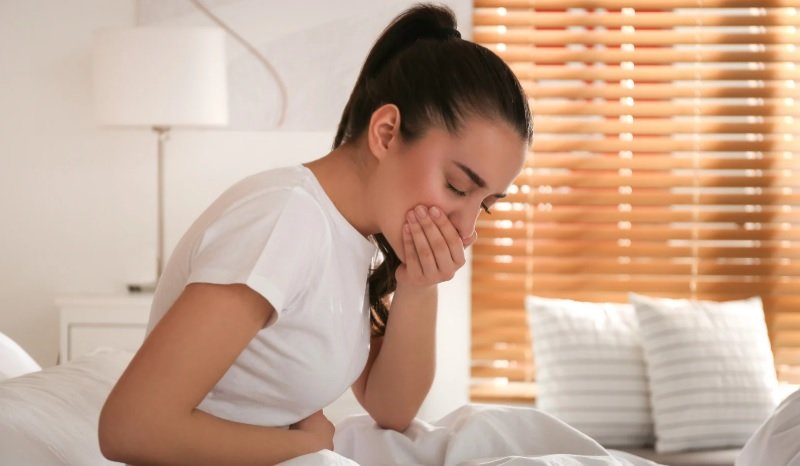
Nausea while ovulating—ever felt unexpectedly queasy right in the middle of your cycle? While many women expect symptoms like bloating or cramps, nausea often comes as a surprise. Is nausea during ovulation a sign of fertility? Let’s explore what might be happening inside your body during this crucial phase.
Yes, nausea can occur during ovulation due to hormonal fluctuations, particularly a surge in estrogen and luteinizing hormone (LH). Some women may also feel light-headed or fatigued around this time. Experts like Dr. Mary Jane Minkin, a Yale OB-GYN, confirm that mid-cycle nausea is a real, albeit lesser-known, symptom of ovulation.
But hormonal shifts aren’t the only culprits. Could diet, stress, or underlying conditions be making it worse? Don’t miss what specialists and real case studies reveal. Let’s dive into the complete picture of why ovulation could be turning your stomach—and what you can do about these side effect.
Can Ovulation Cause Nausea?
Does ovulation cause nausea? Ovulation can cause nausea for some women due to the hormonal fluctuations that occur during this phase of the menstrual cycle. When a woman ovulates, her body experiences a spike in luteinizing hormone (LH) and estrogen, which can lead to feelings of nausea.
This hormonal surge can also affect the digestive system, potentially causing discomfort that manifests as nausea. Women may experience ovulation symptoms such as cramping, breast tenderness, and nausea around ovulation, which can be indicative of their body preparing for potential fertilization.
Additionally, the physical changes associated with the release of an egg white from the ovary can further contribute to feelings of nausea. The ovary expands and contracts, which may lead to ovulation pain, discomfort, or nausea.
For those tracking their ovulation, it’s crucial to note these symptoms as they can provide insight into reproductive health and fertility. Understanding these signs can help women better manage their menstrual cycles and improve their chances of getting pregnant.
Is Nausea While Ovulating Normal?
Can you feel nausea during ovulation? Nausea while ovulating is considered a normal symptom for some women, although not all will experience it. Many women report feelings of nausea during the ovulatory phase of their menstrual cycle, and it can vary in intensity.
For some, it may be a mild discomfort, while others might experience more pronounced nausea and even vomiting. It’s essential to recognize that every woman’s body is different, and the experience of ovulation can vary significantly from one person to another.
In most cases, nausea around ovulation is not a cause for concern and can be attributed to the natural hormonal changes accompanying ovulation. However, if the feelings of nausea persist or become severe, it may be beneficial to consult a healthcare provider. They can evaluate whether the nausea is related to ovulation or if there are other underlying causes.
Tracking symptoms and understanding the normal signs of ovulation can help women differentiate between typical menstrual cycle experiences and those that may require medical attention.
Why you Might Feel Nauseous During Ovulation
There are several reasons why a woman might feel nauseous during ovulation, primarily linked to hormonal changes. As the body prepares to ovulate, levels of estrogen and luteinizing hormone fluctuate, which can impact various bodily functions, including the digestive system.
These hormonal changes can lead to increased sensitivity in the stomach, causing nausea. Additionally, some women may experience heightened sensitivity to smell, which can exacerbate feelings of nausea.
Another factor contributing to ovulation nausea is the physical discomfort associated with ovulation pain. As the egg is released from the ovary, some women may experience cramping or twinges, which can also lead to feelings of nausea.
Changes in cervical mucus during ovulation can further indicate that a woman is at her fertile peak, but they may also coincide with nausea. Recognizing these interconnected signs can help women better understand their bodies and the symptoms they experience during ovulation.
Causes of Nausea During Ovulation:
Nausea while ovulating can stem from various causes related to hormonal changes and physical sensations. One primary cause is the surge of estrogen and luteinizing hormone, which can alter the body’s normal homeostasis and impact the digestive system.
These hormonal fluctuations may lead to feelings of nausea or digestive discomfort, particularly in women who are sensitive to these changes.
Additionally, the process of ovulation itself can be physically taxing. when ovaries releases an egg can cause mild cramping or abdominal pain, which may trigger nausea in some women. Furthermore, pre-existing digestive issues can also exacerbate the feelings of nausea during ovulation.
Women with sensitive stomachs or conditions like bloating may find that ovulation coincides with increased discomfort. Understanding these causes can help women manage symptoms and determine when to seek medical advice.
Prevention of Nausea During Ovulation
Preventing nausea during ovulation involves understanding the triggers and managing symptoms effectively. Maintaining a balanced diet and staying hydrated can help mitigate nausea symptoms.
Women may find relief by consuming smaller, more frequent meals that are low in fat and high in protein. Additionally, tracking ovulation through methods like basal body temperature or changes in cervical mucus can help women prepare for the potential symptoms they may experience, allowing for better management strategies.
Stress management techniques can also play a crucial role in preventing nausea during ovulation. Engaging in relaxation exercises, yoga, or meditation can help balance hormonal fluctuations and reduce the likelihood of feeling nauseous.
Moreover, monitoring and adjusting activity levels around the time of ovulation can ensure that women are taking care of their bodies and minimizing discomfort. By implementing these prevention strategies, women can better navigate their menstrual cycles and reduce the impact of ovulation nausea.
Treating Ovulation Nausea at Home
Treating ovulation nausea at home can involve several effective strategies. One of the simplest methods is to stay hydrated, as dehydration can worsen nausea.
Drinking ginger tea or consuming ginger products may also help alleviate feelings of nausea due to its natural anti-nausea properties. Additionally, over-the-counter medications specifically designed to relieve nausea can be beneficial for some women, but it’s always advisable to consult a healthcare provider before taking any medication.
Creating a comfortable environment can also help manage nausea during ovulation. This includes finding a cool and quiet space to relax, as stress and overstimulation can exacerbate nausea. Engaging in light activities such as walking or stretching can help ease discomfort.
Ultimately, each woman’s experience with ovulation nausea is unique, and it may take time to identify the most effective home treatment options. Keeping track of symptoms and responses to various remedies can guide women in finding the best strategies for their individual needs.
Frequently Asked Questions About Nausea Around Ovulation (FAQs)
Is nausea during ovulation normal?
is it normal to feel nausea during ovulation? Yes, mild nausea during ovulation is normal due to hormonal shifts. Ovulation doesn’t mean you’re pregnant, but if you’re feeling severe nausea, consult a doctor to rule out other causes.
What are the other signs and symptoms of ovulation?
Common ovulation signs include mild pelvic pain (mittelschmerz), increased clear, stretchy cervical mucus, a slight rise in basal body temperature, breast tenderness, bloating, and heightened libido.
Can nausea be a common ovulation symptom?
Yes, nausea can be a common ovulation symptom for some individuals. Hormonal changes during ovulation may contribute to nausea, leading to symptoms like nausea and vomiting.
What does nausea during ovulation mean for fertility?
Nausea during ovulation does not necessarily indicate that you’re pregnant. It is often linked to hormonal fluctuations but can also be a sign that you’re ovulating, which is essential for fertility.
How can I track ovulation to understand my symptoms better?
You can track ovulation using various methods, including ovulation predictor kits, tracking your menstrual cycle, and noting common ovulation signs and symptoms like changes in cervical mucus, basal body temperature, and any nausea you may experience.
Is nausea after ovulation a sign that I might be pregnant?
While nausea can occur after ovulation, it doesn’t necessarily mean you’re pregnant. Nausea may also be caused by other factors, and severe nausea can sometimes indicate another underlying issue.
What are the hormonal changes during ovulation that may lead to nausea?
During ovulation, there is a surge in hormones like LH (luteinizing hormone) and estrogen, which can affect your body and may lead to nausea in some individuals.
When in my cycle should I expect to feel nausea if it’s related to ovulation?
Nausea related to ovulation typically occurs around the day of ovulation and may also be felt on the days leading up to ovulation due to hormonal fluctuations.
Can stress or anxiety contribute to nausea during ovulation?
Yes, stress and anxiety can impact your hormonal balance and may lead to symptoms of nausea during ovulation, especially if you’re actively trying to get pregnant.
How long does nausea last during the ovulation period?
Nausea associated with ovulation is usually temporary and may last for a few hours to a day after ovulation occurs, depending on each individual’s response to hormonal changes.
What should I do if nausea is severe during ovulation?
If you’re experiencing severe nausea during ovulation, it is advisable to consult a healthcare professional to rule out any potential issues and discuss your symptoms in detail.
Do all women experience nausea as a symptom of ovulation?
No, not all women experience nausea as a symptom of ovulation. While it is common for some, there are many other ovulation signs that individuals may notice, and experiences can vary widely.
Does nausea and ovulation mean you’re pregnant?
Nausea during ovulation doesn’t mean you’re pregnant—it’s often hormonal. However, if accompanied by missed periods, fatigue, or frequent urination, take a pregnancy test to confirm.
How to stop nausea during ovulation?
If you experiences nausea during ovulation, drink plenty of water, eating small, bland meals, ginger tea, and over-the-counter anti-nausea medications. Resting in a quiet, dark room may also help.
Conclusion
Feeling nausea while ovulating is a common experience for many women and can be attributed to hormonal changes and physical sensations associated with the ovulation process. While nausea during ovulation is often a normal symptom of the menstrual cycle, it can vary significantly from person to person. Understanding the potential causes, prevention strategies, and home treatments can empower women to manage their symptoms effectively and make informed decisions about their reproductive health.
For those actively tracking fertility, recognizing nausea as a possible sign of ovulation can aid in identifying the fertile window and enhancing the chances of conception. If nausea persists or becomes severe, seeking advice from a healthcare provider is essential to rule out any underlying issues. Ultimately, knowledge is power, and being informed about the signs and symptoms of ovulation can lead to better health outcomes and a more comfortable experience throughout the menstrual cycle.
Recommended posts
- Things to Do or Avoid While Taking Clomid (Dos & Don’ts)
- Bloating During Ovulation: What’s Normal and What’s Not?
- What Is DPO in Pregnancy? and Why Early Detection Matters
- Headaches During Ovulation: Causes, Symptoms & Quick Fixes