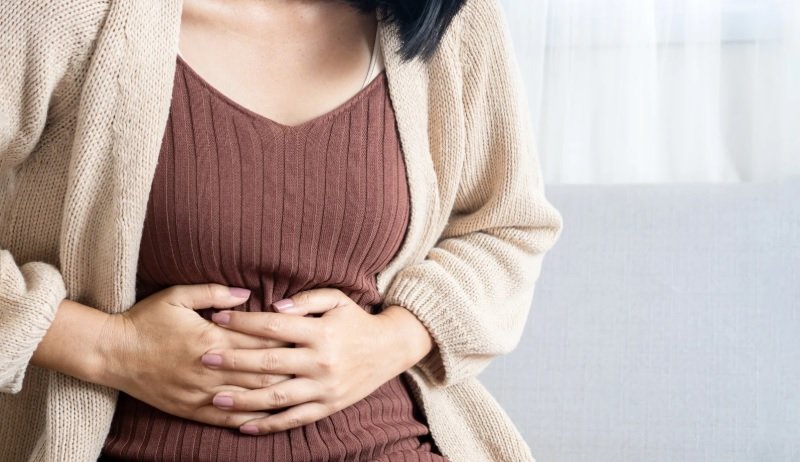
Noticed your jeans feeling tighter in the middle of your cycle? Bloating during ovulation is a common and often frustrating symptom many women experience. But what actually causes this sudden puffiness?
Around ovulation, rising estrogen and luteinizing hormone (LH) can lead to water retention and digestive changes. Some women also experience mild inflammation as the ovary releases an egg. According to Dr. Lara Briden, a women’s health expert, hormonal shifts can trigger temporary bloating, cramping, or even mild weight gain.
But don’t worry—this mid-cycle bloating doesn’t last long. So, what can you do to feel better and reduce the discomfort? Let’s explore the reasons behind ovulation bloating and how to manage it with simple, effective tips.
Can Ovulation Cause Bloating?
Is it normal bloating while ovulating? Ovulation can cause bloating, and it is a symptom many women experience. Around the time of ovulation, fluctuations in hormones such as estrogen and luteinizing hormone can lead to fluid retention in the abdominal area.
As these hormonal changes take place, the body may retain more fluid than usual, resulting in an uncomfortable sensation of fullness or pressure. This process can lead to bloating, often accompanied by other common symptoms like mild abdominal pain or cramping, known as mittelschmerz.
Understanding that ovulation may cause bloating can help women identify this normal part of their menstrual cycle. Additionally, the timing of these hormonal changes is critical. For many women, the bloat is most noticeable just before and during ovulation and can last for several days. While some may experience only mild symptoms, others may feel significantly bloated during ovulation.
Recognizing this pattern can help women differentiate between normal ovulation bloating and symptoms that might indicate other health issues, such as premenstrual syndrome (PMS) or conditions like polycystic ovary syndrome (PCOS).
What Causes Ovulation Bloating? (causes of ovulation bloating)
Ovulation bloating is primarily caused by hormonal changes that occur during the menstrual cycle. As the body prepares for potential ovulation, levels of estrogen increase, which can affect fluid retention in the body.
This hormone can lead to changes in the digestive system, causing the stomach to feel distended or uncomfortable. Additionally, the release of the egg from the ovary can cause a slight increase in abdominal pressure, leading to a sensation of fullness or discomfort. These combined effects contribute to the experience of bloating during ovulation.
Moreover, certain lifestyle factors can exacerbate ovulation bloating. For instance, a diet high in salt can lead to increased fluid retention in the body, making bloating more pronounced.
Stress and lack of physical activity can also contribute to digestive issues, leading women to feel more bloated during ovulation. Understanding these contributing factors can help women take proactive steps to manage their symptoms and reduce the discomfort associated with ovulation bloating.
What are the Signs of Ovulation?
Recognizing the signs of ovulation can help women understand their menstrual cycle better. Common signs include changes in cervical mucus, which becomes clearer and more elastic as ovulation approaches.
Many women also notice a slight increase in basal body temperature, which can be monitored daily to pinpoint ovulation. Additionally, some may experience ovulation pain, characterized by sharp pain on one side of the abdomen, known as mittelschmerz pain. These signs collectively indicate that ovulation is occurring, which may also coincide with feelings of bloating.
In addition to these physical signs, emotional changes can occur around ovulation, including heightened libido and mood swings due to fluctuating hormone levels.
Being aware of these signs can empower women to track their cycles accurately, helping them differentiate between normal ovulation symptoms and those that may require further investigation. Understanding the signs of ovulation is crucial for women who wish to manage their menstrual health effectively.
Symptoms of Bloating During Ovulation
Symptoms of bloating during ovulation typically include abdominal fullness, discomfort, and occasional sharp pains. Many women report feeling bloated during ovulation, which can be accompanied by a sense of heaviness in the abdominal area.
Symptoms of Ovulation Bloating:
- Abdominal Fullness – A sensation of tightness or swelling in the lower abdomen.
- Mild Distension – Slight visible puffiness or bloating around the belly.
- Gas & Discomfort – Increased gas production leading to cramping or pressure.
- Water Retention – Hormonal shifts may cause temporary fluid retention, making you feel heavier.
- Changes in Digestion – Some women experience constipation or loose stools around ovulation.
When to See a Doctor:
If bloating is severe, persistent, or accompanied by intense pain, nausea, or irregular bleeding, consult a healthcare provider to rule out conditions like ovarian cysts or endometriosis.
Ovulation bloating is usually mild and subsides within a day or two. Tracking your cycle can help identify patterns and manage symptoms better!
This bloating may vary in intensity, with some women experiencing mild discomfort while others might encounter more severe bloating during ovulation. Additionally, changes in bowel habits, such as constipation or diarrhea, may accompany these symptom of ovulation bloating due to hormonal fluctuations that impact digestion.
Differences Between Ovulation Bloating and Premenstrual Bloating
Understanding the differences between ovulation bloating and premenstrual bloating can aid in effective symptom management. Ovulation bloating typically occurs around the midpoint of the menstrual cycle, coinciding with the release of an egg.
This type of bloating is often associated with hormonal changes that occur during ovulation. In contrast, premenstrual bloating usually manifests in the days leading up to menstruation and is often more pronounced due to the buildup of hormones like progesterone, which may lead to increased fluid retention. Moreover, while both types of bloating can cause discomfort, the timing and intensity of symptoms may vary significantly.
Ovulation bloating often resolves quickly as the ovulation phase ends, while premenstrual bloating may persist until menstruation begins.
Women may also experience additional symptoms related to premenstrual syndrome (PMS), such as mood swings, fatigue, and breast tenderness, which are less common during the luteal phase. Recognizing these differences can empower women to better understand their bodies and manage their menstrual health.
Managing Bloating During and After Ovulation
Managing bloating during and after ovulation can be achieved through several lifestyle modifications. Staying hydrated is crucial, as drinking plenty of water can help reduce bloating by flushing out excess sodium from the body.
Additionally, incorporating a balanced diet rich in fruits, vegetables, and whole grains can support digestive health and minimize bloating. Engaging in regular physical activity can also enhance circulation and promote healthy digestion, alleviating discomfort associated with ovulation bloating.
Furthermore, relaxation techniques such as yoga or meditation can help manage stress, which may contribute to digestive issues. Some women find relief from abdominal bloating through gentle abdominal massages or warm compresses, which can help relax tense muscles.
It’s essential for women to listen to their bodies and identify what works best for them in managing bloating during ovulation, as individual experiences may vary significantly.
Tips For Managing Severe Bloating During Ovulation
For those who experience bloating during ovulation, specific strategies can help alleviate discomfort. First and foremost, women should consider dietary adjustments, including reducing salt intake to minimize fluid retention.
How to Manage Ovulation Bloating:
✔ Stay Hydrated – Helps reduce water retention.
✔ Limit Salt & Processed Foods – Excess sodium worsens bloating.
✔ Exercise Lightly – Gentle movement (walking, yoga) aids digestion.
✔ Eat Fiber-Rich Foods – Supports regular bowel movements.
✔ Consider Herbal Teas – Peppermint or ginger tea may ease discomfort.
Foods high in magnesium supplement, and potassium, such as bananas and avocados, can help balance sodium levels and promote healthy fluid regulation. Additionally, smaller, more frequent meals can ease digestive strain and prevent excessive bloating.
Commonly Asked Questions about Managing Abdominal Bloating and Ovulation Pain (FAQs)
Does ovulation cause bloating?
Yes, ovulation can cause bloating due to hormonal shifts (like rising estrogen) and fluid retention. It’s usually mild and resolves within a few days.
Which hormone causes bloating during ovulation?
Estrogen is the main hormone causing bloating during ovulation. Its peak levels trigger water retention, leading to temporary bloating—common but usually mild and short-lived.
How to reduce bloating during or after ovulation?
To reduce bloating during or after ovulation, drink water, limit salt, eat potassium-rich foods, and exercise. Herbal teas (peppermint, ginger) may also help ease discomfort.
Can you get bloated during ovulation?
Do you bloat during ovulation? Bloating while ovulating is common due to hormonal changes and fluid retention. It’s usually mild and temporary, lasting 1–2 days.
Is it normal to be bloated during ovulation?
Is it normal to bloat during ovulation? Yes, bloating during ovulation is normal due to hormonal changes. Rising estrogen can cause water retention, leading to bloating. It typically lasts a few days and resolves after ovulation.
Do you get bloated during ovulation?
Yes, bloating can occur during early pregnancy due to hormonal changes. Rising estrogen levels may cause water retention, leading to bloating. This is normal and usually subsides after ovulation ends.
What are the common causes of bloating during ovulation?
Bloating causes during ovulation include hormonal changes, fluid retention over the menstrual cycle, and the release of the egg from the ovary, which can lead to discomfort and a feeling of fullness.
When should I be concerned about bloating during ovulation?
While bloating is common during ovulation, if it is severe, persistent, or accompanied by other concerning symptoms such as severe pain or unusual bleeding, it is advisable to consult a healthcare professional for further evaluation.
How long does ovulation bloating last for?
Ovulation bloating typically lasts 1–3 days, coinciding with the ovulation phase. Hormonal shifts cause water retention, but bloating usually subsides once estrogen levels drop post-ovulation.
Conclusion
Bloating during ovulation is a common experience that many women encounter due to hormonal changes throughout the menstrual cycle. While it can manifest as a mild discomfort, understanding the normal symptoms and causes of ovulation bloating can empower women to manage their health better. By recognizing the signs of ovulation and differentiating between ovulation bloating and premenstrual bloating, women can take proactive steps to alleviate discomfort. Lifestyle modifications, dietary adjustments, and stress management techniques can all play a crucial role in managing bloating during and after ovulation. Ultimately, being in tune with one’s body is key to navigating the complexities of the menstrual cycle.
You might also like
- Does Cramping During Ovulation Mean Pregnancy? (The Truth)
- Can You Ovulate Twice in a Month? The Surprising Truth!
- Bleeding During Ovulation: Spot Causes, Symptoms & What It Means
- Can Ovulation Cause Constipation? Why It Happens & What to Do
- Endometriosis and Diarrhea During Ovulation (Best Treatment)
- Ovulation Weight Gain: Is it Normal & What to Expect?