
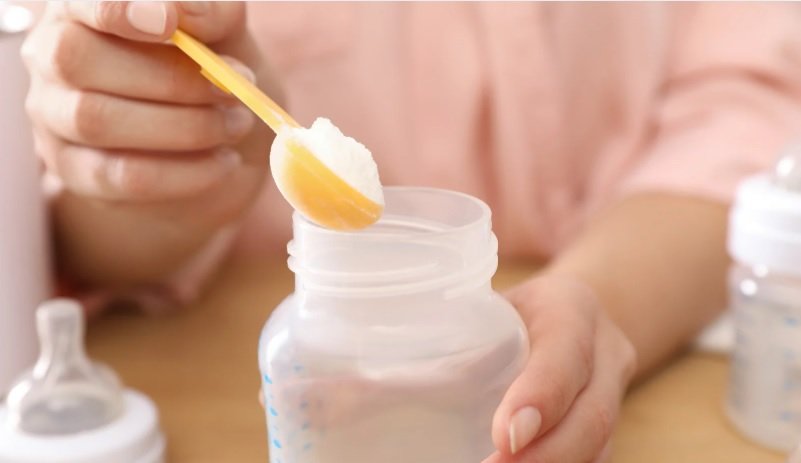
In an era where parents are increasingly mindful of the ingredients in their children’s food, the concept of creating a Homemade Infant Formula can seem appealing. The desire for control, transparency, and a “natural” approach is understandable.
However, this well-intentioned trend is fraught with severe and potentially life-threatening risks. Leading health organizations like the American Academy of Pediatrics (AAP), the Food and Drug Administration (FDA), and the Centers for Disease Control and Prevention (CDC) unanimously and strongly warn against the use of homemade baby formula.
This article delves deep into the critical safety concerns, explaining the precise science behind these warnings to help parents make a fully informed and safe choice for their most vulnerable family members.
Is Homemade Infant Formula Safe?
The short and unequivocal answer is no, homemade infant formula is not safe. While the intention behind making formula from scratch often stems from a place of love and concern, the execution is inherently dangerous.
Commercial infant formulas are not merely food; they are scientifically engineered life-support systems. They are produced under stringent, sterile conditions and are subject to rigorous FDA regulations that ensure they meet the specific nutritional and safety standards required for infant survival and growth.
Homemade formulas, often based on recipes found online using ingredients like powdered cow’s milk, Karo syrup, or raw milk, cannot replicate this precision. They are typically mixed in non-sterile home kitchens, creating an immediate risk of bacterial contamination.
More fundamentally, they almost always fail to provide the exact balance of nutrients—such as iron, vitamin D, calcium, and protein—that a baby needs to develop a healthy brain, bones, and organs. The perceived safety and benefits of homemade formula are a dangerous misconception.
Risks of Homemade Baby Formula Recipes
The risks associated with homemade newborn formula recipes are significant and multifaceted. Relying on these unregulated concoctions can lead to a cascade of serious health problems.
- Nutritional Deficiencies and Imbalances: This is the most common and insidious risk. A deficiency in a single nutrient can have permanent consequences.
- Iron-Deficiency Anemia: Severe anemia can lead to developmental delays, cognitive deficits, and fatigue.
- Hypocalcemia (Low Calcium): This can cause seizures and poor bone mineralization, leading to rickets.
- Vitamin D Deficiency: Also linked to rickets, as well as weakened immune function.
- Incorrect Sodium/Potassium Levels: This can disrupt critical cellular functions and electrolyte balance, potentially leading to heart and neurological issues.
- Foodborne Illness and Contamination: An infant’s immune system is immature and ill-equipped to fight off pathogens. Homemade formula can be contaminated with harmful bacteria like:
- Salmonella, E. coli, and Listeria. These can cause severe, dehydrating diarrhea, vomiting, and in worst-case scenarios, sepsis and death.
- Improper Absorption: The nutrient profiles in whole baby foods or animal milk are not designed for the human infant gut. For example, the high protein and mineral content in straight cow’s milk can stress a baby’s kidneys and prevent the proper absorption of iron.
- Choking Hazards: Some online homemade formula recipe for infants include dangerous additions like date paste or other solids that are not appropriate for young infants, posing a serious choking risk.
Why are a Baby’s Nutritional Needs so Specific?
The first year of life is a period of unprecedented growth. A baby’s birth weight typically triples by their first birthday, and their brain undergoes rapid development. This explosive growth requires a perfect storm of nutrients in exact quantities.
- Brain Development: The brain needs specific fats (like DHA and ARA), iron, zinc, and choline to build neurons and connections. A shortage during this critical window can lead to lifelong impacts on cognitive function.
- Bone Growth: To build a strong skeleton, babies need precise amounts of calcium, phosphorus, vitamin D, and magnesium. An imbalance can lead to soft, weak bones (rickets).
- Organ Function: Tiny kidneys and a developing liver cannot process the high loads of protein and minerals found in regular cow’s milk or other homemade formula bases.
- Iron Stores: Babies are born with a reserve of iron that is depleted around 6 months of age. Commercial formula is fortified with highly bioavailable iron to prevent deficiency, which is nearly impossible to achieve safely at home.
Commercial formulas are the product of decades of scientific research to mimic the gold standard of infant nutrition: breast milk. They are not a simple recipe; they are a complex, bioavailable nutritional suspension.
Is Raw Milk Safe for Babies?
Absolutely not. The use of raw (unpasteurized) milk in any homemade infant formula is exceptionally dangerous and should be avoided at all costs. Pasteurization is a process that uses heat to kill harmful bacteria without significantly compromising the nutritional value of the milk.
Raw milk can contain a host of dangerous pathogens, including E. coli, Listeria, Salmonella, and Campylobacter. For an adult with a mature immune system, these might cause a severe illness.
For an infant, they can be fatal. The CDC, FDA, and AAP all explicitly state that children, pregnant women, the elderly, and those with compromised immune systems should never consume raw milk or products made from it. Using it as a base for infant formula is a direct gamble with a baby’s life.
Warning: Don’t Make Homemade Formula
This cannot be stated strongly enough: Do not make or use homemade infant formula. The risks of severe malnutrition, lifelong developmental delays, and acute, life-threatening illness far outweigh any perceived benefit.
If you are considering homemade formula due to:
- Cost: Please contact local agencies like WIC (Women, Infants, and Children), food banks, or community health centers. They can provide support and access to safe, commercial formula.
- Supply Chain Issues: During shortages, pediatricians are your best resource. They can help you locate safe formula and may have samples. Do not dilute formula to make it last longer, as this also causes dangerous nutritional imbalances and water intoxication.
- Distrust of Ingredients: Speak with your pediatrician about certified organic formulas or other specialized options that meet FDA standards. They can help you find a commercial product that aligns with your values while keeping your baby safe.
Feeding tips from the American Academy of Pediatrics:
The AAP provides clear, evidence-based guidance to ensure infants receive the nutrition they need to thrive.
- Breastfeeding: Exclusive breastfeeding is recommended for about the first 6 months, followed by continued breastfeeding as complementary foods are introduced for one year or longer, as mutually desired by mother and baby.
- Infant Formula: If breastfeeding is not possible or is supplemented, commercially produced infant formula that is iron-fortified is the only safe and recommended alternative for the first year of life.
- Transition to Milk: Whole cow’s milk can be introduced after your baby’s first birthday, when their digestive system is more mature and their primary nutrition comes from solid foods.
- Consult Your Pediatrician: Always talk to your child’s doctor about feeding. They can guide you on choosing a formula, address concerns about allergies (e.g., recommending hydrolyzed formulas), and provide advice tailored to your baby’s unique health needs.
Commonly Asked Questions about the Risk of Infant Formula Homemade (FAQs)
Why can’t I make my own formula or use regular milk or milk substitutes from the dairy aisle?
Making your own formula or using regular milk or substitutes is unsafe for infants. They require a specific nutrient profile that milk-based formula provides, ensuring proper growth and development. Homemade alternatives may lead to nutritional deficiencies.
What are infant formula label ingredients?
Infant formula labels typically include ingredients like milk-based formula, vegetable oils, lactose, vitamins, and minerals. These components are specifically formulated to meet the nutritional needs of infants, ensuring they receive essential nutrients for healthy growth.
Can I use toddler formula for babies under 12 months old?
No, toddler formula is not suitable for babies under 12 months. Infant formulas are specifically designed to meet the nutritional needs of younger babies, while toddler formulas lack essential nutrients required for infants’ growth and development.
What is homemade infant formula?
Homemade infant formula is a homemade alternative to commercial baby formula, designed to meet the nutritional needs of infants. It typically uses ingredients like whole milk, goat milk, or homemade whey, but it’s crucial to ensure it meets the nutrient profile of mother’s milk.
Is homemade infant formula safe?
Safety is a primary concern with homemade infant formulas. The Food and Drug Administration (FDA) warns that homemade formulas may lack essential nutrients and can contain harmful bacteria, making it crucial to consult a healthcare professional before considering homemade options.
What are common homemade infant formula recipes?
Common infant formula homemade recipes might include ingredients like whole raw cow’s milk, goat’s milk, or a combination of milk substitutes. However, recipes should be developed carefully to ensure they meet the nutritional requirements of growing infants, especially for those under 1 year old.
How do I make homemade formula for my baby?
To make homemade formula for your baby, consider using whole raw cow’s milk or goat’s milk combined with homemade whey. Always consult with a pediatrician to ensure the recipe for homemade formula meets the dietary needs of your infant and adheres to safety guidelines.
What ingredients are recommended for homemade baby formula?
Recommended ingredients for homemade baby formula include whole milk, raw milk products, and homemade whey. It’s essential to create a balanced formula that mimics breast milk’s nutrient profile. Always consult pediatric guidelines for safe ingredient use.
Can I use powdered formula in homemade recipes?
Yes, powdered formula can be included in homemade recipes, but it’s best to check the nutritional content. Some recipes may suggest mixing powdered formula with whole raw milk or other milk substitutes to enhance the nutrient profile needed for infant growth.
What are formula shortages and how do they affect homemade options?
Formula shortages refer to the lack of commercially available infant formulas in stores, prompting some parents to consider homemade options. However, it’s vital to consult healthcare professionals to ensure that homemade formulas provide adequate nutrients for healthy infant development.
How does homemade formula compare to commercial formula?
Homemade formula may not contain the same balanced nutrients found in commercial formulas, which are rigorously tested. The American Academy of Pediatrics recommends breastfeeding or FDA-approved formulas for optimal nutrition, as homemade versions can lack essential vitamins and minerals.
What are the risks of feeding homemade infant formula?
The risks of feeding homemade infant formula include potential nutrient deficiencies and contamination. The Centers for Disease Control advises caution in infant feeding, as homemade formulas may not meet the stringent safety and nutritional standards set by commercial formula manufacturers.
Conclusion
The journey of parenthood is filled with decisions, and the desire to provide the very best for your child is universal. However, when it comes to infant nutrition, “natural” does not equate to safe. The science is clear and the consensus among every major medical body is unanimous: homemade infant formula is a dangerous and unacceptable risk. The complex nutritional profile required for healthy infant development cannot be replicated safely in a home kitchen.
The potential consequences—from severe malnutrition and developmental delays to fatal infections—are simply too great. For the health and safety of your baby, rely on the scientifically engineered safety of commercial infant formula or breast milk, and always work in close partnership with your pediatrician to navigate your child’s nutritional needs.
Recommended posts
- When Was Infant Formula Invented: A Look Into Its History
- How Long Is Infant Formula Good For? (Safety Do’s & Don’ts)
- Safest Ways for Switching Infant Formula (Best Practices)
- How Long Can Infant Formula Sit Out After Being Warmed?
- Does Infant Formula Expire? Safe Use, and Storage Rules
- Navigating WIC-Approved Formula – From Brands to Benefits
- The Surprising Benefits of Goat Milk for Infant Formula

