
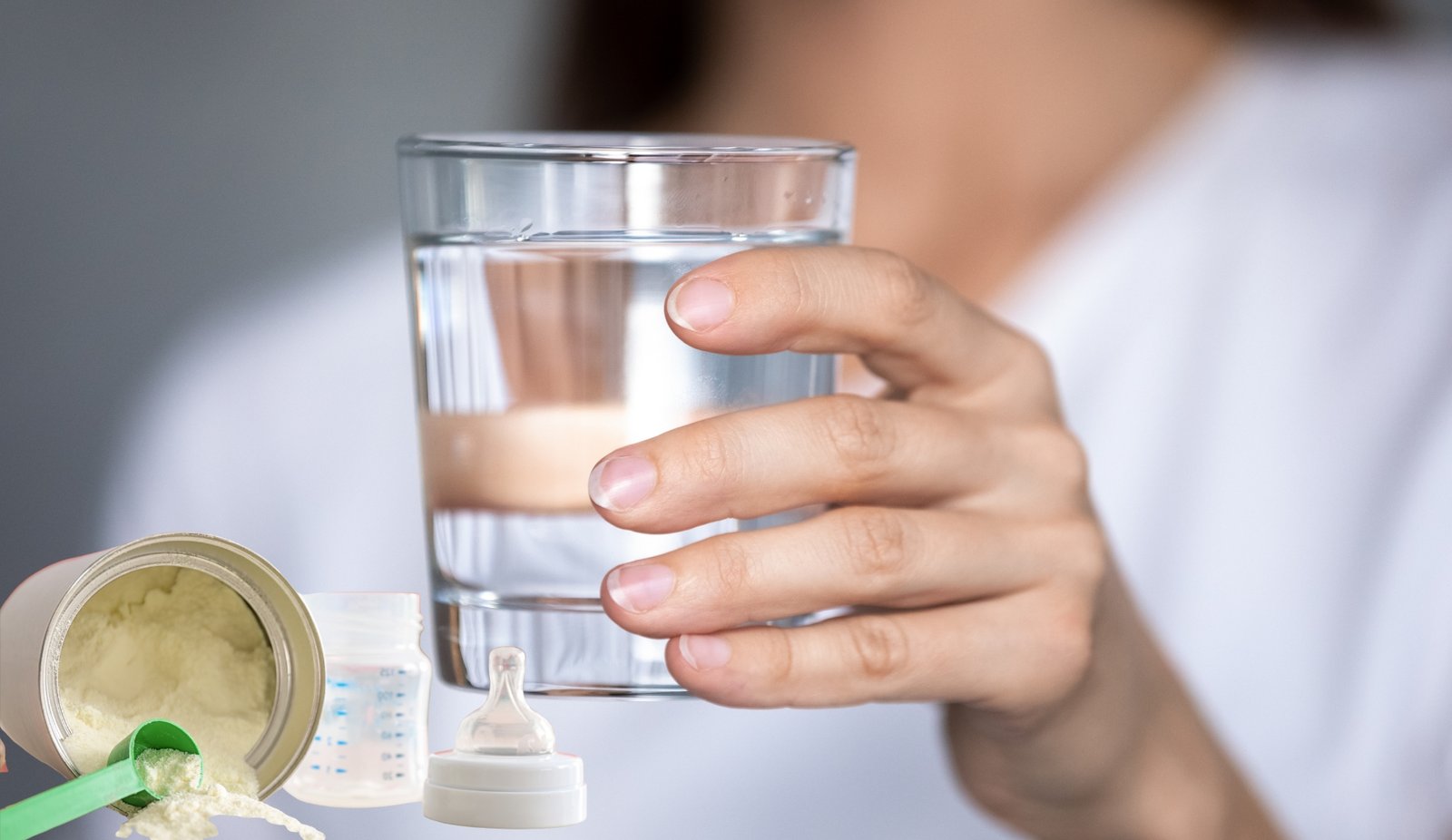
Distilled Water for Formula Milk sparks a vital question for new parents: does the type of water truly affect your baby’s bottle? Many caregivers hear mixed opinions and feel unsure about what’s actually safe. You want clarity before you mix that next feeding, right?
Distilled water offers a purified, mineral-free option that many pediatric experts, including Dr. Benjamin Spock, note as a reliable choice for formula preparation. This article breaks down why distilled water earns attention, how it compares with other water types, and when parents might choose it. You get the essential facts straight and simple.
Yet distilled water isn’t the whole story. You’ll discover practical guidance, expert insights, and key safety notes that help you make confident feeding decisions. So let’s step into the details and uncover what truly matters for your baby’s next bottle.
Can You Use Distilled Water for Formula Milk?
Yes, distilled water can be used for formula milk, and in many cases, it is considered a safe option. Distilled water is water that has been boiled into steam and then condensed back into liquid, leaving most impurities, minerals, and contaminants behind.
This process makes it exceptionally pure and free from bacteria, heavy metals, and other chemicals that could potentially harm infants.
However, while distilled water is free from contaminants, it also lacks essential minerals like calcium and magnesium. This absence is generally not a concern for infants who receive proper nutrition through formula, as most commercial formulas already contain these necessary minerals.
Important considerations when using distilled water for baby formula milk:
- Ensure the water is from a reliable source and stored in clean, sterile containers.
- Follow the formula manufacturer’s guidelines precisely.
- Avoid adding supplements to compensate for minerals unless advised by a pediatrician.
Using distilled water is particularly recommended in areas where tap water may be unsafe or contain high levels of fluoride or nitrates, which can pose a risk to infants under six months.
Is Distilled Water Good for Formula Milk?
Distilled water offers several benefits for preparing formula, making it a good choice under the right circumstances:
- Purity and Safety: Distilled water is free from pathogens, heavy metals, and chemical residues that can be present in untreated or improperly filtered water. This makes it a particularly safe option for newborns who are more vulnerable to waterborne contaminants.
- Controlled Mineral Content: Because distilled water is devoid of minerals, parents have better control over the total mineral intake of their baby, especially in regions where tap water is hard or high in minerals.
- Reduced Risk of Gastrointestinal Issues: Using water that is free from bacteria and chemical impurities reduces the likelihood of digestive disturbances, such as diarrhea or upset stomach, which are more common in infants with sensitive systems.
Despite these benefits, one should note that distilled water lacks fluoride, which helps prevent tooth decay. For babies under six months, this is not an issue, but as your child grows, the need for fluoride should be addressed through other safe sources.
Is It Better to Drink Distilled Water or Purified Water for Babies?
Deciding between distilled water and purified water for your baby often depends on local water quality and the specific needs of your infant.
Distilled Water:
- Pros: Highly purified, free from minerals and contaminants, ideal in areas with unsafe tap water.
- Cons: Lacks fluoride and minerals naturally found in water.
Purified Water:
- Pure includes water treated to remove impurities through processes like reverse osmosis, deionization, or carbon filtration. It generally retains some minerals depending on the purification method used.
- Pros: Safer than untreated tap water, may contain beneficial trace minerals.
- Cons: Quality depends on the purification system; some contaminants may remain if the system is faulty.
In general, either distilled or properly purified water is acceptable for baby formula. Parents in regions with safe tap water can use purified or boiled water, while those in areas with potential contamination may benefit more from distilled water. Consulting a pediatrician is always recommended to tailor water choices to your baby’s health needs.
Difference Between Distilled Water and Purified Water
Understanding the difference between distilled water and purified water is crucial for making informed choices:
| Feature | Distilled Water | Purified Water |
|---|---|---|
| Process | Boiling and condensation to remove all impurities | Filtration, reverse osmosis, or deionization to remove contaminants |
| Mineral Content | None | May retain some minerals depending on method |
| Purity Level | Very high | High, but varies based on filtration system |
| Common Use | Medical, laboratory, baby formula | Drinking, cooking, general household use |
| Cost | Usually more expensive due to processing | Usually less expensive than distilled water |
For baby formula, both are viable options. Distilled water is generally preferred where absolute purity is critical, while pure water is more practical for everyday use in areas with safe water supplies.
How to Safely Prepare Baby Formula?
Proper formula preparation is essential to ensure your baby receives safe, nutritious feeding. Here’s a step-by-step guide:
- Wash Hands and Equipment: Always wash your hands thoroughly before handling formula. Sterilize bottles, nipples, and utensils.
- Use Safe Water: Whether using distilled or pure nursery water, ensure it is stored in a clean container and heated to the recommended temperature, usually about 70°C (158°F) to kill any bacteria present in the formula powder.
- Measure Accurately: Follow the manufacturer’s instructions precisely. Too much water can dilute nutrients, while too little can overload your baby’s kidneys.
- Mix Thoroughly: Shake or stir the formula until completely dissolved. Avoid lumps, which can affect digestion.
- Cool Before Feeding: Cool formula to body temperature by placing the baby bottle in cold water. Test the temperature before feeding.
- Storage Guidelines:
- Prepared formula should be used within 2 hours at room temperature.
- Refrigerated formula can last up to 24 hours.
- Never reuse leftover formula from a feeding session.
Following these steps minimizes contamination risks and ensures your baby receives maximum nutrition.
What Water Can You Use to Make Baby Formula?
What Water Should I Use for Formula? Several types of water can be used safely for baby formula, depending on your local water quality and the baby’s needs:
- Boiled Tap Water: In areas where tap water is generally safe but not sterile, boiling for at least one minute is sufficient to eliminate bacteria. Let it cool before use.
- Filtered Water: Water filtered through a certified home filtration system that removes harmful contaminants can be suitable. Ensure the filter is properly maintained.
- Distilled Water: Ideal for areas with unsafe tap water, high fluoride, or nitrate levels. Provides maximum purity.
- Purified Bottled Water: Suitable for formula preparation, provided the label indicates it is safe for infants.
Water to avoid:
- Well water or untreated sources unless tested and deemed safe.
- Flavored or mineral waters, which may contain added salts, minerals, or sugar.
- Softened water, which contains high sodium levels.
Choosing the Right Water for Baby Formula
Selecting the optimal water for formula is about balancing safety, mineral content, and convenience:
- Safety First: Ensure the water is free from bacteria, heavy metals, and harmful chemicals. Distilled water excels here.
- Consider Mineral Content: While minerals in water are generally not necessary due to fortified formulas, extremely high mineral content may be harmful.
- Convenience and Cost: Boiling tap water is practical and cost-effective. Distilled or purified bottled water may be more expensive but offers consistent safety.
- Local Water Quality: Check with your local water authority about fluoride, nitrate levels, and contamination risks. This information can guide your choice between distilled, purified, or boiled tap water.
Ultimately, the right water choice is one that ensures safety, consistency, and peace of mind for caregivers.
Commonly Asked Questions about Using Infant Formula Distilled Water (FAQs)
Can you use tap water for baby formula?
Yes, you can use tap water for infant formula, but ensure it’s safe and meets health standards. Boiling tap water before mixing baby formula is advisable, especially for infants under six months, to eliminate potential contaminants and ensure their safety.
When can babies drink water?
Babies can typically start drinking water around six months old, when they begin eating solid foods. Prior to this, using distilled and purified water in small amounts is acceptable if mixed with milk formula. Always consult your pediatrician before introducing water.
Can you use well water for baby formula?
Using well water for infant formula milk is generally not recommended unless it’s tested and deemed safe. Well water can contain harmful contaminants. If necessary, boil the water to ensure safety before mixing baby formula, or consider using distilled and purified water instead.
What is the best water for baby formula?
The best water for infant milk is distilled water or purified water. These options are free from impurities, ensuring your baby’s formula is safe for consumption and provides the cleanest mix for your infant’s needs.
Can I use tap water to prepare baby formula?
Using tap water for preparing baby formula is not recommended due to the potential presence of contaminants. It’s safer to use purified distilled water to ensure your baby’s formula is clean and safe for consumption.
Is distilled water safe for mixing with baby formula?
Yes, distilled water is safe for mixing with baby formula. It goes through a distillation process that removes impurities, making it suitable for infant consumption and ensuring the purity of your baby’s formula.
How does distilled water compare to purified water for baby formula?
Distilled water and purified water are both excellent choices for baby formula. Distilled water undergoes distillation, while purified water is processed to remove impurities, ensuring both options are safe for your baby’s feeding needs.
Why do parents choose distilled water for formula prep?
Parents choose distilled water for baby formula milk prep because it is the purest option available, free from contaminants. This ensures that the baby’s formula is safe, reducing the risk of dental fluorosis and other health concerns.
What are the risks of using spring water for baby formula?
Using spring water for formula milk may pose risks due to potential contaminants. Unlike distilled or purified water, spring water may contain minerals and impurities that are not ideal for infant consumption.
Should I use bottled drinking water for my baby’s formula?
Bottled drinking water can be used for baby formula, but it’s best to choose purified or distilled options. Ensure the water is safe for consumption and free from impurities to protect your baby’s health.
How do I mix formula with distilled water?
Mixing formula with distilled water is straightforward. Measure the recommended amount of powdered formula, add distilled water as per the instructions, and shake or stir well until fully dissolved for a safe and nutritious baby formula.
What should I know about using distilled water in gallon jugs?
Using distilled water in gallon jugs is convenient for making formula. Ensure the jug is properly sealed and stored in a cool place. Always check expiration dates and use within a reasonable timeframe for safety.
Conclusion
Using distilled water for formula milk is a safe, reliable, and effective way to protect your baby from potential contaminants in water. It provides the highest level of purity, reducing the risk of gastrointestinal infections and chemical exposure. While it lacks minerals, fortified infant formulas compensate for this, making distilled water a suitable option for newborns, particularly in areas with questionable tap water.
Parents should carefully follow preparation guidelines, including sterilization, correct measurements, and safe storage, to ensure optimal nutrition and safety. Whether you choose distilled, purified, or properly boiled tap water, the most important factor is consistent, safe practice. Consulting with a pediatrician will help tailor water choices to your baby’s specific health needs, giving you confidence in every feed.
Recommended posts
- Can You Use Bottled Water for Infant Formula (Safety Guide)
- What Water to Use for Infant Formula? (The Safest Choice)
- Can Newborns Drink Cold Formula? (Pediatric Advice & Safety)
- Why Is Formula Milk SO EXPENSIVE? (10 Ways to Save Money)
- Can Newborns Drink Distilled Water? (Safe or a Big No-No?)

