Cesarean Section for Placenta Previa is a critical topic for expectant mothers and healthcare providers alike. Do you know why this surgical approach becomes the safest choice when the placenta covers the cervix? Understanding the reasons and medical insights behind this procedure can help families feel more confident and prepared. Let’s explore what leading experts say about managing this high-risk pregnancy complication.
A planned cesarean section remains the gold standard treatment when placenta previa blocks the birth canal. Studies from the American College of Obstetricians and Gynecologists show that timely C-sections prevent severe bleeding and protect both mother and baby. Obstetric specialists like Dr. Mary E. D’Alton emphasize that early diagnosis and scheduled surgery reduce life-threatening risks.
But what specific steps do doctors follow before and during this placenta previa c section surgery to ensure safety? What can mothers expect in terms of recovery and future pregnancies? Stay with us as we delve into expert recommendations and evidence-based practices that guide the safest outcomes for placenta previa cases.
Is a C-Section Necessary for Placenta Previa?
When diagnosed with placenta previa, one of the primary concerns is determining the safest delivery method. Placenta previa occurs when the placenta abnormally implants in the lower part of the uterus, potentially obstructing the birth canal. In most cases, a C-section is deemed necessary to prevent severe complications, including heavy bleeding during vaginal delivery.
Medical professionals closely monitor the condition throughout pregnancy, assessing its severity and the specific type of previa (complete, partial, or marginal). The necessity of a C section for placenta previa largely hinges on the location of the placenta and the progression of the pregnancy.
While some women may experience a resolution of placenta previa as the pregnancy advances, others may face persistent issues necessitating surgical intervention. Thus, understanding individual circumstances is crucial in determining whether a C-section is essential.
What Type of C-Section Is Done for Placenta Previa?
There are typically two types of C-sections performed for placenta previa: the classical C-section and the lower uterine segment (LUS) C-section.
- Classical C-Section: This method involves a vertical incision in the upper part of the uterus. It is less common today due to higher risks of complications, including bleeding and infection. However, it may be necessary in certain cases of placenta previa where the placenta is located in a position that makes LUS challenging.
- Lower Uterine Segment C-Section (LUS): This is the most common approach, involving a horizontal incision in the lower part of the uterus. It allows for a safer and more controlled delivery, minimizing blood loss and promoting faster recovery for the mother.
The choice of the C-section type will depend on the specific clinical situation, including the placenta’s location, maternal health, and any previous surgical history.
When Do They Schedule C Sections for Placenta Previa?
The timing of a C-section for placenta previa is a critical consideration that is typically based on the gestational age of the fetus and the severity of the previa.
Most scheduled C-sections occur between 36 and 37 weeks of gestation. This placenta previa c section timing allows the baby to develop adequately while minimizing risks associated with vaginal delivery. If the placenta previa is diagnosed later in pregnancy, or if there are signs of complications (such as bleeding), the healthcare provider may advise an earlier delivery.
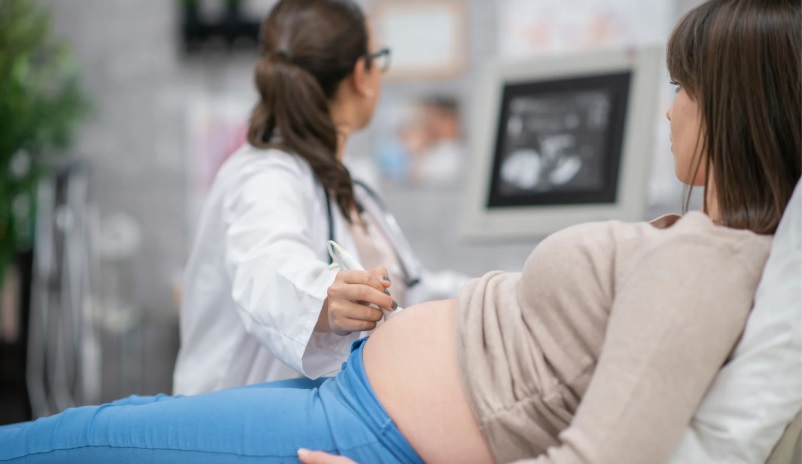
Healthcare providers will monitor the mother closely, conducting regular ultrasounds to assess the placenta’s position and the baby’s development. In cases where significant bleeding or distress occurs, the C-section may be performed even earlier than the planned date.
What Is the Surgical Approach for Placenta Previa?
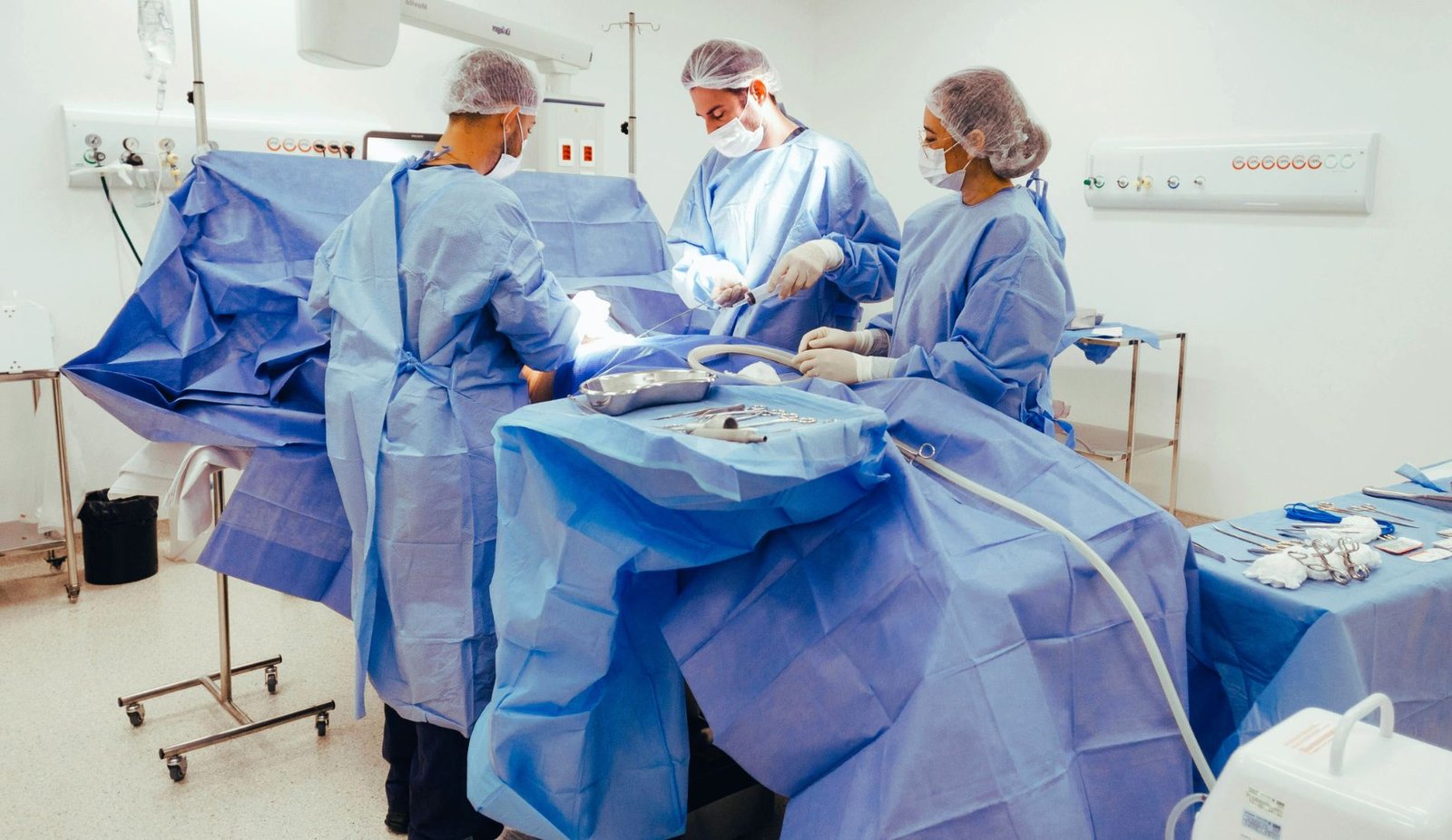
The surgical approach to a C-section for placenta previa involves careful planning and execution. Before the procedure, the surgical team will discuss anesthesia options, typically opting for regional anesthesia (epidural or spinal), which allows the mother to remain awake during the delivery.
During the surgery, the following steps are generally taken:
- Preparation: The mother is prepped, and intravenous lines are established for fluid and medication administration.
- Incision: A transverse incision is typically made in the lower abdomen. If a classical C-section is required, a vertical incision may be made in the uterus.
- Delivery: The surgical team carefully navigates around the placenta to deliver the baby, minimizing trauma to the surrounding tissue.
- Post-Delivery Care: After the baby is delivered, the healthcare team will assess both the mother and infant for any complications. The focus will be on controlling any potential bleeding and ensuring a smooth recovery.
The surgical team must be well-prepared for potential complications, including excessive bleeding, which is more common in cases of placenta previa. Therefore, having blood products readily available is often a standard protocol during these procedures.
Commonly Asked Questions about Cesarean Section for Placenta Previa (FAQs)
What is the outlook for women with placenta previa?
The outlook is generally positive with proper management. Most women with placenta previa and C-section delivery have safe outcomes. Key risks are bleeding and preterm birth, but careful monitoring and a planned cesarean greatly reduce complications.
What are the delivery options for placenta previa?
A scheduled cesarean section is the standard delivery method for placenta previa. A vaginal delivery is unsafe due to risks of severe bleeding. A C-section with placenta previa is typically performed around 36-37 weeks.
What is placenta previa and how is it diagnosed?
Placenta previa is a condition where the placenta covers the cervix, which can lead to complications during delivery. It is typically diagnosed through ultrasound examinations, often using color Doppler ultrasound or magnetic resonance imaging to assess the placental position in relation to the cervix.
What are the risks associated with placenta previa?
Patients with placenta previa are at risk of severe bleeding during pregnancy and delivery, particularly if the placenta is located low in the uterus. This can lead to hemorrhage that may require emergency interventions, such as cesarean delivery.
When is a cesarean section recommended for placenta previa?
A cesarean section is recommended for women with placenta previa when the placenta is covering the cervix, especially if there is a risk of bleeding or if the condition persists into the third trimester, typically around 36 to 38 weeks of gestation.
What is the difference between placenta previa and placenta accreta?
Placenta previa occurs when the placenta covers the cervix, while placenta previa accreta refers to a condition where the placenta attaches too deeply into the uterine wall. In severe cases, this may require a cesarean hysterectomy for placenta previa if there is significant bleeding or if the placenta is deeply embedded.
What are the symptoms of placenta previa?
The primary symptom of placenta previa is painless vaginal bleeding in the second or third trimester. Pregnant women should seek immediate medical attention if they experience any unusual bleeding, as it may indicate complications.
Can placenta previa lead to complications during delivery?
Yes, placenta previa can lead to significant complications during delivery, including severe bleeding, which may necessitate emergency c section and placenta previa. The location of the placenta can obstruct the vaginal delivery, making a cesarean delivery necessary to ensure the safety of both mother and baby.
What are the treatment options for women with placenta previa?
Treatment options for placenta previa include monitoring the condition through ultrasounds, avoiding certain activities that could trigger bleeding, and planning for a cesarean delivery if the condition persists. In some cases, minimally invasive hemostatic procedures may be utilized to manage bleeding.
What happens if there is severe bleeding due to placenta previa?
If severe bleeding occurs due to placenta previa, immediate medical intervention is necessary. This may involve hospitalization, blood transfusions, and preparation for a cesarean section to ensure the safety of both the mother and the fetus.
How does the location of the placenta affect delivery?
The location of the placenta significantly impacts delivery methods. If the placenta is covering the cervical opening, vaginal delivery may be impossible, and a cesarean section will be required. The exact location—whether it is anterior, posterior, or near the bladder—also plays a role in planning the delivery approach.
What are the outcomes for mothers and babies after a cesarean delivery for placenta previa?
Outcomes for mothers and babies after a cesarean delivery for placenta previa are generally positive, especially with careful monitoring and planning. However, risks such as hemorrhage and complications related to placenta accreta spectrum may arise, necessitating close postpartum care.
What is a cesarean section for placenta previa?
A cesarean section for placenta previa is a surgical procedure performed to deliver a baby when the placenta is located low in the uterus, covering the cervix. This condition can lead to complications during vaginal delivery, including severe bleeding.
The department of obstetrics and gynecology typically recommends a cesarean section when the diagnosis of placenta previa is confirmed, particularly if the placenta is complete or partially covering the cervix, especially as the time of delivery approaches.
What are the risks associated with cesarean section for women with placenta previa?
Women with placenta previa face various risks during a cesarean section, including increased chances of bleeding, especially if the placenta is accreta, increta, or percreta. These conditions can cause the placenta to attach abnormally to the uterine wall, leading to complications.
Additionally, there may be a risk of damage to nearby blood vessels, such as the internal iliac artery, which can further complicate the surgery. The amount of bleeding may also be significant, necessitating procedures like intrauterine balloon tamponade or pressure hemostasis to achieve hemostasis.
How is the diagnosis of placenta previa made?
The diagnosis of placenta previa is typically made through a combination of ultrasound imaging and clinical evaluation. Transabdominal ultrasound can help visualize the placenta’s position, while transvaginal ultrasound is often more accurate in determining its relation to the cervix.
In some retrospective studies, women may be monitored from around 34 to 36 weeks of gestation to assess the placenta’s location as the pregnancy progresses. If the placenta is found to be covering the cervix, a cesarean section is usually planned.
What is the significance of vasa previa in relation to cesarean sections?
Vasa previa is a condition where the fetal blood vessels, which are part of the umbilical cord, cross the cervical opening beneath the placenta. This poses a risk during labor, as these vessels can rupture, leading to fetal hemorrhage and distress. If vasa previa is diagnosed, a cesarean section is often scheduled to prevent complications. The presence of vasa previa can significantly influence the placenta previa c section timing and surgical approach, highlighting the importance of careful monitoring in patients with placenta previa.
What are the surgical techniques used in cesarean section for placenta previa?
During a cesarean section for placenta previa, various surgical techniques may be employed to minimize risks and manage complications. Vertical compression sutures may be utilized to control bleeding during the procedure, especially if the placenta is adherent to the uterine wall.
Conclusion
In conclusion, a Cesarean section for placenta previa is often necessary to ensure the safety of both the mother and the baby. Understanding the types of C-sections available, the appropriate timing for surgery, and the surgical approach can empower expectant mothers to make informed decisions about their delivery plans.
Whether you’re navigating through the complexities of placenta previa yourself or supporting someone who is, knowledge is crucial. Regular consultations with healthcare providers and careful monitoring can lead to successful outcomes for both mother and child. Remember, while a C-section may be a daunting prospect, it is often the safest choice in managing placenta previa.
For those facing this condition, focusing on the right information and support can make a significant difference in the pregnancy journey.
Recommended posts
- 4 Types of Placenta Previa You Shouldn’t Ignore (Moms Alert)
- Chances of Placenta Previa Moving After 32 Weeks (Revealed)
- Nursing Diagnosis for Placenta Previa: (Best Care Plan)
- Best Sitting Position for Low-Lying Placenta (Dos & Don’ts)