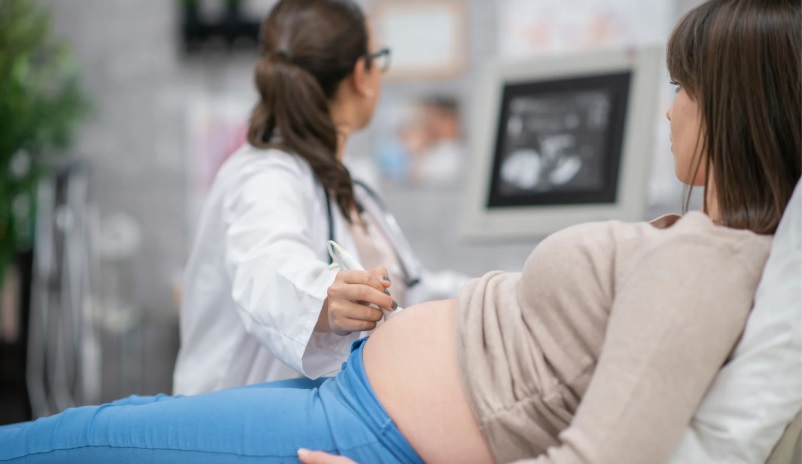
Have you noticed your baby very active before labor and wondered what it could mean? Many mothers report a sudden increase in kicks, rolls, or sharp movements just before labor begins. Could this be your baby’s way of preparing for birth, or is it simply a normal part of late pregnancy?
In most cases, increased activity before labor is completely normal and linked to changes in the womb as your body prepares for delivery. Some studies suggest that the baby’s movement patterns may shift in the final days, but strong and frequent kicks usually show that your baby is healthy. Obstetric experts like Dr. Jane Warland emphasize that it’s important to monitor movements and consult your doctor if anything feels unusual.
So, How active was your baby before you went into labor? what does it really mean when your baby becomes extra active just before labor starts? Let’s explore the science, expert advice, and real experiences to uncover whether this is a sign that labor is just around the corner.
Baby Very Active Before Labor?
Yes, many women notice their baby is more active before labor begins. This increase in activity is often due to the baby shifting into position, the uterus tightening with practice contractions, or changes in amniotic fluid levels. Some babies give what feels like an extra burst of kicks and rolls just before labor starts.
However, it’s essential to note that every pregnancy is unique. For some women, movements may feel stronger or more frequent, while for others, they may decrease slightly as the baby runs out of room. What matters most is not the absolute number of movements, but whether your baby’s usual pattern changes dramatically.
If you notice any sudden decrease in movement—or if your instincts tell you something isn’t right—it’s crucial to contact your healthcare provider immediately.
When Should You Start to Feel Fetal Movement?
Fetal movements typically begin between 18 and 22 weeks of pregnancy for first-time mothers, though some may feel “quickening” as early as 16 weeks. Women who have been pregnant before may recognize movements earlier.
In the early weeks, movements may feel like light flutters or bubbles. By the third trimester, they develop into strong kicks, stretches, and rolls. Healthcare providers recommend that by 28 weeks, mothers should be aware of their baby’s movement patterns.
Key takeaway: By the final weeks of pregnancy, daily fetal movement should be consistent, even if the nature of the kicks changes due to less room in the womb.
Reasons for a Very Active Baby in the Womb
Feeling your baby move often is usually a healthy sign. Babies move for many reasons in late pregnancy, and increased activity doesn’t always mean labor is about to start. Here are the most common reasons:
Your baby settles into position
As labor approaches, babies often turn into a head-down position (cephalic presentation). During this process, you may feel strong jabs, kicks, and stretches as your baby finds the most comfortable position for delivery.
Other contributing factors:
- Uterine tightening: Braxton Hicks contractions can make movements feel more intense.
- Maternal activity: Babies often move more when mothers are resting, especially at night.
- Blood sugar levels: Eating or drinking can temporarily increase activity.
- Personality: Some babies are naturally more active than others, even before birth.
Unless movements stop or become dramatically less frequent, an active baby in late pregnancy is generally a reassuring sign.
Signs That Labor is Near:
Labor rarely begins suddenly—your body usually gives signals that it’s approaching. In addition to noticing your baby very active before labor, here are other signs that birth may be close:
– False Labor (Braxton Hicks Contractions)
These are irregular, non-progressive contractions that can start weeks before real labor. They are often felt as tightening across the abdomen and may make fetal movement feel sharper.
– Your waters break
When the amniotic sac ruptures, fluid leaks or gushes from the vagina. This is a clear indication that labor is imminent, though contractions may not start immediately.
– Extreme nesting
Many women experience a sudden burst of energy and the urge to clean, organize, or prepare their home shortly before labor begins.
– Diarrhea
Hormonal changes that prepare the body for labor may cause loose stools or diarrhea in the days before contractions start.
– Low back pain
Persistent dull or sharp pain in the lower back can signal early labor, especially when paired with abdominal tightening.
– Losing your mucus plug
As the cervix begins to dilate, the protective mucus plug may pass. It can appear as clear, pink, or slightly bloody discharge.
Recognizing these symptoms alongside fetal activity provides a clearer picture of when labor is likely to start.
Strong and Regular Contractions
Unlike Braxton Hicks contractions, true labor contractions are strong, rhythmic, and progressively closer together. They usually begin in the lower back and move toward the front of the abdomen.
When contractions are:
- 5 minutes apart, lasting 1 minute, for at least 1 hour (the “5-1-1” rule), it’s typically time to contact your healthcare provider or go to the hospital.
In many cases, an increase in baby movement is noticed alongside early contractions, as the uterus tightens and squeezes around the baby.
How Long Before Labor Is the Burst of Energy?
Many women report experiencing a sudden burst of energy—often referred to as the “nesting instinct”—within 24–48 hours before labor begins. During this time, the baby may also become more active, responding to hormonal and physical changes in the mother’s body.
This is not universal, but it is a commonly shared experience. If paired with other signs labor has begun such as back pain, contractions, or loss of the mucus plug, it’s a strong indication that labor is near.
Do Babies Always Engage Before Labour?
“Engagement” refers to the baby’s head descending into the pelvis in preparation for delivery.
- For first-time mothers: Engagement often happens a few weeks before labor begins.
- For women who have given birth before: The baby may not engage until labor is already underway.
Not all babies engage early, and lack of early engagement doesn’t necessarily mean labor will be complicated. However, when engagement does happen, many women notice increased pelvic pressure and different patterns of fetal movement.
How to Tell If It’s Contractions or Baby’s Moving?
Late in pregnancy, it can sometimes be difficult to distinguish between fetal movements and contractions. Here’s how to tell the difference:
- Baby’s movements: Feel like kicks, rolls, or stretching. They may be sharp but are usually irregular and brief.
- Contractions: Feel like tightening that wraps around the abdomen and sometimes radiates to the back. They are rhythmic, last 30–90 seconds, and become stronger and closer together over time.
Tip: Place your hand on your abdomen. If the whole uterus hardens and then relaxes, it’s a contraction. If you feel isolated jabs or rolling sensations, it’s likely your baby moving.
Commonly Asked Questions about True Labor vs. False Labor (FAQs)
Do babies move a lot right before labor starts?
Movement patterns vary. Some babies remain active, while others quiet down to conserve energy. A consistent, strong change from their normal pattern is what warrants a call to your healthcare provider for immediate evaluation.
How active was your baby before you went into labor?
Experiences differ greatly. There is no single “normal.” The critical sign is your baby’s unique baseline. Report any drastic increase or, more importantly, a significant decrease in movement to your midwife or doctor right away.
What are contractions like in the early stages of labor?
Early contractions feel like intermittent menstrual cramps or lower back pain. They are irregular, short (30-45 seconds), and often stop with movement or rest. Unlike Braxton Hicks, they gradually become longer, stronger, and closer together.
How will you know if your cervix is dilated?
You cannot feel dilation yourself. It is confirmed through an internal cervical exam by a doctor or midwife. Signs it may be happening include losing the mucus plug or feeling increased pelvic pressure.
What happens when your baby is born?
The baby is delivered, often head-first. The umbilical cord is clamped and cut. The medical team will immediately dry and stimulate the baby to ensure they breathe well while placing them on your chest for skin-to-skin contact.
How to tell when labor begins?
True labor begins with regular, painful contractions that intensify and get closer together over time. Other signs include your water breaking or passing the mucus plug (“bloody show”). This differs from unpredictable Braxton Hicks contractions.
When to Call the doctor or midwife when baby move a lot?
Call immediately for a sudden, frantic surge of movement (a “last frantic party”) or, more critically, a drastic reduction in movements. Both can signal fetal distress and require prompt monitoring to ensure your baby’s well-being.
Why is my pelvis area paining after delivery?
Pelvic pain is common after delivery due to hormonal changes that loosened your ligaments and joints during pregnancy, combined with physical strain from labor. This is often symphysis pubis dysfunction (SPD) recovery, but persistent pain should be evaluated.
What are the most common signs of early labor at 37 weeks pregnant?
At 37 weeks, signs include regular contractions that intensify, a “bloody show” (mucus plug loss), your water breaking, and the baby “dropping” into the pelvis with increased pelvic pressure. This can indicate impending labor.
Conclusion
Noticing your baby very active before labor and birth is often a normal and healthy sign that your little one is preparing for birth. Increased fetal movement in late pregnancy can be linked to position changes, uterine tightening, and hormonal shifts as your body gears up for delivery.
While an active baby is generally reassuring, sudden decreases in movement are a red flag and should be reported immediately to your healthcare provider. Alongside fetal activity, other signs—such as losing the mucus plug, experiencing regular contractions, or your waters breaking—help you identify when labor and delivery has truly begun.
Every pregnancy is unique. Trust your instincts, stay aware of your baby’s normal movement patterns, and never hesitate to seek medical advice if something feels different. Recognizing the difference between normal activity and labor signs is one of the best ways to prepare for a safe, healthy delivery.
Recommended posts
- Prodromal Labor vs Early Labor: Clear Guide for New Parents
- What to Expect in Labor and Delivery Room: (For New Moms)
- TENS Unit for Labor: How It Works and Why Moms Love It
- When Do Labor Shakes Start? A Mom’s Guide to Labor Shakes