Group therapy activities for teens—how do they help build confidence, communication, and emotional balance in young minds? As adolescence brings challenges like peer pressure, anxiety, and identity struggles, group sessions offer a safe place to express, connect, and grow. But what kinds of activities actually work best for teens in a therapeutic setting?
This article highlights the most effective group therapy ideas for teens, from trust-building games to role-playing scenarios and creative expression tools. Each technique is backed by professional insights and proven to promote mental health, teamwork, and self-awareness. Whether it’s managing stress or improving social skills, these activities cover it all.
Renowned adolescent therapist Dr. Jean Baker recommends such group formats to foster long-term emotional resilience. Want to know which activities spark the biggest breakthroughs? Let’s dive into the top group therapy exercises that are transforming teen lives today.
10 Fun Group Therapy Activities for Teens to Try Today
Here are 10 fun and effective therapy ideas for teenagers that promote connection, self-expression, and emotional well-being:
1. Two Truths and a Lie
- A great icebreaker where each teen shares two true statements and one false one. The group guesses which is the lie, encouraging openness and laughter.
2. Gratitude Mapping
- Teens create a visual “map” (poster, collage, or drawing) of things they’re grateful for, fostering positivity and mindfulness.
3. Music Therapy
- Listening to music and discuss emotions it evokes, or have teens bring songs that represent their feelings. Songwriting or lyric analysis can also be powerful.
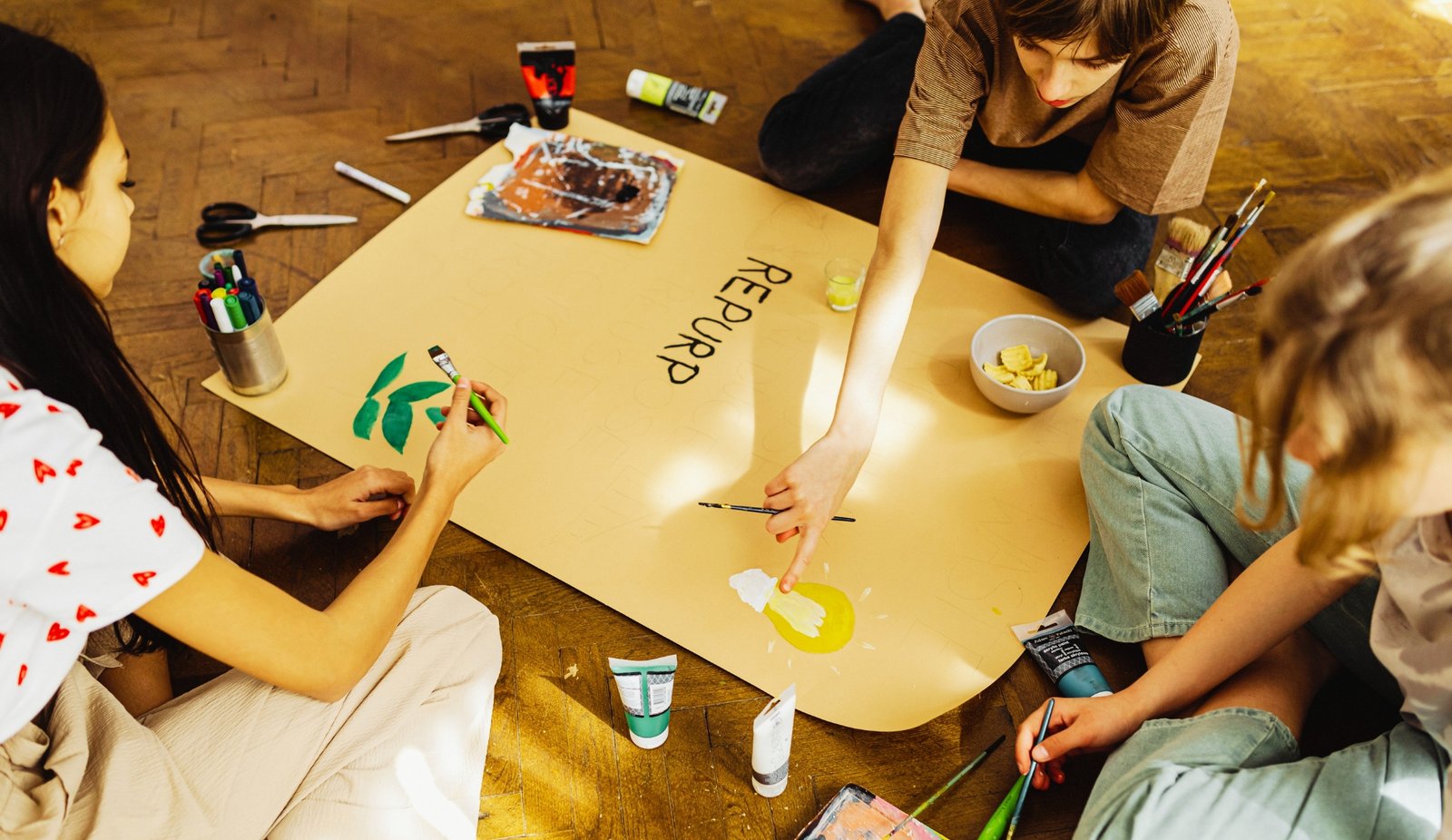
4. Collaborative Drawing
- A group art project where each person adds to a shared drawing, promoting teamwork and nonverbal expression.
5. Feelings Jenga
- Write emotions or prompts on Jenga blocks (e.g., “What makes you anxious?”). When a block is pulled, the teen answers the question.
6. Human Knot
- A physical teamwork game where teens stand in a circle, grab hands across the group, and work together to untangle themselves—great for communication and trust.
7. Drama Therapy
- Role-playing or improv games to act out emotions or scenarios, helping teens explore feelings in a creative, low-pressure way.
8. Exploding Balloons
- Write negative thoughts or stressors on balloons, then pop them as a symbolic release of tension. Follow with a discussion on coping strategies.
9. Icebreakers
- Quick, fun questions (e.g., “If you were an animal, what would you be?”) to build rapport and ease group dynamics.
10. Mindful Coloring
- Provide coloring sheets and calming music to help teens relax, focus, and reflect in a meditative way.
These activities encourage self-awareness, emotional expression, and group bonding while keeping sessions engaging and teen-friendly. Would you like modifications for specific themes (anxiety, self-esteem, etc.)?
Organizing Group Counseling Activities for Kids and Teens
When organizing group counseling activities for kids and teens, it’s essential to create a safe space where they feel comfortable expressing themselves. Activities can range from art therapy to role-playing, enabling participants to explore their emotions and experiences creatively.
Incorporating games and activities that promote teamwork can help foster connections among peers, allowing them to take turns and support one another. Additionally, incorporating relaxation techniques, such as mindfulness exercises, can enhance the overall effectiveness of these sessions.
To ensure the success of cognitive behavioral therapy activities, therapists should consider the unique needs and interests of the participants. Tailoring the activities to address specific mental health issues, such as anger management or substance use, can make the sessions more impactful.
Furthermore, using worksheets or discussion prompts can guide conversations and encourage self-expression, helping teens develop essential coping skills. Ultimately, the goal is to create a fun and engaging atmosphere that empowers adolescents to share and grow.
10 Guidelines for Organizing Group Therapy Activities for Kids & Teens
Organizing group therapy activities for kids and teens requires careful planning to ensure a safe, engaging, and therapeutic environment. Below are key guidelines to follow:
1. Establish Clear Goals
- Define the purpose of the group (e.g., social skills, emotional regulation, trauma processing).
- Tailor activities to the developmental stage of participants (children vs. adolescents).
- Ensure goals align with therapeutic outcomes (e.g., improved communication, reduced anxiety).
2. Create a Safe & Inclusive Space
- Set ground rules (confidentiality, respect, active listening).
- Foster trust by allowing gradual self-disclosure.
- Be mindful of cultural, gender, and neurodiversity considerations.
3. Select Age-Appropriate Activities
- Younger Kids (5-12):
- Art therapy (drawing emotions, collage-making).
- Play-based activities (puppets, role-playing).
- Simple mindfulness exercises (breathing techniques, sensory play).
- Teens (13-18):
- Discussion circles (guided prompts on identity, peer pressure).
- Expressive writing/journaling.
- Team-building exercises (trust falls, problem-solving challenges).
4. Encourage Participation Without Pressure
- Use icebreakers to ease anxiety (e.g., “Two Truths and a Lie,” “Name & Feeling Check-In”).
- Offer choices so participants feel in control (e.g., “Would you like to share or pass?”).
- Balance structured activities with free expression.
5. Facilitate Emotional Processing
- Debrief after activities (“How did that make you feel?”).
- Validate emotions and encourage peer support.
- Use open-ended questions to promote reflection.
6. Maintain Boundaries & Professionalism
- Be consistent with session start/end times.
- Avoid favoritism and manage group dynamics (e.g., dominant vs. withdrawn participants).
- Know when to refer a child to individual therapy if needed.
7. Incorporate Feedback
- Regularly check in with participants about their comfort levels.
- Adjust activities based on group engagement and therapeutic progress.
8. Ensure Safety & Ethical Considerations
- Obtain informed consent from parents/guardians.
- Be trained in crisis intervention (self-harm, aggression, etc.).
- Follow mandated reporting laws if abuse or risk is disclosed.
9. Make It Engaging & Fun
- Use games, movement, and creativity to maintain interest.
- Avoid overly clinical language—keep it relatable.
10. Evaluate Progress
- Track individual and group development through observations and feedback.
- Collaborate with parents, teachers, or other therapists when appropriate.
By following these guidelines, you can create a structured yet flexible group therapy environment that supports emotional growth and connection for kids and teens.
Download Your Free Anger Management Worksheets – mental health treatment
For those looking to enhance their therapeutic practice, downloading free anger management worksheets can be an excellent resource for mental health treatment. These worksheets OF group therapy can provide structured exercises that help teens identify triggers and develop coping strategies.
Utilizing such resources during group therapy sessions can facilitate open discussions about emotions and help participants understand their feelings better. By integrating these worksheets into activities, therapists can guide adolescents through the process of managing anger in a healthy way.
Moreover, these worksheets often include scenarios and role-playing exercises that encourage self-reflection and awareness. As participants work through the materials, they can collaborate with peers, allowing them to share insights and learn from one another’s experiences.
This collaborative approach not only makes the sessions more interactive but also reinforces the importance of community support in addressing mental health issues. Overall, these worksheets are valuable tools for any therapist working with teens in a group setting.
Download Your Free Self-Esteem Worksheets
Downloading free self-esteem worksheets can significantly benefit teens participating in group therapy. These resources are designed to help adolescents explore their self-worth and identify negative thought patterns that may hinder their confidence.
Incorporating self-esteem worksheets into cognitive behavioral therapy provides a structured way for participants to engage in self-reflection and personal growth. By sharing their thoughts and feelings with peers, teens can gain valuable perspectives and support.
The worksheets often include prompts that encourage participants to set personal goals and recognize their strengths, fostering a positive mindset. This process not only helps build self-esteem but also promotes open communication within the group.
As teens share their experiences, they contribute to a supportive environment where everyone feels empowered to grow. Ultimately, these self-esteem worksheets serve as effective tools for enhancing mental health and well-being in group therapy settings.
5 Adolescent Discussion Topics in Group Therapy
Group therapy for adolescents can be a powerful way to address common challenges while fostering peer support and self-expression. Here are five relevant discussion topics:
Identity and Self-Esteem
- Discuss how teens view themselves, their strengths and weaknesses, and how external factors (like social media, family, or peers) affect their self-image.
Peer Pressure and Decision-Making
- Explore situations where teens feel pressured to act against their values and how to make confident, independent choices.
Emotional Regulation and Coping Skills
- Talk about recognizing emotions, managing stress, and using healthy coping mechanisms instead of harmful behaviors.
Family Dynamics and Communication
- Share experiences around family relationships, conflicts, and how to communicate more effectively with parents or siblings.
Friendships and Social Boundaries
- Address what makes a healthy friendship, how to handle conflict, and the importance of setting and respecting boundaries.
Commonly Asked Questions about The top therapeutic interventions for anxiety and relaxation (FAQs)
What are some fun activities that can help teenagers understand their emotions?
Creative activities such as vision boards and goal-setting exercises can help teens to learn about and express different emotions in a fun and engaging way.
How can group therapy games reduce stress for teens and adolescents?
Group therapy games provide a safe and supportive environment where participants can share their experiences, helping to reduce stress and foster connections.
What role do breathing exercises play in group therapy for teens?
Breathing exercises are effective tools in group therapy that help teenagers identify and manage their emotions, promoting relaxation and mindfulness.
Can you give examples of creative activities that are effective in teen group therapy?
Yes, fun activities such as making vision boards or engaging in progressive muscle relaxation can be beneficial in helping teens to explore their feelings and navigate life’s challenges.
How does group therapy provide a safe space for teens to connect with others?
Group therapy offers a safe and engaging space for teens and adolescents to connect with others who share similar experiences, fostering a sense of belonging and support.
What are some fun group therapy activities that encourage participation among teens?
Activities like positive affirmations and team-building exercises can encourage participants to share and engage, making the therapy process more enjoyable and interactive.
How can goal-setting activities benefit teens in a group therapy setting?
Goal-setting activities help teenagers identify their aspirations and challenges, allowing them to work collaboratively in a supportive environment to achieve their personal goals.
Why is it important for group therapy to include different emotions in its activities?
Including different emotions in group therapy activities helps teens to understand and articulate their feelings, leading to greater emotional awareness and personal growth.
In what ways does therapy provide support for children who struggle with emotional issues?
Therapy provides a safe space for teens to learn coping strategies, engage in creative activities, and connect with peers, which can significantly improve their emotional well-being.
What does it mean to be HIPAA compliant?
Being HIPAA compliant means following the Health Insurance Portability and Accountability Act’s rules to protect sensitive patient health information, ensuring confidentiality, integrity, and security in handling healthcare data.
Conclusion about Skill-Building Activities
In conclusion, implementing fun and effective therapy activities for teens can significantly enhance the therapeutic experience. By focusing on activities that promote self-awareness, coping skills, and social interaction, therapists can help adolescents navigate their mental health challenges more effectively. Whether through art therapy, role-playing, or structured worksheets, the key is to create a supportive environment where teens feel comfortable expressing themselves. Ultimately, these activities not only foster personal growth but also strengthen connections among peers, creating a foundation for lasting friendships and support.
As we explore these ten fun group therapy activities, it’s essential to remember that each teen is unique, and tailoring the approach to their individual needs will yield the best results. By fostering an environment of openness and creativity, therapists can guide adolescents towards healthier coping mechanisms and improved emotional well-being. Encouraging teens to participate in group activities not only helps them address their mental health issues but also empowers them to become more resilient individuals in the face of life’s unique challenges.
Recommended posts
- What Can Happen If Parents Ignore Teens Mental Illness?
- ABA Therapy for Teens: Benefits, Goals, and Strategies
- Teenage Angst Meaning: Causes, Symptoms and Proven Solution