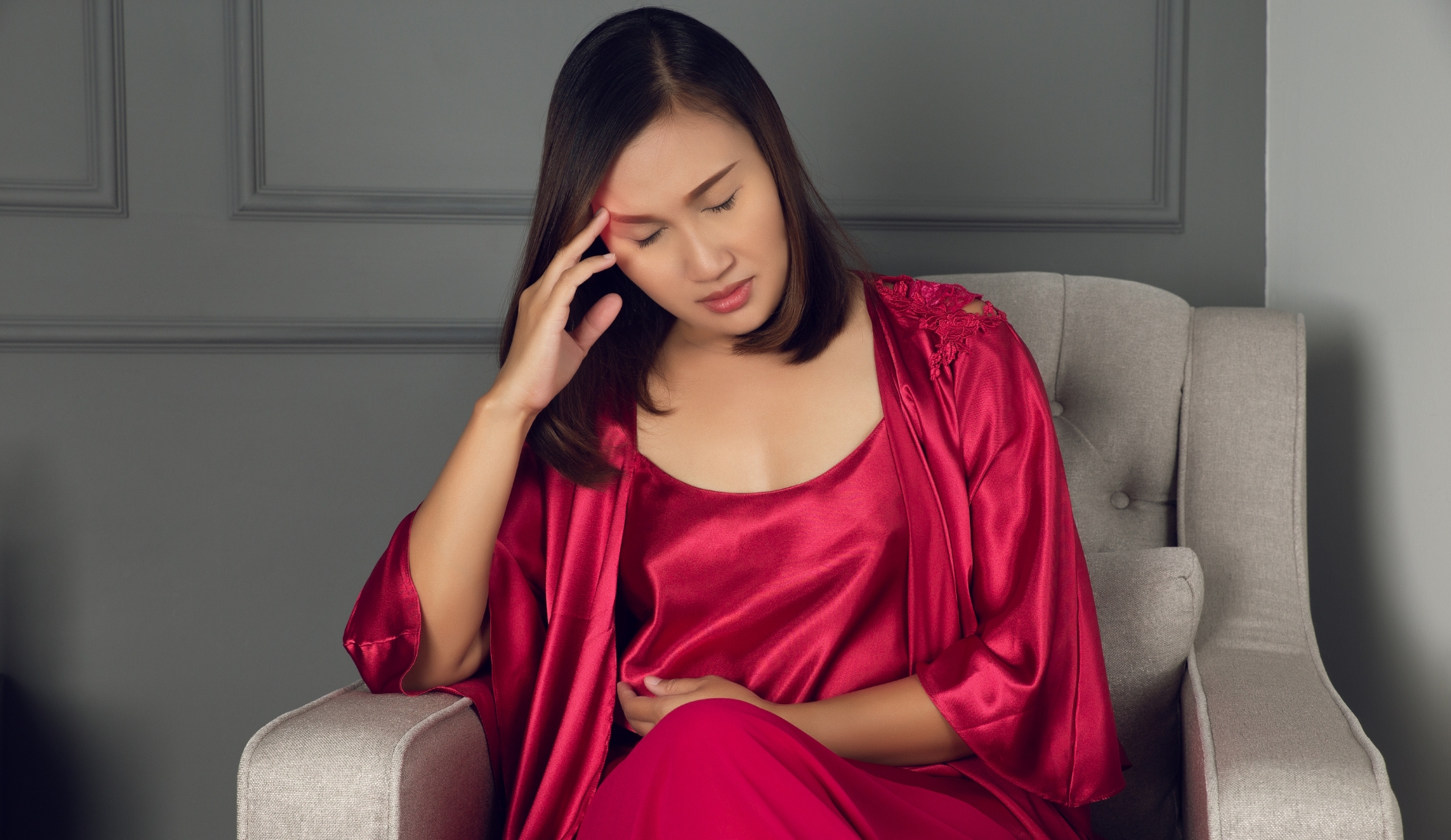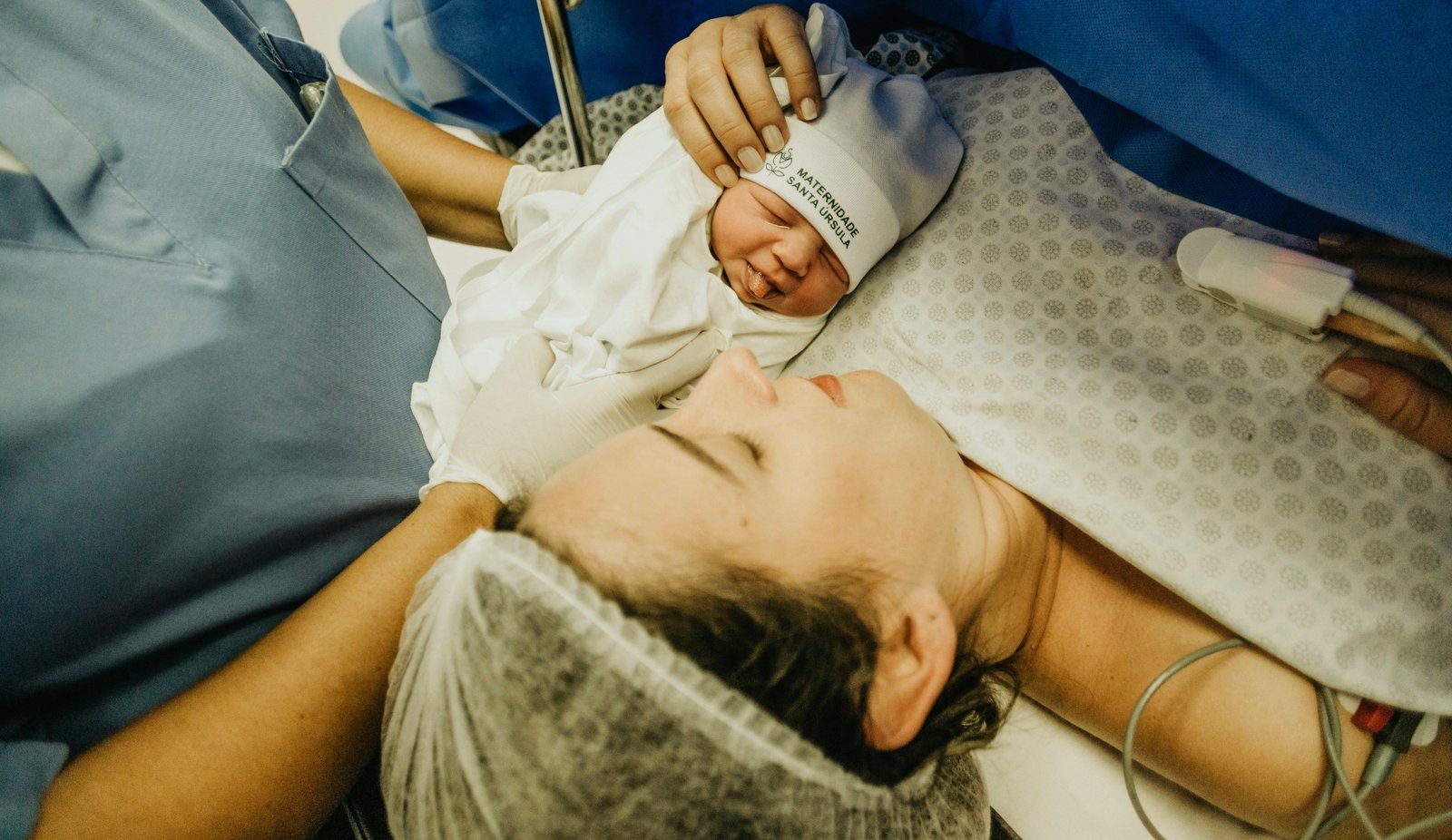
How to stop postpartum bleeding faster naturally is a question many new moms ask during recovery. Are you concerned about how long the bleeding should last or what’s normal? Knowing the right steps can help speed up healing and ease your mind.
Postpartum bleeding, or lochia, usually lasts 4–6 weeks as your uterus heals. Staying hydrated, resting well, avoiding heavy lifting, and breastfeeding can naturally help reduce the bleeding more quickly. In some cases, your doctor may suggest medications if bleeding is too heavy or prolonged.
But don’t guess your way through recovery. OB-GYNs like Dr. Nicole Rankins stress the importance of knowing when bleeding is normal—and when it’s a warning sign. Let’s explore the safest and most effective ways to support your vagina and stop postpartum bleeding faster. Want to speed up your healing and reduce bleeding naturally? 🌿
Here are safe, natural tips to help your body recover faster:
✅ Stay hydrated
✅ Use uterine-toning herbs like red raspberry leaf
✅ Rest more than you think you need
✅ Eat iron-rich, healing foods
✅ Try warm compresses over your abdomen
These gentle strategies support your body’s natural recovery process — so you can heal and feel better sooner.
Postpartum Care: What to Expect After a Vaginal Birth?
After a vaginal delivery, postpartum care is essential to monitor and manage the changes your body undergoes. Most women experience some degree of bleeding, known as lochia, as the uterus contracts to expel the placenta and any remaining tissue.
This bleeding can last for several weeks after delivery, typically tapering off around six weeks postpartum. It’s important to note that bright red blood and heavy bleeding are common in the first few days after giving birth. Keeping track of the flow and any clots can help you recognize potential complications.
During this time, your healthcare provider will emphasize the importance of uterine contractions to stop bleeding. These contractions help the uterus shrink back to its original size. Breastfeeding can also stimulate contractions, making it a beneficial practice in the early days after delivery.
Always consult your healthcare provider if you notice any severe bleeding or symptoms of postpartum hemorrhage, as early intervention is crucial for your health.
How to Stop Postpartum Bleeding Faster?
Stopping postpartum bleeding faster involves several key strategies. One of the most effective methods is ensuring that your uterus contracts properly, as this can significantly reduce blood loss.
Engaging in activities that stimulate contractions, such as breastfeeding and gentle movement, can be particularly helpful. Additionally, applying pressure to the uterus or using certain medications, as advised by your healthcare provider, can aid in reducing bleeding.
Staying hydrated and maintaining a balanced diet rich in iron can also support your body in managing postpartum blood loss.
If you notice any changes in bleeding patterns, such as increased flow or the presence of large clots, don’t hesitate to contact your healthcare provider. They can offer tailored advice based on your specific situation and help you navigate any complications that arise during the postpartum period.
Can you Prevent Postpartum Haemorrhage?
Preventing postpartum hemorrhage is a primary concern for new mothers, particularly those with a higher risk for this condition. While some factors, such as a history of bleeding disorders or complications during labor and delivery, are beyond control, there are steps you can take to lower your risk.
For instance, ensure that you follow your healthcare provider’s advice during pregnancy and delivery, as they can provide guidance tailored to your specific situation.
Postpartum care also involves monitoring your blood loss and recognizing symptoms of postpartum hemorrhage, such as heavy bleeding or blood clots.
Engaging in practices that promote uterine contractions—like breastfeeding and mobility—can also be beneficial. Additionally, maintaining proper hydration and nutrition postpartum supports overall recovery and helps your body manage blood loss more effectively.
The Three Stages of Lochia after Birth
What Is Lochia? Lochia is the natural discharge that occurs after childbirth. It consists of blood, mucus, and uterine lining tissue. This process helps your body heal and return to its pre-pregnancy state. Lochia passes through three distinct stages, each with its own color and flow.
1. Lochia Rubra (Days 1–4)
Lochia rubra is the first stage. It begins right after delivery and lasts about four days.
- Color: Bright red
- Texture: Thick with small clots
- Flow: Heavy, similar to a very strong period
- What to Expect: Mild cramping and a strong blood-like odor
This stage removes the remaining blood and placental tissue. Resting and changing sanitary pads frequently is essential. Avoid tampons or internal products.
2. Lochia Serosa (Days 5–10)
The second stage, lochia serosa, begins around day five and continues for up to ten days.
- Color: Pinkish or brown
- Texture: Watery, with less blood
- Flow: Moderate to light
- What to Expect: Less cramping, fading odor
This stage signals your body is healing. Blood is mixed with cervical mucus and white blood cells, making the discharge thinner and lighter.
3. Lochia Alba (Day 10 to Week 6)
The final stage is lochia alba. It can last from the second week up to six weeks postpartum.
- Color: Yellowish-white
- Texture: Mucus-like, creamy
- Flow: Light or spotty
- What to Expect: Minimal odor, little to no discomfort
Lochia alba shows that healing is nearly complete. The uterus is almost fully restored to its normal size and function.
When to Call a Doctor?
Contact your healthcare provider if you notice:
- Foul-smelling discharge
- Sudden increase in flow or bright red bleeding after it has slowed
- Large clots (bigger than a golf ball)
- Severe cramping or fever
These could be signs of infection or postpartum complications. Lochia is a natural part of recovery after childbirth. Understanding the three stages—rubra, serosa, and alba—helps you know what’s normal and when to seek help. Be gentle with your body, rest often, and track your healing day by day.
Lochia Is Different From A Menstrual Period
It’s important for new mothers to understand that lochia is not the same as a menstrual period. Lochia is the body’s natural process of healing and shedding tissue after childbirth, while menstrual periods are part of a regular reproductive cycle.
Lochia can last for weeks, gradually decreasing in volume and changing in color, while menstrual periods typically follow a more predictable cycle. Recognizing this distinction helps mothers better manage their expectations during the postpartum period.
Furthermore, lochia can vary significantly among individuals. While some women may experience heavy bleeding, others may have lighter discharge. It’s critical to monitor any changes in your lochia and communicate with your healthcare provider if you have concerns.
Understanding the differences can also alleviate unnecessary anxiety about returning to normal menstrual cycles, which typically resume weeks or even months after childbirth, depending on breastfeeding and individual health.
Commonly Asked Questions about Postpartum Bleeding After Giving Birth (FAQs)
What are the symptoms of postpartum hemorrhage?
Postpartum hemorrhage symptoms include heavy bleeding (soaking pads hourly), dizziness, or rapid heart rate. It occurs when blood vessels in the uterus fail to contract—seek emergency care immediately.
Who is at risk for postpartum hemorrhage?
High-risk groups for postpartum hemorrhage include those with placenta issues, multiples, or prolonged labor. When it comes to postpartum bleeding, both vaginal deliveries and C-section births can be affected.
Can breastfeeding cause more postpartum bleeding?
No, breastfeeding reduces postpartum bleeding by releasing oxytocin, which helps the uterus contract. However, call your doctor if bleeding increases suddenly—it may signal complications.
When should I call my healthcare provider?
If you experience a mix of blood or if bleeding does not completely stop within 4 to 6 weeks, it’s crucial to reach out for help. In some cases, postpartum hemorrhage can occur at delivery or even within 12 weeks after delivery.
What is the common cause of bleeding after birth?
The common cause of bleeding after birth is uterine atony, which occurs when the uterus fails to contract effectively, leading to the excessive loss of blood. This can happen in both vaginal deliveries and cesarean deliveries.
How long can I expect to experience postpartum bleeding?
Most women experience postpartum bleeding for about 6 weeks after giving birth, although some may continue to have light vaginal bleeding for up to 12 weeks. The amount of blood typically decreases over time.
Are there any safe tips to help prevent excessive postpartum bleeding?
To help prevent excessive postpartum bleeding, ensure you follow medical advice regarding your recovery, stay hydrated, rest adequately, and engage in gentle pelvic floor exercises as recommended by your healthcare provider.
What should I do if I notice large amounts of blood during the weeks after childbirth?
If you notice large amounts of blood or experience bleeding too much compared to what is expected, you should contact your healthcare provider immediately as it may indicate a risk of hemorrhage.
Is postpartum hemorrhage a risk after a cesarean delivery?
Yes, postpartum hemorrhage can occur after a cesarean delivery, and women who undergo c-sections may have a higher risk for postpartum hemorrhage due to the surgical nature of the procedure.
What are the signs that I might need a blood transfusion after childbirth?
Signs that you might need a blood transfusion include experiencing severe fatigue, weakness, rapid heartbeat, or significant blood loss. If you notice these symptoms, seek immediate medical attention.
How can I identify if my bleeding is a cause for concern?
If you notice that your bleeding is soaking through a pad in an hour, contains large clots, or is accompanied by severe pain or dizziness, it may be a cause for concern. Contact your healthcare provider right away.
When should I seek medical help regarding postpartum bleeding?
A: You should seek medical help if you experience heavy bleeding that doesn’t subside, symptoms of shock such as fainting or rapid heart rate, or if you have any concerns about the amount of blood being lost in the weeks after giving birth.
Can activities affect the amount of postpartum bleeding I experience?
Yes, engaging in strenuous activities too soon after delivery can increase the risk of postpartum bleeding. It is important to follow your healthcare provider’s recommendations regarding physical activity in the weeks after childbirth.
Conclusion
ٍSo, how to stop postpartum bleeding faster naturally? In conclusion, managing postpartum bleeding effectively is essential for new mothers to ensure a smooth recovery after childbirth. By understanding the stages of lochia, recognizing symptoms of postpartum hemorrhage, and implementing methods to stop bleeding, mothers can enhance their postpartum care. Taking proactive steps, such as breastfeeding, staying hydrated, and monitoring bleeding, can make a significant difference in navigating the weeks after delivery.
Always maintain open communication with your healthcare provider regarding any concerns about your postpartum bleeding. Their guidance is invaluable in addressing any complications and ensuring your health and well-being. Remember, while postpartum bleeding is a normal part of the recovery process, being informed and proactive can help you manage this critical time more effectively.
You might also like
- 5 Early Signs of Internal Bleeding After C-Section (Must-Read)
- Irregular Periods Postpartum: What New Moms Should Expect?
- How to Tighten Your Vagina After Giving Birth (Proven)
- Is Yellow Postpartum Discharge Normal Recovery or Red Flag?
- Blood Clots Postpartum: What’s Normal and When to Worry