
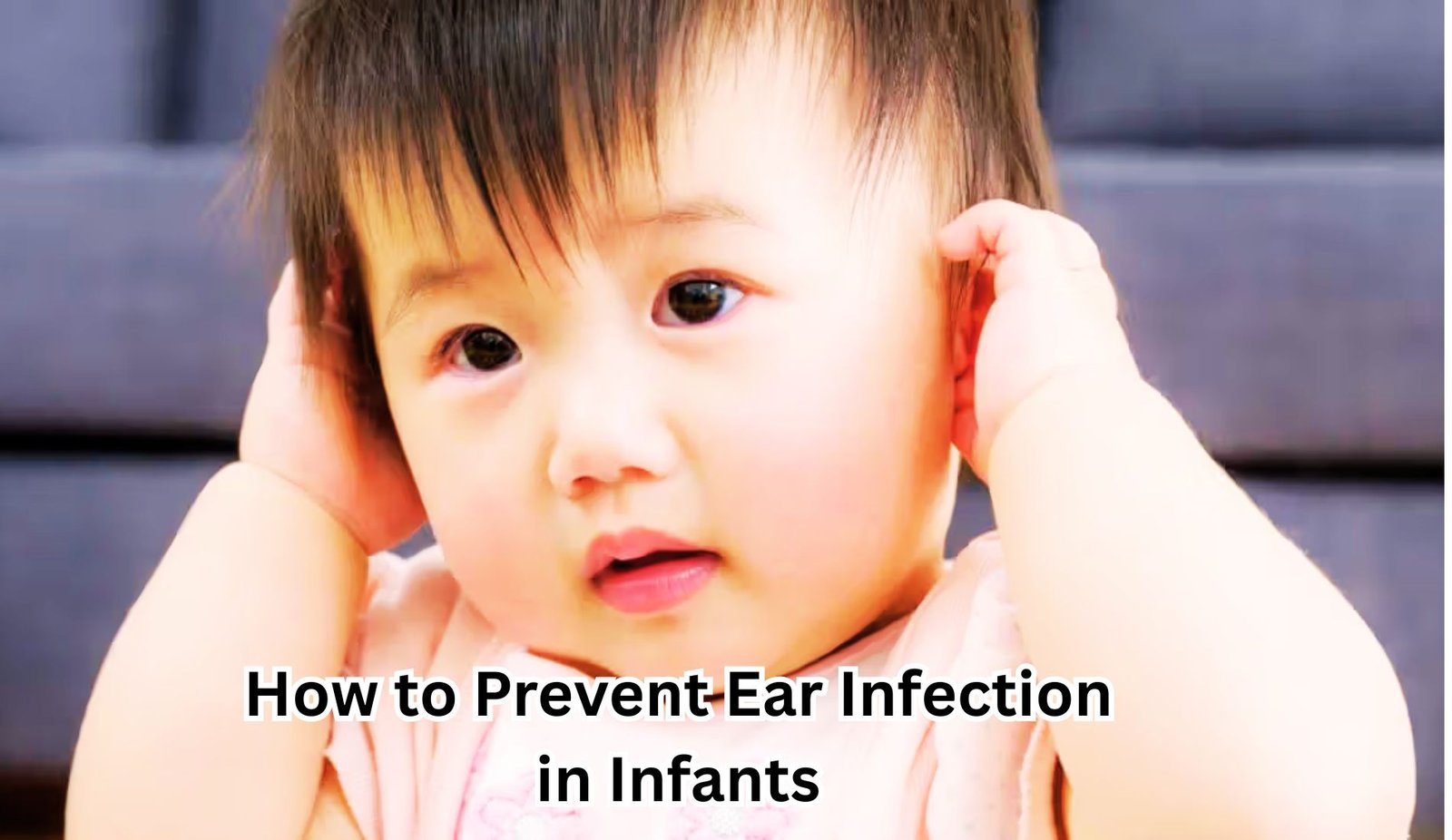
How to prevent ear infection in infants? Parents know how distressing it is to see their little one crying from ear pain or constant discomfort. Ear infections are one of the most common health issues in babies, but did you know that many can actually be prevented with the right care? Let’s uncover how you can protect your baby’s ears from painful infections.
The best ways to prevent infant ear infections include keeping your baby’s nasal passages clear, avoiding exposure to secondhand smoke, and ensuring proper feeding positions. Pediatric experts from the Centers for Disease Control and Prevention (CDC) also recommend routine vaccinations like the pneumococcal and flu shots, which can reduce infection risks significantly. These preventive steps can keep your baby’s ears healthy and infection-free.
But what daily habits truly make a difference? And how can parents recognize early signs before an infection worsens? Dr. Jennifer Shu, a renowned pediatrician and author, shares valuable insights on creating an ear-friendly environment for your child.
So, let’s dive into the expert-approved strategies to prevent ear infections in infants and ensure your baby enjoys sound sleep—and sound hearing.
What Causes ear infections in Kids?
Ear infections primarily occur in the middle ear, the air-filled space behind the eardrum. When this space becomes infected or inflamed, it fills with fluid, leading to pain and often temporary hearing difficulty.
To truly master prevention, one must first understand the primary mechanisms and risk factors:
Anatomy as a Risk Factor
The single greatest contributor to high rates of ear infections in children versus adults is pediatric anatomy. The crucial structure involved is the Eustachian Tube (ET), a narrow passageway connecting the middle ear to the back of the throat (nasopharynx).
- Infant Eustachian Tubes are shorter, narrower, and positioned more horizontally compared to the more downward-sloping tubes of older children and adults.
- This horizontal orientation makes it far easier for fluids, mucus, and bacteria to flow from the throat into the middle ear space and makes it harder for the fluid to drain out.
Types of Otitis Media
The term “ear infection” encompasses several types, but two are most common:
- Acute Otitis Media (AOM): This is a painful infection where the middle ear is infected and inflamed. Symptoms are rapid in onset and typically include ear pain, fever, and a bulging eardrum due to pus accumulation.
- Otitis Media with Effusion (OME): This occurs when fluid remains trapped in the middle ear after an infection has cleared, or due to chronic Eustachian tube dysfunction, but without the active signs of an infection (like pain or fever). OME is often silent but can cause significant temporary hearing loss, which is a major concern for speech and language development.
The Infection Cascade
The vast majority of ear infections begin with a viral upper respiratory infection (a common cold or the flu). This viral illness causes congestion and swelling in the nasal passages and throat, which subsequently causes the Eustachian tube lining to swell shut.
- Blockage: The swollen tube prevents air from entering the middle ear, creating a vacuum that pulls fluid from the surrounding tissue.
- Bacterial Proliferation: This trapped fluid—a perfect, warm culture medium—becomes a breeding ground for bacteria (most commonly Streptococcus pneumoniae or Haemophilus influenzae), leading to a full-blown bacterial AOM.
How to Prevent Ear Infection in Infants? expert-approved strategies
This is the core of our guide—actionable, evidence-backed strategies that parents can implement to drastically lower their infant’s odds of developing painful ear infections. A multi-pronged approach is the most effective.
1. Master Feeding Position (Especially with Bottles)
Never put your baby down for a nap or to sleep at night with a bottle. When an infant drinks while lying flat, the milk or formula can easily flow back into the Eustachian tubes, creating an ideal environment for bacteria to grow. Always hold your baby in a semi-upright position during feedings, whether breastfeeding or bottle-feeding.
2. Champion Breastfeeding
If possible, breastfeed your infant. Breast milk contains antibodies (immunoglobulin A, or IgA) that help strengthen a baby’s immune system and provide direct protection against infections, including those that can lead to ear infections. Studies consistently show that exclusively breastfeeding for at least the first six months of life is associated with a significant reduction in the incidence of ear infections.
3. Prioritize Vaccinations
Staying current with your child’s immunization schedule is a powerful preventive tool. Vaccines, specifically the pneumococcal conjugate vaccine (PCV13) and the annual flu shot, protect against the bacteria and viruses that most commonly cause ear infections. We will explore this in greater detail in a dedicated section.
4. Practice Impeccable Hygiene and Limit Germ Exposure
This extends beyond just washing your own and your child’s hands frequently. It also involves:
- Sanitizing Toys and Surfaces: Regularly clean and disinfect high-touch surfaces and toys, especially if your child is in a daycare setting or has playdates.
- Avoiding Secondhand Smoke: Exposure to tobacco smoke is a major irritant to the Eustachian tubes, causing swelling and dysfunction that dramatically increases the risk and frequency of ear infections. Ensure a smoke-free environment for your child.
- Limiting Pacifier Use: Some studies suggest that prolonged pacifier use, especially after the age of six months, may increase the risk of ear infections. Consider limiting its use to sleep times.
5. Be Mindful of Group Care Settings
Daycare centers are common grounds for germ exchange. While not always avoidable, if your child is particularly prone to infections, explore options with smaller group sizes or a dedicated in-home caregiver to reduce exposure to frequent illnesses that can lead to ear infections.
6. Recognize and Manage Allergies
Undiagnosed allergies can cause chronic inflammation and fluid buildup, mimicking the conditions that lead to infections. If your baby has persistent cold-like symptoms, a chronic runny nose, or eczema, consult your pediatrician about the possibility of allergies and appropriate management strategies.
Role of Otolaryngologists in Treating Ear Infections
An Otolaryngologist (often referred to as an ENT—Ear, Nose, and Throat specialist) is a physician who focuses on the head and neck, with a specialty in ear diseases. They become critical when ear infections become recurrent or chronic.
Parents should seek consultation with an ENT when a child experiences:
- Recurrent Acute Otitis Media (RAOM): Generally defined as three or more distinct AOM episodes in six months, or four or more episodes in twelve months, with at least one infection in the preceding six months.
- Chronic Otitis Media with Effusion (OME): Persistent middle ear fluid for three months or longer that results in documented hearing loss.
- Complications: Any hearing loss, balance issues, developmental delay, or structural abnormalities associated with the ear infections.
Tympanostomy Tubes (Ear Tubes)
The primary surgical intervention performed by an ENT is the insertion of Tympanostomy tubes (commonly called ear tubes).
Procedure: A tiny incision (myringotomy) is made in the eardrum to suction out any existing fluid. A small, hollow tube is then inserted.
Function: The tube acts as a secondary, functioning Eustachian tube. It ventilates the middle ear space, equalizes pressure, and allows any newly forming fluid to drain out, preventing the build-up that leads to infection.
Outcome: Tubes drastically reduce the frequency of AOM and resolve OME, allowing a child’s hearing to normalize, which is vital for language acquisition. The tubes typically remain in place for 6 to 18 months before naturally falling out as the eardrum heals.
Adenoidectomy
In cases of severe, recurrent ear infections, the ENT may also recommend an adenoidectomy (removal of the adenoids). The adenoids are lymphatic tissue located near the opening of the Eustachian tubes. If they are excessively enlarged (hypertrophied), they can physically obstruct the tube openings, contributing to chronic blockage and infection. Removing them can significantly improve middle ear function.
How Do Vaccinations Help Prevent Ear Infections?
Vaccinations are an essential pillar of prevention, offering direct immunity against the specific pathogens that are major causes of AOM.
1. Pneumococcal Conjugate Vaccine (PCV)
The pneumococcal vaccine, such as Prevnar 13 (PCV13) or its successors, is designed to protect against bacteria called Streptococcus pneumoniae (Pneumococcus).
- Mechanism: This bacterium is responsible for a significant percentage of both minor illnesses like ear infections and severe illnesses like pneumonia and meningitis. By targeting and neutralizing the most common strains of this bacteria, the PCV vaccine directly reduces the incidence of AOM caused by this specific organism.
- Impact: Since the introduction of the PCV vaccine, there has been a documented decline in the overall rate of AOM, particularly those requiring hospitalization or tube insertion.
2. Annual Influenza (Flu) Vaccine
As established, most ear infections are secondary to a viral upper respiratory infection. The seasonal flu is a severe viral illness that often precedes an ear infection.
- Mechanism: Getting an annual flu shot for your infant (starting at six months of age) and all eligible household members drastically reduces the risk of contracting the influenza virus.
- Impact: By preventing the primary viral trigger (the flu), the pathway to subsequent bacterial middle ear infection is often interrupted, offering indirect but powerful protection against AOM.
It is crucial that parents follow the recommended immunization schedule provided by their pediatrician to maximize this layer of protection.
Common Causes of Blocked Eustachian Tubes in Children
The primary event in the middle ear infection cascade is the blockage or dysfunction of the Eustachian tube. Understanding the various factors that cause this blockage is key to prevention.
| Cause | Mechanism of Blockage | Prevention/Management |
| Upper Respiratory Infections | Viral or bacterial infections cause inflammation, mucus production, and swelling of the tube’s lining, physically closing the passage. | Vaccines (PCV, Flu), rigorous hygiene, minimizing exposure. |
| Allergic Rhinitis (Allergies) | Environmental or food allergens trigger inflammation and swelling in the nasal passages, which extends to the pharyngeal opening of the Eustachian tubes. | Identifying and managing environmental triggers (e.g., dust mites, pet dander) and consulting an allergist for treatment. |
| Adenoid Hypertrophy | Enlarged adenoid tissue (common in children) physically presses against and obstructs the opening of the Eustachian tube in the back of the throat. | Surgical removal (Adenoidectomy) when chronic OME or RAOM is present. |
| Secondhand Smoke | Smoke irritants cause chronic, low-grade inflammation and impair the cilia (tiny hairs that help move mucus) in the tubes, leading to fluid stagnation. | Absolute avoidance of all smoke exposure in the child’s environment. |
| Gastroesophageal Reflux (GER/Reflux) | Stomach contents reflux into the back of the throat. While rare, this acid or food matter can irritate the tube opening, causing inflammation and blockage. | Upright positioning after feeds, small frequent feeds, and medical management of severe GER. |
Common Questions about Prevention of Ear infections in Children (FAQs)
What does an ear infection look like in babies and toddlers?
You cannot see an infection directly. Signs of an ear infection include fussiness, tugging at the ear, trouble sleeping, and fever. A red, bulging eardrum visible with an otoscope indicates a child’s ear infection, but a doctor must confirm this.
What are the symptoms of an ear infection?
Common symptoms are ear pain, a feeling of fullness, fever, and fluid drainage. In children, this often presents as fussiness and trouble sleeping. These ear problems stem from fluid buildup behind the eardrum.
What causes an ear infection?
Ear infections often begin as a viral infection like a cold. This causes inflammation of the middle ear and Eustachian tube blockage, allowing fluid to build up, which can then become secondarily infected by bacteria.
What are the signs and symptoms of ear infections in babies?
Key signs are unexplained fussiness, crying, difficulty sleeping, fever, and tugging at the ear. Babies may also have trouble feeding or hearing quiet sounds due to the fluid buildup causing discomfort and temporary hearing loss.
Are antibiotics necessary for preventing ear infections in infants?
No, antibiotics are treatment, not prevention. Overuse leads to resistance. For frequent ear infections, a doctor may recommend a low-dose antibiotic as a preventive measure, but this is not standard for all infants.
How do I know if my child has an ear infection?
Look for key signs like ear pain, fever, fussiness, and trouble sleeping. If your child tugs at their ear or seems off-balance, these are common indicators of ear problems that warrant a doctor’s visit for diagnosis.
What are ear infection symptoms in kids?
Symptoms include ear pain, fever, irritability, and muffled hearing. Younger children may cry more, have sleep disturbances, and tug at their ear. These infections are common in kids and often follow a cold.
How Many Ear Infections Before a Child May Get Ear Tubes?
Doctors typically consider tubes after 3 infections in 6 months or 4 in one year. This guideline helps identify children with frequent ear infections who would benefit most from surgical intervention to prevent complications.
Who is at higher risk for ear infections?
Children who get ear infections most often are those in group childcare, exposed to tobacco smoke, bottle-fed while lying down, or with a family history. Their immature Eustachian tubes are more easily blocked.
Are frequent or recurring ear infections bad for kids?
Yes, frequent ear infections can be concerning. Persistent fluid can lead to hearing and speech delays. Chronic inflammation may also cause damage to the eardrum or middle ear bones, impacting long-term auditory health.
Can infant ear infections cause hearing loss?
Yes, but it’s usually temporary. Fluid in the middle ear muffles sound. Chronic, untreated infections can rarely lead to permanent damage, but hearing typically returns to normal once the infection and fluid resolve completely.
How to prevent recurrent ear infections?
Prevent recurrences by breastfeeding, avoiding secondhand smoke, and ensuring vaccinations are current. For persistent ear problems like chronic fluid, a doctor may recommend ear tubes to ventilate the middle ear and prevent fluid buildup.
Conclusion
so, how to prevent ear infections in newborns? Preventing ear infections in infants is a matter of diligence, knowledge, and implementing a few critical, science-backed strategies. By focusing on the root causes—Eustachian tube dysfunction and viral illness—parents can significantly impact their child’s health trajectory.
The most effective preventative actions include: ensuring upright feeding, prioritizing vaccinations (PCV and flu), strictly eliminating secondhand smoke exposure, and implementing meticulous hand hygiene. For infants prone to chronic recurrence, early consultation with an Otolaryngologist to discuss ear tube insertion and other treatment options is essential to preserve hearing health and developmental milestones. Taking these steps provides the best defense against Otitis Media, ensuring that your infant can grow and thrive free from the pain and complications of recurrent ear infections.
Recommended posts
- Ear Infections in Preschoolers – A Complete Parent’s Guide
- Can Infant Ear Infections Cause Hearing Loss: Myths Vs Facts
- When to Use Antibiotic for Infant Ear Infection (SafetyTips)
- Can A Baby Have an Ear Infection Without Fever?
- Ear Infection Bottle Feeding – Is There a Real Connection?
- Recurring Ear Infections in Infants: Causes & Effective Cure

