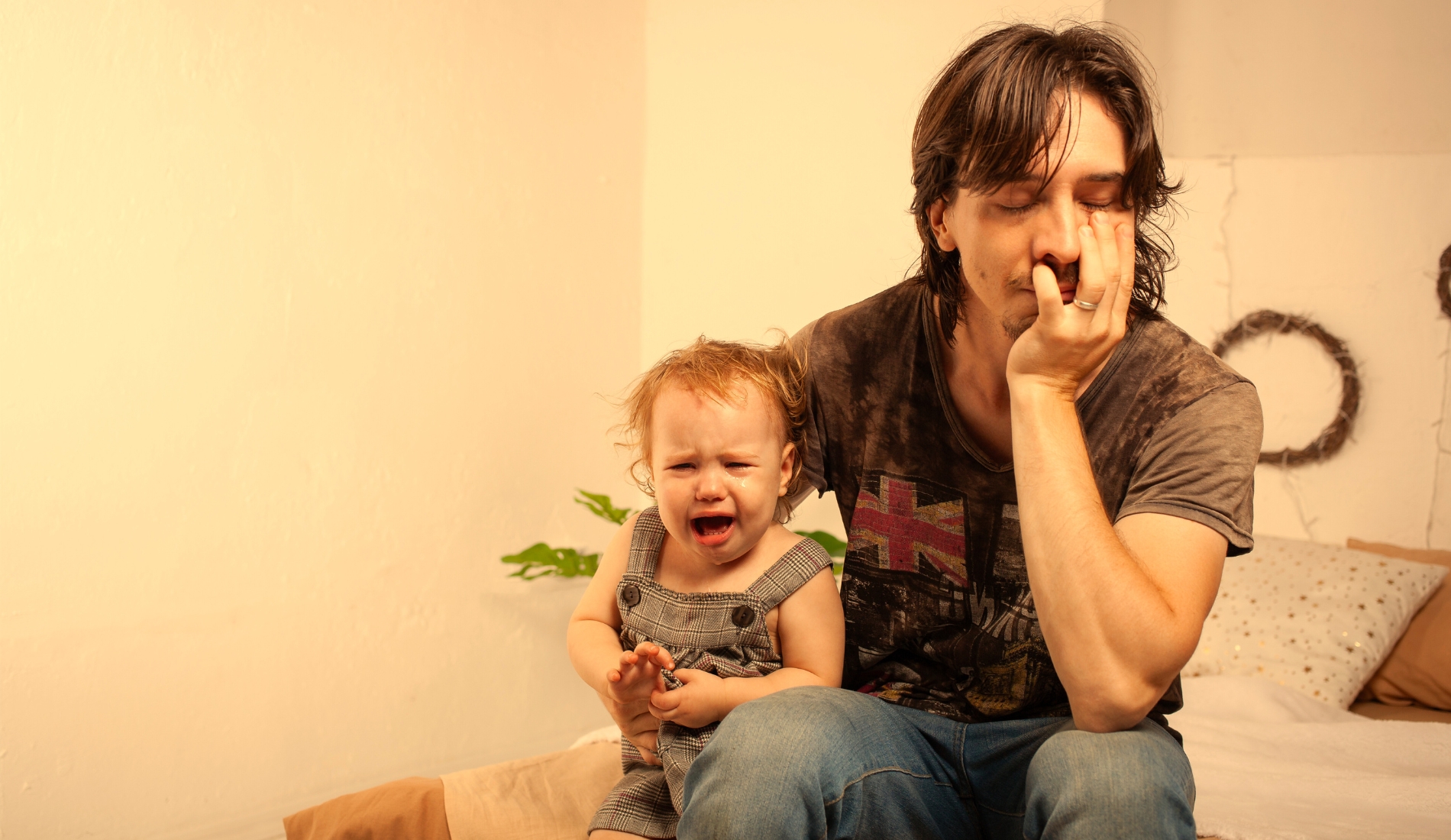
Does your toddler scream at the top of their lungs—for attention, frustration, or just for fun? You’re not the only parent wondering how to get toddler to stop screaming loud. But why do toddlers scream so much, and how can you handle this stressful child’s behavior?
Screaming is a normal part of toddler development, often used to express big emotions or test boundaries. To stop toddler screaming, stay calm and whisper to model quietness. Distract with a toy or game, acknowledge their feelings, teaching quieter ways to communicate can make a huge difference. Consistency, patience, and positive reinforcement are key.
Ready for some real-life tools that actually help quiet the chaos? Stick around as we walk through simple, expert-approved techniques to help your toddler use their inside voice—without losing your sanity in the process.
Is Toddler Screaming Normal?
It’s important to recognize that toddler screaming is a normal part of child development. Toddlers are still learning how to communicate their needs and emotions, and often the only way they can express themselves is through loud outbursts.
This toddler behavior can be especially pronounced when they are frustrated or can’t have something they want. Understanding that this screaming is typical can help parents approach the situation with more patience and empathy.
Remember, your toddler’s screaming is often a reflection of their emotional state, and it’s essential to validate their feelings while teaching them appropriate ways to communicate.
While toddler screaming may seem like an endless phase, it generally decreases as your child gains better self-control and communication skills. Parents often notice that as their little one begins to express themselves verbally, the need to scream lessens.
Encouraging language development by engaging in conversations and reading to your child can also significantly reduce their screaming episodes. Ultimately, knowing that toddler screaming is a normal behavior allows parents to remain calm and supportive, paving the way for healthier communication as their child grows.
Why Do Toddlers Scream So Much?
Toddlers scream for various reasons, and understanding these motives can help parents address the behavior effectively. One primary reason is that toddlers often feel overwhelmed by their emotions. When they experience frustration, excitement, or even fear, they might resort to yelling or screeching as a means of release.
Additionally, a toddler’s screaming may occur during tantrums when they feel they can’t get what they want or when they’re faced with a sudden change in their environment. Recognizing these triggers is crucial in managing your toddler’s behavior.
Another reason toddlers scream is to seek attention or communicate needs. When they realize that screaming gets a reaction from parents, they may continue to engage in this behavior to get their way.
This highlights the importance of teaching your child alternative methods of communication that do not involve raising their voice. By addressing the root causes of a toddler’s screaming, parents can help their child learn to express themselves in more constructive ways, ultimately leading to a reduction in outbursts.
How to Get Toddler to Stop Screaming?
How to stop toddler high pitched screaming? To help your toddler stop screaming, it is essential to create an environment that promotes calmness and understanding. Start by modeling calm behavior yourself. When your toddler starts screaming, respond calmly rather than raising your voice in frustration.
This approach teaches your child that screaming is not the appropriate way to gain attention or express feelings. Instead, gently remind them of other ways to communicate, such as using words or gestures. Consistency is key in helping them learn these new communication skills.
Another effective strategy is to acknowledge your toddler’s feelings when they scream. Let them know you understand they’re upset and that it’s okay to feel that way, but gently guide them towards quieter ways to express themselves.
For instance, you might say, “I see you’re really upset. Let’s take a deep breath together.” This encourages self-regulation and helps your child recognize that there are appropriate ways to deal with their emotions, reducing their need to scream in the future.
7 Effective Ways to help reduce Children Screaming:
Getting a toddler to stop screaming can definitely test your patience, but with the right approach, it can get better. Here are SEVEN effective ways to help reduce or stop the screaming:
1. Stay Calm and Consistent
Your reaction sets the tone. If you yell back or react strongly, it may reinforce the screaming (even if it’s negative attention). Stay calm and speak softly, even if your toddler is yelling.
Pro tip: Try whispering. It’s surprising, and some kids will quiet down to hear what you’re saying.
2. Identify the Cause
Screaming is often your toddler’s way of communicating something. Ask yourself:
- Are they hungry or tired?
- Frustrated or overwhelmed?
- Seeking attention?
Once you know why, you can respond more effectively.
3. Teach “Inside Voice”
Introduce the concept of volume control. Use a game or a visual cue like:
- Whispering games
- Saying “Can you use your quiet voice like this?”
- A volume chart with happy/sad faces
Reinforce it by modeling and praising when they use a quieter voice.
4. Provide an Alternative
If your toddler screams to express emotion or get something, teach them a more appropriate method:
- Use simple phrases like “Help me” or “More, please.”
- Sign language for toddlers can also help before they’re fully verbal.
5. Give Positive Attention
Sometimes toddlers scream just to get your focus. Make a habit of giving them attention before they escalate:
- Spend a few minutes of 1-on-1 time
- Catch them being good and praise it: “I love how you’re using your calm voice!”
6. Redirect the Energy
If they’re screaming just to scream (it happens), try redirecting them:
- Sing a song
- Offer a sensory activity (playdough, water play)
- Get outside and let them burn off some energy
7. Set Clear Boundaries
Let them know that screaming is not how we get things:
- “I can’t understand you when you scream.”
- “Use your words and I can help.”
How to Prevent a Toddler from Screaming?
Preventing a toddler from screaming involves proactive strategies that focus on communication and emotional regulation. One effective method is to provide your toddler with a structured routine. Knowing what to expect can help reduce anxiety and frustration, leading to fewer outbursts.
Additionally, ensure that your little one is adequately engaged throughout the day with age-appropriate activities that keep them stimulated. Boredom often leads to screaming as a means of seeking attention or entertainment.
Moreover, teaching your toddler alternative expressions for when they feel the need to scream can be beneficial. Introduce them to calming techniques, such as deep breathing or using a stress ball, to help them manage their feelings constructively.
Encourage your child to express their emotions verbally, reinforcing the idea that it’s okay to talk about their feelings instead of screaming. By equipping your toddler with these tools, you’ll promote a more peaceful environment and help them learn self impulse control.
When to Talk to the Doctor about a Screaming Toddler?
If your toddler’s screaming becomes excessive or is accompanied by other concerning behaviors, it may be time to consult a pediatrician. For instance, if your child’s screaming is leading to physical aggression or if they seem to be experiencing frequent temper tantrums that last longer than typical, seeking professional advice is crucial.
Additionally, if your toddler’s screaming is affecting their social interactions or development, a doctor’s input can provide valuable insights and support.
Another indicator that you should reach out to a healthcare professional is if your child seems to be in constant distress or if their screaming appears to be linked to anxiety or other emotional issues.
Early intervention can make a significant difference in managing your toddler’s behavior and ensuring their emotional well-being. Don’t hesitate to discuss any concerns with your pediatrician, as they can guide you on the best strategies to help your child learn to express themselves without resorting to screaming.
Commonly Asked Questions about Toddler Communication While Screaming (FAQs)
Why does my toddler want to scream all the time?
It’s totally normal for toddlers to want to scream as they explore their vocal abilities and express emotions. They may also scream when they want and need something, or think they can get their way by making a loud noise.
How can I help my child to stop screaming when they are upset?
To help them calm down, try lowering your own voice and speaking softly. This can make them feel more secure and show them that they don’t need to shout to be heard.
What should I do when my child won’t stop screaming in public?
It can be challenging, but try to remove them from the situation if possible. A time-out can help them regain control, and you can talk to them about their feelings afterward.
My child screams when they want something. How do I teach them to use their words instead?
Encourage your child to use their words by modeling language for them. When they start to scream, gently remind them to “use your words” to express what they want.
Is there a way to get my child to stop shrieking during playtime?
Yes! Make a game out of lowering their voice. You can turn down the volume by pretending to be quiet animals or using a fun song that requires them to be soft-spoken.
What if my child starts to scream when they don’t get their way?
It’s important to stay calm and not give in to the behavior. Explain the situation clearly and set boundaries so they learn that screaming doesn’t get them what they want.
Can ignoring my child when they scream be effective?
Sometimes, ignoring the behavior can work if you’ve already tried other methods. However, it’s also important to acknowledge their feelings once they calm down to help them express themselves better in the future.
How can I teach my child that screaming can lead to more screaming?
You can demonstrate how loud noises can be overwhelming and lead to frustration. Discuss how using quieter voices can help everyone have more fun and avoid a situation where they feel the need to scream.
What are some effective strategies to make my child feel heard without screaming?
Encourage open communication by giving them your attention when they’re calm. Praise them for using their words and provide them with tools to express their feelings, which can help them vent without resorting to screaming.
Conclusion
So, how to stop toddler from screaming? In conclusion, dealing with a screaming toddler requires patience, understanding, and effective strategies. By recognizing that toddler screaming is a normal phase of development and addressing the reasons behind it, parents can help their children learn appropriate ways to communicate their feelings. Implementing proactive strategies, such as modeling calm behavior and teaching alternative expressions, can significantly reduce the frequency of outbursts. If screaming persists or escalates, consulting a pediatrician can provide further guidance. Remember, every toddler is different, and with time, support, and the right approach, your little one can learn to express themselves without the need to scream.
Recommended posts
- How to Get Toddler to Listen and Behave: (7 Proven Tactics)
- Why Does My Toddler Hit Me & How Can I Make It Stop (Solved)
- Top 5 Best Newborn Books for New Parents: Must Read
- Why Does My Toddler Grinding Teeth While Sleeping (Solved)
- How to Handle a Clingy Toddler with Patience and Confidence