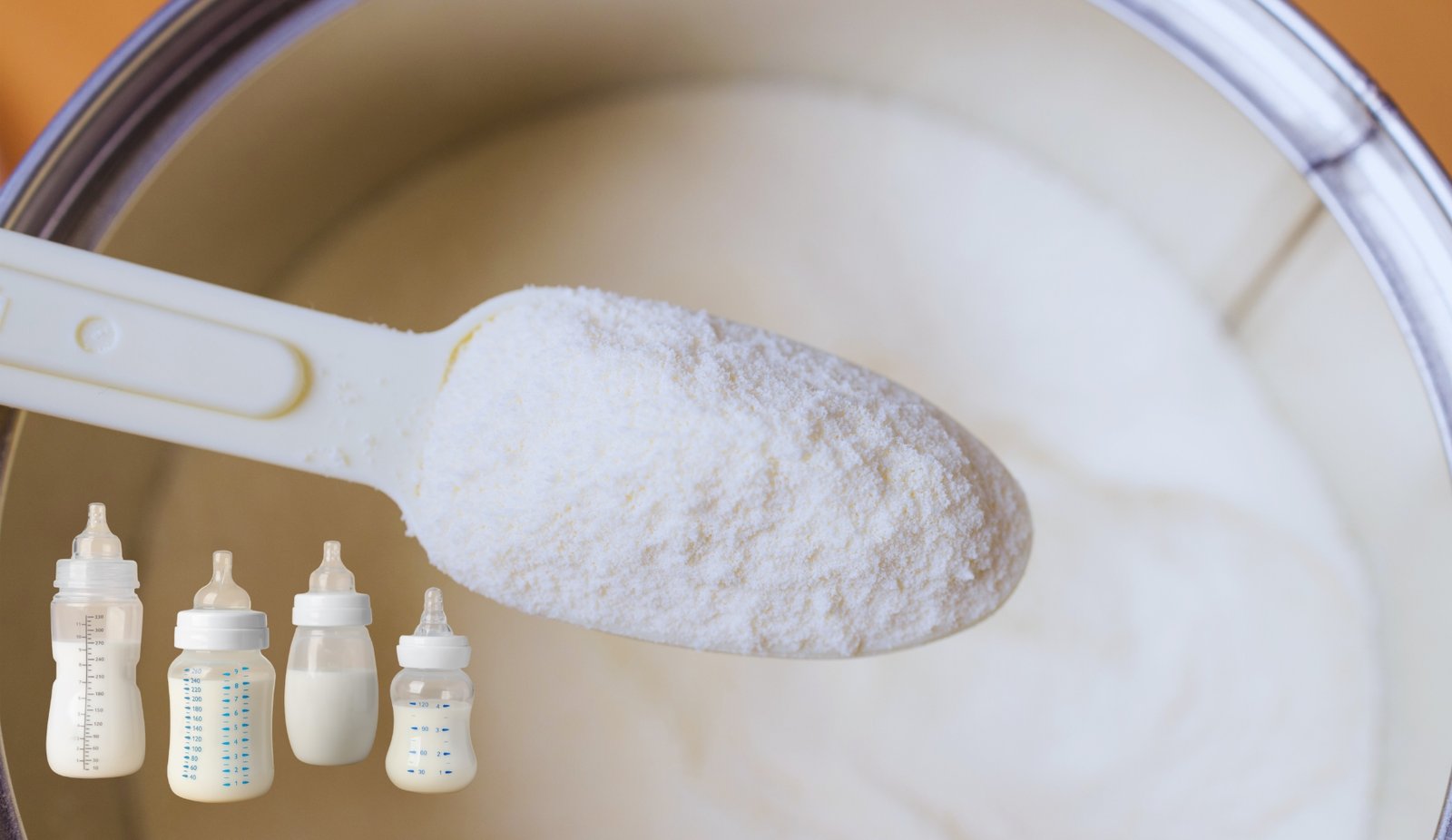
How much infant formula to feed your newborn baby? It’s a question every new parent asks, especially when tiny tummies and feeding schedules seem so unpredictable. Knowing the right amount can help your baby grow healthily while preventing overfeeding or hunger.
Most newborns typically drink about 1.5 to 2 ounces (45–60 ml) of formula every 2 to 3 hours during their first few weeks. As they grow, the amount gradually increases to around 4 to 6 ounces per feeding.
In this article, you’ll learn how to calculate your baby’s formula needs by age, weight, and hunger cues—plus when to talk to your pediatrician about feeding changes. According to Dr. Steven Abrams, a leading pediatric nutrition expert from the American Academy of Pediatrics, “every baby’s appetite is unique, but consistency and close observation are key.” Want to make sure your baby gets just the right nourishment?
Stay tuned as we break down expert-backed about how much infant formula for newborn, feeding guidelines, growth patterns, and simple tips for happy, healthy bottle-feeding.
How Much Infant Formula to Feed Newborn?
During the newborn stage, feeding can feel like a constant guessing game. Babies under one month old typically eat small amounts frequently because their stomachs are still developing and can’t hold much at once.
General newborn feeding guideline:
- Age 0–2 weeks: 1–2 ounces (30–60 ml) per feeding every 2–3 hours.
- Age 2–4 weeks: 2–3 ounces (60–90 ml) per feeding every 3–4 hours.
Remember, these are average ranges, not strict rules. Some babies may drink slightly less or more depending on their appetite and growth rate.
Signs your newborn is getting enough formula:
- Steady weight gain after the first week.
- Regular wet diapers (6–8 per day).
- Happy and alert between feedings.
Tip: Always hold your baby upright while feeding and ensure the bottle nipple allows a steady, gentle flow—not too fast or too slow.
Can You Feed Too Much Formula?
Yes, it’s possible to overfeed a baby with formula, especially because bottle-feeding allows a faster flow than breastfeeding. Overfeeding can lead to:
- Gas and discomfort from swallowing too much air.
- Frequent spit-up or vomiting.
- Unhealthy weight gain in the long term.
Unlike breastfeeding, where babies control the milk flow, bottles can encourage them to drink past their natural hunger cues. Watch your baby’s satiety signals: turning away, slowing down sucking, or pushing the nipple out are clear signs they’ve had enough.
Helpful tip: If your baby seems hungry all the time, check for other reasons—growth spurts, teething, or needing comfort—not just hunger. Consult your pediatrician before increasing formula amounts drastically.
Feeding Your Baby: How Often and How Much (by Age)
Babies grow quickly in their first year, and their feeding needs change just as fast. Here’s a general guideline based on age:
1. Newborn (0–1 month)
- Amount per feeding: 1–3 ounces (30–90 ml).
- Feedings per day: 8–12.
Newborns feed often—sometimes even hourly—especially during growth spurts.
2. 1–2 months
- Amount per feeding: 3–4 ounces (90–120 ml).
- Feedings per day: 6–8.
By this time, baby sleeps longer stretches at night, so you may notice slightly longer intervals between feedings.
3. 3–4 months
- Amount per feeding: 4–6 ounces (120–180 ml).
- Feedings per day: 5–6.
At this stage, babies often consume about 24–32 ounces total in 24 hours.
4. 5–6 months
- Amount per feeding: 6–7 ounces (180–210 ml).
- Feedings per day: 4–5.
Most babies are still exclusively formula-fed, though some may begin showing interest in solid foods around 6 months of age (with pediatric guidance).
5. 7–9 months
- Amount per feeding: 6–8 ounces (180–240 ml).
- Feedings per day: 4–5 plus solid food meals.
As solids are introduced, formula still remains the main nutrition source.
6. 10–12 months
- Amount per feeding: 6–8 ounces (180–240 ml).
- Feedings per day: 3–4 plus solids.
By their first birthday, most babies are getting about 16–24 ounces of formula daily in addition to table foods.
Golden rule: A baby should generally consume about 2.5 ounces (75 ml) of formula per pound of body weight per day—but never exceed 32 ounces (950 ml) in 24 hours unless recommended by your pediatrician.
Formula Feeding Chart by Weight:
| Baby Weight | Approximate Daily Formula Amount | Feedings per Day | Amount per Feeding |
|---|---|---|---|
| 6 lbs (2.7 kg) | 15 oz (450 ml) | 8 | 2 oz (60 ml) |
| 8 lbs (3.6 kg) | 20 oz (600 ml) | 8 | 2.5 oz (75 ml) |
| 10 lbs (4.5 kg) | 25 oz (750 ml) | 7 | 3.5 oz (105 ml) |
| 12 lbs (5.4 kg) | 30 oz (900 ml) | 6 | 5 oz (150 ml) |
| 14 lbs (6.3 kg) | 32 oz (950 ml) | 6 | 5.5 oz (165 ml) |
| 16+ lbs (7.2+ kg) | 32 oz max (950 ml) | 4–6 | 6–8 oz (180–240 ml) |
Note: These figures are approximate and may vary depending on your baby’s appetite, metabolism, and growth stage. Always consult your pediatrician if your baby consistently drinks more or less than these averages.
Care Advice for Bottle (Formula) Feeding
Proper care and preparation are essential for safe and healthy formula feeding.
1. Preparing formula safely
- Always wash your hands before preparing a bottle of formula.
- Use sterilized bottles and nipples—especially for newborns.
- Measure water and formula powder exactly according to package directions. Too much powder can cause dehydration, while too little may not provide enough nutrition.
2. Water temperature matters
- Use lukewarm water (around body temperature)—neither cold nor hot.
- Avoid microwaving bottles, as it can cause uneven heating and hot spots that may burn your baby’s mouth.
3. Feeding position
- Hold your baby semi-upright, supporting their head.
- Tilt the bottle so the nipple is always filled with milk to prevent swallowing air.
4. Burping after feeding
- Burp your baby halfway through and at the end of each feeding to reduce gas and discomfort.
5. Formula storage
- Prepared formula should be used within 2 hours at room temperature or refrigerated immediately.
- Refrigerated formula must be used within 24 hours.
Expert Advice: Do Not Use Leftover Formula
One of the most important safety rules: never reuse leftover formula from a previous feeding. Once your baby drinks from a bottle, bacteria from their mouth can mix with the formula. If that bottle sits out for too long, the bacteria multiply rapidly, posing serious health risks like foodborne illness or gastrointestinal upset.
Guidelines for formula safety:
- Discard any formula left in the bottle after a feeding (even if only partially full).
- If formula has been left out at room temperature for more than 2 hours, throw it away.
- Do not try to reheat or refrigerate used formula—it’s unsafe.
Pro Tip: To reduce waste, prepare smaller amounts initially. If your baby still seems hungry, make a fresh batch. It’s better to mix more than risk contamination.
Common Questions about How Much Formula for a Newborn (formula feeding FAQs)
How much and how often to feed infant formula
How much baby formula to feed newborn? Feed on demand, 1-2 ounces every 2-3 hours for newborns. By 6 months of age, it’s typically 6-8 ounces, 4-5 times daily. Remember, every baby is different, so follow your baby’s hunger cues.
How many ounces should my baby drink?
A rough guide is 2.5 ounces of formula per pound of body weight each day. By 12 months old, this often totals 24-32 ounces. Adjust based on your baby’s needs and cues.
How should I prepare formula?
Always follow package instructions. Use clean, safe water. Mix one scoop per 2 ounces of water. Never pack powder or dilute formula. Proper preparation meets your baby’s needs for safe nutrition.
How to Know if Your Baby Is Hungry
Watch for early hunger cues like smacking lips, sucking on hands, and rooting. Crying is a late sign. Responding promptly to your baby’s needs helps ensure they eat enough.
How to Tell If Your Baby Is Eating Enough
Look for 6+ wet diapers daily, steady weight gain, and a content baby between feeds. Every baby is different, but these signs indicate your baby is eating enough.
What is the average amount of formula that babies take per feeding?
The average is 2-4 ounces per feeding for a newborn, increasing to 6-8 ounces by 6 months of age. This amount supports a baby’s growth, but intake can vary.
How Often Should I Feed My Baby Formula?
Newborns typically eat every 2-3 hours. As your baby grows, feeding stretches to 3-4 hours. By 12 months old, most babies eat 3-4 meals plus snacks, alongside breastmilk or formula.
Is happy baby modeled after breast milk?
Yes, Happy Baby organic formula is designed to be nutritionally modeled after breast milk. It includes key nutrients found in breastmilk to support your baby needs.
What formula is best for breastfed babies?
For a supplement to breastmilk, choose a formula with prebiotics and a whey-to-casein ratio modeled after breast milk. This supports a baby’s digestion when combining formula and breastmilk.
Conclusion
Feeding your baby shouldn’t feel like a guessing game. By understanding how much infant formula to feed based on age, weight, and hunger cues, you can confidently support your baby’s growth and well-being. Remember, every baby is different—so treat these guidelines as a foundation rather than rigid rules.
Consistent feeding patterns, proper preparation, and responsive parenting will help your baby thrive. Always trust your instincts and consult your pediatrician with any concerns. With the right knowledge and care, formula feeding can be a rewarding, stress-free experience for both you and your little one.
Related posts
- How Many Calories in Infant Formula? (A Complete Guide)
- When Was Infant Formula Invented? A Look Into Its History
- Newborn Spit Up Formula: Causes, Solutions & When to Worry?
- Best Formula Milk for Constipation: The Top Formula Choice
- What Water to Use for Newborn Formula? (The Safest Choice)