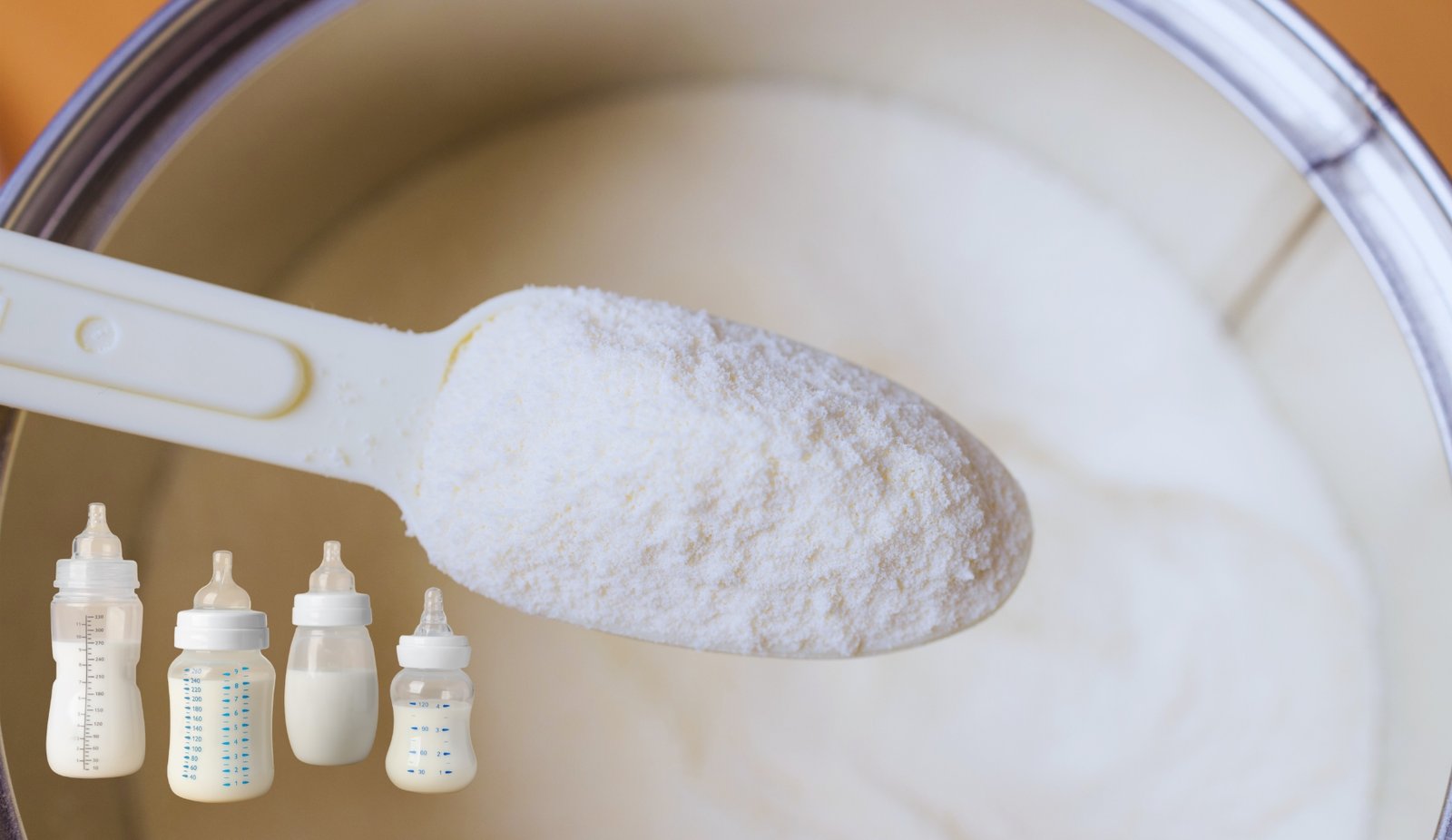
How many calories in infant formula? If you’re a new parent, you’ve probably asked this question while preparing your baby’s next bottle. Understanding the calorie content of formula is essential for ensuring your little one’s healthy growth and development. But how does it really compare to breast milk or different formula brands on the market?
Typically, infant formula provides around 20 calories per ounce, matching the average caloric density of breast milk. Yet, not all formulas are the same—some specialized types for premature or low-weight babies contain slightly higher calorie counts. In this article, we’ll break down the calorie content across popular brands and types, and explain how those numbers affect your baby’s nutrition.
According to Dr. Tanya Altmann, a leading pediatrician and author of What to Feed Your Baby, understanding what’s inside your baby’s bottle is the first step toward balanced nutrition. But calories aren’t the only thing that matters! Let’s explore the full nutritional breakdown of infant formulas and find out how to choose the best one for your baby’s unique needs.
How Many Calories in Infant Formula?
If you’re a new parent or caregiver wondering how many calories in infant formula your baby consumes each day, you’re not alone. Understanding the nutritional value of formula is essential for ensuring your infant’s healthy growth and development.
Calories provide the energy babies need to support rapid physical and cognitive development, making it crucial to understand how formula compares to breast milk and how much your little one truly needs.
Infant formula is designed to mimic the nutritional composition of human breast milk as closely as possible. Most standard baby formulas provide about 20 calories per ounce (approximately 67 calories per 100 milliliters), though the exact value may vary slightly depending on the brand and formulation.
Here’s a quick overview of common calorie ranges in different formula types:
- Cow’s milk-based formula: ~19–20 calories per ounce
- Soy-based formula: ~20 calories per ounce
- Hydrolyzed or hypoallergenic formula: ~20–22 calories per ounce
- Premature or high-calorie formula: ~22–24 calories per ounce
The calorie density is usually listed on the packaging. While most formulas deliver similar energy levels, specialty formulas—such as those designed for preterm infants or babies with specific medical conditions—often contain slightly higher calories to meet unique nutritional needs.
For example, Similac Neosure and Enfamil EnfaCare (for premature infants) deliver around 22 calories per ounce to support faster weight gain. On the other hand, standard options like Enfamil Infant or Similac Advance typically offer 20 calories per ounce, providing balanced energy for healthy full-term babies.
Understanding these distinctions helps you choose the right formula for your baby’s growth pattern and nutritional needs. Always consult your pediatrician before switching or adjusting formula types, especially if your child has allergies, reflux, or digestion issues.
Total Carbohydrates
Carbohydrates are the primary source of energy in infant formula and play a vital role in brain development. They make up roughly 40–45% of total calories in most baby formulas. The main carbohydrate used in standard cow’s milk-based formulas is lactose, the same natural sugar found in breast milk.
Each gram of carbohydrate provides about 4 calories, meaning that if your baby consumes a 20-calorie ounce of formula, approximately 8–9 of those calories come from carbohydrates.
Here’s a closer look at how carbohydrate content can vary depending on the formula type:
- Standard milk-based formulas: Use lactose as the main carbohydrate source.
- Lactose-free or low-lactose formulas: Often replace lactose with corn syrup solids, maltodextrin, or sucrose, making digestion easier for babies who are lactose-intolerant.
- Soy-based formulas: Typically contain corn syrup solids or sucrose since they are made without lactose.
- Specialized or hydrolyzed formulas: May use modified starches or glucose polymers to provide easily digestible energy for sensitive infants.
The balance of carbohydrates in formula ensures that your baby’s energy levels remain stable between feedings, supporting vital processes like metabolism, motor activity, and brain growth.
While it may be tempting to choose lactose-free options due to perceived digestive ease, most full-term babies tolerate lactose perfectly well—just as they would breast milk. Unless your pediatrician advises otherwise, standard lactose-based formulas provide the most natural carbohydrate profile for infants.
Formula-Fed Full-Term Babies
For full-term babies, formula provides a complete and balanced diet during the first 12 months of life. Most pediatricians recommend formulas fortified with essential nutrients such as iron, calcium, vitamin D, choline, DHA, and ARA, which are key for brain and eye development.
Caloric Needs by Age
Caloric intake depends on your baby’s age, size, and growth rate. The general guidelines for full-term infants are:
- Newborns (0–1 month): 90–120 calories per kilogram of body weight per day
- Infants (2–4 months): 95–110 calories/kg/day
- Older infants (5–12 months): 80–100 calories/kg/day
In practical terms, most formula-fed babies drink around:
- 1–2 ounces per feeding in the first few days
- 2–4 ounces per feeding by the end of the first month
- 4–6 ounces per feeding by 2–4 months
- 6–8 ounces per feeding by 6 months and beyond
For example, a 10-pound (4.5 kg) baby might need about 450–500 calories daily, which equates to roughly 22–25 ounces of formula per day.
Balancing Growth and Caloric Intake
Monitoring your baby’s growth using pediatric growth charts is the best way to ensure they are getting adequate calories. Weight gain should typically range between 5–7 ounces per week for the first six months.
If your baby seems unusually hungry, fussy after feedings, or fails to gain weight appropriately, your pediatrician may recommend increasing the calorie density of the formula (for example, preparing it at 22 or 24 calories per ounce instead of 20). However, such adjustments should always be guided by a healthcare professional to avoid over-concentration, which can stress your baby’s kidneys.
Comparing Breast Milk and Formula Calories
It’s worth noting that breast milk contains approximately 19–22 calories per ounce, which is virtually identical to most infant formulas. However, breast milk composition changes throughout feeding and as the baby grows—foremilk is lighter and more hydrating, while hindmilk is richer in fats and calories. Formula, on the other hand, maintains a consistent caloric density across feedings.
Both feeding methods can fully support normal growth and development when used correctly. The key is ensuring your baby receives adequate calories and nutrients in the correct proportions.
Commonly Asked Questions about Calories in Toddler formula (FAQs)
How many calories are in a 4oz bottle of formula?
A standard 4oz bottle of formula contains 80 calories. This calorie level supports proper infant nutrition and is consistent across most milk-based, ready-to-feed, or reconstituted powdered formulas.
How many calories are in formula vs breastmilk?
Both formula and breastmilk contain about 20 calories per ounce. This caloric equivalence is crucial for infant nutrition, ensuring both support healthy growth, though breastmilk composition can vary.
How many calories are in standard formula?
Standard infant nutrition is built on formula that provides 20 calories per fluid ounce, or about 19-20 calories per 30ml. This is the typical caloric density for most supplementation of infant formula.
How to calculate calories in baby formula?
To calculate calories, check the label for kcal per 100ml. For a formula for preterm infants or standard types, multiply the ounces prepared by 20, as most formulas provide 20 calories per ounce.
How many calories are typically in infant formula?
Most infant formulas contain approximately 20 calories per fluid ounce, providing essential nutrients for growth. This calorie content ensures infants receive adequate energy for their developmental needs, whether they are formula-fed or supplemented with human milk.
Are there different types of infant formula for special needs?
Yes, there are specialized formulas for infants with conditions like milk allergies or gastrointestinal issues. Extensively hydrolyzed and amino acid-based formulas cater to these needs, ensuring nutritionally complete options for infants with protein intolerance or failure to thrive.
What are the carbohydrate sources in infant formula?
Infant formulas typically use lactose as a carbohydrate source, similar to human milk. For lactose-intolerant infants, lactose-free formulas or soy formulas provide alternatives, ensuring that carbohydrate intake supports healthy growth without causing gastrointestinal discomfort.
How does calorie intake affect the growth of infants?
Caloric intake is crucial for the growth of infants. Adequate calories support weight gain and development, particularly in preterm infants or those with low birth weight, where proper nutrition is vital for overcoming feeding intolerance and promoting healthy growth.
What should I know about feeding infants with allergies?
Infants with food allergies may require specialized formulas, such as hydrolyzed infant formulas. These options are designed to minimize allergic reactions, providing a safe and nutritionally adequate alternative for infants with milk protein allergy or allergy to soy.
How do I choose the right infant formula for my child?
Choosing the right formula depends on your child’s specific needs, including any food allergies or intolerances. Consulting the American Academy of Pediatrics Committee on Nutrition can guide parents in selecting the most appropriate formula for their child’s diet.
What are the benefits of long-chain polyunsaturated fatty acids in infant formula?
Long-chain polyunsaturated fatty acids, such as docosahexaenoic acid, are beneficial in infant formula for supporting brain development. These nutrients play a crucial role in the cognitive development of infants, particularly in those who are exclusively formula-fed.
Conclusion
Understanding how many calories in infant formula helps parents make informed feeding choices and ensures their baby’s nutritional needs are consistently met. Most standard infant formulas contain about 20 calories per ounce, providing a balanced energy profile similar to breast milk. Carbohydrates—mainly lactose—serve as the primary energy source, while fats and proteins round out the formula to support healthy growth, immune function, and brain development.
For full-term infants, this calorie density is ideal for steady weight gain and normal development. If your baby requires additional calories due to prematurity, slow weight gain, or specific medical conditions, high-calorie or specialized formulas are available under medical supervision.
Always consult your pediatrician before altering your baby’s feeding plan. Each child is unique, and professional guidance ensures that every calorie counts toward healthy, thriving growth.
In summary, whether you choose a standard, soy-based, or specialized formula, understanding its calorie composition empowers you to nourish your baby with confidence—knowing that every bottle supports their journey toward strong, healthy development.
Recommended posts
- Stop Guessing! Here’s How Much Infant Formula to Feed
- When Infant Formula Was Invented? A Look Into Its History
- Choosing the Best Infant Hypoallergenic Formula (Exclusive)
- Acid Reflux Infant Formula: Safe Feeding Solutions for Babies