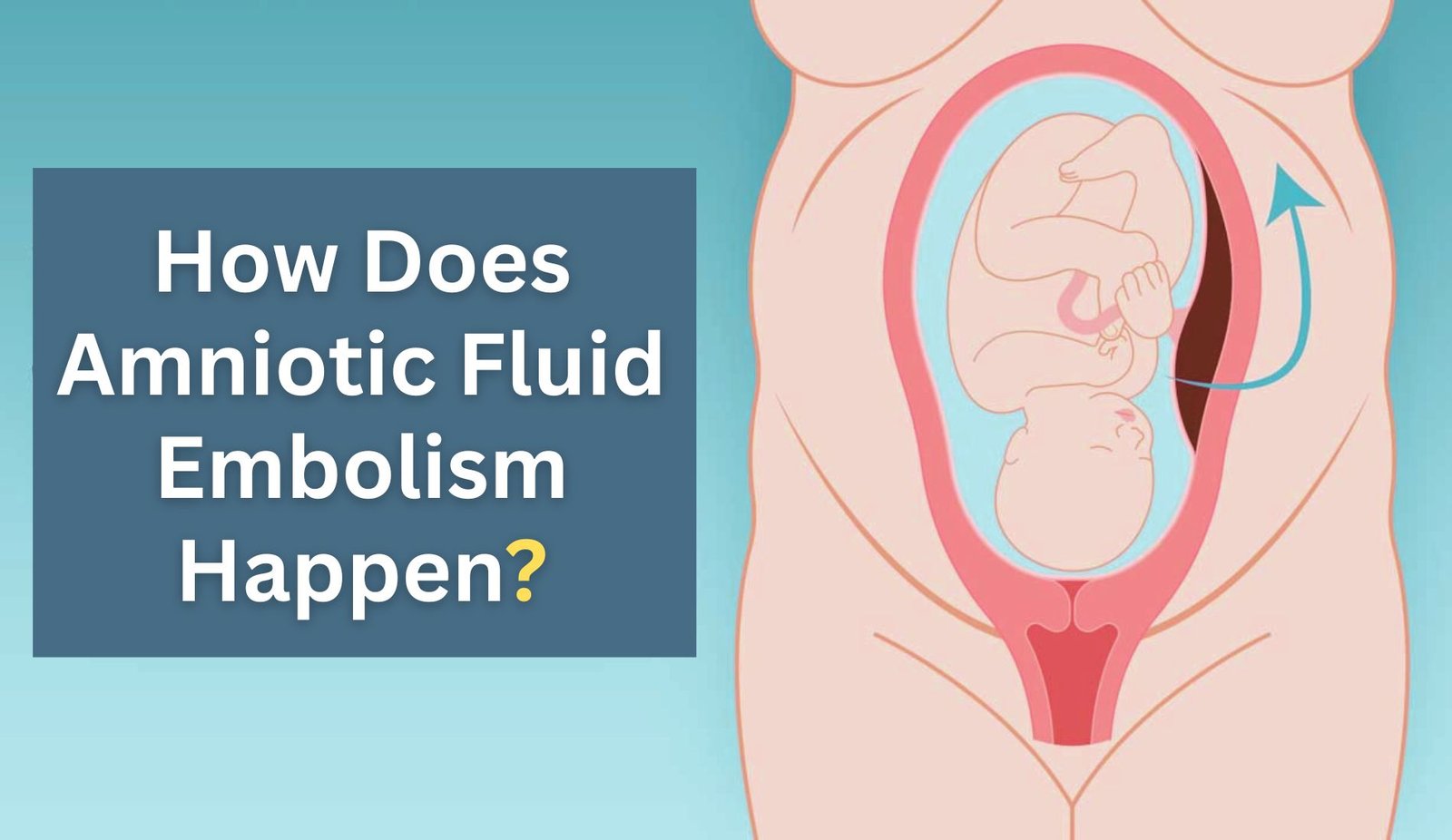
How does amniotic fluid embolism happen? It’s a rare but life-threatening complication that can occur suddenly during childbirth or shortly after delivery. Many people have heard of it, yet few truly understand what causes this severe reaction and why it affects some mothers while sparing others.
In this article, we’ll break down the process behind amniotic fluid embolism (AFE) in simple terms. It occurs when amniotic fluid, fetal cells, or other debris enter the mother’s bloodstream, triggering a severe allergic-like response that affects the heart, lungs, and blood clotting.
Experts like Dr. Steven L. Clark, a leading maternal-fetal medicine specialist, explain that while AFE is unpredictable, understanding its mechanisms can help improve early detection and treatment.
But how can doctors recognize it before it’s too late? And what steps can help reduce its deadly impact? Let’s explore the science, symptoms, and current medical research that shed light on how amniotic fluid embolism happens—and what modern medicine is doing to save more lives.
How Does Amniotic Fluid Embolism Happen?
The precise mechanism of how amniotic fluid embolism happens is not fully understood, but it generally occurs when the natural barriers between the amniotic sac and the maternal circulation are disrupted.
This disruption allows amniotic fluid, which contains fetal antigens, to enter the maternal bloodstream—most commonly through tears in the placental membranes, uterine veins, or cervix during labor, delivery, or surgical procedures such as cesarean section.
Once the amniotic fluid enters the maternal circulation, the body reacts violently. The foreign material triggers an abnormal immune and inflammatory response, leading to a cascade of physiological events:
- Cardiopulmonary collapse: The mother experiences a sudden drop in blood pressure, shortness of breath, and oxygen deprivation.
- Acute respiratory distress: The lungs become filled with fluid, impairing oxygen exchange.
- Coagulopathy: Within minutes, blood clotting factors are consumed, leading to uncontrolled bleeding.
- Cardiac arrest: In severe cases, the mother’s heart stops suddenly, requiring immediate resuscitation.
AFE can occur suddenly, without warning, and often during labor, delivery, or shortly after childbirth. The onset is rapid, making early detection and emergency response critical for survival.
Amniotic Fluid Embolism Pathophysiology
The pathophysiology of amniotic fluid embolism involves a complex sequence of immune, inflammatory, and hemodynamic reactions triggered by the entry of fetal material into the maternal bloodstream. Unlike a true embolism caused by physical blockage, AFE acts more like an anaphylactoid reaction—a severe allergic-type response.
Phase 1: Pulmonary and Cardiac Collapse
- When amniotic fluid enters the maternal veins, substances such as fetal squamous cells, lanugo, and trophoblastic debris travel to the lungs.
- This causes sudden pulmonary vasospasm, increasing pressure in the pulmonary arteries and leading to acute right heart failure.
- As blood flow to the lungs decreases, oxygen levels plummet, causing severe hypoxia and cyanosis (bluish discoloration of the skin).
Phase 2: Hemorrhagic and Coagulopathic Phase
- The maternal immune system reacts to fetal antigens as foreign invaders, triggering widespread inflammation and release of cytokines.
- This leads to disseminated intravascular coagulation (DIC), where clotting factors are rapidly used up, resulting in massive bleeding.
- Women may experience uncontrolled uterine bleeding, low platelet count, and shock.
This two-phase reaction explains why many AFE survivors initially collapse due to respiratory failure and then face life-threatening postpartum hemorrhage.
What Causes Amniotic Fluid Embolism? Causes and Risk Factors
The exact cause of amniotic fluid embolism is still debated, as it is not purely mechanical. It involves both physical entry of amniotic material and maternal hypersensitivity reactions. However, several predisposing factors increase the likelihood of AFE.
Common Causes and Triggers:
- Tears or ruptures in the placental membranes or uterine veins
- Strong uterine contractions or trauma during labor
- Cesarean section, induction, or instrumental delivery (e.g., forceps, vacuum extraction)
- Placental abruption or previa (when the placenta detaches or covers the cervix)
- Cervical lacerations or uterine rupture
- Polyhydramnios (excess amniotic fluid increasing intrauterine pressure)
Risk Factors Include:
- Advanced maternal age (over 35 years): Older mothers have a higher incidence of obstetric complications.
- Multiparity: Women who have given birth multiple times are slightly more prone.
- Rapid or tumultuous labor: Intense contractions may increase pressure, pushing amniotic fluid into maternal vessels.
- Placental disorders: Abnormal placentation or previa raises rupture risks.
- Medical procedures: Amniocentesis, cesarean delivery, or uterine surgery can create pathways for fluid entry.
- Preeclampsia or eclampsia: High blood pressure-related conditions can weaken vascular integrity.
While these factors may elevate risk, AFE can occur even in healthy women with normal pregnancies, underscoring its unpredictable nature.
Has Anyone Survived Amniotic Fluid Embolism?
Yes—although amniotic fluid embolism has a high fatality rate, survival is possible, especially with rapid diagnosis and intensive care. Historically, AFE had a maternal mortality rate exceeding 60–80%. However, advances in critical care, emergency response, and awareness have improved survival rates significantly, now estimated at 30–40% in developed countries.
Key Factors Influencing Survival:
- Immediate recognition: Swift identification of symptoms like sudden breathlessness, cardiac arrest, or severe bleeding.
- Rapid resuscitation: Prompt administration of oxygen, fluids, and cardiac support.
- Multidisciplinary care: Coordinated action among obstetricians, anesthesiologists, and critical care specialists.
- Blood transfusion and clotting support: Replacement of blood and coagulation factors to control hemorrhage.
Some mothers and babies survive with minimal complications, while others face long-term effects such as neurological damage, organ failure, or prolonged intensive care. Early intervention remains the most decisive factor in determining outcomes.
When Is the Most Common Time for Amniotic Fluid Embolism?
AFE most commonly occurs during labor, delivery, or immediately postpartum—specifically within minutes to hours of childbirth. However, rare cases have been reported during:
- Induction of labor (especially with strong contractions or prostaglandins)
- Cesarean section or vaginal delivery
- Manual removal of the placenta
- Abortion or second-trimester procedures
The timing correlates with moments when uterine or placental vessels are most likely to rupture or open, allowing amniotic fluid to enter the maternal bloodstream. Because of this, continuous monitoring during active labor and postpartum observation are crucial for early detection.
Who Is at Highest Risk for Amniotic Fluid Embolism?
While any pregnant person can potentially experience an AFE, statistical analysis points to specific demographic and clinical profiles that carry the highest relative risk. The individual at highest risk is often one who has a combination of the following factors:
- Advanced Maternal Age (Especially over 35): Age is one of the most consistently identified risk factors.
- Multiparity: Women who have had multiple previous pregnancies and deliveries.
- A Medical Induction of Labor: Particularly in the presence of other risk factors like advanced maternal age.
- A Pre-existing Placental Condition: Such as placenta previa or abruption.
- A Macrosomic (Large) Baby: Which can lead to more difficult labor and a higher likelihood of operative delivery.
- Polyhydramnios: As mentioned, the increased intrauterine pressure is a contributing factor.
- Males Fetus: Some studies have noted a slightly higher incidence in pregnancies with a male fetus, though the reason for this is unknown.
It is the convergence of multiple risk factors that elevates the risk most significantly, though AFE’s inherent unpredictability means it can and does occur in women with no identifiable risk factors at all.
Common Questions about Diagnosis of Amniotic Fluid Embolism Complication (FAQs)
How Does an Amniotic Fluid Embolism Occurs?
An amniotic fluid embolism occurs when the entry of amniotic fluid enters the maternal bloodstream through a defect in the uterus. This typically happens during labor or delivery, triggering a severe allergic-like reaction.
What is amniotic fluid embolism and how does it occur?
Amniotic fluid embolism (AFE) is a rare but serious complication that may occur during labor and delivery. It happens when amniotic fluid, fetal tissue, or other components enter the maternal pulmonary circulation, leading to a severe reaction. The exact mechanism is not fully understood, but it is believed that the entry of these substances into the bloodstream triggers an inflammatory response, causing cardiovascular collapse and respiratory distress.
What are the signs and symptoms of AFE?
The signs and symptoms of AFE may present suddenly and include difficulty breathing, chest pain, rapid heartbeat, and low blood pressure. Patients may also exhibit signs of anaphylaxis, such as swelling and hives. Immediate recognition of these symptoms is crucial for the management of amniotic fluid embolism.
How is amniotic fluid embolism diagnosed?
Diagnosing amniotic fluid embolism can be challenging due to its acute onset and the overlap of symptoms with other conditions. Healthcare providers often rely on a combination of clinical assessment, patient history, and exclusion of other potential causes. The diagnosis of AFE may be confirmed by the presence of fetal tissue or amniotic fluid components in the maternal bloodstream.
What are the risk factors for developing AFE?
Several risk factors for amniotic fluid embolism have been identified, including advanced maternal age, multiparity, and certain obstetric procedures such as cesarean delivery. The condition is also more likely to occur during labor and delivery or in the second trimester of pregnancy. Awareness of these risk factors can help healthcare teams monitor at-risk patients more closely.
What is the immediate treatment for AFE?
Management of amniotic fluid embolism requires immediate treatment, as it is considered a medical emergency. Initial interventions typically include stabilizing the patient, providing oxygen, and administering intravenous fluids and blood products. In severe cases, extracorporeal membrane oxygenation (ECMO) may be necessary to support respiratory and circulatory function.
How does AFE impact infant survival?
The impact of amniotic fluid embolism on infant survival varies, but data from the National Amniotic Fluid Registry suggest that neonatal outcomes can be affected by the mother’s condition. Prompt management and stabilization of the mother can improve chances for fetal well-being during childbirth.
What are the long-term complications associated with AFE?
Patients who survive amniotic fluid embolism may experience long-term complications, including neurological deficits, pulmonary issues, and psychological effects stemming from the traumatic event. The healthcare team should provide comprehensive follow-up care to address these potential complications.
What is the incidence of AFE during pregnancy and childbirth?
Amniotic fluid embolism is a rare condition, with an incidence estimated at 1 in 8,000 deliveries. Despite its low occurrence, the serious nature of AFE necessitates that all healthcare providers involved in labor and delivery are aware of the signs and symptoms to ensure prompt diagnosis and intervention.
Conclusion
Understanding How Does Amniotic Fluid Embolism Happen is crucial for improving maternal outcomes and reducing mortality. This rare obstetric emergency occurs when amniotic fluid or fetal debris enters the maternal bloodstream, triggering a cascade of immune and cardiovascular responses that can rapidly become life-threatening.
Although AFE is unpredictable, timely recognition, rapid resuscitation, and coordinated critical care can dramatically improve survival. High-risk mothers, medical professionals, and birth attendants must remain vigilant during labor, delivery, and the postpartum period.
Modern obstetrics continues to advance with improved diagnostic tools, simulation-based training, and intensive care support—giving hope to mothers and families affected by this devastating condition. Awareness, preparedness, and swift medical intervention remain the most effective defenses against the unpredictable nature of amniotic fluid embolism.
Recommended posts
- Effective Amniotic Fluid Embolism Management (Best Practices)
- How to Prevent Amniotic Fluid Embolism? (Medical Guidance)
- How Common Is Amniotic Fluid Embolism: (Facts & Statistics)
- Pathophysiology of Amniotic Fluid Embolism (In-Depth Overview)
- 9 Shocking Amniotic Fluid Embolism Causes (Shouldn’t Ignore)