High fertility vs peak fertility—what’s the difference, and why does it matter when you’re trying to conceive? Are both equally good times to try for a baby, or does timing truly make all the difference? Understanding your fertility window can greatly improve your chances of pregnancy.
0t to occur within 24–36 hours. Ovulation predictor kits and apps often show both phases. In this article, we explain the biological timing, how to track it, and when sex is most likely to result in conception.
Dr. Kaylen Silverberg, a top fertility specialist, stresses that knowing the exact timing of peak fertility can double your chances. Want to maximize your window of opportunity? Let’s clear up the confusion and help you pinpoint your most fertile moments with confidence.
Key Differences Between High Fertility Vs Peak Fertility
When discussing fertility, especially in the context of menstrual cycles and conception, the terms “high fertility” and “peak fertility” refer to different phases of a woman’s fertile window. Here are the key differences:
1. Timing in the Menstrual Cycle
- High Fertility: Occurs in the days leading up to ovulation (typically 3-5 days before ovulation).
- Peak Fertility: Refers to the 1-2 days right before and including ovulation, when the chance of conception is highest.
2. Chance of Pregnancy
- High Fertility: Sperm can survive up to 5 days, so intercourse during this phase can still lead to pregnancy.
- Peak Fertility: The best chance of conception occurs here because the egg is released and viable for 12-24 hours.
3. Hormonal & Physical Signs
- High Fertility:
- Rising estrogen levels.
- Cervical mucus becomes creamy or sticky, then transitions to wet, stretchy (egg-white consistency).
- Slight increase in libido.
- Peak Fertility:
- Luteinizing Hormone (LH) surges (detected by ovulation predictor kits).
- Cervical mucus is clear, slippery, and stretchy (optimal for sperm survival).
- Possible ovulation pain (mittelschmerz) or slight spotting.
4. Detection Methods
- High Fertility: Tracked via basal body temperature (BBT) shifts, fertility monitors, or cervical mucus changes.
- Peak Fertility: Confirmed by LH surge tests (OPKs) or a sudden rise in BBT after ovulation.
5. Best Time for Conception
- High Fertility: Having sex every other day helps ensure sperm are present when ovulation occurs.
- Peak Fertility: The most critical window—intercourse should ideally happen the day before and the day of ovulation.
Summary Table:
| Feature | High Fertility | Peak Fertility |
|---|---|---|
| Timing | 3-5 days before ovulation | 1-2 days (ovulation day + day before) |
| Pregnancy Chance | Good (sperm survival) | Highest (egg release) |
| Cervical Mucus | Sticky → Egg-white | Clear, stretchy (optimal) |
| Key Hormone | Rising Estrogen | LH Surge |
| Detection | BBT, mucus tracking | OPKs, BBT spike |
Bottom Line
- High fertility = Pre-ovulation phase (sperm can wait for the egg).
- Peak fertility = Ovulation phase (egg is ready for fertilization).
For the best chance of conception, couples should aim to have sex both during high fertility and peak fertility days.
How Do you Know your High and Peak fertility days?
Identifying your high and peak fertility days involves tracking various fertility signs and using ovulation tests. One of the most common methods is monitoring changes in cervical mucus. As ovulation approaches, cervical mucus becomes clearer, stretchy, and more abundant, indicating heightened fertility.
Additionally, ovulation tests can determine the surge in LH levels, signaling that ovulation is imminent. Using these methods in conjunction can provide a comprehensive understanding of your fertility window, ensuring you don’t miss your peak fertility days.
Another effective way to track your fertility is by observing your menstrual cycle. Knowing your average cycle length can help predict when ovulation will occur. Typically, ovulation happens about 14 days before the start of your next period.
For those with irregular cycles, maintaining a journal of symptoms, LH surge, and cervical mucus can be beneficial. Digital fertility trackers and apps can also assist in monitoring hormone fluctuations and pinpointing both high fertility and peak fertility days more accurately.
Which One is the True Peak Ovulation Test?
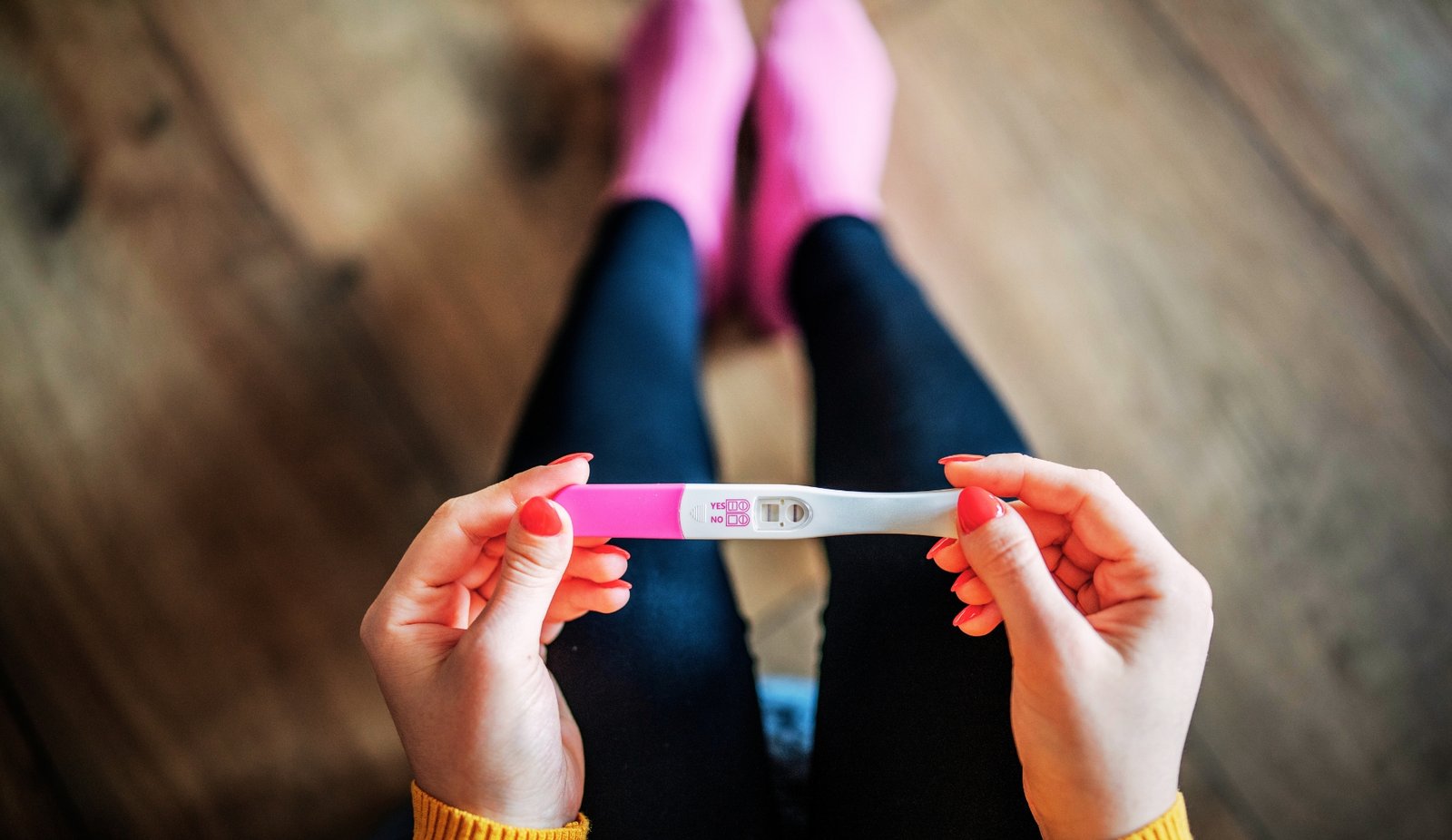
The true peak ovulation test is one that accurately detects the LH surge, indicating the body’s preparation for ovulation. Various ovulation predictor kits (OPKs) are available on the market, and they are designed to measure the LH levels in urine.
A reliable test will show a positive result when LH levels are at their highest, which typically occurs 24 to 48 hours before the peak day of ovulation. Using these tests can help pinpoint the exact moment when your body is most ready for conception.
However, it’s essential to understand that not all ovulation tests are created equal. Some may be more sensitive than others, detecting LH surges more effectively.
If you’re trying to conceive, investing in a high-quality ovulation test can significantly increase your chances of success. It’s also helpful to combine the results from these tests with other fertility signs, such as changes in cervical mucus, to ensure you’re accurately identifying your peak fertility period.
3 Common Types of LH Surge Patterns
The luteinizing hormone (LH) surge is crucial for ovulation, and its pattern varies from woman to woman. Here are three common types of LH surge patterns:
1. Classic Surge
- Description: A rapid rise in LH levels, peaking within 24–48 hours, followed by a sharp decline.
- Duration: Typically lasts about 12–36 hours.
- Ovulation Timing: Usually occurs 12–48 hours after the peak.
- Common in: Most women with regular cycles.
2. Slow-Rise Surge
- Description: LH levels increase gradually over 2–3 days before peaking, then decline slowly.
- Duration: Can last 48–72 hours or longer.
- Ovulation Timing: Often happens after the peak or near the end of the surge.
- Common in: Women with longer or irregular cycles (e.g., PCOS).
3. Biphasic (Double) Surge
- Description: Two distinct LH surges—an initial small rise, a brief drop, then a second, stronger surge.
- Duration: The entire process may take 3–5 days.
- Ovulation Timing: Typically occurs after the second peak.
- Common in: Some women with hormonal fluctuations or anovulatory cycles that self-correct.
Key Notes:
- Tracking LH with ovulation predictor kits (OPKs) helps identify these patterns.
- Variations are normal, but persistent irregularities may indicate hormonal imbalances (e.g., PCOS, hypothalamic dysfunction).
Chances of Conception at High and Peak Fertility
The chances of conception vary significantly between high fertility and peak fertility days. During high fertility days, the likelihood of getting pregnant is substantial, but it is during peak fertility that the chances reach their maximum.
Studies indicate that sperm can live up to five days in a woman’s reproductive tract, which means having intercourse during the high fertility window can set up optimal conditions for conception when ovulation occurs. However, timing intercourse on the actual peak day maximizes the potential for fertilization.
Moreover, understanding the relationship between timing and conception can enhance fertility efforts. Couples trying to conceive should aim to have intercourse in the days leading up to ovulation and on the peak day itself.
This strategy takes advantage of the sperm’s lifespan and ensures that they are present when the egg is released. By focusing on both high and peak fertility days and understanding the chances of conception associated with each, couples can significantly improve their odds of achieving pregnancy.
Gain a Better Understanding of your Fertility Hormones
Gaining a better understanding of your fertility hormones is crucial for anyone looking to conceive. Hormones such as estrogen and progesterone play vital roles in regulating the menstrual cycle and preparing the body for pregnancy.
The luteinizing hormone (LH) is particularly important, as its surge triggers ovulation. Additionally, follicle-stimulating hormone (FSH) helps develop ovarian follicles that contain the eggs. By monitoring these hormones, you can gain insight into your menstrual cycle phases, high fertility, and peak fertility days.
Moreover, understanding how these hormones interact can help in fertility treatments and planning. For example, if hormonal imbalances are suspected, medical professionals may recommend blood tests to assess hormone levels.
This information can guide interventions, such as medication or lifestyle changes, aimed at optimizing fertility. By becoming more aware of your hormone levels and their effects on ovulation, you can better track your fertility and increase your chances of getting pregnant.
Key Fertility Terms to Remember
Here are some key fertility terms to remember:
Basic Terms
- Fertility – The natural ability to conceive or produce offspring.
- Infertility – The inability to conceive after 12 months of regular unprotected sex (or 6 months if the woman is over 35).
- Subfertility – Reduced fertility, where conception is possible but may take longer than average.
Female Reproductive Terms
- Ovulation – The release of a mature egg from the ovary, typically occurring mid-cycle.
- Menstrual Cycle – The monthly hormonal cycle (usually 28-35 days) preparing the body for pregnancy.
- Follicle – A fluid-filled sac in the ovary containing an immature egg.
- Corpus Luteum – The structure formed after ovulation that produces progesterone to support early pregnancy.
- Endometrium – The lining of the uterus that thickens in preparation for embryo implantation.
- AMH (Anti-Müllerian Hormone) – A hormone indicating ovarian reserve (egg quantity).
- FSH (Follicle-Stimulating Hormone) – A hormone that stimulates egg development.
Male Reproductive Terms
- Sperm Count – The number of sperm in a semen sample.
- Motility – The ability of sperm to swim effectively.
- Morphology – The shape and structure of sperm.
- Azoospermia – Absence of sperm in semen.
- Oligospermia – Low sperm count.
Conception & Pregnancy Terms
- Conception – The fertilization of an egg by sperm, forming an embryo.
- Implantation – When the embryo attaches to the uterine lining (~6-10 days after ovulation).
- Gestation – The period of fetal development (typically 40 weeks).
- Ectopic Pregnancy – A pregnancy that implants outside the uterus (often in the fallopian tube).
Fertility Treatments
- IUI (Intrauterine Insemination) – Placing sperm directly into the uterus.
- IVF (In Vitro Fertilization) – Combining eggs and sperm in a lab, then transferring the embryo to the uterus.
- ICSI (Intracytoplasmic Sperm Injection) – Injecting a single sperm directly into an egg (used in IVF).
- Ovulation Induction – Using medications (e.g., Clomid, Letrozole) to stimulate egg release.
- Surrogacy – When another woman carries a pregnancy for intended parents.
Miscellaneous Terms
- PCOS (Polycystic Ovary Syndrome) – A hormonal disorder affecting ovulation.
- Endometriosis – A condition where uterine tissue grows outside the uterus, potentially affecting fertility.
- TTC (Trying to Conceive) – The period when a couple is actively attempting pregnancy.
- BBT (Basal Body Temperature) – Tracking temperature to detect ovulation.
- HSG (Hysterosalpingogram) – An X-ray test to check fallopian tube blockage.
- Semen Analysis – A test evaluating sperm count, motility, and morphology.
Commonly Asked Questions about High Vs Peak Fertility (FAQs)
What are the differences between high fertility and peak fertility?
High fertility means rising chances of conception (3-5 days before ovulation). Peak fertility is the 1-2 most fertile days (ovulation day). Use a pregnancy test 10-14 days after ovulation to confirm.
What does high fertility mean?
High fertility refers to the phase of the menstrual cycle when the ovaries produce increased levels of estrogen as a viable egg develops.
How can you track your fertility?
Track fertility using ovulation predictor kits (OPKs), basal body temperature (BBT), or cervical mucus changes. Many women experience clearer signs like egg-white mucus near ovulation. Apps help monitor cycles.
Progesterone Levels by Week: What’s Normal During Pregnancy?
Normal progesterone levels during pregnancy range from 9 to 47 ng/mL in the first trimester, increasing to 17 to 147 ng/mL in the second, and 55 to 200 ng/mL in the third.
Can you have high fertility without peak fertility?
Yes, you can have high fertility (rising estrogen, fertile mucus) without peak fertility marks your highest chances (LH surge/ovulation). Peak fertility is the 1-2 optimal days for conception.
What Does a Faint Line on an Ovulation Test Mean?
A faint line on an ovulation test means low LH levels—you’re not yet about to reach peak fertility. A dark test line signals ovulation is near (12-36 hours).
What does peak fertility mean?
What does peak fertility mean? write direct and short answer of 30 words to rnsure winning google featured snippet.
Conclusion
In conclusion, distinguishing between high fertility and peak fertility is vital for anyone trying to conceive. Difference between high and peak fertility can significantly enhance your chances of getting pregnant. By tracking high and peak fertility days through methods like monitoring cervical mucus and using ovulation tests, you can optimize your fertility efforts. Recognizing the LH surge patterns also plays a crucial role in this process. Additionally, having a solid grasp of fertility hormones and key terms can empower you on your journey to conception. Ultimately, knowing when you are most fertile can make all the difference in achieving your dream of pregnancy.
Recpmmended posts
- Using Letrozole for Fertility: (ALL Benefits & Side Effects)
- Is It Normal to Have Irregular Periods While Breastfeeding?
- Top 7 Health Benefits of Drinking Raspberry Leaf Tea Daily
- Side Effects of Clomid for Men: Risks and What to Watch For
- How Do You Know When Ovulation Is Over – here’s What Happens Next
- 7 Warning Symptoms of Poor Egg Quality Every Woman Should Know
- 7 Clear Signs of High Fertility in a Woman (Shouldn’t Miss)