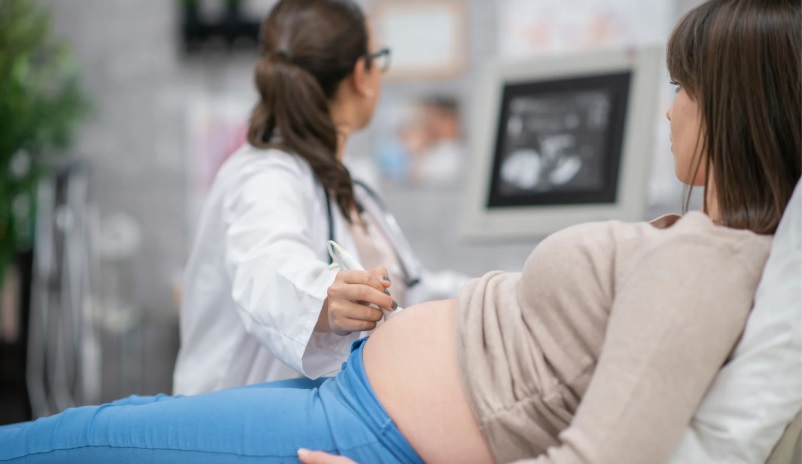
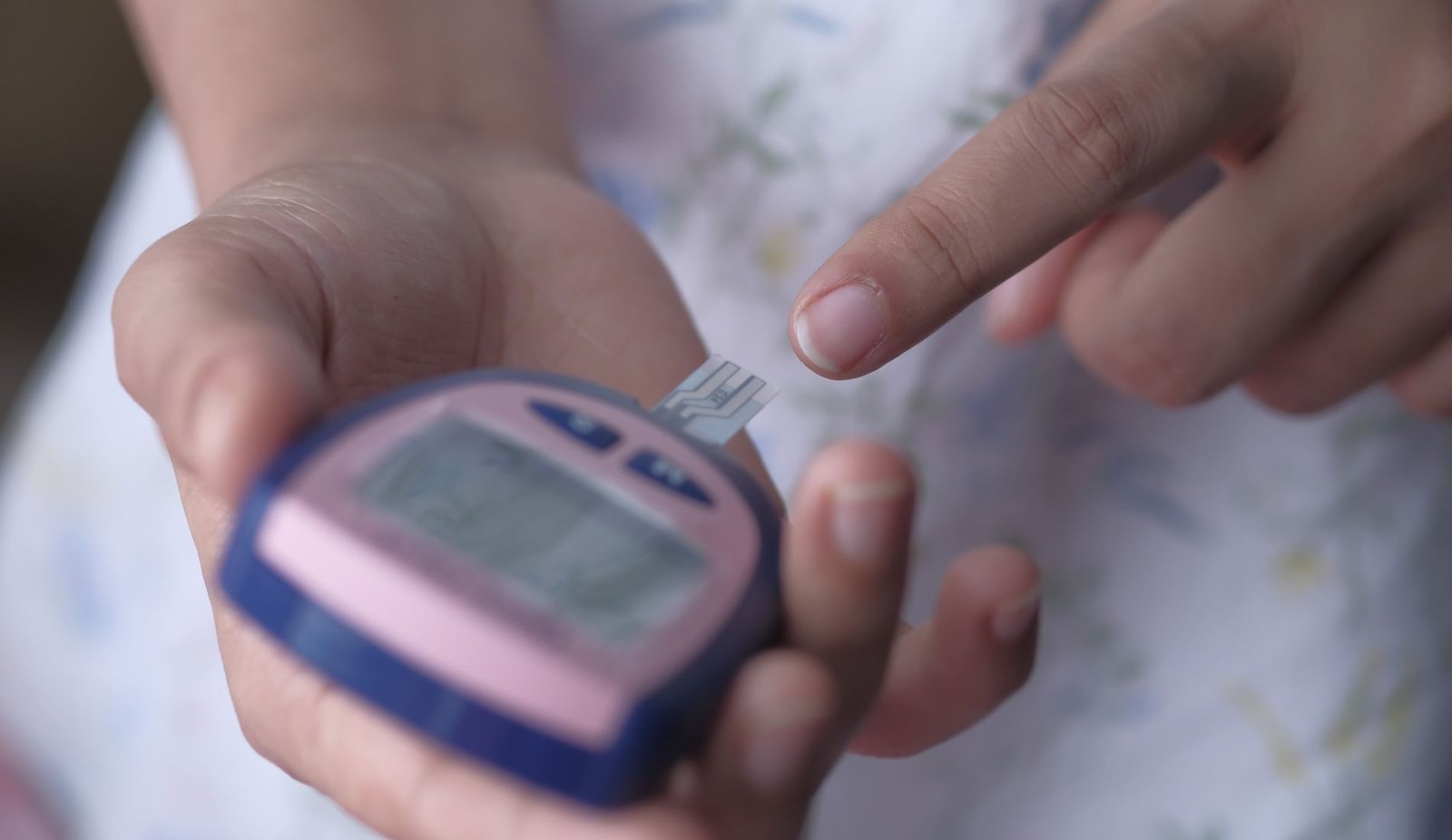
Have you ever wondered how gestational diabetes and preeclampsia can impact both mother and baby during pregnancy? These two conditions often appear unexpectedly and can raise serious health concerns if not managed early. Why do some women develop them while others don’t, and what signs should you watch for? Understanding these risks is the first step toward a healthier pregnancy journey.
Gestational diabetes mellitus occurs when blood sugar levels rise during pregnancy, while pre-eclampsia involves high blood pressure and potential organ complications.
According to the American College of Obstetricians and Gynecologists (ACOG), both conditions can increase risks for premature birth and long-term health problems for mother and child. This article breaks down key symptoms, proven prevention strategies, and expert-backed management tips.
Renowned maternal-fetal medicine specialist Dr. Elizabeth Cherot highlights the importance of early screening and proper prenatal care to reduce these risks. Curious about the latest medical insights and actionable steps you can take? Let’s dive deeper into how to protect both mom and baby with evidence-based guidance.
Is Type 2 Diabetes a Risk Factor for Preeclampsia?
Before delving into the specific relationship between gestational diabetes mellitus and preeclampsia, it is essential to address a related and crucial question: Does pre-existing Type 2 Diabetes (T2D) increase a woman’s risk of developing preeclampsia? The answer, supported by decades of robust clinical evidence, is a resounding yes.
Women with Type 2 Diabetes who become pregnant enter a high-risk category from the outset. Their risk of developing preeclampsia is significantly elevated compared to women without diabetes. Several pathophysiological mechanisms explain this strong association:
- Endothelial Dysfunction: Both T2D and preeclampsia are fundamentally linked to damage of the endothelium—the thin layer of cells lining blood vessels. Chronic high blood sugar levels in diabetes lead to oxidative stress and inflammation, which impair the endothelium’s ability to function properly. This pre-existing endothelial vulnerability creates a fertile ground for the vascular dysfunction that defines preeclampsia.
- Insulin Resistance: Insulin resistance, a hallmark of T2D, is not merely a blood sugar issue. It is intricately connected to vascular health. Insulin resistance promotes vasoconstriction (narrowing of blood vessels) and increases the reabsorption of sodium by the kidneys, both of which contribute to elevated blood pressure.
- Preexisting Comorbidities: Women with T2D often have co-occurring conditions that are independent risk factors for preeclampsia. These include chronic hypertension, obesity, and dyslipidemia (abnormal cholesterol levels). This cluster of conditions creates a perfect storm, dramatically increasing the strain on the cardiovascular system during pregnancy.
Therefore, pre-existing Type 2 Diabetes is one of the strongest identifiable risk factors for preeclampsia. This established connection provides a critical foundation for understanding how gestational diabetes, which also involves significant insulin resistance, can similarly predispose a woman to preeclampsia.
The Connection Between Gestational Diabetes and Preeclampsia
The link between Gestational Diabetes and Preeclampsia is not merely correlational; it is causal and rooted in shared biological pathways. While not every woman with GDM will develop PE, the statistical association between preeclampsia and the severity of gestational diabetes is strong and well-documented.
Women with GDM are two to four times more likely to develop preeclampsia than women with normal glucose tolerance during pregnancy.
The connection can be visualized as two conditions emerging from a common soil of metabolic and vascular dysfunction, which is exacerbated by the physiological stresses of pregnancy. The primary mechanisms linking them include:
- Shared Risk Factors: Both conditions share several common risk factors, such as maternal obesity, advanced maternal age, and a family history of diabetes or hypertension. This means that the same underlying predisposition can lead to either or both conditions.
- Insulin Resistance as a Central Player: During a normal pregnancy, the body naturally becomes somewhat insulin resistant to ensure the growing fetus has a ample glucose supply. In GDM, this resistance is exaggerated. This heightened insulin resistance does more than raise blood sugar; it activates inflammatory pathways and promotes the release of substances that damage blood vessels, directly contributing to the endothelial dysfunction seen in preeclampsia.
- Oxidative Stress and Inflammation: Both GDM and PE are considered pro-inflammatory states. Insulin resistance and hyperglycemia generate an excess of reactive oxygen species (ROS), leading to oxidative stress. This oxidative stress damages cells and signals the immune system to launch an inflammatory response, which further injures the endothelium and disrupts the function of the placenta (a key organ in the development of preeclampsia).
- Dyslipidemia: Women with GDM often exhibit a specific pattern of abnormal blood lipids—high levels of triglycerides and low levels of HDL (“good”) cholesterol. This atherogenic lipid profile contributes to the buildup of fatty deposits in blood vessels and exacerbates systemic inflammation, fueling the processes that lead to preeclampsia.
In essence, gestational diabetes doesn’t just happen to occur alongside preeclampsia; it actively contributes to the metabolic and vascular environment that allows preeclampsia to develop.
What Happens if you Have Preeclampsia and Gestational diabetes?
The co-diagnosis of gestational diabetes mellitus and preeclampsia represents a high-risk pregnancy scenario that demands intensive management. The combination is often described as synergistic, meaning the negative effects of each condition are more than additive; they compound one another, leading to significantly worse outcomes for both the mother and the fetus.
Maternal Risks:
- Severe Preeclampsia and Eclampsia: The risk of the disease progressing to severe features, including HELLP syndrome (a life-threatening combination of hemolysis, elevated liver enzymes, and low platelet count) or eclampsia (the onset of seizures), is markedly increased.
- Early Delivery: The only “cure” for preeclampsia is delivery of the baby and placenta. With a dual diagnosis, the likelihood of requiring a medically necessary preterm delivery (before 37 weeks) is very high. This is done to prevent life-threatening complications in the mother.
- Cesarean Delivery: The rate of C-section is significantly higher due to fetal distress or failure to progress in labor, often related to the compromised placental environment.
- Long-Term Cardiovascular Disease: A diagnosis of either GDM or PE independently increases a woman’s lifetime risk of developing cardiovascular disease, Type 2 Diabetes, and chronic hypertension. Having both conditions doubles down on this risk, making lifelong cardiovascular surveillance and lifestyle modification absolutely critical.
Fetal and Neonatal Risks:
- Intrauterine Growth Restriction (IUGR): While GDM can lead to large babies (macrosomia), the combination with preeclampsia can have the opposite effect. Preeclampsia can impair placental function, restricting the flow of oxygen and nutrients to the fetus and leading to poor growth.
- Preterm Birth and its Complications: A premature birth, necessitated by the mother’s condition, exposes the baby to all the risks associated with prematurity, including respiratory distress syndrome, intraventricular hemorrhage, and long-term neurodevelopmental challenges.
- Placental Abruption: The vascular instability caused by both conditions increases the risk of the placenta separating from the uterine wall before delivery, a medical emergency that threatens the lives of both mother and baby.
- Perinatal Mortality: The risk of stillbirth or newborn death is elevated in pregnancies complicated by both GDM and PE compared to those with only one condition.
Management of this dual diagnosis requires a multidisciplinary team, including maternal-fetal medicine specialists, endocrinologists, and neonatologists. Care focuses on stringent blood sugar control, aggressive blood pressure management, and meticulous fetal surveillance to determine the optimal, and often earliest safe, time for delivery.
Factors Associated With Occurrence of PE in Women With GDM
Not every woman with gestational diabetes will develop preeclampsia. Research has identified specific factors within the GDM population that significantly heighten this risk. Identifying these factors allows healthcare providers to stratify risk and tailor monitoring and preventive strategies accordingly.
- Pre-pregnancy Obesity (High BMI): A high Body Mass Index before conception is one of the most potent modifiable risk factors. Adipose (fat) tissue is metabolically active, producing inflammatory cytokines and hormones that exacerbate both insulin resistance and endothelial dysfunction.
- Poor Glycemic Control: Women with GDM who have difficulty achieving target blood glucose levels, evidenced by high fasting or postprandial readings and elevated HbA1c levels, are at a much greater risk. This indicates a greater degree of metabolic dysregulation, which directly fuels the pathways to preeclampsia.
- Early Diagnosis of GDM: Being diagnosed with gestational diabetes earlier in pregnancy (e.g., in the first or early second trimester) suggests a more significant underlying metabolic issue, often related to pre-pregnancy insulin resistance. This longer duration of exposure to a hyperglycemic and inflammatory environment increases the window of opportunity for PE to develop.
- Requiring Pharmacological Therapy: Women whose GDM cannot be managed with diet and exercise alone and who require insulin or oral hypoglycemic agents (like metformin) have, by definition, more severe disease. This need for medication is a clear marker of increased risk for developing preeclampsia.
- Previous History of Preeclampsia: A woman with GDM who has had preeclampsia in a prior pregnancy has an exceptionally high risk of recurrence.
- Non-White Race/Ethnicity: Women of African American, Hispanic, and South Asian descent have a higher baseline risk for both GDM and PE, and this risk is further compounded when the conditions overlap, often due to disparities in healthcare and underlying genetic predispositions.
Effect of GDM on the Occurrence of PE in Twin Pregnancy and in Pregnant Women
The interplay between GDM and PE becomes even more complex and perilous in the context of multiple pregnancies, particularly twin gestations.
Twin pregnancies are independently associated with a higher incidence of both gestational diabetes and preeclampsia. The physiological demands of supporting two fetuses lead to greater insulin resistance and a more pronounced strain on the maternal cardiovascular system. When GDM is superimposed on a twin pregnancy, the risk of developing preeclampsia escalates dramatically.
- Amplified Physiological Stress: A twin pregnancy represents a state of “super pregnancy.” The placenta is larger (or there are two placentas), producing higher levels of hormones that antagonize insulin. This creates a more severe degree of insulin resistance than in a singleton pregnancy with GDM.
- Greater Placental Mass: Preeclampsia is a disorder of the placenta. The larger placental mass in a twin pregnancy means a greater source of the inflammatory and anti-angiogenic factors (substances that impede blood vessel formation) that are released into the maternal circulation, triggering the maternal symptoms of preeclampsia. When this is combined with the pro-inflammatory state of GDM, the effect is potentiated.
- Synergistic Risk: Studies have consistently shown that the coexistence of GDM and a twin pregnancy has a synergistic, rather than simply additive, effect on preeclampsia risk. This means the combined risk is greater than the sum of the individual risks. For these women, prenatal care is intensely focused on monitoring for signs of PE from the early second trimester onward.
This highlights the critical need for specialized care for women with multiple pregnancies, especially if they develop GDM, as they represent one of the highest-risk cohorts in obstetrics.
Common Questions about the Link Preeclampsia and Gestational Diabetes in Pregnancy (FAQs)
What is gestational diabetes and how is it diagnosed?
Gestational diabetes mellitus (GDM) is a type of diabetes that develops during pregnancy, usually diagnosed during the second trimester, often around 24 to 28 weeks of pregnancy. It occurs when the body cannot produce enough insulin to handle the increased blood sugar levels that occur due to hormonal changes. Diagnosis typically involves a glucose tolerance test.
How does gestational diabetes affect the risk of preeclampsia?
There is a significant association between gestational diabetes mellitus and preeclampsia. Women with gestational diabetes mellitus may be at an increased risk of developing hypertensive disorders of pregnancy, including preeclampsia. These conditions can lead to adverse pregnancy outcomes, making it essential for affected women to receive proper diabetes care during early pregnancy.
What are the common symptoms of preeclampsia?
Preeclampsia is characterized by high blood pressure and signs of damage to other organ systems, often the kidneys. Common symptoms include severe headaches, changes in vision, upper abdominal pain, and swelling in the hands and feet. Early detection is crucial to managing the condition and preventing severe complications.
What is the relationship between gestational weight gain and gestational diabetes?
Excessive gestational weight gain is a risk factor for developing gestational diabetes. Maintaining a healthy pregnancy weight is important for reducing the risk of gestational diabetes and hypertensive disorders like preeclampsia. Women with gestational diabetes should work closely with healthcare providers to monitor weight gain and make necessary dietary adjustments.
Can calcium help prevent preeclampsia?
Some studies suggest that calcium supplementation may help reduce the risk of preeclampsia, particularly in women with low dietary calcium for preeclampsia prevention. Adequate calcium intake during pregnancy may also support overall maternal and fetal health, and is often recommended as part of a healthy pregnancy plan.
What are the long-term risks for mothers with gestational diabetes?
Women diagnosed with gestational diabetes mellitus have an increased risk of developing type 2 diabetes later in life. Regular monitoring and lifestyle changes, including maintaining a healthy diet and weight, can help mitigate these risks and improve long-term health outcomes.
How does gestational diabetes impact pregnancy outcomes?
Gestational diabetes can lead to several adverse pregnancy outcomes, including increased risk of cesarean delivery, fetal macrosomia, and preeclampsia. Close management of blood sugar levels and regular prenatal care are essential to minimize these risks and ensure a healthy pregnancy.
What is the importance of monitoring blood pressure during pregnancy?
Monitoring blood pressure during pregnancy is crucial for detecting conditions like gestational hypertension and preeclampsia early. Regular checks help healthcare providers identify any issues promptly, allowing for timely interventions to protect the health of both the mother and the baby.
Are there specific dietary recommendations for women with GDM?
Women with gestational diabetes should follow a balanced diet focused on whole grains, lean proteins, healthy fats, and plenty of fruits and vegetables. Managing carbohydrate intake is important for controlling blood sugar levels. Consulting with a dietitian can help tailor dietary plans to individual needs.
Conclusion
The link between Gestational Diabetes and Preeclampsia is a powerful example of how metabolic and vascular health are inextricably intertwined during pregnancy. They are not isolated conditions but rather partners in a complex pathophysiology rooted in insulin resistance, inflammation, and endothelial dysfunction. Understanding this connection is paramount for optimizing pregnancy outcomes.
For healthcare providers, this knowledge mandates a proactive approach. A diagnosis of GDM should immediately flag a patient for enhanced surveillance for preeclampsia. Conversely, a diagnosis of PE should prompt a thorough assessment of glycemic status. For expectant mothers, especially those with risk factors like obesity or a family history, this information underscores the profound importance of preconception counseling and early, consistent prenatal care. Lifestyle interventions aimed at achieving a healthy weight before pregnancy and maintaining good glycemic control during pregnancy are not just about managing blood sugar; they are powerful tools for mitigating the risk of developing preeclampsia.
Ultimately, unraveling the connection between Gestational Diabetes and Preeclampsia empowers both patients and providers. It fosters a collaborative, vigilant, and preventive model of care designed to safeguard the health of two patients—the mother and her child—both during the pivotal months of pregnancy and for decades to come.
Recommended posts
- The Hidden Risks of Over Diagnosing Gestational Diabetes
- Is Gestational Diabetes Genetic from Mother or Father?
- 7 Warning Signs of Gestational Diabetes You Shouldn’t Ignore
- Gestational Diabetes Effects on Baby: Is Your Baby at Risk?
- A Complete Guide to Thriving Through Pregnancy with Type 2 Diabetes
- Does Gestational Diabetes Make You Tired? (The Early Signs)