
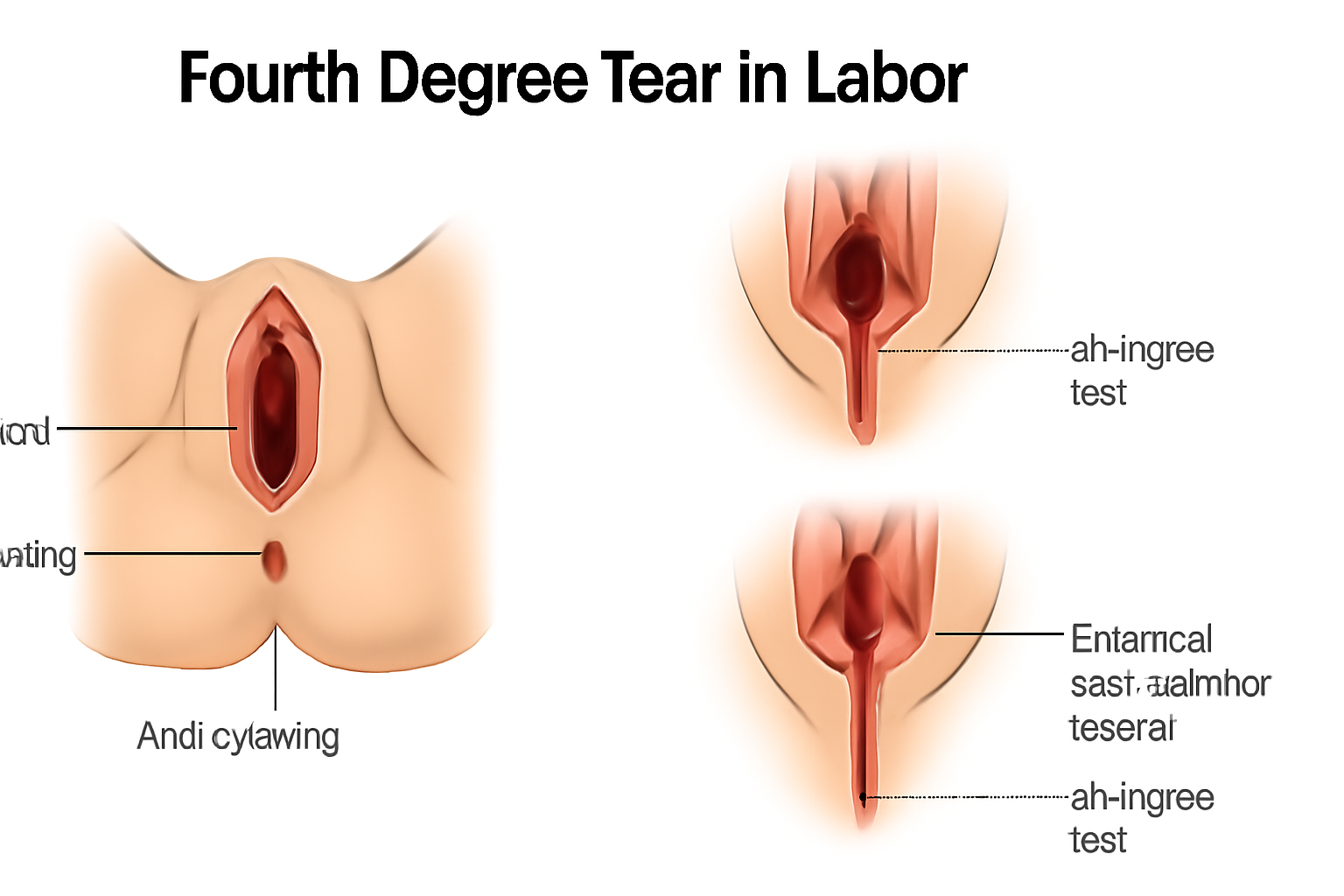
What is a fourth-degree tear in labor, and why is it considered the most severe type of perineal tear? Many first-time mothers have never heard of it until it’s discussed during childbirth classes or recovery stories. Knowing why fourth degree tear labor happens, and how it’s treated can help you feel more informed and prepared.
Labor fourth-degree tear occurs when the tear extends from the vaginal tissue through the perineum and into the anal sphincter and rectal lining. While it’s rare—affecting about 1% of vaginal births—it requires surgical repair and a longer recovery period. This article will cover causes, treatment, and expert-backed tips for healing and preventing complications.
According to Dr. Ranee Thakar, consultant obstetrician and leading researcher on perineal trauma, proper postnatal care and pelvic floor rehabilitation are vital for recovery. So, let’s dive into the details of fourth-degree tears, from risk factors to expert guidance, so you know exactly what to expect and how to manage the healing process.
Understanding Vaginal Tears in Childbirth
Vaginal tears are a common part of childbirth, occurring when the baby’s head and body pass through the birth canal. While most vaginal tears are minor, some can be more severe, causing damage to the surrounding tissues.
The perineum, which is the skin and muscles between the vagina and anus, is especially vulnerable during delivery. There are four types of vaginal tears that can occur during labor, classified from first to fourth degree based on their severity.
- First-degree tear: Involves only the vaginal lining or perineal skin.
- Second-degree tear: Extends into the muscles of the perineum but does not affect the anal sphincter.
- Third-degree tear: Involves the perineal muscles and the anal sphincter muscles, which control bowel movements.
- Fourth-degree tear: The most severe, extending through the anal sphincter and into the rectal tissue.
The risk of more severe tears, such as a fourth-degree tear, is higher in certain situations, such as when there is a large baby, instrumental delivery (forceps or vacuum), or prolonged labor. However, the right care of tears during childbirth can minimize the likelihood of such injuries.
How Common are 3rd or 4th Degree Tears?
While vaginal tears are common, severe third- and fourth-degree tears are much less frequent. Studies show that small number of women around 3-5% experience third-degree tears, and about 1-2% experience fourth-degree tears.
These injuries are more likely to occur during vaginal deliveries in women who are delivering their first baby, have a larger-than-average baby, or experience a prolonged pushing stage. The presence of an episiotomy, a surgical cut made to enlarge the vaginal opening, may also increase the risk of a severe tear if the cut extends too deeply.
Understanding the risk factors and having a detailed discussion with a healthcare provider about your birthing plan can help reduce anxiety and potentially mitigate these injuries.
How Serious is a Fourth Degree Tear Labor?
A fourth-degree tear labor is a significant injury that can have a long-lasting impact on a woman’s health. Since this tear extends through the anal sphincter and into the rectal tissues, it can cause considerable pain, discomfort, and potential complications such as difficulty controlling bowel movements, long-term pelvic floor dysfunction, and sexual dysfunction.
The seriousness of a fourth-degree tear is also linked to its potential for infection, long recovery time, and the impact it may have on a woman’s emotional and psychological well-being. However, with appropriate treatment and care, most women recover fully, though it can take time.
During labor, your healthcare provider will monitor for signs of a severe tear. If a fourth-degree tear is suspected or diagnosed after delivery, immediate surgical repair is typically required to close the wound and minimize the risk of complications like infection, chronic pain, or issues with bowel control.
Can you Have a Baby After a 4th Degree Tear?
The good news is that women who experience a fourth-degree tear during their first delivery can often have healthy pregnancies and deliveries in the future. However, it’s essential to have follow-up care to ensure complete healing, especially of the anal sphincter and rectal tissue.
If a woman is planning another vaginal delivery, discussions with her obstetrician or midwife are important, as they may recommend certain precautions, such as having a planned C-section or monitoring the labor closely.
Some women may experience lingering symptoms after a fourth-degree tear, such as fecal incontinence (difficulty controlling bowel movements) or pelvic floor weakness. These issues can often be addressed with pelvic floor exercises, physical therapy, and other interventions.
It is important to follow through with these therapies to improve the chances of a smooth recovery and a healthy future pregnancy and delivery.
How Long Does a 4th Degree Tear Take to Heal?
Healing from a fourth-degree perineal tear can take time, and the process varies from woman to woman. On average, the initial healing period for a fourth-degree tear lasts around 6-8 weeks, with the first few weeks being the most intense in terms of recovery. However, full recovery may take several months, particularly if the obstetric anal sphincter injury oasi was severe.
The recovery process is often accompanied by discomfort, swelling, and pain, particularly when sitting or moving around. Pain management, which may include antibiotic medications prescribed by your healthcare provider, can help ease the discomfort. Additionally, many women benefit from pelvic floor exercises to strengthen muscles and promote faster healing.
During the recovery period, it is essential to follow medical advice and attend follow-up appointments to monitor the progress of the tears healing process. Avoiding activities that place too much strain on the pelvic area (like heavy lifting or strenuous exercise) can also contribute to faster healing.
How Do They Fix a 4th Degree Tear?
Repairing a fourth-degree tear is a complex surgical procedure performed by an experienced obstetrician or surgeon. The repair process typically takes place in the operating room under local or regional anesthesia, though general anesthesia may sometimes be necessary. The primary goal of the surgery is to restore the perineal muscles and anal sphincter to their normal function and structure.
The repair generally involves stitching the perineal muscles and anal sphincter back together. In some cases, tissue may need to be removed if it is too damaged. The surgeon will also carefully assess the surrounding tissues to ensure no further damage occurred during delivery. After the surgery, the area will be carefully monitored for signs of infection, and pain management will be provided to help with the recovery.
Repair of Third- and Fourth-Degree Tears
The repair of both third- and fourth-degree tears is a delicate procedure that requires precision to avoid further complications. For third-degree tears, the focus is on repairing the muscles of the perineum and anal sphincter, while fourth-degree tears require additional care due to the involvement of the rectal tissue. If left untreated, these tears can lead to chronic issues like fecal incontinence and persistent pain.
The repair process aims to restore the normal function of the pelvic floor muscles and anal sphincter, ensuring that women can regain control over their bodily functions. Post-surgical care typically involves monitoring for infections, managing pain, and gradually increasing physical activity to avoid putting undue pressure on the healing tissues.
Women who experience third- or fourth-degree tears should be closely monitored in the postpartum period, and they should follow up with pelvic floor physical therapy to support full recovery.
Common Questions about Third and Fourth Degree Tear Labor (FAQs)
What is a fourth-degree tear?
A fourth-degree tear is a severe type of perineal laceration that occurs during vaginal birth. It extends through the vaginal wall, perineum, and all the way to the anal sphincter, involving both the vagina and anus. This type of tear is more serious than first-, second-, or third-degree tears and requires surgical repair to heal properly.
How common are third- and fourth-degree tears in childbirth?
Third- and fourth-degree tears occur in approximately 3-5% of women who have a vaginal birth. Factors that may increase the likelihood of experiencing these severe perineal tears include having a larger baby, the use of forceps during delivery, and a history of previous vaginal tears during childbirth.
What is the fourth degree tear healing time?
Fourth-degree tear healing typically takes 6–12 weeks, with initial soreness fading gradually. Follow sitz baths, pain meds, and pelvic rest. Seek help if redness, fever, or worsening pain occurs.
Can sexual intercourse cause a perineal tear?
Sexual intercourse rarely causes perineal tears unless tissue is fragile (postpartum, menopause). Use lubrication, go slowly, and avoid force. If pain or tearing occurs, consult a doctor to rule out underlying conditions.
What are the signs of a fourth-degree tear?
Signs of a fourth-degree tear may include severe pain in the perineal area, difficulty controlling bowel movements, and bleeding from the vagina or anus. Women may also experience complications related to the anal sphincter muscle, which can lead to incontinence if not properly addressed.
How is a fourth-degree tear repaired?
The repair of a fourth-degree tear typically involves surgical intervention. During the procedure, the healthcare provider will stitch the vaginal wall, perineum, and anal sphincter muscle to ensure proper healing. This surgery is usually performed under local or general anesthesia, depending on the severity of the tear and the individual circumstances.
What can I expect during recovery from a fourth-degree tear?
Recovery from a fourth-degree tear can take several weeks after your baby is born. Women may experience pain and discomfort in the perineal area and may need to take pain relief medication. It is important to follow the healthcare provider’s aftercare instructions, which may include pelvic floor exercises, to promote healing and prevent future complications.
Will I experience incontinence after a fourth-degree tear?
Some women may experience temporary incontinence following a fourth-degree tear, particularly if the anal sphincter muscle was involved. While many women see improvement over time, some may continue to have issues. Pelvic floor exercises and physical therapy can help strengthen the pelvic floor and improve control over time.
What are the long-term effects of a fourth-degree tear?
Long-term effects of a fourth-degree tear can include ongoing pelvic pain, incontinence, and reduced sexual function. It is essential for women who have experienced severe tears to communicate with their healthcare providers about any persistent issues, as these can often be managed with appropriate treatments and interventions.
How can I prevent severe perineal tears during childbirth?
While not all obstetric perineal tears can be prevented, some strategies may reduce the risk of infection and severe perineal injuries. These include perineal massage during pregnancy, controlled pushing during delivery, and using warm compresses on the perineum during labor. Discussing your birth plan with your healthcare provider can also help in minimizing the risk of third- and fourth-degree tears.
How can I improve my bladder and bowel control?
Strengthen pelvic floor muscles with daily Kegels, drink plenty of water, and eat fiber-rich foods to improve bladder/bowel control post-birth. Physical therapy can help if issues persist—avoid straining and start exercises early.
Should I have an AC section after a 4th degree tear?
Yes, after a 4th degree tear, a caesarean section may be recommended to ensure safe delivery in future pregnancies. Consult your healthcare provider for personalized advice based on your specific circumstances and recovery progress.
Conclusion
A fourth-degree tear labor is a serious but manageable complication of childbirth that requires immediate attention and careful post-delivery care. While the thought of a severe tear can be daunting, understanding its causes, recovery time, and treatment options can help alleviate concerns. With the proper medical care and self-care strategies, women can successfully recover from a fourth-degree tear and return to normal life and future pregnancies with minimal complications.
If you or someone you know has experienced a fourth-degree tear labor, it is crucial to consult with a healthcare professional who can guide you through the recovery process and ensure the best possible outcome.
Recommended posts
- The Ring of Fire During Labor: (What It Is & How to Cope)
- Pain Scale for Labor: What to Expect from Start to Birth

