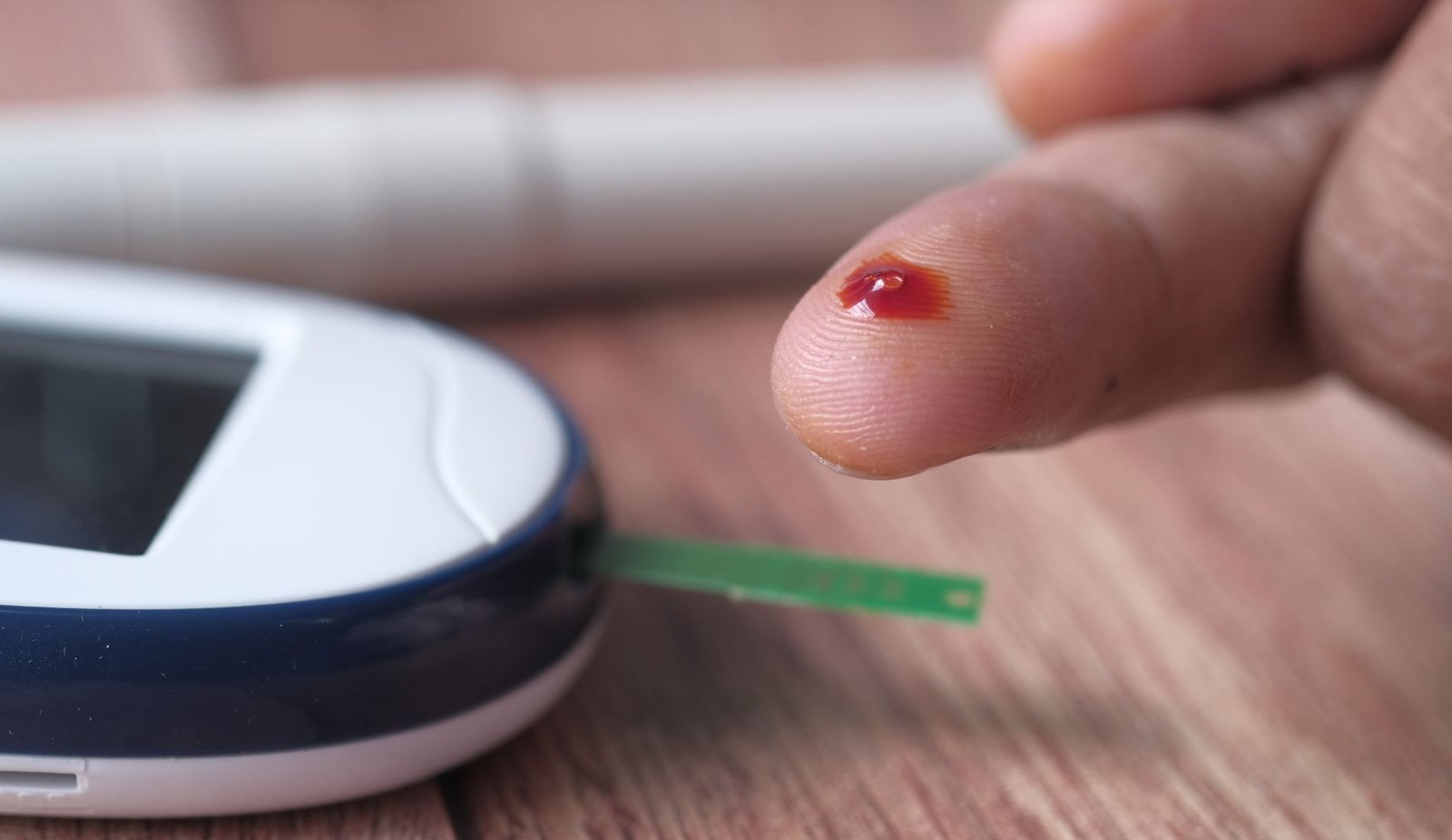
Fasting Blood Sugar for Pregnancy is more than just a routine test—do you know why doctors insist on it? During pregnancy, your body’s need for insulin changes, and even a slight imbalance can affect both mother and baby. Could this simple morning test reveal crucial insights about your baby’s health? Let’s find out why this number matters so much.
A fasting blood sugar test checks your blood glucose levels after at least eight hours without food. According to the American Diabetes Association, a healthy fasting level for pregnant women typically falls below 95 mg/dL.
This article explains what these numbers mean, why your doctor monitors them, and how experts like Dr. Lois Jovanovic, a pioneer in diabetes-in-pregnancy care, shaped today’s guidelines.
But numbers alone don’t tell the full story. In the next sections, we’ll explore practical tips to maintain safe levels of fasting glucose for pregnancy, expert advice for meal planning, and warning signs you shouldn’t ignore. Ready to safeguard your health and your baby’s? Let’s dive deeper into the science and strategies behind healthy fasting glucose in pregnancy.
Gestational Diabetes 101: Know the Basics
Gestational diabetes (GDM) is a type of diabetes that appears during pregnancy in women who were not previously diabetic. Hormonal changes in pregnancy can cause insulin resistance, meaning the body’s cells don’t respond properly to insulin. As a result, glucose builds up in the bloodstream.
Key facts about gestational diabetes:
- It usually develops in the second or third trimester.
- Risk factors include being overweight, having a family history of diabetes, being older than 25, or having had gestational diabetes in a previous pregnancy.
- Most women do not notice obvious symptoms, making regular prenatal testing essential.
If left untreated, gestational diabetes can lead to high birth weight, preterm birth, and increased risk of type 2 diabetes for both mother and child later in life. Early detection and careful management help reduce these risks dramatically.
Normal Fasting Blood Sugar for Pregnancy:
Healthcare providers use specific guidelines to determine what is considered a normal fasting blood sugar level during pregnancy. Although exact targets may vary slightly depending on national or regional guidelines, the general ranges accepted by diabetes and obstetric experts are:
- Fasting (before eating): Below 95 mg/dL (5.3 mmol/L)
- 1 hour after meals: Below 140 mg/dL (7.8 mmol/L)
- 2 hours after meals: Below 120 mg/dL (6.7 mmol/L)
Maintaining fasting blood sugar within these limits is crucial because elevated fasting levels often indicate insulin resistance and can predict complications for both mother and baby.
Healthcare professionals typically recommend that pregnant women check their fasting sugar level in pregnancy first thing in the morning, before eating or drinking anything, to get the most accurate measurement.
How is Gestational Diabetes Diagnosed?
The process of diagnosing gestational diabetes involves a series of blood tests, usually performed between 24 and 28 weeks of pregnancy. Women at higher risk may be tested for gestational diabetes earlier.
Common diagnostic tests include:
- Glucose Challenge Test (GCT):
This is a screening test where you drink a sweet glucose solution, and your blood sugar is checked after one hour. A result higher than the threshold (often 130–140 mg/dL) indicates the need for a follow-up test. - Oral Glucose Tolerance Test (OGTT):
If the GCT is abnormal, the OGTT is performed. After fasting overnight, your blood sugar is checked before drinking a glucose solution and then again at 1, 2, and 3 hours. A diagnosis of gestational diabetes is made if two or more results exceed the standard limits.
Early diagnosis allows for timely interventions, such as dietary changes, increased physical activity, and in some cases, medication like insulin or metformin.
Fasting Blood Sugar Test for Pregnancy
The fasting blood sugar test measures blood glucose after an overnight fast of at least eight hours. It is one of the most reliable indicators of how your body manages glucose without the immediate influence of food.
Steps for accurate testing:
- Avoid eating or drinking anything except water for 8–12 hours before the test.
- Schedule the test in the morning for consistency.
- Inform your healthcare provider of any medications you’re taking that may affect blood sugar.
Results are interpreted based on pregnancy-specific criteria. Consistently high fasting readings—above 95 mg/dL—often trigger a more detailed glucose tolerance test or direct management as gestational diabetes.
The Role of Blood Tests in Prenatal Care for a Successful Pregnancy
Blood tests during pregnancy serve far more than just checking glucose levels. They provide a comprehensive picture of both maternal and fetal health. Routine prenatal blood work typically includes:
- Complete blood count (CBC): Screens for anemia and infection.
- Blood type and Rh factor: Important for preventing Rh incompatibility.
- Blood sugar testing: Identifies gestational diabetes early.
- Screening for infections: Such as HIV, hepatitis B, and syphilis.
These blood glucose tests help clinicians tailor care plans, detect complications early, and ensure the pregnancy progresses safely. Monitoring fasting sugar level in pregnancy is a critical part of this broader prenatal testing strategy.
Potential Concerns for the Mother and Baby
Uncontrolled blood sugar during pregnancy can pose serious health risks for both mother and baby:
For the mother:
- Increased risk of preeclampsia (high blood pressure with potential organ complications).
- Higher likelihood of cesarean delivery due to large baby size.
- Future risk of type 2 diabetes.
For the baby:
- Macrosomia (high birth weight), which may complicate delivery.
- Neonatal hypoglycemia (low blood sugar after birth).
- Higher lifetime risk of obesity and type 2 diabetes.
Proper monitoring and management of fasting blood sugar greatly reduce these risks and contribute to a smoother pregnancy and healthier outcome.
How To Maintain Optimal Blood Sugar Levels During Pregnancy
Keeping fasting blood sugar level for pregnancy within the recommended range requires a holistic approach combining nutrition, physical activity, and medical guidance.
1. Balanced Diet
- Focus on complex carbohydrates such as whole grains, legumes, and vegetables.
- Include lean proteins (chicken, fish, tofu) and healthy fats (nuts, avocados).
- Eat smaller, more frequent meals to maintain steady blood sugar.
- Limit refined sugars and processed snacks.
2. Regular Physical Activity
- Engage in at least 150 minutes of moderate exercise per week, such as brisk walking, swimming, or prenatal yoga, unless contraindicated.
- Physical activity improves insulin sensitivity and helps stabilize fasting blood sugar.
3. Blood Sugar Monitoring
- Use a home glucose meter as recommended by your healthcare provider.
- Track readings daily to identify patterns and adjust diet or lifestyle accordingly.
4. Medical Support
- Some women may require insulin or oral diabetes medications.
- Regular prenatal visits ensure timely adjustments to treatment plans.
Recent Diabetes Education Resources:
Staying informed is key to managing gestational diabetes and fasting for glucose test pregnancy effectively. Reliable resources include:
- American Diabetes Association (ADA): Offers comprehensive guidelines and patient education materials.
- Centers for Disease Control and Prevention (CDC): Provides up-to-date information on gestational diabetes prevention and care.
- National Institute of Diabetes and Digestive and Kidney Diseases (NIDDK): Offers research-based advice and lifestyle recommendations.
- Accredited diabetes education programs: Many hospitals and clinics offer classes led by certified diabetes educators.
These resources help expectant mothers and their families learn practical skills, from meal planning to monitoring blood sugar levels at home.
Common Questions about Fasting Blood Sugar Level for Pregnancy (FAQs)
Is gestational diabetes temporary, or can it lead to type 2 diabetes later in life?
It is usually temporary but is a major warning sign. Up to 50% of women with it will develop type 2 diabetes later in life, making lifelong screening and healthy lifestyle choices crucial.
What role does the Normal Blood Sugar Levels Chart play in prenatal care?
The Normal Blood Sugar Levels Chart is crucial in prenatal care, helping monitor maternal glucose levels. It identifies when levels are higher than normal, reducing risks such as gestational diabetes and promoting healthier outcomes for both mother and baby.
How to manage Gestational Diabetes through Diet and Exercise?
To manage diabetes in pregnancy, focus on a balanced diet rich in whole grains, lean proteins, and vegetables. Regular exercise, like walking, helps regulate blood sugar. Monitor glucose levels consistently and consult a healthcare provider for personalized guidance.
What is a normal fasting blood sugar level when pregnant?
A normal fasting blood sugar level during pregnancy is typically below 95 mg/dL. Additionally, one hour after drinking a glucose solution, levels should ideally be under 180 mg/dL to ensure healthy gestational management and reduce risks.
What is a healthy fasting blood sugar level during pregnancy?
A healthy fasting blood glucose level during pregnancy is typically below 95 mg/dL. Effective glucose monitoring is essential for women with gestational diabetes to maintain optimal blood sugar levels and ensure a healthy pregnancy outcome.
What should your fasting blood sugar be in the morning when pregnant?
In the morning, a pregnant woman’s fasting blood sugar should be below 95 mg/dL. Maintaining this level is crucial, as uncontrolled diabetes may lead to complications associated with diabetes during pregnancy, particularly gestational diabetes mellitus.
What is an alarming fasting blood sugar level in pregnancy?
An alarming fasting blood sugar level in pregnancy is 126 mg/dL or higher. Levels above this threshold may indicate diabetes, requiring immediate medical attention to prevent complications for both the mother and the developing baby.
Conclusion
Monitoring and maintaining fasting blood sugar for pregnancy is a cornerstone of healthy prenatal care. By understanding normal fasting ranges, recognizing the signs of gestational diabetes, and implementing expert-recommended lifestyle changes, expectant mothers can protect both their own health and their baby’s well-being. Early testing, consistent monitoring, and informed decision-making—combined with guidance from healthcare professionals—ensure the best possible outcomes for mother and child.
Recommended posts
- 7 Day Meal Plan for Gestational Diabetes (Easy Recipes)
- Does Gestational Diabetes Go Away After Birth (Medical Fact)
- 30+ Healthy Snacks for Gestational Diabetes to Beat Cravings
- 10 Gestational Diabetes Breakfast Ideas: (Healthy & Tasty)
- Is Gestational Diabetes Genetic from Father or Mother?
- 3 Hour Glucose Test Pregnancy Range: What’s a Normal & What’s Not