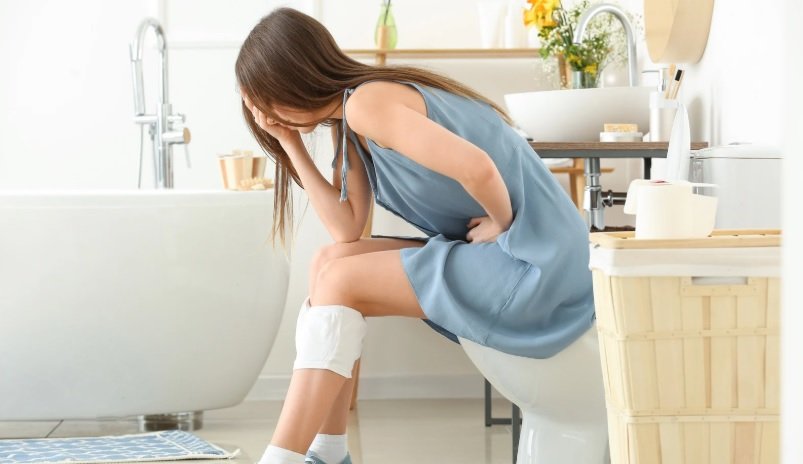
Endometriosis and diarrhea during ovulation—are they connected? If you experience stomach upset or sudden bowel changes mid-cycle, you’re not imagining things. Could your ovulation be triggering more than just hormonal shifts?
For those with endometriosis, ovulation may worsen gastrointestinal symptoms, including diarrhea due to hormonal changes. As estrogen surges and inflammatory responses heighten, the bowel lining can become more sensitive. Dr. Tamer Seckin, co-founder of the Endometriosis Foundation of America, confirms that endo-related inflammation often impacts the digestive tract during ovulation.
Curious about how to manage these uncomfortable symptoms and when to seek help? This article unpacks the connection between ovulation, endometriosis, and digestive distress—plus expert-backed tips to ease the flare-ups. Let’s get into the details you need to feel better, faster.
Can Ovulation Cause Diarrhea?
Many individuals may wonder if ovulation can cause digestive issues and diarrhea, and the answer is yes. During ovulation, hormonal fluctuations can lead to changes in bowel habits.
The release of a mature egg from the ovary triggers an increase in hormones such as estrogen and progesterone, which may cause muscle contractions in the intestines.
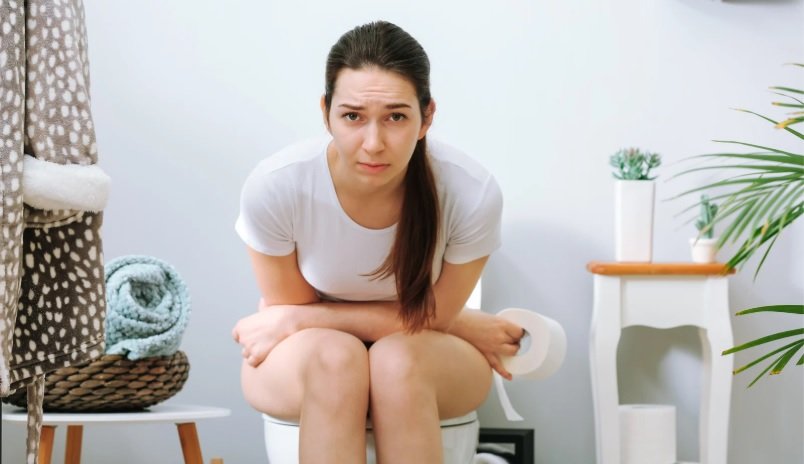
These contractions can result in loose stools or even diarrhea around ovulation. Additionally, the hormonal shifts can affect the smooth muscle of the digestive system, leading to abdominal discomfort and cramping.
Furthermore, for some people, these hormonal changes may exacerbate pre-existing conditions like irritable bowel syndrome (IBS). The interplay between hormonal changes and digestive health highlights how ovulation can contribute to digestive problems, including diarrhea.
Thus, those who experience diarrhea while ovulating should pay attention to their symptoms and consider how hormonal shifts might be influencing their bowel movements.
Is Diarrhea During Ovulation a Symptom of Endometriosis?
Diarrhea during ovulation can indeed be a symptom of endometriosis. For people with this condition, the uterine tissue grows outside the uterus, leading to inflammation and pain during the menstrual cycle.
This tissue can affect other organs, including the intestines, causing various digestive symptoms, including diarrhea. The presence of endometriosis may lead to changes in bowel habits, which could manifest as diarrhea, constipation, or abdominal pain during ovulation.
Moreover, the prostaglandins released during ovulation can trigger muscle contractions not only in the uterus but also in the intestines, causing digestive distress.
Therefore, those who experience diarrhea around ovulation should consider the possibility that it might be a sign of endometriosis. Recognizing this connection can help individuals seek appropriate treatment and manage their symptoms more effectively.
Scientific Evidence on Hormonal Fluctuations and Digestive Health
Scientific studies have shown a strong link between hormonal fluctuations and digestive health. Research indicates that hormonal changes during the menstrual cycle can significantly impact bowel function.
For instance, elevated estrogen levels around ovulation can stimulate the smooth muscle of the intestines, leading to increased bowel movement frequency. This effect can be particularly pronounced in individuals with conditions like endometriosis or IBS, where hormone levels may further exacerbate digestive issues.
Moreover, the relationship between hormones and the digestive system is complex, as the gut is sensitive to hormonal signals. Hormonal fluctuations can lead to symptoms such as nausea, abdominal pain, and diarrhea while ovulating.
Understanding these connections is crucial for individuals experiencing gastrointestinal symptoms during their menstrual cycle, as it can inform dietary changes and treatment options to manage these symptoms effectively.
How to Ease Digestive Symptoms During Ovulation
Easing digestive symptoms during ovulation involves various strategies. First, dietary changes can play a significant role in managing diarrhea and other digestive issues.
Incorporating fiber-rich foods can help regulate bowel movements, while avoiding caffeine and high-fat foods may reduce gastrointestinal distress. Staying hydrated is also essential, as diarrhea can lead to dehydration.
Additionally, over-the-counter medications may help alleviate symptoms. Antidiarrheal medications can provide relief for loose stools, while anti-inflammatory medications can help reduce abdominal pain and cramping.
Mindfulness practices such as yoga and meditation can also promote relaxation and help manage stress, which may further improve digestive health during ovulation.
Tips for Managing Diarrhea During Ovulation
Why Diarrhea Happens During Ovulation? Hormonal shifts during ovulation—especially increased estrogen and luteinizing hormone—can affect your digestive system.
These changes may lead to looser stools, mild cramping, or diarrhea. While it’s usually not serious, it can be uncomfortable and disruptive. Here are simple, effective ways to manage ovulation-related diarrhea and support your gut health.
1. Eat Easy-to-Digest Foods
Stick to bland, low-fiber foods when symptoms flare up. These are gentle on your stomach and reduce irritation.
Best options include:
- White rice
- Bananas
- Applesauce
- Toast
- Boiled potatoes
Avoid spicy, greasy, or fried foods—they can make diarrhea worse.
2. Stay Hydrated with Electrolytes
Diarrhea causes fluid and electrolyte loss. Rehydrate with water and add electrolytes when needed.
it’s Good idea to Try:
- Coconut water
- Oral rehydration salts
- Broths or clear soups
Sip slowly throughout the day. Avoid caffeine and alcohol—they can irritate your gut.
3. Add Probiotic-Rich Foods
Support your gut with natural probiotics. These help balance intestinal bacteria and may ease digestive symptoms.
Great choices:
- Yogurt with live cultures
- Kefir
- Sauerkraut
- Kimchi
- Miso
If your symptoms are severe, consider a probiotic supplement after consulting your doctor.
4. Avoid Trigger Foods
Certain foods may increase bowel movements during ovulation. Common culprits include:
- Dairy (if lactose sensitive)
- High-fiber vegetables like broccoli or cabbage
- Artificial sweeteners
- Excess sugar or fat
Keep a food diary to identify your personal triggers.
5. Practice Gentle Movement
Light exercise like walking or stretching can ease bloating and cramps. However, avoid intense workouts when you’re already dehydrated or cramping.
A short walk after meals can help digestion and reduce discomfort.
6. Manage Stress
Stress increases bowel sensitivity and can worsen diarrhea. Use calming techniques like:
- Deep breathing
- Meditation
- Journaling
- Warm baths
A calm body supports a calm digestive system.
7. Consider Over-the-Counter Relief (If Needed)
If symptoms are intense or frequent, talk to your doctor. Short-term use of anti-diarrheal medications like loperamide may help. Always follow the dosage and seek medical advice for ongoing symptoms.
8. Track Your Cycle and Symptoms
Use a cycle tracking app or journal to monitor when diarrhea occurs. If it follows the same pattern every month, it’s likely hormone-related. Tracking helps you prepare in advance with the right foods and routines.
Diarrhea during ovulation can be frustrating, but it’s usually temporary and manageable. By supporting digestion with simple diet changes, hydration, and stress relief, you can feel more comfortable during this phase of your cycle. Always listen to your body and seek help if symptoms persist.
When to See a Doctor about Diarrhea and Ovulation
It’s important to know when to see a doctor about diarrhea and ovulation. If diarrhea persists beyond a few days or is accompanied by severe abdominal pain, fever, or blood in the stool, medical attention should be sought immediately.
These symptoms could indicate a more serious underlying condition, such as endometriosis or an infection. Moreover, if diarrhea significantly affects daily activities or overall quality of life, a healthcare provider can provide guidance and potential treatment options.
Additionally, individuals who experience chronic digestive problems during their menstrual cycle should consider consulting a medical professional. They can conduct tests to determine if conditions like IBS or endometriosis are contributing to these symptoms. Early intervention can lead to more effective management of diarrhea while ovulating and improve overall health and well-being.
Frequently Asked Questions about Bowel Endometriosis and Diarrhea During Ovulation (FAQs)
What Is a Prostaglandin?
Prostaglandins are hormone-like lipids that regulate inflammation, pain, blood flow, and contractions (like during periods or labor). They’re made where needed, not stored in glands.
How Do Prostaglandins Cause Diarrhoea During Ovulation?
Prostaglandins released during ovulation stimulate uterine and intestinal contractions, which can speed up bowel movements—sometimes causing diarrhea. Higher levels amplify this effect.
How will my bowel habits change after ovulation?
After ovulation, rising progesterone slows digestion, often causing bloating or constipation. Post-ovulation bowel changes are normal—increase fiber, water, and movement to ease symptoms.
Is diarrhea a sign of ovulation?
Diarrhea can be an ovulation sign for some, triggered by prostaglandins that stimulate bowel contractions. It’s not universal but normal if cyclical. Track symptoms to confirm patterns.
What are the GI symptoms of endometriosis?
Endometriosis GI symptoms include bloating, diarrhea, constipation, painful bowel movements, rectal bleeding (during menstruation), and nausea. Symptoms often worsen during periods due to endometrial tissue affecting the intestines.
What is endometriosis and how does it relate to diarrhea during ovulation?
Endometriosis occurs when tissue similar to the lining of the uterus grows outside of the uterus. People with endometriosis may experience a variety of symptoms, including digestive issues like diarrhea, especially during ovulation.
Why do people with endometriosis experience diarrhea during ovulation?
During ovulation, hormonal shifts can lead to increased prostaglandins, which may cause bowel symptoms. These hormonal changes can trigger digestive issues like diarrhea in people with endometriosis.
Are digestive issues like diarrhea common in people with endometriosis?
Yes, digestive problems such as diarrhea are common in people with endometriosis. Many may experience bouts of diarrhea, especially during ovulation, due to the effects of prostaglandins and hormonal changes.
How can hormonal shifts during ovulation affect bowel symptoms?
Hormonal shifts during ovulation can increase the body produces of prostaglandins, leading to increased contractions in the intestines, which can result in bowel symptoms like diarrhea or cramping.
What are some common endometriosis symptoms aside from diarrhea?
Common endometriosis symptoms include pelvic pain, pain or cramping during menstruation, pain during intercourse, and bowel symptoms such as diarrhea or constipation.
What should I do if you’re experiencing diarrhea during ovulation?
If you’re experiencing prostaglandins during ovulation, it’s important to stay hydrated. Drink plenty of water to prevent dehydration, and consider monitoring your diet to identify any potential triggers.
Can endometriosis affect the fallopian tube and cause digestive issues?
Yes, endometriosis can affect the fallopian tubes and other pelvic organs, which may contribute to digestive issues. The presence of endometrial-like tissue outside the uterus can lead to inflammation and pain, affecting overall digestive health.
Is there a connection between IBS and endometriosis symptoms?
Yes, people with endometriosis may also experience IBS symptoms. The overlap between endometriosis and irritable bowel syndrome (IBS) can make it difficult to distinguish the source of digestive issues.
How can I manage digestive issues related to endometriosis?
Managing digestive problems related to endometriosis can include dietary changes, stress management, and consulting with a healthcare provider for personalized treatment options. Keeping a symptom diary may also help identify patterns and triggers.
Conclusion about Ovulation Diarrhea
Does ovulation cause diarrhea? In conclusion, the connection between endometriosis and diarrhea while ovulating is significant and multifaceted. Hormonal fluctuations play a critical role in causing digestive issues, including diarrhea, which may affect many individuals during their menstrual cycle. Recognizing the symptoms and seeking appropriate treatment is essential for managing these symptoms effectively. By implementing dietary changes, understanding the link between hormones and bowel health, and knowing when to seek medical advice, individuals can take proactive steps to alleviate the discomfort associated with ovulation diarrhea.
Ultimately, awareness and education regarding the relationship between endometriosis, hormonal changes, and digestive health can empower those affected. Through a combination of lifestyle adjustments and medical interventions, individuals can better navigate the challenges posed by diarrhea during ovulation, leading to a more comfortable and manageable experience during their menstrual cycle.
Recommended posts
- Constipation During Ovulation? Why It Happens & What to Do
- Top 7 Health Benefits of Drinking Raspberry Leaf Tea Daily
- Bloating During Ovulation: What’s Normal and What’s Not?
- Why Am I Cramping 3 Days After Ovulation: (Is It Normal?)