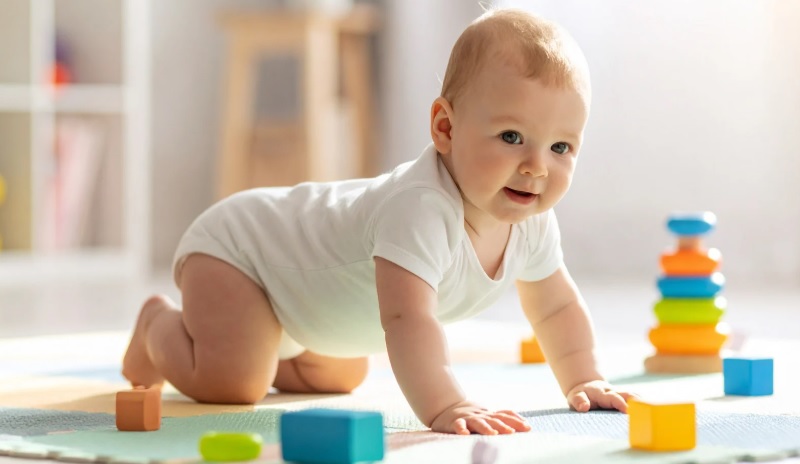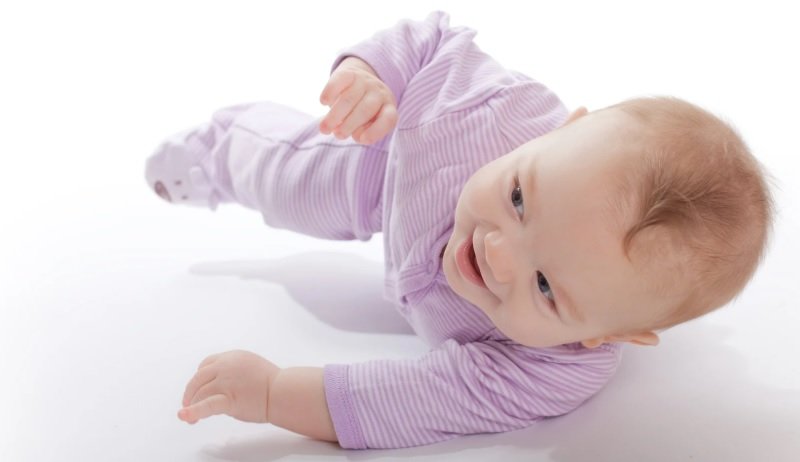
Encouraging rolling over milestones often raises important questions for new parents. When should babies roll over, and how can caregivers actively support this early movement skill? Do simple daily activities truly influence this milestone?
Most babies start to roll over between 4 to 6 months, as confirmed by the American Academy of Pediatrics. starting tummy time, supervised floor play, and strong neck and core muscles directly encourage your baby to roll. Pediatrician Dr. T. Berry Brazelton highlights responsive interaction and safe movement opportunities as critical factors.
But rolling around looks different for every baby, and development rarely follows a rigid script. Some infants roll back to front first, while others reverse the order. Let’s explore expert-approved strategies and practical techniques that help you support rolling milestones with confidence and clarity.
When Do Babies Start Rolling Over? Key Developmental Stages to Watch for
Rolling over milestones is typically achieved in two stages. Initially, babies will learn to roll from their stomachs to their backs, a skill that often emerges around 4 to 7 months of age. This is followed by the ability to roll from their backs to their stomachs, which usually happens between 5 to 6 months old.
As development varies from baby to baby, it is essential to remember that each child has their own pace. Factors such as muscle development, the frequency of tummy time, and overall health can influence when your baby will master rolling over. By the time they reach 6 months, most infants can roll both ways and may begin to show interest in pulling themselves up or moving toward toys.
Rolling over is not a single event but a progression of skills that unfold over several weeks or months. Most babies begin rolling over between 3 and 6 months of age, although variations on either side of this range are normal.
Early Attempts (2–3 Months)
At this stage, babies are not fully rolling but may:
- Lift their head and chest during tummy time
- Shift weight from side to side
- Accidentally roll from tummy to back due to head weight
These movements reflect early neck, shoulder, and upper-body strength rather than intentional rolling.
Tummy-to-Back Rolling (3–4 Months)
Many babies roll from tummy to their back first because:
- Gravity assists the movement
- Neck and upper-body muscles develop before core muscles
This type of rolling is often the first intentional rollover milestone.
Back-to-Tummy Rolling (4–6 Months)
Rolling from back to tummy requires:
- Stronger abdominal and oblique muscles
- Better coordination of arms, legs, and torso
This movement is more complex and typically develops later.
Important Developmental Notes
- Premature babies may reach milestones based on adjusted age
- Babies with limited tummy time may roll later
- Rolling can appear suddenly, without much warning
If a baby has not shown any rolling attempts by around 6 months, pediatric consultation is advisable—not necessarily because something is wrong, but to ensure development is progressing appropriately.
How to Encourage Rolling Over?
Encouraging rolling over is about creating opportunities, not forcing movement. Babies learn motor skills through repetition, play, and interaction.
Create a Movement-Friendly Environment
- Place your baby on a firm, safe surface
- Allow free movement without restrictive clothing
- Avoid excessive time in swings, bouncers, or car seats
Use Visual and Auditory Motivation
- Place toys just out of reach to the side
- Use your voice or facial expressions to encourage baby to roll
- Change positions during playtime
Practice Side-Lying Play
Side-lying helps babies:
- Experience weight shifting
- Activate core muscles
- Transition naturally into rolling
This position bridges the gap between back and tummy positions.
How To Help Your Baby Learn to Roll Over? Teaching Babies to Roll Over
While babies ultimately roll over on their own, guided support can accelerate confidence and coordination.
Step-by-Step Support Techniques
- Start from the back: Gently bend one knee across the body
- Guide the hip: A light push helps initiate the motion
- Allow the baby to finish: Avoid completing the roll for them
The goal is muscle memory, not passive movement.
Engage Core and Neck Muscles
- Encourage reaching across the body
- Use toys to prompt rotation
- Celebrate attempts, not just success
Be Consistent, Not Intensive
Short, frequent play sessions are more effective than long, forced practice. Babies learn best when they are calm, alert, and engaged.
Benefits of Babies Rolling Over
Rolling over is more than a physical achievement—it supports holistic development.
Physical Benefits
- Strengthens neck, shoulder, arm, and core muscles
- Improves balance and coordination
- Prepares the body for sitting and crawling
Cognitive and Sensory Benefits
- Enhances spatial awareness
- Encourages problem-solving through movement
- Builds cause-and-effect understanding
Emotional and Developmental Benefits
- Boosts confidence and independence
- Encourages exploration
- Reduces frustration by expanding mobility
Rolling over represents a critical link between reflexive newborn movement and intentional motor control.
Safety Precautions for Babies Rolling Over
As mobility increases, safety considerations become essential.
Safe Sleep Practices
- Always place babies on their backs to sleep
- Once a baby can roll independently, do not reposition them during sleep
- Use a firm mattress with no loose bedding
Changing and Elevated Surfaces
- Never leave a rolling baby unattended
- Keep one hand on your baby during diaper changes
- Avoid elevated surfaces whenever possible
Floor Safety
- Ensure play areas are free of choking hazards
- Use age-appropriate mats or rugs
- Supervise interactions with pets or siblings
Rolling often begins unexpectedly, making proactive safety planning critical.
How Tummy Time Helps Babies Build Muscle for Rolling Over
Tummy time is the foundation for rolling over and nearly every major motor milestone that follows.
Why Tummy Time Matters
Tummy time strengthens:
- Neck extensors
- Shoulder stabilizers
- Upper back and core muscles
These muscle groups are essential for lifting, twisting, and rolling.
Recommended Tummy Time Guidelines
- Begin from the first weeks of life
- Aim for short sessions multiple times per day
- Gradually build toward 60–90 minutes daily (total)
Making Tummy Time Effective
- Get down at eye level
- Use mirrors, toys, or songs
- Try tummy time on your chest for resistant babies
Consistent tummy time significantly correlates with earlier and stronger rolling skills.
What Baby Milestones Come After Rolling?
Rolling over is a gateway milestone that unlocks further physical development.
Common Subsequent Milestones
- Sitting with support: 5–6 months
- Independent sitting: 6–8 months
- Crawling or scooting: 7–10 months
- Pulling to stand: 8–10 months
Each milestone builds upon the strength and coordination developed during rolling.
Development Is Not Linear
Some babies skip crawling altogether, while others spend months perfecting it. Rolling remains important regardless of the path your baby takes.
Commonly Asked Questions about Key Rolling Over Milestones (FAQs)
When do babies typically roll over?
Babies typically start to roll over between 3 to 6 months. They usually master rolling from tummy to back first. The age infant rolls over varies, as this is one of the initial major milestones rolling around that requires sufficient neck strength to hold their head up.
What to do if my baby can’t roll over yet?
Focus on supervised tummy time to strengthen neck and core muscles. Avoid worry unless other delays exist past 6-7 months. Ensure your baby is getting ready to roll by encouraging practice; consult your pediatrician if rolling over milestones are significantly missed.
At what age do infants start rolling over?
Infants often start rolling over at around 4 months old. A key age infant rolls over from back to tummy is typically 5-6 months. Achieving roll over in both directions is a crucial rolling over milestones that usually follows mastering head control.
When will my baby be able to roll over?
Most babies can roll over by 6 months old. This depends on muscle strength developed from tummy time. Your baby will be ready to roll once they can hold their head up steadily, a precursor to this key physical milestones rolling over.
Once my baby can roll over, what will he do next?
After mastering roll over in both directions, babies often work on sitting independently. The core strength from rolling prepares them for the milestone where babies sit unsupported. Next, they may start pivoting on their belly or attempting to crawl.
When will my baby start to crawl?
Babies often start to crawl between 6-10 months. Rolling is a key precursor, as the strength gained from milestones rolling over directly supports crawling. Most babies sit independently before beginning to crawl, using their arms and legs to move.
At what age do infants roll over for the first time?
Babies typically start rolling between about four to six months, though some may start as early as four months. Developmental milestones vary; baby will likely roll from belly to back first, then back to belly as neck and arm muscles gain strength over time naturally.
When do babies typically start rolling from back to belly?
It’s common for babies to roll from back to belly around five to six months, but the age range includes four to seven months. Baby develop at different rates; encouraging tummy time helps build the strength to roll over from tummy and eventually roll both directions.
What is the typical age range for rolling belly to back?
Many infants will typically start rolling belly to back at about four months. Baby reach this first roll earlier than back to belly because rocking back and forth builds momentum. Time will help your baby build neck and arm muscles necessary for rolling autonomously.
How can I encourage my baby to roll over?
Encourage your baby by providing supervised tummy time daily, placing toys just out of reach to motivate reaching, and practicing guided rolls. Gentle encouragement will help baby develop strength to roll; consistent practice and patience often show results by four to six months.
What if my baby isn’t rolling by six months old?
If your baby hasn’t begun trying to roll by six months old, continue tummy time and consult your pediatrician to assess baby development. Some infants may start later; professionals can check whether baby has sufficient neck and arm strength or needs additional support and guidance.
Why does my baby roll from belly to back but not back to belly?
Rolling belly to back often occurs first because it requires less strength and coordination. Rolling back to belly needs increased trunk and shoulder strength and deliberate rocking motions. Encouraging them to roll and more tummy time will help baby gain the control to roll both directions.
When should I be concerned if my baby has stopped rolling?
If your baby has stopped rolling or shows regression in baby development, monitor other milestones and contact a pediatrician. Sometimes changes occur due to illness or decreased practice; early evaluation ensures baby needs are addressed and timely interventions or therapies are recommended if necessary.
Conclusion
Rolling over is a pivotal moment in your baby’s physical and neurological development, typically occurring between 3 and 6 months of age. If you are wondering what age do newborns roll over, the answer depends on individual muscle strength, opportunity for movement, and developmental readiness. By providing consistent tummy time, a safe environment, and gentle encouragement, parents can support this milestone without pressure or comparison. Remember, rolling is not a race—it is one of many interconnected steps in your baby’s unique developmental journey.
Recommended posts
- The Complete 6 Month Old Developmental Milestones Checklist
- Infant Milestones by Month for Tracking Baby Growth & Skills
- One Month Infant Milestones – What’s Normal and What’s Not?