Placenta Previa Self-Care, can it will correct itself? This question worries many expecting mothers who face this condition during pregnancy. The placenta’s position matters for both mother and baby, but is it possible for it to shift on its own? Let’s explore what science and medical experts say about this.
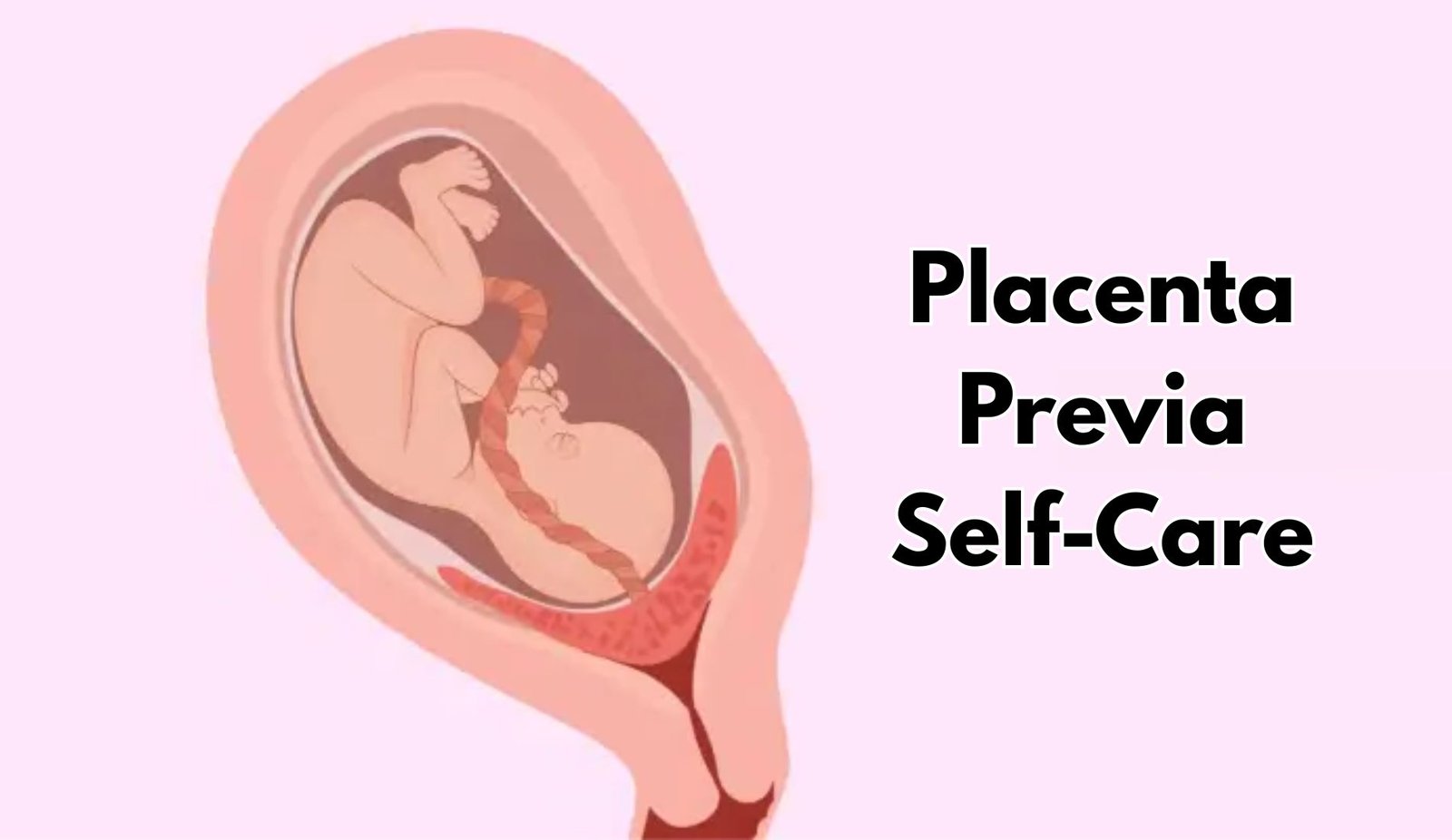
Placenta previa is a condition in pregnant women where the placenta blocks all or part of baby’s exit from vagina. In many cases, placenta previa does resolve naturally as the uterus grows, especially if detected early in pregnancy.
Medical studies show that over 90% of low-lying placentas identified in the second trimester move upward by the third trimester. Yet, when it doesn’t shift, doctors may recommend lifestyle adjustments and medical monitoring to ensure safe outcomes.
Dr. Jennifer Ashton, a well-known OB-GYN, highlights the importance of rest, avoiding heavy lifting, and following medical advice when managing placenta previa. But that’s not all you should know about caring for yourself and your baby during this condition.
So, let’s dive deeper into placenta previa care instructions, medical guidance, and timing all play a role in whether placenta previa can correct itself. The goal of these placenta previa dos and don’ts, is to get you as close to your due date as possible.
How Can You Tell if You Have Placenta Previa?
Placenta previa doesn’t always cause noticeable symptoms early in pregnancy. In fact, many women only discover the condition during a routine ultrasound. However, some common signs may alert you:
- Painless vaginal bleeding: The most hallmark symptom, often in the second or third trimester. Bleeding may be light or heavy.
- Spotting after activity: Blood loss can sometimes occur after exercise, sexual intercourse, or even a vaginal exam.
- Preterm contractions: Some women may experience early uterine tightening along with bleeding.
It’s important to remember that placenta previa can only be definitively diagnosed through ultrasound. If you notice any vaginal bleeding after the first trimester, you should contact your healthcare provider immediately.
Can Placenta Previa Correct Itself?
The good news is that in many cases, placenta previa diagnosed early in pregnancy is not permanent. Here’s why:
- Placental migration: As the Placenta accreta grows, it’s often “moves” upward, away from the cervix. This is more common if the previa is diagnosed in the second trimester.
- Partial vs. complete previa: A partial or marginal previa has a much higher chance of resolving than a complete previa.
- Gestational age matters: If placenta previa is found around 20 weeks, there’s a strong possibility it will correct itself by the third trimester. By contrast, if it persists beyond 32–34 weeks, it’s less likely to resolve.
Your doctor will typically schedule follow-up ultrasounds to monitor progress. This allows them to plan appropriately for your early delivery, whether vaginal birth is possible or a cesarean section is necessary.
Placenta Previa Self-Care: Placenta Previa Dos and Donts
When living with placenta previa, self-care revolves around minimizing risks, preventing bleeding episodes, and protecting both mother and baby. Below are essential placenta previa dos and don’ts recommended by medical experts:
✅ Dos
- Follow your doctor’s instructions closely: Attend all prenatal visits and ultrasounds for ongoing monitoring.
- Get plenty of rest: Bed rest or modified activity may be recommended to reduce pressure on the cervix.
- Stay hydrated: Drinking enough fluids supports uterine health and can help reduce contractions.
- Eat a nutrient-rich diet: Prioritize iron-rich foods (spinach, beans, lean meat) to counteract potential anemia from bleeding episodes.
- Keep emergency contacts handy: Always know how to reach your doctor or the nearest hospital in case of sudden bleeding.
- Monitor fetal movements: Regularly track your baby’s kicks and activity patterns for reassurance and early detection of changes.
❌ Don’ts
- Avoid vaginal intercourse: Penetration and orgasm can trigger bleeding or contractions.
- Don’t insert anything into the vagina: This includes tampons or douches, which can increase infection and bleeding risks.
- Refrain from heavy lifting or strenuous exercise: Such activities raise intra-abdominal pressure, which may cause complications.
- Avoid long travel without clearance: Extended travel can limit access to immediate medical care if bleeding occurs.
- Don’t ignore warning signs: Any vaginal bleeding, abdominal pain, or changes in fetal activity should be reported promptly.
These dos and don’ts form the backbone of effective Placenta Previa Self-Care, helping reduce complications while ensuring better pregnancy outcomes.
Lifestyle and Self-Care with Placenta Previa
Adapting to placenta previa often requires making gentle lifestyle changes that prioritize safety over routine habits. Here’s how you can create a supportive environment for yourself:
Rest and Physical Activity
- Even if strict bed rest isn’t required, your healthcare provider may recommend modified activity.
- Walking around the house is usually fine, but strenuous chores should be avoided.
- Consider supportive pillows to ease rest and improve blood circulation when lying down.
Nutrition and Hydration
- Focus on a balanced diet rich in protein, calcium, folate, and iron.
- Small, frequent meals may help if you’re less active and prone to indigestion.
- Limit caffeine and highly processed foods, which can increase stress on the body.
Emotional Well-Being
- Placenta previa can cause anxiety, especially with the uncertainty of bleeding risks or potential cesarean delivery.
- Practice stress-reducing techniques such as meditation, gentle breathing exercises, or prenatal yoga (only if cleared by your doctor).
- Build a strong support system—lean on your partner, friends, or prenatal support groups.
Preparing for Due Date
- Many women with unresolved placenta previa will require a cesarean section, typically scheduled around 36–37 weeks.
- Discuss your birth plan early with your provider, including blood transfusion availability and neonatal support if preterm delivery is required.
- Pack your hospital bag in advance, as unexpected bleeding may necessitate early admission.
By aligning your lifestyle with these placenta previa self-care strategies, you create a safer environment for both you and your baby.
Frequently Asked Questions about Placenta Previa Treatment
How to take care of placenta previa?
Manage placenta previa with pelvic rest, no heavy lifting, and immediate bleeding reporting. Your care provider will monitor via transvaginal ultrasound, as the placenta may require cesarean delivery to prevent hemorrhage.
How to move placenta up naturally?
The position of the placenta is fixed; it cannot be moved naturally. If diagnosed with placenta previa, follow medical advice: avoid strenuous activity and plan for potential C-section delivery if it persists.
How to naturally fix placenta previa?
No natural fix exists for placenta previa, as the placenta attaches early. Many resolve on their own by 32 weeks of pregnancy due to uterine growth. Follow medical guidance for safety.
What is the best management for placenta previa?
The best management for marginal placenta previa includes pelvic rest, avoiding intercourse, and close monitoring. Delivery is typically via planned cesarean section if the placenta remains covering the cervix.
Should I be on bed rest with placenta previa?
Bed rest is not routinely recommended for placenta previa unless bleeding occurs. Follow your doctor’s advice: avoid strenuous activity and intercourse, and seek immediate care for any bleeding.
Is walking ok with placenta previa?
Light walking may be acceptable with stable placenta previa if approved by your doctor. However, avoid strenuous activity, heavy lifting, or exercise that could trigger bleeding. Always follow medical guidance.
Is normal delivery possible with placenta previa?
Vaginal delivery is typically not safe with placenta previa due to risks of severe hemorrhage. Cesarean section is the standard, planned delivery method to protect both mother and baby.
Conclusion
Placenta previa can feel daunting, but with careful monitoring, appropriate medical guidance, and proactive self-care, many women go on to have safe pregnancies and healthy babies. The key lies in recognizing the symptoms, understanding the chances of natural resolution, and strictly following the dos and don’ts of Placenta Previa Self-Care.
If you’ve been diagnosed, stay informed, prioritize rest and nutrition, avoid activities that may trigger bleeding, and maintain close communication with your health care provider. By doing so, you’ll be giving yourself—and your baby—the best possible outcome.
Recommended posts
- Placenta Previa vs Abruption – Key Signs You Shouldn’t Ignore
- 7 Signs and Symptoms of Placenta Previa Every New Mom Should Know
- When Can Placenta Previa Be Diagnosed? (and Next Steps)
- How to Move Placenta Up Naturally in Second Trimester – Effective Methods