
Have you ever wondered if natural remedies can truly help manage your child’s asthma? Childhood asthma can make every breath feel like a struggle, both for kids and their parents. While medications play a vital role, many families are now turning to natural options to complement traditional treatments safely. But which remedies actually work?
Natural approaches such as steam inhalation, breathing exercises, a diet rich in antioxidants, and herbal supplements have shown promise in easing asthma symptoms. These methods can help reduce inflammation, strengthen the lungs, and improve overall respiratory health. In this article, you’ll discover evidence-based natural remedies, their benefits, and how to use them alongside prescribed treatments.
Dr. Alan Greene, a well-known pediatrician and advocate for holistic child health, emphasizes that natural therapies should support—not replace—medical care. So, if you’re seeking gentle, effective ways to help your child breathe easier, stay tuned.
Let’s explore the safest and most trusted natural remedies for childhood asthma and allergies that bring relief and peace of mind.
Can a Thunderstorm Cause an Asthma Attack?
Surprisingly, yes. This phenomenon, known as “thunderstorm asthma,” is a real and potent trigger, particularly for children with allergic asthma. It occurs under a specific set of meteorological conditions.
During a thunderstorm, rye grass and other pollen grains are swept up into the clouds, where the humidity and electrical activity cause them to absorb moisture and rupture into hundreds of tiny, breathable fragments.
These microscopic particles are then carried down to ground level by the storm’s outflow winds. While whole pollen grains are often too large to enter the deep airways of the lungs, these fine fragments can be inhaled deep into the bronchial tubes, triggering severe asthma attacks in susceptible individuals.
This is not a rare event; major thunderstorm asthma episodes have been documented worldwide, sometimes leading to emergency departments being overwhelmed with respiratory cases. If your child has asthma and pollen allergies, it is crucial to be vigilant during thunderstorm season. Keeping them indoors with windows closed before, during, and after a storm can provide critical protection.
What Parents Can Do to Reduce Asthma Attacks?
Proactive management is the key to controlling childhood asthma, not just reacting to attacks. Parents play the most critical role in creating an environment and routine that minimizes risks.
The first and most vital step is to work with your pediatrician or an allergist to develop a written Asthma Action Plan. This personalized plan details daily management, identifies triggers, and provides clear instructions on what to do in case of an attack.
Beyond the medical plan, environmental control is paramount. Here are foundational steps every parent can take:
- Identify and Avoid Triggers: Common triggers include dust mites (use allergen-proof mattress and pillow covers, wash bedding in hot water), pet dander, cockroach droppings, mold (use a dehumidifier), and strong chemical fumes from cleaners or perfumes.
- Monitor Air Quality: Pay attention to local air quality indexes. On high-pollution or high-pollen days, limit your child’s time outdoors, especially during peak afternoon hours.
- Promote a Smoke-Free Environment: Secondhand and thirdhand smoke are significant asthma aggravators. Ensure your home and car are completely smoke-free.
- Encourage Hand Washing: Simple hygiene can prevent viral infections like the common cold, which are a leading cause of allergy and asthma exacerbations in children.
7 Natural Remedies for Childhood Asthma That You Can Use at Home
Childhood asthma can be stressful for both parents and children. Frequent wheezing, coughing, and breathlessness can disrupt sleep and playtime. While medical care is essential, some natural remedies for asthma and allergies can help manage mild symptoms and strengthen your child’s respiratory system at home.
1. Honey – A Natural Cough Soother
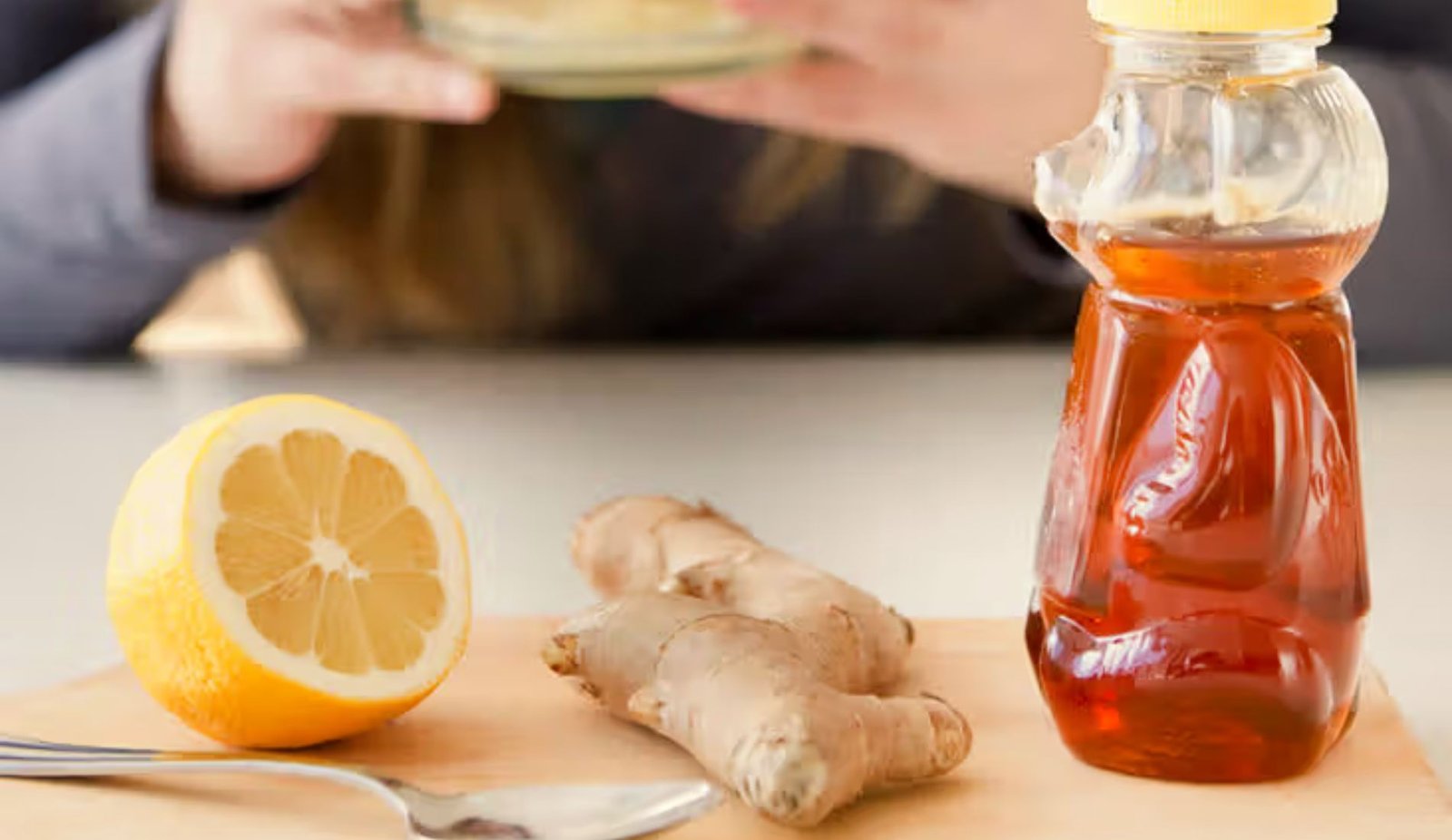
Honey is one of the safest and most effective natural remedies for children over one year old. It helps calm coughing and clears mucus from the lungs.
Mix one teaspoon of honey in warm water or milk. Give it before bedtime to ease nighttime coughing and promote better sleep. Avoid honey for infants under one year.
2. Ginger – Supports Lung Function Naturally
Ginger’s anti-inflammatory properties can help relax airway muscles and improve airflow. It’s a gentle, natural option for children with asthma.
Boil a few slices of fresh ginger in water for 5 minutes. Let it cool slightly and add a bit of honey for taste. Offer it warm once daily to help soothe the lungs.
3. Steam Inhalation – Clears Blocked Airways
Steam therapy is simple and effective for children experiencing mild asthma or chest congestion.
Fill a bowl with hot water and allow your child to inhale the steam carefully (supervised). Adding a few drops of eucalyptus oil can enhance the effect. Steam loosens mucus and eases breathing naturally.
4. Turmeric Milk – The Golden Drink for Stronger Lungs
Turmeric is rich in curcumin, which has antioxidant and anti-inflammatory properties. It helps reduce airway swelling and supports immune health.
Add half a teaspoon of turmeric powder to a cup of warm milk. Give it once a day to build lung strength and reduce asthma flare-ups.
5. Omega-3 Fatty Acids – Boost Respiratory Health
Omega-3 fatty acids found in foods like salmon, chia seeds, and walnuts help reduce airway inflammation.
Include these foods in your child’s diet regularly. They not only improve lung function but also support overall growth and immunity.
6. Eucalyptus Oil – Natural Breathing Aid
Eucalyptus oil can relieve chest congestion and ease breathing.
Add a few drops to a bowl of hot water and allow your child to breathe the steam. You can also use eucalyptus oil in a diffuser at night to help clear nasal passages and promote restful sleep.
7. Stay Hydrated – Keeps Airways Moist and Clear
Water is essential for keeping mucus thin and easy to expel. Proper hydration helps your child breathe more easily.
Encourage your child to drink enough water throughout the day. Herbal teas like chamomile or licorice root (for older children) can also soothe the throat and calm coughs.
Extra Tips for Parents
- Keep your home clean and dust-free.
- Avoid exposure to cigarette smoke and strong fragrances.
- Encourage light breathing exercises or yoga for kids.
- Maintain a balanced diet rich in fruits and vegetables.
Managing childhood asthma naturally is possible with gentle, safe remedies that support lung health. These home-based solutions can reduce symptoms, strengthen the immune system, and bring comfort to your child.
Always consult a pediatrician before trying any new remedy, especially if your child is on medication. With consistent care and natural support, your child can breathe freely and live actively.
Alternative and Natural Asthma Treatments
When we move beyond home remedies, several structured alternative therapies have gained attention. It is essential to seek qualified practitioners for these modalities.
- Acupuncture: This traditional Chinese medicine technique involves inserting fine needles into specific points on the body. Some research suggests it may help reduce asthma symptoms and improve lung function by modulating the nervous system and inflammatory response, though more robust studies are needed.
- Probiotics: The “gut-lung axis” is a growing area of research. A healthy gut microbiome may influence immune system regulation and reduce allergic inflammation. Probiotic supplements or fermented foods like yogurt and kefir may be beneficial, particularly for children with a history of eczema or food allergies.
- Speleotherapy and Halotherapy: These therapies involve spending time in salt-rich environments, either in natural salt caves (speleotherapy) or man-made salt rooms (halotherapy). The theory is that inhaling microscopic salt particles can help reduce inflammation, thin mucus, and improve lung function. While anecdotal evidence is strong, scientific consensus is still developing.
Treating Asthma in Children Ages 5 to 11
This age group presents a unique opportunity for management. Children are old enough to understand their condition and begin to take an active role, yet they still require close supervision.
- Education is Empowerment: Use age-appropriate language to teach your child about their asthma triggers and the importance of their medications. Help them recognize the early warning signs of an attack, such as a tight chest or a slight cough.
- Inhaler Technique: This is critical. Poor technique is a leading cause of uncontrolled asthma. Regularly watch your child use their inhaler, and ask your doctor or pharmacist to check their technique at every visit. Spacers are highly recommended for this age group to ensure the medication reaches the lungs effectively.
- School Collaboration: Develop a clear plan with the school nurse and your child’s teacher. Ensure the school has a copy of the Asthma Action Plan and that your child has immediate access to their rescue inhaler at all times.
- Promote Normalcy: Encourage participation in sports and activities. With proper management, there is no reason a child with asthma cannot be active. It builds confidence and strengthens their respiratory muscles.
Can People with Asthma Live a Normal Life?
Absolutely, yes. A diagnosis of asthma is not a life sentence of limitation. With modern medicine and a comprehensive management plan that includes both pharmaceutical and natural strategies, children with asthma can live fully active, normal lives.
Look no further than the many elite Olympic athletes, professional sports stars, and celebrated performers who have asthma. Their success underscores a crucial point: well-controlled asthma should not prevent anyone from achieving their dreams.
The goal of management is to have no symptoms, no waking up at night, no need for rescue medication, and no limitations on daily activities. For the vast majority of children, this is an entirely achievable reality.
Common Questions about Childhood Asthma Natural Remedy (FAQs)
What helps with asthma at night?
To manage nighttime asthma, use your prescribed controller inhaler daily. Keep your bedroom allergen-free, use air conditioning, and elevate your head with pillows. A quick-relief inhaler by your bedside provides fast action for any sudden symptoms that disrupt sleep.
What are the common symptoms of childhood asthma?
Common asthma symptoms in children include coughing, wheezing, shortness of breath, and chest tightness. These symptoms may worsen during physical activity, at night, or in response to asthma triggers like allergens or respiratory infections.
How can natural remedies help treat asthma?
Natural remedies can help reduce asthma symptoms and improve lung function. Options include herbal treatments, dietary changes, and mindfulness practices, which may support overall asthma control and management without relying solely on prescribed asthma medications.
What lifestyle changes can reduce asthma flare-ups?
For reducing your child’s asthma flare-ups, maintain a clean living environment, avoid known triggers like smoke and allergens, and ensure your child stays active. Regular check-ups and a written asthma action plan can also help manage their asthma effectively.
Are there specific natural remedies for allergic asthma?
Natural remedies for allergic asthma include using local honey to build immunity, inhaling steam, and consuming omega-3 fatty acids found in fish. These can help alleviate allergy symptoms and potentially reduce trigger asthma symptoms.
How can I help my child manage their asthma symptoms?
Work with your child’s caregivers to develop a comprehensive asthma management plan. Encourage adherence to prescribed asthma medications, monitor symptoms, and identify triggers to help control symptoms and prevent asthma attacks.
What role do allergies play in childhood asthma?
Allergies are a significant trigger for childhood asthma. Children with allergic asthma may experience increased symptoms when exposed to allergens like pollen, dust mites, or pet dander. Managing allergies can therefore help control asthma symptoms.
Can a child’s asthma be cured?
A child’s asthma can’t be cured, but it can be effectively managed. With a personalized asthma action plan and appropriate treatment, many children can lead normal, active lives while keeping their asthma symptoms under control.
What are some effective asthma management strategies?
Effective asthma management strategies include identifying and avoiding triggers, using prescribed asthma medications as directed, monitoring symptoms, and maintaining regular communication with healthcare providers. These steps can help ensure child’s asthma is well controlled and minimize the risk of severe child’s asthma symptoms.
Natural Remedies for Asthma Conclusion
Managing childhood asthma effectively requires a multi-faceted approach. While prescription medications are non-negotiable for controlling inflammation and providing emergency relief, integrating natural remedies for childhood asthma can provide a powerful synergistic effect. From mastering breathing techniques and optimizing your home environment to incorporating anti-inflammatory foods and targeted supplements, these strategies empower you to take a proactive role in your child’s health.
Remember, the most successful child’s asthma action plan is one developed in partnership with your healthcare provider, tailored to your child’s unique needs and triggers. With knowledge, vigilance, and a comprehensive strategy, you can help your child breathe easier and enjoy a vibrant, active childhood.
Recommended posts
- Managing Childhood Asthma Nighttime Cough for Peaceful Sleep
- 7 Subtle Childhood Asthma Symptoms – Every Parent Misses
- Can Childhood Asthma Go and Come Back? (Expert Insights)
- Effective Treatment for Childhood Asthma to Manage Symptoms
- How to Relieve Asthma Attack Without Inhaler – Safely and Effectively

