
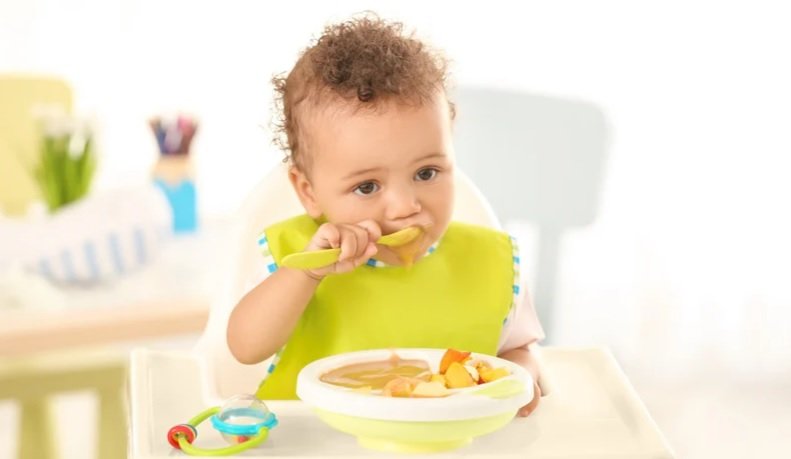
Are you wondering if Baby Led Weaning Eggs are safe and healthy for your little one’s first foods? Eggs are one of the most nutrient-rich options for babies starting solids, but many parents worry about allergies and preparation methods. So, how do you introduce eggs safely through baby-led weaning without any fuss?
In this article, you’ll learn exactly how to serve eggs for baby-led weaning—from boiled and scrambled to omelets cut into soft egg strips. We’ll discuss the right age to start, allergy prevention tips backed by pediatric nutrition experts, and why eggs are packed with essential nutrients like choline, protein, and healthy fats crucial for your baby’s brain development.
Renowned pediatric dietitian Gill Rapley, the pioneer of baby-led weaning, emphasizes the importance of offering diverse textures early on to encourage self-feeding and confidence. So, if you’re ready to discover how to make eggs a safe and exciting part of your baby’s weaning journey, let’s dive right in!
Introducing Eggs to Your Baby for the First Time
Introducing eggs to your baby for the first time should be done thoughtfully and at the right developmental stage. Typically this means around 6 months of age—once your baby shows signs of readiness for solids, such as sitting upright with minimal support, showing curiosity about food and being able to use a pincer grasp or at least attempt to bring food to their mouth.
When you’re offering eggs for the first time, start with a small portion of well-cooked egg (both white and yolk) and watch your baby closely for any possible food-allergic reaction. Serve in a size and shape appropriate for their grasp and development.
If they take it well, you can gradually expand portion size and variety of preparation. According to the resource you provided, eggs may be introduced as soon as baby is ready to start solids (around six months).
It’s important to emphasise that the egg is well-cooked (to 160 °F / 71 °C) to reduce both allergen and food-safety risk. solidstarts.com In the baby-led weaning (BLW) context, you’ll want to provide pieces or strips of cooked egg that your baby can pick up easily, rather than purees or spoon-feeding only.
Why Eggs Are A Great First Food For Babies
Eggs are a remarkably beneficial first food for babies for several reasons:
- Rich nutritional profile: Eggs contain high-quality protein, healthy fats, choline (critical for brain development), iron, zinc, selenium, vitamins A, B12, D, lutein and zeaxanthin (important for vision).
- Texture versatility: Eggs can be cooked soft, scrambled, baked, or served as finger-food strips—making them ideal for a baby led weaning approach where your child feeds themselves.
- Accessible and affordable: Compared to many speciality baby foods, eggs are widely available in most markets and gentle on the budget.
- Low choking hazard when prepared correctly: When eggs are well-cooked and cut into appropriate shapes for baby’s stage, they are considered a low-choking‐risk option.
- Supports dietary variety: Using eggs in your baby’s diet supports a more varied meal plan—helpful for establishing healthy eating habits early.
Because of all this, eggs check many of the boxes parents and caregivers look for when selecting first foods—nutrition, convenience, and flexibility.
How to Serve Eggs for Baby-Led Weaning?
When serving eggs in a baby-led weaning context, keep these practical tips in mind:
1. Ensure your baby is ready: Sitting upright, showing interest in food, being able to bring food to mouth.
2. Prepare the egg safely: Well-cooked to appropriate temperature (160 °F / 71 °C) to minimise both foodborne and allergenic risks.
3. Offer appropriate shapes and sizes:
For around 6 months: strips of omelet, mashed hard-boiled egg, or other easily graspable shapes.
From about 9 months: smaller bite-sized pieces, hard-boiled halves, finger‐food style pieces.
4. Stay close and supervise: Even low-risk foods need supervision—stay within arm’s reach during meals and monitor for gagging or choking.
5. Offer liquids: Because egg textures (especially yolk) can be a bit dry or chalky, offering a small cup of water, or breast milk / formula in an open cup, helps your baby wash down food.
6. Start small and observe: Especially when introducing a food for the first time, observe your baby for any allergic reaction after 5–10 minutes of the first taste.
7. Variety and rotation: Don’t serve eggs exactly the same way every time—switch up preparation method to keep baby interested and exposed to different textures and combinations.
7 Easy & Quick Baby Led Weaning Eggs Recipes
Here are seven simple, quick recipes for baby-led weaning eggs—designed for convenience and nutritional value. These are ideal whether it’s breakfast, lunch, dinner or snack time.
1. Soft Scrambled Eggs
Ingredients: 1 egg, 1 tsp milk (optional), a tiny pinch of mild cheese (optional).
Method: Crack the egg into a bowl, whisk with milk if using. Heat a nonstick skillet on medium heat, pour egg mixture, gently stir with a silicone spatula until the curds are soft but fully cooked (no runny liquid remains). Cut into thick finger-length “sticks” or serve as a soft mound your baby can grasp.
Benefits: Quick to make (~5 minutes), soft texture ideal for early graspers, rich in yolk nutrients.
2. Egg Muffins with Veggies
Ingredients: 2 eggs, ¼ cup finely chopped cooked veggies (e.g., spinach, carrot, zucchini), a little shredded mild cheese, olive oil for greasing muffin tin.
Method: Preheat oven to 180 °C (350 °F). Grease muffin tin with olive oil. Whisk eggs with veggies and cheese, pour into muffin cups. Bake about 12–15 minutes until fully set (no runny center). Let cool, then serve one muffin cut in half or thirds depending on baby’s age.
Benefits: These freeze well (so batch-make ahead), easy to grab and reheat, combine eggs’ protein with a serving of veggies.
3. Hard-Boiled Egg as Finger Food
Ingredients: 1 large egg.
Method: Place egg in boiling water for about 15 minutes until fully hard-boiled. Cool, peel, and either quarter or slice into sticks (for older babies) or mash the yolk (for younger babies) and spread onto a toast stick or cooked veggie stick.
Benefits: Simple to prepare ahead, portable, great for on-the-go meals or finger-food practice. Note: The yolk can be dry or chalky for younger babies, so you may mash it with a little water or milk.
4. Mashed Avocado and Egg
Ingredients: 1 hard-boiled egg (yolk + white), ½ ripe avocado.
Method: Mash the avocado and egg together to a slightly chunky consistency. Form into small patties or thick finger shapes your baby can grab. Alternatively, serve as a soft pile and allow your baby to self-feed with fingers.
Benefits: Combines healthy fats from avocado with eggs’ nutrition; smooth enough for early feeders but still self-feeding-friendly.
5. Hard-Cooked Egg Yolk Mashed on a Toast Stick
Ingredients: 1 hard-cooked egg yolk, 1 small whole-grain toast stick (or lightly cooked veggie stick).
Method: Remove the white of the egg, mash the yolk with a small amount of breast milk, formula, or water to smooth it. Spread onto the toast stick or veggie stick. Offer the stick to your baby to hold and self-feed.
Benefits: Great for developing grasp skills with a “handle” (the stick), and the yolk is rich in choline and iron. Because the white is omitted, it’s a gentler starting point for very early exposures (but check allergy-guidance).
6. Baked Into Baby Muffins or Pancakes
Ingredients (baby-friendly pancake version): 1 egg, ¼ cup whole-grain flour (or baby-appropriate grain), ½ mashed banana or ¼ cup pureed sweet potato, a splash of milk (breast milk/formula/cow/plant if baby allowed).
Method: Preheat grill/skillet or oven. Mix together all ingredients, pour batter into mini muffin tin (if baking) or skillet (if pancake style). Cook until fully set and golden brown. Serve warm as finger size pieces.
Benefits: Multi-functional meal option—makes baby-friendly pancakes or muffins incorporating egg and other healthy ingredients; convenient for batch cooking and reheating.
7. Omelet Strips with Cheese
Ingredients: 1 egg, a small handful of mild cheese (e.g., mozzarella or cheddar), optional finely chopped soft vegetable (e.g., spinach).
Method: Whisk egg, pour into small skillet, add cheese and optional veggies, cook until fully set (no runny egg). Remove from heat, let cool slightly, then cut into strips about the width of two adult fingers pressed together (recommended for ~6 months age).
Benefits: Easy to pick up strips help develop fine motor skills; the cheese adds flavour and baby-friendly variety; cooked egg ensures safety and full protein structure.
How To Prepare Eggs for Baby Led Weaning?
When preparing eggs for baby led weaning, follow these best practices to maximise safety, nutrition, and self-feeding success:
- Choose high-quality eggs: Preferably fresh, clean, ideally from a trusted source (organic or pasture-raised if available and within budget).
- Cook thoroughly: Eggs should be cooked until both yolk and white are firm. The target internal temperature: 160 °F (71 °C) as advised by credible sources.
- Avoid runny or raw eggs for infants: Because of increased risk of food-borne illness (e.g., Salmonella) and allergen sensitivity.
- Avoid added salt or strong seasonings: Babies’ kidneys are still maturing, and early exposure to strong flavours may influence taste-preferences. Use mild herbs or a small pinch of mild cheese as needed.
- Cut into manageable shapes: Especially early on—strips, half sticks, patties; these shapes encourage self-feeding but are safe for the baby’s grasp and mouth.
- Supervise feeding closely: Always stay within arm’s reach, sit baby upright at meal-time, and check for signs of choking or gagging. Provide water or milk in an open cup to assist swallowing textured food.
- Rotate presentation and texture: As your baby’s skills improve (pincer grasp, chewing, self-feeding), vary how you prepare eggs—whole, mashed, chopped, combined with other foods—to maintain interest and support development.
- Introduce one new food at a time when combining eggs with other foods, so you can monitor for allergies or sensitivities.
Egg allergies: Are Eggs a Common Allergen?
Yes—eggs are one of the most common food allergens in infancy. According to data shared by trusted baby-food resources: roughly 2 % of children may be allergic to eggs.
Key points to know:
- One of the major allergenic proteins in eggs (ovalbumin) is heat-sensitive. When eggs are fully cooked (baked, boiled, etc.) the allergenic potential is reduced.
- The previous conventional advice of delaying eggs until age 2 has largely been overturned—early and sustained introduction of well-cooked eggs may help prevent egg allergy.
- If your baby has severe eczema, another established food allergy, or a family history of anaphylaxis, it’s wise to consult a pediatric allergist before introducing eggs or to perform a supervised introduction.
- Signs of an allergic reaction to eggs can vary widely—from mild skin or GI symptoms to severe anaphylaxis. Always be ready and know the signs.
- Many children who are allergic to lightly-cooked eggs can tolerate baked eggs (where proteins are further denatured by heat).
- Even with egg introduction, continue to regularly include egg in the diet (once tolerance is confirmed) to help maintain immune tolerance.
In short: eggs are a common allergen, but with proper preparation, timing, and monitoring, they can often be safely introduced—and may even support reduced allergy risk.
How to Make Egg Muffins?
Here is a more detailed step-by-step for making egg muffins—one of the most convenient, baby-led friendly recipes on this list:
Ingredients (makes ~6 muffins):
- 4 large eggs
- ½ cup cooked, finely chopped soft vegetables (such as zucchini, spinach, carrot)
- ¼ cup shredded mild cheese (optional)
- 1 Tbsp olive oil or butter (for greasing)
- A small pinch of mild seasoning (optional; lightly use only if baby already accustomed)
Method:
- Preheat your oven to 180 °C (350 °F).
- Grease a standard muffin tin (6-cup) with olive oil or butter.
- In a bowl, whisk the eggs until blended.
- Add in your chopped vegetables and shredded cheese. Mix until evenly distributed.
- Pour mixture into each muffin cup until about ¾ full.
- Bake for 12-15 minutes or until the tops are set and a toothpick comes out clean (no runny egg)
- Remove from oven and allow to cool for a few minutes. Then remove muffins and let them cool further to room-temperature.
- For a baby-led weaning serve:
- For ~6–8 months: cut each muffin into halves or thirds (so grasp size is manageable)
- For ~9 + months: you can offer whole muffins or cut into larger finger shapes.
- Store extras in the fridge for up to 3 days, or freeze for later. To re-serve, thaw and re-warm gently (microwave or oven) and ensure the muffin is warmed all the way through but not hot.
- Supervise baby during feeding, offer water or milk in an open cup, and stay within arm’s reach.
Why this works: The muffin format makes eggs easy to grab, reheats well, and combines vegetables to increase baby’s exposure to flavour and nutrients. It fits well within a baby-led feeding style because your baby can hold and self-feed the pieces.
Commonly Asked Questions about Eggs Baby-Led Weaning Receipes (FAQs)
Can babies eat hard-boiled eggs?
Yes, babies can eat hard-boiled eggs around 6 months of age. Start with the egg white, ensuring it’s well-cooked, and gradually introduce solid foods like boiled eggs as part of their diet.
When can babies have eggs?
Babies can typically have eggs, including hard-boiled eggs, at around 6 months of age. Introduce boiled eggs slowly while monitoring for any allergic reactions.
Can eggs be a food allergy?
Yes, eggs can be a food allergy in babies. It’s essential to watch for symptoms like rashes or digestive issues when introducing egg white and other solid foods.
How do you serve eggs to babies?
Ways to serve eggs to babies by offering hard-boiled or scrambled eggs cut into small pieces. Ensure they are soft, well-cooked, and free from solids that may pose choking hazards.
When can a child have runny eggs?
It’s best to avoid runny eggs until at least 12 months of age due to the risk of salmonella. Serve fully cooked hard-boiled or scrambled eggs instead.
Are eggs a choking hazard for babies?
Yes, eggs can pose a choking hazard. Serve hard-boiled eggs in small, manageable pieces and monitor your baby while eating to prevent choking.
How can I keep my baby safe when introducing solids?
Introduce solid foods gradually and one at a time, like hard-boiled egg white. Always supervise feeding, be mindful of choking hazards, and consult a pediatrician for personalized advice.
How to cook eggs for baby-led weaning?
For baby-led weaning, steam or hard-boil eggs until fully cooked. Cut them into soft strips or small pieces, focusing on removing the yolk and offering just the egg white initially.
Can babies and toddlers eat eggs every day?
Yes, babies and toddlers can eat eggs daily after 6 months, provided they are cooked well. Balance eggs with other solid foods for a nutritious diet as they grow.
At what age can I serve scrambled eggs to my baby?
You can serve scrambled eggs to your baby around 6 months of age, ensuring they are fully cooked and cut into small pieces to avoid choking hazards.
How to make an egg omelette for a baby?
Make an omelette by whisking eggs, cooking them thoroughly in a pan, and cutting into soft, small pieces for easy consumption. Avoid adding solid foods initially for safety.
Can a baby starting solids at 4 months?
It’s recommended to start solid foods, including hard boiled eggs, around 6 month old. Introducing solids too early, like at 4 months, may cause digestive issues and allergies.
Conclusion
Introducing Baby Led Weaning Eggs offers a powerful and flexible way to support your baby’s nutrition, self-feeding skills, and palate development—all while fitting into busy family life. Eggs provide high-quality protein, essential nutrients like choline and iron, and a texture versatility that aligns beautifully with baby-led weaning.
By following the guidance above—ensuring readiness, preparing eggs safely and appropriately for developmental stage, offering variety, and always supervising—you open the door to a whole set of delicious, baby-friendly meals. The seven quick recipes (soft scrambled, egg muffins, hard-boiled finger food, mashed avocado-egg, yolk on toast stick, baked muffins/pancakes with egg, omelet strips with cheese) give you immediate, realistic options you can prepare any time.
Remember: start small, observe for any allergies, supervise, and encourage your little one to self-feed (even if it’s a little messy!). With patience and consistency you’ll help nurture a confident little eater—and eggs will become a go-to meal option.
Recommended posts
- 10 Easy Baby Led Weaning Breakfast Ideas for Happy Mornings
- 5 Easy & Delicious Baby Led Weaning Sweet Potato Recipes
- Easy Baby Led Weaning Banana Pancakes Your Baby Will Love
- 5 Baby Led Weaning Avocado Ideas (Safe Prep & Serving Tips)
- 15 Easy Muffin for Babies Led Weaning – Soft, Safe, and Delicious
- Is it Too Early Introducing Food at 4 Months? Expert Guidance

