Have you ever wondered what the signs of stillbirth in pregnancy look like and how a mother can recognize them? This is one of the most heartbreaking concerns an expecting parent might face, yet understanding the warning signals can save lives. Spotting changes in fetal movement, unusual pain, or other worrying symptoms should never be ignored. So, what exactly should you watch out for?
The signs of stillbirth in pregnancy often include a sudden decrease or absence of fetal movement, cramping, or unusual vaginal bleeding. According to experts like Dr. Tommy’s from the UK’s National Centre for Miscarriage Research, closely monitoring movement patterns plays a vital role in detecting risks early.
This article breaks down the most common symptoms, when to seek urgent medical help, and how expert guidance can make a difference for expecting mothers.
But these are not the only key details you need to know to stay informed. There are many critical insights and expert-backed recommendations that every parent should be aware of.
So, let’s dive deeper into the most reliable information on the symptoms of stillbirth in pregnancy and learn how to recognize them before it’s too late.
What are The Signs of Stillbirth in Pregnancy?
Stillbirth is typically defined as the loss of a baby after 20 weeks of gestation, and it often occurs unexpectedly. However, there are certain red flags that expectant mothers should never ignore. Being aware of signs of stillbirth in pregnancy can help you identify when to contact your healthcare provider immediately.
When expecting a child, it’s crucial to be aware of the signs of stillbirth, as they can indicate that the baby may be in distress. Parents should monitor fetal movements closely; a noticeable decrease or absence of movement may be a sign that something is wrong.
Additionally, if there are any unusual symptoms such as severe abdominal pain or a sudden change in the mother’s health, it may be wise to consult a healthcare professional promptly. Recognizing these signs early can be key to ensuring the well-being of both the mother and the baby.
7 Early Symptoms of Stillbirth You Can’t Ignore
Pregnancy is a journey filled with hope and excitement. However, it is also essential to stay informed about potential risks. Stillbirth can happen unexpectedly, but early detection of warning signs can save lives. Parents who understand these symptoms can act quickly and seek medical help.
1. Decreased Fetal Movement
One of the most significant indicators of fetal health is movement. By the third trimester, most women become familiar with their baby’s unique patterns of kicks, turns, and stretches. A noticeable reduction—or complete absence—of movement may suggest distress. Doctors often recommend “kick counts” to monitor daily fetal activity.
2. Changes in Fetal Heartbeat
Modern prenatal care often includes the use of Doppler devices and ultrasounds to monitor a baby’s heartbeat. If a healthcare provider struggles to detect or confirm a heartbeat, it can be a concerning sign requiring immediate medical assessment.
3. Vaginal Bleeding
Although light spotting can be common in early pregnancy, heavy or sudden bleeding during the later stages may indicate placental problems or potential pregnancy loss. Vaginal bleeding should always be evaluated by a medical professional.
4. Severe Abdominal Pain or Cramping
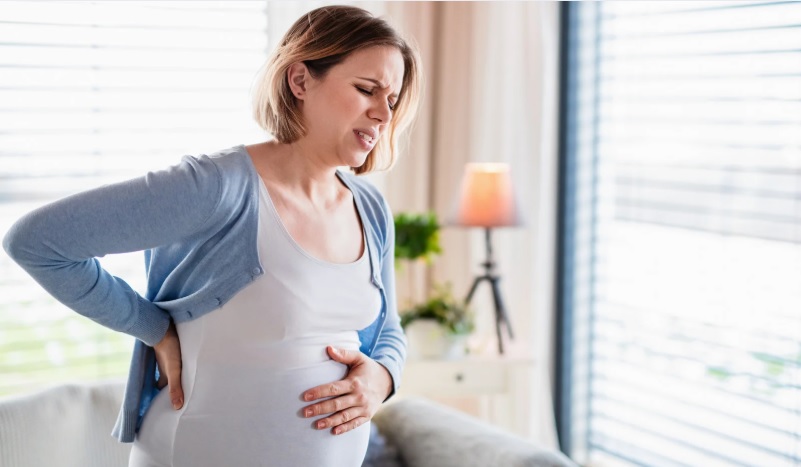
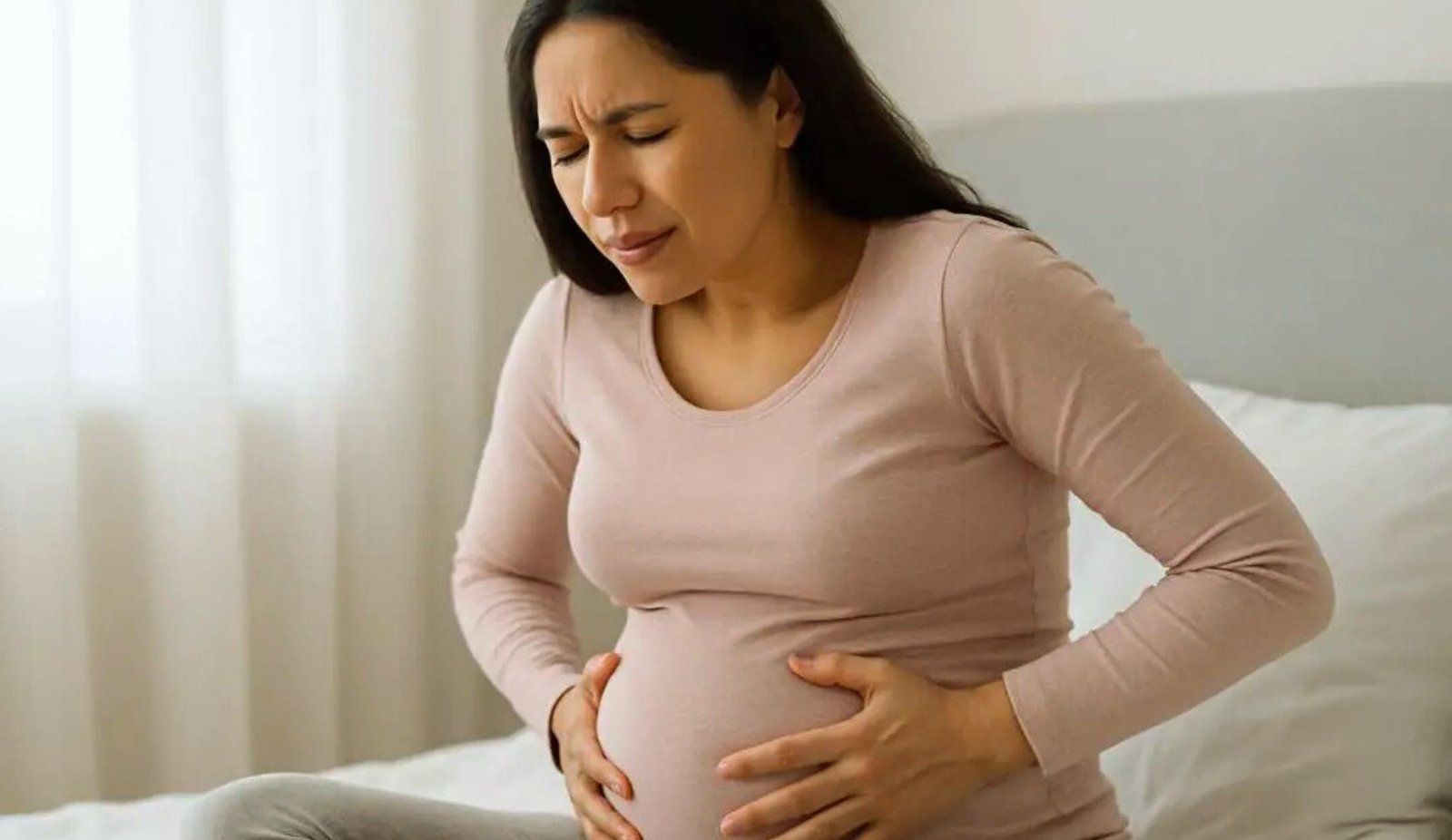
While mild cramps can occur throughout pregnancy, persistent or intense abdominal pain—especially if paired with bleeding—should never be overlooked. This may suggest complications with the uterus, placenta, or baby.
5. Amniotic Fluid Leakage
The sudden gush or slow trickle of amniotic fluid before labor may be an early sign of premature rupture of membranes. Loss of this protective fluid can increase the risk of infection or complications for the baby.
6. High Maternal Blood Pressure and Pre-eclampsia
Conditions such as pre-eclampsia, which involves high blood pressure and organ stress, are strongly linked with stillbirth. Swelling, headaches, and vision changes in the mother should prompt urgent medical evaluation.
7. Maternal Infections
Certain infections such as listeria, syphilis, or toxoplasmosis can increase the risk of stillbirth. Expectant mothers experiencing fever, unusual discharge, or flu-like symptoms should contact their healthcare provider promptly.
Collectively, these warning signs—whether categorized as symptoms of stillbirth, decreased fetal movements, or physical changes in the mother—underline the importance of vigilance and regular prenatal checkups.
What Is Intrauterine Fetal Demise?
The medical term for stillbirth is Intrauterine Fetal Demise (IUFD). It refers to the loss of a baby inside the womb at or after 20 weeks of pregnancy. IUFD can occur for many reasons, though in some cases, the cause remains unknown even after extensive testing.
Common Causes of IUFD
- Placental Problems: A compromised placenta may reduce oxygen and nutrient supply.
- Umbilical Cord Accidents: Cord compression, knots, or prolapse can cut off blood flow.
- Maternal Health Conditions: Diabetes, high blood pressure, clotting disorders, or thyroid disease can elevate risks.
- Infections: Viral, bacterial, or parasitic infections sometimes contribute to fetal loss.
- Birth Defects or Genetic Disorders: Structural anomalies or chromosomal abnormalities can result in stillbirth.
- Lifestyle Factors: Smoking, substance use, or inadequate prenatal care may play a role.
Diagnosing IUFD
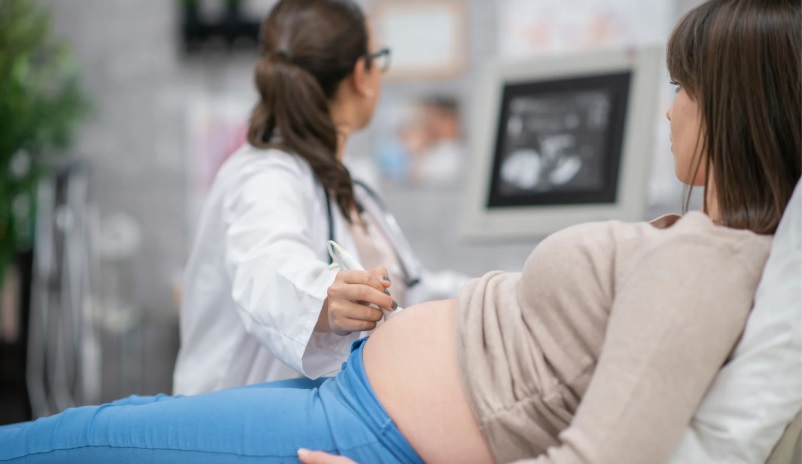
When a healthcare provider suspects IUFD, they often use ultrasounds to confirm the absence of fetal cardiac activity. Blood tests, amniotic fluid assessments, and post-pregnancy examinations (such as autopsy or placental studies) may help determine the cause.
Understanding IUFD medically is important, but equally significant is recognizing the emotional and psychological toll it takes on families.
Coping With Pregnancy Loss
The loss of a baby through stillbirth is one of the most devastating experiences a parent can endure. It is not only a physical event but also a profound emotional and psychological journey. Acknowledging grief and seeking support is essential.
Emotional Reactions
Parents may feel shock, guilt, anger, sadness, or even numbness. These reactions are normal responses to a traumatic loss. Some parents may struggle with intrusive thoughts or self-blame, even when no cause was preventable.
Seeking Support
- Counseling and Therapy: Professional grief counselors and therapists specializing in perinatal loss can provide coping tools.
- Support Groups: Connecting with other parents who have experienced stillbirth helps normalize feelings and reduce isolation.
- Partner and Family Involvement: Both parents and close relatives should be encouraged to express their grief, as the loss affects the entire family.
Long-Term Healing
Healing after stillbirth is not linear. Some parents find comfort in creating memory boxes, naming their baby, or holding memorial services. Others focus on education, advocacy, or raising awareness of stillbirth symptoms to support future parents.
Planning for subsequent pregnancies can bring both hope and anxiety. Doctors typically recommend enhanced prenatal monitoring in future pregnancies, including additional ultrasounds and fetal health checks.
Commonly Asked Questions about Symptoms and Causes of Stillbirth (FAQs)
What Causes Stillbirth?
A baby dies in the womb from placental abruption, birth defects, infections, or umbilical cord issues. Maternal conditions like preeclampsia or diabetes also contribute. Sadly, many stillbirths have no clear, identifiable cause.
Can medical malpractice lead to stillbirth?
Yes, medical malpractice can lead to stillbirth. Failure to monitor, diagnose, or act on complications like fetal distress can be a cause of death. This includes missing signs of preeclampsia or placental issues.
What are the risk factors for IUFD?
Risk factors for IUFD (stillborn) include maternal diabetes, high blood pressure, placental issues, and infections. These can cause growth restriction or premature birth, increasing the risk of fetal death in the womb.
What to do if you have diabetes in pregnancy?
There’s no single right or wrong way, but key steps include: monitoring blood sugar, following a healthy diet, taking prescribed medication/insulin, and attending all prenatal appointments for the health of both mother and baby.
What are the common signs of stillbirth during pregnancy?
Common symptoms of stillbirth include a noticeable decrease in fetal movement, especially after the 20th week of pregnancy. If you find that your baby is moving less than usual or if you experience any unusual symptoms, it is essential to contact your midwife immediately for advice and support. Other signs may include changes in the baby’s heart rate or unusual abdominal pain.
Can placental abruption lead to stillbirth?
Yes, placental abruption, which occurs when the placenta separates from the uterus before delivery, can lead to stillbirth. This condition can compromise the baby’s health by restricting blood flow and nutrients, potentially resulting in fetal death. Monitoring for signs of this pregnancy complication is crucial.
How does fetal growth restriction relate to stillbirth?
Fetal growth restriction (FGR) can increase the risk of stillbirth, particularly if the baby is not receiving adequate nutrients and oxygen. If a healthcare provider identifies growth restriction during routine antenatal appointments, they may recommend closer monitoring or interventions to reduce the risk of stillbirth.
What should I do if my baby is moving less?
If you notice that your baby is moving less than usual, it’s important to contact your midwife or healthcare provider right away. They may suggest using an ultrasound to assess the baby’s health and check for any potential issues that could lead to complications, including stillbirth.
What are the risks associated with obesity during pregnancy?
Obesity can increase the risk of pregnancy complications, including stillbirth. It can lead to conditions such as gestational diabetes and preeclampsia, which can negatively affect the baby’s health. Maintaining a healthy body mass index (BMI) can help reduce these risks.
How does preterm birth affect the chances of stillbirth?
Preterm birth, defined as delivery before 37 completed weeks of pregnancy, can increase the risk of stillbirth. Babies born prematurely may face various health challenges, and their chances of survival can be affected by the underlying causes of preterm labor.
What are some unexplained causes of stillbirth?
In some cases, the cause of stillbirth may be unexplained despite thorough investigation. Factors such as congenital abnormalities, issues with the placenta, or maternal health problems can contribute to fetal death, but not all cases can be clearly identified. This uncertainty can be distressing for expectant parents.
How can I reduce my risk of stillbirth?
To reduce your risk of stillbirth, it is important to maintain regular antenatal appointments, monitor fetal movements, and address any health concerns with your care team. Additionally, adopting a healthy lifestyle, managing existing health conditions, and avoiding smoking and excessive alcohol can also help safeguard your baby’s health.
What are signs of stillbirth at 28 weeks?
If experiencing symptoms of stillbirth like no fetal movement, vaginal bleeding, or cramping, your health is at risk. An absent fetal heart beat on ultrasound confirms stillbirth. Seek immediate medical care for evaluation.
Conclusion
Recognizing the early still birth signs can make a critical difference in protecting the health of both mother and child. While not every warning symptom points to stillbirth, awareness encourages proactive medical consultation and intervention. Understanding what intrauterine fetal demise means, being familiar with the warning signs of stillbirth in pregnancy, and knowing the resources available for coping after loss ensures that parents are better equipped both emotionally and medically.
Stillbirth is a heartbreaking experience, but through education, support, and ongoing medical research, families can find strength, healing, and hope for the future. If you ever experience concerning changes during pregnancy, do not wait—reach out to your healthcare provider immediately.
Recommended posts
- What Causes Stillbirth? Key Medical and Lifestyle Factors
- Can Stress Cause a Stillbirth? (The Shocking Truth)
- Successful Pregnancy After Stillbirth: Hope, Healing & Success Stories
- How to Prevent Stillbirth During Pregnancy (5 Proven Ways)
- The Key Difference Between Miscarriage and Stillbirth Revealed
- Advanced Maternal Age and Stillbirth Risk (Facts Vs. Fear)
- Recognizing The Hidden Signs of Stillbirth at 36 Weeks