
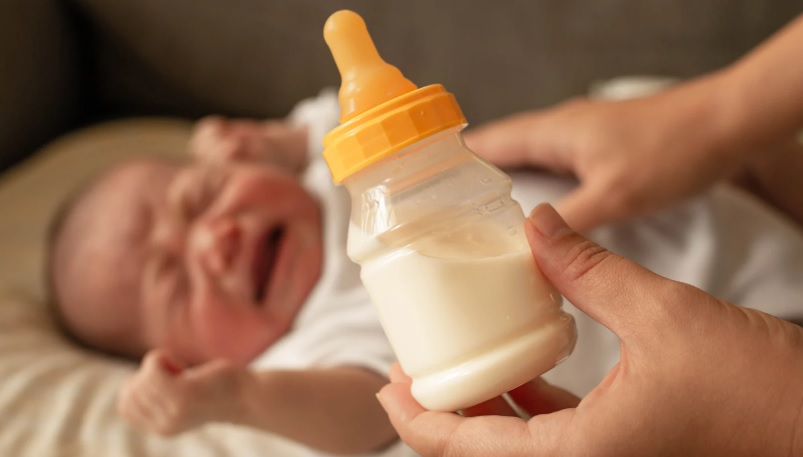
Signs of Hunger in Infants often puzzle new parents, especially in the first few weeks of constant feeding. You might wonder if your baby cries from hunger or something entirely different. Have you ever felt unsure whether that tiny yawn or restless wiggle signals a feeding need?
Infants show hunger through clear cues such as rooting, hand-sucking, and increased alertness. Crying appears as a late sign, not the first one, which surprises many parents. In this article, you’ll see how these cues compare and why child-development experts like the pediatrics Dr. T. Berry Brazelton highlight early signals as the key to smoother feeding.
Many parents miss subtle hunger signs, leading to stress for both baby and caregiver. You’ll discover practical examples, expert-backed explanations, and simple tricks you can use today. So, let’s explore the essential cues that help you respond confidently and keep your baby content.
What are Newborn Hunger Cues?
Newborn hunger cues are a sophisticated, non-verbal language your infant uses to communicate their need for nourishment. Think of them as your baby’s first attempt at conversation. These cues are a series of behavioral and physical signals that progress from subtle, early signs to late, more desperate ones.
Babies are born with a remarkable instinct to seek out food, and these cues are hardwired for survival. By learning to identify and respond to the early stages of this hunger “dialogue,” you not only ensure your baby is fed before they become distressed but also build a foundation of trust and security.
Your baby learns that their needs are understood and met, fostering a secure attachment. Missing these early signals often leads to a frustrated, crying baby who then finds it harder to latch effectively, creating a cycle of frustration for both parent and child.
7 Early Signs of Hunger in Infants Most Parents Miss
Understanding early hunger cues helps parents respond before crying begins. These signals often appear subtle, yet they reveal a baby’s growing need for nourishment. When parents notice them early, feeding becomes smoother and calmer. This guide highlights the most overlooked infant hunger signs and explains why they matter.
Why Early Hunger Signs Matter? Infants communicate through movements and expressions. When parents catch these cues quickly, they reduce fussiness during feeding. Early detection also encourages healthier feeding habits. It creates a comforting routine that strengthens bonding. Babies feel secure when parents respond promptly.
1. Increased Mouth Movements
Babies often show signs of hunger through soft mouth actions. They may open and close their mouths gently. Sometimes they make smacking sounds. These tiny motions signal their readiness to feed. Parents can act on these signs and symptoms of hunger in infants before fussiness appears.
2. Rooting and Head Turning
Rooting remains one of the most reliable hunger cues. Infants turn their heads toward anything that brushes their cheek. This reflex helps them locate the breast or bottle. When babies root frequently, they likely want to feed soon.
3. Restless Body Movements
A hungry baby may become more active. Their arms and legs move with sudden bursts. Small wriggles soon grow into stronger motions. These movements show rising hunger. Parents who observe this early can begin feeding before the child becomes upset.
4. Hand-to-Mouth Gestures
Babies love placing their hands near their faces. When hunger rises, they bring their fists to their mouths. Sucking on fingers becomes common. This gesture often goes unnoticed, yet it signals early hunger. Recognizing it prevents unnecessary crying.
5. Soft Whimpering or Coos
Crying is a late hunger sign. Before that, infants make gentle noises. These soft whimpers or coos indicate mild discomfort. They communicate the need for food without distress. Responding at this stage leads to calmer feeding sessions.
6. Sudden Alertness
A baby who wakes suddenly may be hungry. They open their eyes wide and look around. Their awareness increases as hunger grows. Many parents overlook this newborn Sign of hunger because babies can seem simply curious. However, it often reflects the need for feeding.
7. Tension in the Upper Body
Hunger can cause slight body tension. Babies may arch their backs lightly. They stiffen their shoulders or stretch frequently. These signals show they need attention. Recognizing newborn hunger cues early helps parents feed before emotions build.
How Parents Can Respond Effectively to Hunger Signs in Infants
Responding quickly supports smoother feeding routines. Keep feeding supplies nearby for convenience. Observe your baby’s behavior during different times of day. Over time, patterns appear. This makes it easier to anticipate hunger. Parents who track cues create a more relaxed environment.
Benefits of Recognizing Early Signs Hunger Signs in Newborn
Early responses prevent excessive crying. They also promote better digestion. Calm feedings lead to improved bonding. Babies feel safe when their needs are met quickly. Parents gain confidence as they learn to read their child’s signals.
Early hunger signs in infants appear subtle yet important. Recognizing them helps parents respond with confidence. These cues create smoother feeding experiences. They also promote a peaceful rhythm for both parent and child. With practice, understanding these signals becomes second nature.
When Should You Respond to Hunger Cues?
The simple and most effective answer is: immediately. Responding to early hunger cues is the cornerstone of responsive feeding, which is recommended by pediatric experts worldwide.
The “wait for a schedule” or “let them cry a little” approach is outdated and can be counterproductive for both feeding and emotional development. When you respond to the early Signs of Hunger in an Infant like rooting and mouthing, your baby is calm, alert, and receptive. This state is ideal for achieving a deep, effective latch, whether at the breast or with a bottle.
A calm baby can coordinate sucking, swallowing, and breathing with ease. In contrast, a crying baby is frantic. Their tongue is often positioned high in the mouth, making latching difficult or impossible. They swallow air, leading to gas and discomfort, which further complicates the feeding.
By responding promptly, you prevent this negative cycle, making the entire process more efficient and pleasant for everyone involved. It also reinforces a secure attachment, teaching your infant that their world is a predictable and caring place.
How to Differentiate Between Hunger and Other Needs in Newborns
This is a common challenge for new parents, as a newborn’s repertoire for communication is limited. Context and a process of elimination are your best tools.
- The Timeline Test: When did your baby last feed? Newborns have tiny stomachs and typically need to feed every 2-3 hours. If it’s been around that time, hunger is the most probable cause.
- The Pacifier Check: If your baby shows early cues like mouthing, offer a clean finger (pad-side up) to their mouth. A hungry baby will suck vigorously and persistently. A baby who is simply seeking comfort may suck for a few moments and then spit it out or fall asleep.
- Consolation Attempts: Try picking your baby up, rocking them, or speaking in a soothing voice. A baby who is tired or overstimulated will often settle with these tactics. A hungry baby will typically become more persistent in their cues, escalating to fussing and crying.
- Diaper Check & Comfort: Rule out the obvious. A wet or soiled diaper can cause significant distress. Likewise, check if your baby is too hot or too cold. Ensure their clothing is comfortable and not restrictive.
- The “I Need a Burp” Signal: Sometimes, discomfort from trapped gas can mimic hunger cues. The baby may fuss, squirm, and even root because sucking provides relief. If your baby pulls away, arches their back, or seems uncomfortable during or shortly after a feed, try burping them thoroughly.
Signs of Your Little One Getting Enough Milk
Worrying about milk intake is universal among parents. Instead of guessing, look for these reliable, evidence-based signs that your baby is well-fed:
- Consistent Weight Gain: This is the most objective marker. Your pediatrician will track this closely, but in general, a steady gain along their growth curve is the primary indicator of sufficient intake.
- Frequent Wet and Dirty Diapers: In the first few days, expect 1-2 wet diapers daily. After day 5, you should see 6-8 heavy, wet diapers every 24 hours. The urine should be pale yellow and odorless. For bowel movements, breastfed newborns often have several yellow, seedy stools daily, while formula-fed babies may have fewer, but should still have regular ones.
- Audible Swallowing During Feeds: You should be able to hear your baby swallowing—a soft “kuh” sound. This indicates they are actively transferring milk, not just comfort-sucking.
- Contentment Between Feeds: After a full feeding, your baby should appear relaxed, satisfied, and sleepy. They will typically “milk drunk” and release the breast or bottle on their own.
- Alertness and Meeting Developmental Milestones: During awake periods, a well-nourished baby will be alert and engaged. They will gradually become more interactive and meet their developmental milestones, as growth requires adequate fuel.
Tips for Infant Formula Feeding
For parents who choose formula feeding, either exclusively or in combination with breastfeeding, following best practices ensures your baby’s health and safety.
- Practice Responsive Bottle-Feeding: Just like with breastfeeding, follow your baby’s cues. Hold your baby upright and encourage them to draw the nipple into their mouth. Pause frequently, mimicking the let-down pauses of breastfeeding, to allow them to register fullness.
- Pace the Feeding: Avoid holding the bottle horizontally, which can cause milk to flow too quickly. Tip it just enough to fill the nipple. This allows the baby to control the pace and reduces overfeeding and air intake.
- Prepare Formula Safely: Always follow the manufacturer’s instructions precisely. Use water that has been boiled and cooled for newborns. Measure scoops accurately—never pack them down or add extra.
- Master Safe Storage: Prepared formula can be stored in the refrigerator for up to 24 hours. Discard any formula left in the bottle after one hour from the start of the feed, as bacteria from the baby’s saliva can multiply rapidly.
- Choose the Right Nipple Flow: A slow-flow nipple (typically labeled “newborn” or “stage 1”) is best to start. If your baby seems to be working very hard, appears frustrated, or falls asleep quickly from exhaustion, it might be time to move up a stage. Conversely, if they are coughing, choking, or milk is dribbling out, the flow is too fast.
Commonly Asked Questions about the Early Signs of a Hungry Babies (FAQs)
What are the signs of hunger in infants?
Signs your baby is hungry may include lip smacking, moving their head, and making sucking motions. Observing these baby hunger cues is essential for responding to your little one’s needs promptly and ensuring they receive adequate nutrition during growth and development.
How can I differentiate between hunger and other needs?
To differentiate between hunger and other needs, pay attention to your baby’s cues. If your baby is crying but calms down when fed, they are likely hungry. Other needs may involve diaper changes or comfort rather than nutritional needs.
What are the early hunger signals in newborns?
Recognizing baby’s hunger cues early is vital. Common signs your newborn is hungry include rooting, lip smacking, and bringing hands to their mouth. Responding quickly to these signals helps establish healthy feeding patterns and supports your baby’s growth and development.
How do babies communicate their hunger?
Babies communicate their needs through various cues. baby turns their head, may cry, or suck on their fingers. Understanding these hunger signals enables parents to respond effectively, ensuring that their baby is getting enough nutrition throughout the day.
When do hunger cues typically appear in babies?
Hunger cues may appear in babies at different stages. Newborns often display cues within the first few weeks, while older infants might show more pronounced signs during growth spurts. Observing and learning to recognize these cues is crucial for feeding success.
What should I do if my baby is crying?
If your baby is crying, first check for hunger signals. Offer a feeding if they haven’t eaten recently. If they continue to cry after feeding, consider other needs, such as discomfort or tiredness, to ensure a holistic approach to your baby’s needs.
How can I tell if my baby is getting enough food?
To know if your baby is getting enough food, monitor their growth and development. Regular pediatric check-ups and observing their feeding patterns, diaper output, and overall demeanor can indicate if your baby’s hunger needs are being met consistently.
What do I do if my baby shows late signs of hunger?
If your baby shows late signs of hunger, such as crying intensely, respond calmly and promptly. Offer to feed them, as late cues indicate they may have been hungry for a while. This helps ensure they receive necessary nutrition without distress.
Conclusion
Learning to decode your infant’s unique language of hunger is a skill that deepens the parent-child bond and lays the groundwork for healthy eating habits. By moving beyond the sole reliance on crying and becoming adept at spotting the seven early signs of hunger in infants from rooting and mouthing to nuzzling and restlessness—you empower yourself to respond with confidence and calm. Remember, responsive feeding is not about spoiling your child; it is about meeting their most basic biological and emotional needs with love and attentiveness. Trust your instincts, observe your baby closely, and know when they are hungry, this nonverbal dialogue will become second nature, ensuring your little one thrives.
Recommended posts
- TOP 5 Advantages of Formula Milk Feeding (Pros & Cons)
- Exclusive Feeding Schedule for Newborn Formula (Age-by-Age)
- How Often Should a Newborn Feed on Formula? Perfect Schedule

