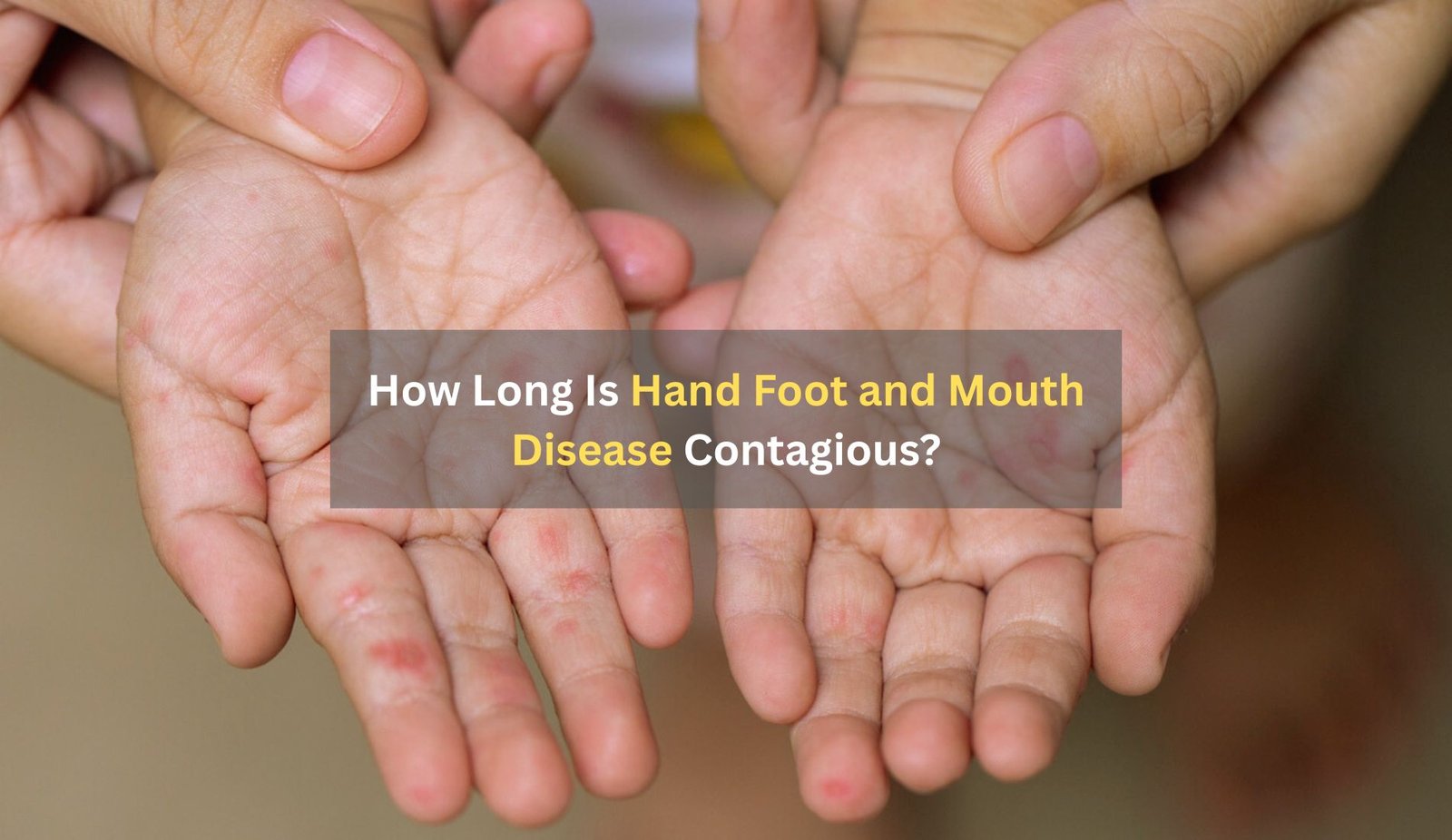
Curious about the early signs hand foot and mouth day by day? This common viral infection can progress quickly in young children, starting with mild symptoms that may be easy to miss. But what exactly happens in those first few days, and how can parents spot it early?
Enteroviruses are most active in the summer and fall, but sporadic cases and outbreaks can occur year-round, especially in winter. In this article, you’ll find a clear day-by-day breakdown of HFMD symptoms—from the first signs like fever and sore throat to the appearance of mouth sores, rashes, and recovery stages. Understanding this timeline helps parents act quickly, manage discomfort, and prevent the virus from spreading.
But there’s more to learn! As pediatrician Dr. William Sears notes, “Recognizing HFMD early allows you to ease your child’s symptoms and limit transmission.” So, let’s walk through the stages of Hand, Foot, and Mouth Disease day by day to help you stay informed and prepared.
What Symptoms Come First in Hand, Foot, and Mouth?
The first signs of Hand, Foot, and Mouth Disease often resemble a mild cold, making early recognition challenging. During the first one to two days of infection, a child may develop non-specific symptoms such as:
- Fever: Usually the first noticeable sign, with temperatures ranging from 99°F to 102°F (37°C–38.9°C).
- Sore throat or irritability: Children may become fussy, refuse food, or cry during feeding due to throat discomfort.
- Fatigue and malaise: General tiredness or lack of energy as the body begins fighting the infection.
- Reduced appetite: Many children eat less before the characteristic rash appears.
These symptoms are caused by the Coxsackievirus A16 or Enterovirus 71—common culprits behind HFMD. Because these initial symptoms mimic other illnesses (like teething or flu), they’re often overlooked. However, paying attention at this stage can help contain the virus early and minimize its spread within families or classrooms.
Early Signs Hand Foot and Mouth Day by Day:
To understand the disease progression, let’s look at Hand, Foot, and Mouth Day by Day from the first appearance of symptoms to recovery.
Day 1–2: The Onset (Fever and General Discomfort)
- The infection begins with mild fever, sore throat, and fatigue.
- Some children may experience a mild cough or nasal congestion.
- Appetite decreases, and younger children may seem unusually irritable or clingy.
- This phase is when the virus becomes most contagious—through saliva, nasal secretions, or stool.
Tip: Keep the child hydrated with cool fluids, as swallowing may become uncomfortable.
Day 3–4: Mouth Sores and Rash Begin to Appear
- Painful red spots or blisters develop inside the mouth—especially on the tongue, gums, and inner cheeks.
- Small red dots appear on the palms of the hands, soles of the feet, or sometimes the buttocks and knees.
- The fever may persist but often begins to decrease.
- Drooling or difficulty eating can worsen as mouth ulcers form.
Note: These mouth sores are the hallmark of HFMD and can cause significant discomfort.
Day 5–6: Rash Peaks and Symptoms Intensify
- The rash spreads or becomes more prominent, turning into small, fluid-filled blisters.
- Children may scratch or complain of itchiness, though the rash usually isn’t painful on the skin.
- Fatigue continues, but fever typically subsides.
- The risk of spreading the virus remains high during this stage, especially via blister fluid or saliva.
Day 7–10: Healing and Recovery Phase
- Mouth ulcers start to heal, and the child’s appetite improves.
- Skin blisters dry up and peel off naturally without scarring.
- Energy levels return, and the child becomes more playful.
- Although visible symptoms fade, the virus may still be present in stool for weeks—so hygiene precautions must continue.
Day 11 and Beyond: Post-Recovery and Immunity
- Most children fully recover without complications.
- Immunity develops to the specific virus strain, but reinfection with a different strain remains possible.
- Persistent mild peeling of skin on hands or feet may occur but resolves without treatment.
The peak day of Hand, Foot, and Mouth Disease typically occurs between days 3 and 5 after symptoms start. During this period, symptoms can be at their most intense, with high fever, numerous sores, and skin rashes being most apparent.
Recognizing this peak can help parents prepare for the worst of the symptoms and provide the necessary comfort and care.
It’s essential to note that while the disease is usually self-limiting and resolves within 7 to 10 days, the severity of symptoms can vary among individuals.
What Does Early Stage HFM Look Like?
In the early stages of Hand, Foot, and Mouth Disease, the symptoms are often mild and can mimic those of other common illnesses. Visually, the early signs include:
- Fever: A mild elevation in temperature.
- Mouth Ulcers: Small, painful sores that may not be immediately visible but can be detected by examining the inside of the mouth.
- Skin Rash: A rash that may first appear as red spots on the hands and feet, which can develop into small blisters.
Parents should be vigilant for these early signs Hfmd Day by Day, especially in the days following exposure to the virus.
Can HFM Go Away in 2 Days?
While some symptoms may begin to improve within 2 days, it is uncommon for Hand, Foot, and Mouth Disease to resolve completely in such a short time frame. Typically, the fever and discomfort last longer, usually around 3 to 7 days.
However, the intensity of symptoms can vary. Some children may experience a milder form of the illness, leading to a quicker recovery. It’s essential to monitor symptoms closely and consult a healthcare professional if there are concerns about the child’s condition.
In most cases, Hand, Foot, and Mouth Disease cannot go away in just 2 days. The typical duration ranges from 7 to 10 days, depending on the individual’s immune response and virus strain.
Here’s why it usually lasts longer:
- Incubation Period (3–6 Days): The virus incubates silently before symptoms appear.
- Symptomatic Period (5–7 Days): Fever, rash, and mouth sores develop and resolve gradually.
- Post-Infectious Phase: Even after recovery, the virus can be shed in stool for several weeks.
However, mild cases—especially in adults—can appear to resolve within 3–4 days. These individuals may not develop severe mouth sores or extensive rashes but are still contagious.
If symptoms persist beyond 10 days, or if blisters become infected (showing pus or redness), medical attention is advised.
Common Questions about Early Signs Hand. Foot and Mouth Day by Day (FAQs)
What symptoms should I look for in my child?
Early signs include fever, mouth sores, and a rash on the hands and feet. Symptoms typically appear three to five days after exposure to the virus. Children may also experience mouth pain, which can lead to difficulty eating or drinking.
How can I keep my child comfortable during this illness?
To keep your child comfortable, offer soft foods and plenty of liquids. Popsicles can be a great way to hydrate while soothing mouth sores. Over-the-counter medications like acetaminophen or ibuprofen can help relieve pain and fever.
Is hand foot and mouth disease contagious?
Yes, this disease is caused by viruses, particularly coxsackievirus, and is contagious. It spreads through close contact, saliva, and stool. It’s important to keep your child home from daycare until symptoms have resolved to prevent spreading the illness.
What should I do if my child is not eating?
If your child is not eating due to mouth pain, focus on offering soft foods and liquids. If dehydration becomes a concern, consult your pediatrician for advice on how to ensure your child stays hydrated.
When should I seek medical attention for my child?
Seek medical attention if your child shows severe complications, such as difficulty swallowing, persistent high fever, or signs of dehydration. It’s always best to consult a healthcare professional if you have concerns.
How can I prevent hand foot and mouth disease?
To prevent hand foot and mouth disease, practice proper handwashing techniques. Wash your hands frequently, especially after changing diapers and before meals. Disinfect surfaces in your home and child care centers regularly.
Can older children and adults get hand foot and mouth disease?
While hand foot and mouth disease is most common in children under 5 years old, older children and adults can also contract it. Symptoms may be milder in older individuals but can still lead to discomfort and the need for supportive care.
What are the best soft foods to offer a child with mouth sores?
Soft foods such as yogurt, mashed potatoes, and applesauce are excellent choices. Avoid spicy foods, as they can irritate sores in the mouth. Focus on providing a variety of textures and flavors that are easy to swallow.
How long does the illness last?
HFMD typically lasts about 7 to 10 days. Most children will recover fully without severe complications. During this time, supportive care is essential to help relieve symptoms and keep your child comfortable.
Conclusion
Recognizing the Early Signs Hand Foot and Mouth Day by Day is vital for prompt care and preventing the virus from spreading to others. This illness typically follows a predictable pattern—from mild fever to painful mouth sores and a distinct rash on the hands and feet. By understanding each day’s progression, parents and caregivers can better manage symptoms, maintain hydration, and provide comfort during recovery.
Most importantly, maintaining strict hygiene—such as frequent handwashing, disinfecting toys, and avoiding shared utensils—can dramatically reduce transmission. While HFMD is usually mild and self-limiting, awareness and early response make a significant difference in minimizing discomfort and preventing outbreaks.
In summary, early detection matters because it empowers caregivers to act quickly, ensuring faster recovery and fewer complications. By knowing what to expect day by day, you can confidently navigate this common childhood illness and protect both your family and community.
You might also like
- Childhood Hand Foot and Mouth Disease (A Parent’s Guide)
- How Long Is Hand Foot and Mouth Disease Contagious?
- 7 Best Home Remedies for Hand Foot and Mouth (Tested)
- What Does Hand Foot and Mouth Disease Look Like in Adults and Kids
- Is Hand, Foot and Mouth Disease in Adults Possible? (Shocking Truth)
- The Stages of Hand Foot and Mouth Disease (A Complete Guide)