
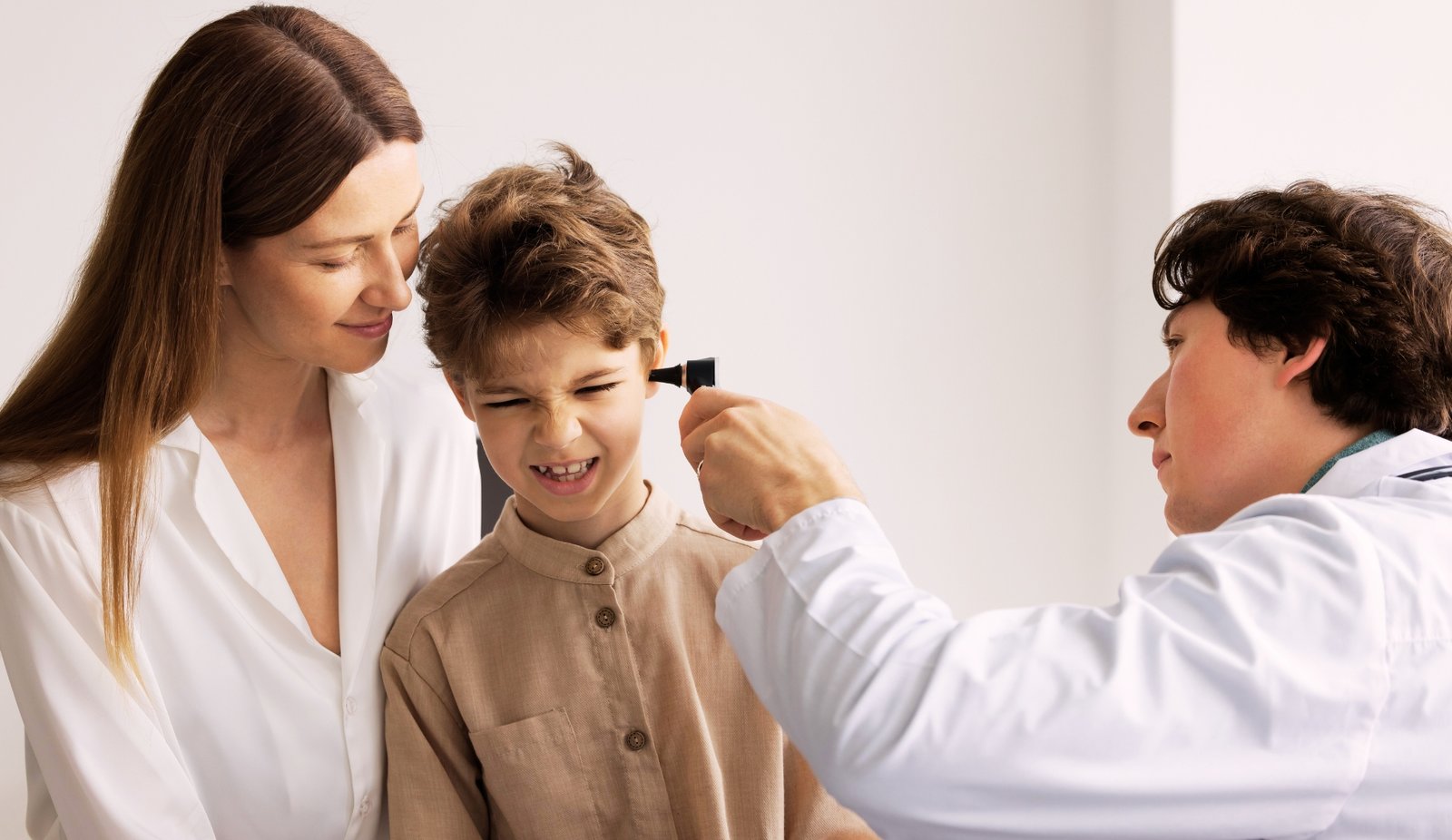
Ear infections in preschoolers are one of the most common health issues parents face. Does your child often tug at their ears, become irritable, or develop a sudden fever? These could be signs of a middle ear infection — a condition that affects millions of children worldwide every year. Understanding why it happens can help you take quick and effective action.
Most ear infections in preschoolers occur due to fluid buildup behind the eardrum, often following a cold or allergies. Pediatric experts, including Dr. Michael E. Pichichero from the Rochester General Hospital Research Institute, explain that children’s shorter and narrower Eustachian tubes make them more prone to these infections. This article breaks down causes, symptoms, treatments, and proven prevention tips to keep your child healthy and happy.
But there’s more you should know about how these infections impact hearing and speech development. We’ll also explore when antibiotics are necessary, and when natural recovery might be the best path. So, let’s dig into everything parents need to know about managing ear infections in preschoolers effectively!
Causes of Ear Infections in Preschoolers
Ear infections, or otitis media, occur when bacteria or viruses infect the middle ear, leading to inflammation and fluid buildup. Several factors contribute to the development of ear infections in preschoolers:
1. Anatomy of the Ear
Preschoolers have shorter and more horizontal Eustachian tubes compared to adults. This anatomical configuration makes it easier for bacteria and viruses from the throat and nasal passages to reach the middle ear. As children grow, their Eustachian tubes become longer and more angled, reducing the risk of infections.
2. Immune System Development
Young children have immature immune systems, which makes them more susceptible to infections. As they encounter various pathogens in daycare or preschool settings, their bodies may struggle to fight off infections effectively, leading to a higher incidence of ear infections.
3. Allergies and Sinus Infections
Allergies can cause inflammation in the nasal passages and Eustachian tubes, increasing the risk of blockage and subsequent ear infections. Similarly, sinus infections can lead to fluid accumulation in the middle ear, creating an environment conducive to bacterial growth.
4. Respiratory Infections
Viral respiratory infections, such as colds or flu, are common in preschoolers and can lead to ear infections. The inflammation and mucus production associated with these infections can obstruct the Eustachian tubes, making it easier for bacteria to invade the middle ear.
5. Exposure to Secondhand Smoke
Children exposed to secondhand smoke are at a higher risk of developing ear infections. Smoke can irritate the respiratory system and contribute to inflammation in the Eustachian tubes, increasing the likelihood of infection.
6. Bottle Feeding
Research suggests that children who are bottle-fed while lying down may have an increased risk of ear infections. This position can allow milk to flow into the Eustachian tubes, providing a medium for bacterial growth.
Ear Infection Symptoms in Preschoolers
Recognizing the symptoms of ear infections in preschoolers is crucial for prompt treatment. Common signs include:
1. Ear Pain
The most prevalent symptom of an ear infection is ear pain. Preschoolers may express discomfort by tugging at their ears, crying, or becoming unusually irritable.
2. Trouble Sleeping
Children may experience difficulty sleeping due to ear pain, especially when lying down. Parents might notice their child frequently waking up during the night or having trouble settling down for bedtime.
3. Fever
A fever is often present during an ear infection. While mild fevers are common, high fevers (over 101°F or 38.3°C) may indicate a more severe infection.
4. Fluid Drainage
In some cases, fluid may drain from the ear. This fluid can be clear, yellow, or even bloody. If you notice drainage, it’s essential to consult a healthcare professional.
5. Hearing Difficulties
Ear infections can temporarily affect a child’s hearing. Parents may observe their child not responding to sounds or having difficulty following conversations.
6. Loss of Appetite
Pain during swallowing or chewing can lead to a decreased appetite. Preschoolers may refuse to eat or drink due to discomfort.
7. Balance Issues
Since the ears play a vital role in maintaining balance, children with ear infections may exhibit signs of unsteadiness or dizziness.
When to Worry about Preschooler Ear Pain?
While many ear infections resolve on their own, certain situations warrant immediate medical attention. Parents should be vigilant and consult a healthcare provider if:
1. Severe or Prolonged Symptoms
If your child experiences severe pain, a high fever, or symptoms lasting more than 48 hours, it’s essential to seek medical advice. Persistent symptoms may indicate a more serious infection requiring treatment.
2. Fluid Drainage
If there is significant fluid drainage from the ear, particularly if it is accompanied by a foul smell or pus, consult a healthcare professional. This could indicate a more severe infection that may require antibiotics.
3. Hearing Loss
If you notice that your child is consistently having trouble hearing or responding to sounds, it may be a sign of a more serious issue. Hearing loss can affect language development and should be evaluated by a healthcare provider.
4. Recurrent Infections
If your child experiences multiple ear infections within a short period (more than three in six months), it’s crucial to discuss this with a pediatrician. Chronic infections may require further evaluation and management, potentially including referrals to an ear, nose, and throat (ENT) specialist.
5. Signs of Allergic Reaction
If your child shows signs of an allergic reaction to medications (such as rashes, difficulty breathing, or swelling), seek immediate medical assistance.
Commonly Asked Questions about Causes of Ear Pain Preschooler (FAQs)
What are the symptoms of an ear infection?
When a child gets an ear infection, symptoms include ear pain, fever, and fussiness. If otitis media with effusion follows, the acute pain subsides but fluid remains, often causing a feeling of fullness and mild, temporary hearing loss.
When do children need tubes in their ears?
Children need ear tubes after recurrent acute infections or persistent fluid. Criteria is typically 3 infections in 6 months or fluid lasting 3+ months with hearing loss. Tubes ventilate the middle ear to prevent fluid buildup and restore hearing.
How do I know if my child has an ear infection?
Look for ear pain, fever, and fussiness. Young children may tug their ears. Fluid drainage indicates a perforated eardrum. A doctor must diagnose the specific type of ear infection, as symptoms can overlap with other illnesses.
How is an acute middle ear infection treated?
Treatment for an infection that can cause middle ear fluid buildup focuses on pain management with ibuprofen or acetaminophen. Antibiotics are reserved for severe, persistent, or bacterial cases. Many mild infections resolve without drug intervention.
Does my child need antibiotics?
Not always. Many ear infections are viral and resolve on their own. Antibiotics are needed only for confirmed bacterial infections, typically when there is pus behind the eardrum causing significant pain and fever. A doctor must decide.
Who is at higher risk for ear infections?
Infants, young children, and those in group child care are at higher risk. This is due to immature immune systems and Eustachian tube anatomy, not issues with the ear canal. Exposure to smoke and bottle-feeding while lying down also increase risk.
Where can I find additional information about ear infections?
For comprehensive information, consult the American Academy of Pediatrics (AAP) or the National Institute on Deafness (NIDCD) websites. Your primary care physician or a pediatric ENT specialist can also provide detailed, personalized guidance and treatment options for ear infections.
How is an ear infection treated?
Treatment depends on the infection type. Middle and outer ear infections are managed with pain relievers or antibiotics. If fluid remain in the middle ear, it may resolve on its own. Inner ear infections are more serious and require prompt medical care.
Are there ways to prevent ear infections in children?
Key prevention strategies include breastfeeding, avoiding secondhand smoke, staying up-to-date on vaccinations (like flu and pneumococcal), and practicing good hand hygiene to reduce colds, which are a common precursor to middle ear infections in children.
Why are children more likely than adults to get ear infections?
Children are more prone to ear infections because their Eustachian tubes are shorter, narrower, and more horizontal. This anatomy makes it easier for fluid to build up after a cold, allowing bacteria to grow and cause a middle ear infection.
What the procedure for placing an ear tube in my child’s ear?
The procedure for placing an ear tube involves anesthesia, making a small incision in the eardrum, inserting the tube to allow air into the inner ear, and ensuring it will remain in the middle ear for older children, behind the ear.
What are the common symptoms of an ear infection in preschoolers?
Common symptoms of an ear infection in preschoolers include ear pain, irritability, difficulty sleeping, tugging at the ear, fever, and sometimes fluid draining from the ear. Children may also experience a decrease in hearing or balance, as pressure builds in the middle ear due to fluid accumulation.
How can I prevent ear infections in my child?
To prevent ear infections in children, ensure they are up to date with vaccinations, practice good hygiene, and avoid exposure to secondhand smoke. Keeping your child away from allergens, and ensuring they are less exposed to upper respiratory infections can also help reduce the risk of developing an ear infection.
When should I take my child to the doctor for an ear infection?
If your child has symptoms of an ear infection that last for more than a day or two, or if they have a high fever, it’s important to see a doctor. Also, if your child has frequent ear infections or you notice fluid draining from their ear, a healthcare provider should evaluate them to determine if they may need ear tubes or other treatments.
Can ear infections get better without antibiotics?
Yes, many ear infections, especially viral infections, can get better without antibiotics. In cases of acute otitis media, doctors may recommend monitoring the situation for a few days before prescribing an antibiotic, as many infections resolve on their own. However, if symptoms worsen or do not improve, antibiotics may be necessary for bacterial infections.
What is the connection between upper respiratory infections and ear infections?
Upper respiratory infections can increase the risk of ear infections in preschoolers. These infections can cause inflammation and fluid buildup in the middle ear, which creates an environment conducive to bacterial growth. As the infection spreads from the upper respiratory tract to the middle ear, it can lead to an acute middle ear infection.
How are middle ear infections diagnosed?
A doctor can diagnose a middle ear infection by examining the child’s ear with an otoscope. They will look for inflammation of the eardrum, fluid in the middle ear, and other signs of infection. Depending on the findings, additional tests may be necessary to determine the best course of treatment.
Conclusion
Ear infections in preschoolers are a common yet manageable condition that can significantly impact a child’s well-being. Understanding the causes, symptoms, and when to seek medical attention is vital for parents. By being proactive and informed, parents can help their children navigate ear infections more effectively, ensuring prompt treatment and reducing the risk of complications.
If you have concerns about your child’s ear health or experience recurrent infections, do not hesitate to consult a healthcare professional. Early intervention can make a significant difference in your child’s development and overall quality of life.
Recommended posts
- Can Infant Ear Infections Cause Hearing Loss: Myths Vs Facts
- When to Use Antibiotic for Infant Ear Infection (Safety Tips)
- Best Infant Ear Infection Treatment Options for Fast Relief
- How to Prevent Ear Infection in Infants? (What Really Works)
- Can an Ear Infection Go Away on Its Own? (Experts Explain)

