Have you ever wondered if certain drinks and foods can cause miscarriage? Pregnancy often comes with many do’s and don’ts, leaving expectant mothers questioning what is truly safe. In fact, several foods that cause miscarriage have been identified by health professionals, and avoiding them is crucial to protecting your pregnancy.
Experts highlight that drinking alcohol, high-caffeine beverages, unpasteurized dairy, raw fish, and undercooked meat are among the main culprits linked to miscarriage risk. Processed foods high in additives and certain herbal teas may also raise concerns. In this article, we’ll explore the specific drinks and foods to avoid, along with safer alternatives for a healthy pregnancy.
According to Dr. Jennifer Wider, a women’s health expert, diet plays a significant role in reducing pregnancy complications. Knowing which food can cause miscarriage is vital for both mother and baby.
So, let’s dive into the evidence-based list of risky items and discover how mindful food and drink choices can support a safe and healthy journey to motherhood.
Which Food Can Cause Miscarriage?
certain foods can increase the risk of miscarriage that contain harmful bacteria, high levels of toxins, or compounds that can interfere with the healthy progression of pregnancy.
For instance, unpasteurized dairy may carry Listeria, raw meats can harbor Salmonella or E. coli, and some fruits may trigger contractions when eaten in excess.
It’s important to understand that while these foods don’t guarantee a miscarriage, they significantly raise the risk, especially during the first trimester when the pregnancy is most fragile. Identifying and avoiding such foods is one of the simplest yet most effective steps toward a safe pregnancy.
Foods That Cause Miscarriage Risk – Foods to Avoid During Pregnancy
During pregnancy, it’s important to be mindful of your diet to minimize any potential risks. Although most of foods are safe to eat and enjoy, it’s best to avoid items such as raw fish, unpasteurized dairy, drinking alcohol, and high-mercury fish.
Here are some foods that are commonly advised to avoid to reduce the risk of miscarriage:
– Unpasteurized Dairy Products
Unpasteurized milk, cheese, and other dairy products may carry harmful bacteria such as Listeria monocytogenes. Listeriosis, the infection caused by this bacteria, can cross the placenta and harm the developing fetus. Even mild maternal symptoms—like fever or fatigue—can lead to miscarriage, premature labor, or stillbirth.
Opt for pasteurized versions of milk, yogurt, and cheese to safely enjoy the benefits of dairy.
– Raw or Undercooked Meat
Consuming raw or partially cooked meats poses a high risk of toxoplasmosis and bacterial infections such as E. coli and Salmonella. These infections can cause severe food poisoning in the mother and increase the risk of miscarriage or preterm delivery.
Always cook meat thoroughly until no pink remains, and avoid dishes like rare steak, sushi containing raw fish, and undercooked poultry.
– Unwashed Fruits and Vegetables
Fresh fruits and vegetables are essential for pregnancy nutrition, but if they are not washed properly, they can carry pesticides, parasites, or harmful bacteria. Toxoplasma gondii, found in contaminated soil, is especially dangerous for pregnant women.
Wash all produce thoroughly under running water, peel fruits when possible, and avoid pre-cut fruit from unreliable sources.
– Soft Cheeses
Cheeses like brie, camembert, feta, blue cheese, and queso fresco often fall under the “soft cheese” category. When made from unpasteurized milk, they can harbor Listeria. Even small amounts may pose significant risks, especially in early pregnancy.
Choose hard cheeses or pasteurized soft cheeses for a safer alternative.
– Processed Foods
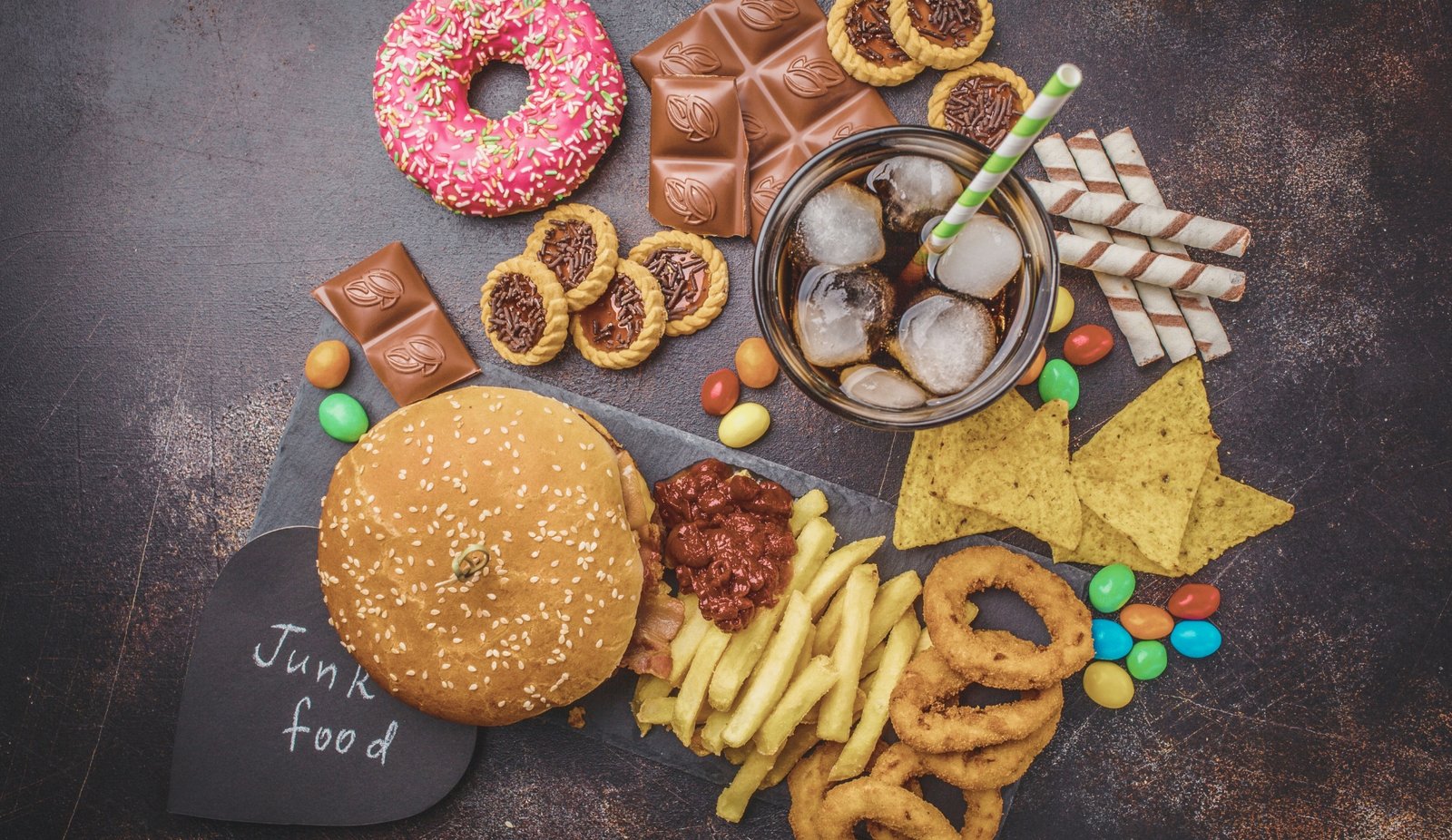
Highly processed foods, including packaged snacks, deli meats, and fast food, often contain high levels of sodium, preservatives, and trans fats. Not only do they contribute to gestational diabetes and high blood pressure, but nitrates in processed meats have also been linked to miscarriage risks.
Replace processed foods with whole grains, lean proteins, and fresh vegetables to promote a healthier pregnancy diet.
How to Avoid Foods That May Cause Miscarriage?
Avoiding high-risk foods requires awareness and vigilance. Here are some practical steps:
- Read labels carefully: Always check if dairy and cheese are pasteurized.
- Cook thoroughly: Use a food thermometer to ensure meats reach safe internal temperatures.
- Wash produce properly: Rinse under clean water and scrub firm fruits and vegetables.
- Limit caffeine and alcohol: Both are known contributors to miscarriage risk when consumed in excess.
- Stay updated with recalls: Keep an eye on food safety alerts from health authorities.
Adopting these simple habits creates a safer dietary environment for pregnancy.
Fruits to Avoid During Pregnancy: Potential Risks
While fruits are generally considered healthy, some carry potential risks during pregnancy:
- Papaya (unripe or semi-ripe): Contains latex-like substances that may trigger uterine contractions.
- Pineapple: Contains bromelain, an enzyme that may soften the cervix and induce contractions if consumed in large amounts.
- Grapes (in late pregnancy): Excess resveratrol from grape skins may cause hormonal imbalance.
Moderation is key—avoid unripe forms of these fruits and consult your doctor about safe quantities.
Things to Avoid During Pregnancy That Cause Miscarriage
Beyond food, lifestyle habits and environmental factors can also contribute to miscarriage risk:
- Excessive caffeine: More than 200mg daily has been linked to pregnancy complications.
- Alcohol: Even small amounts may harm fetal development and increase miscarriage risk.
- Smoking: Reduces oxygen supply to the fetus, leading to higher miscarriage rates.
- Environmental toxins: Exposure to pesticides, heavy metals, or household chemicals can endanger pregnancy.
Adopting a mindful approach to lifestyle is just as important as diet in ensuring a healthy pregnancy.
Foods and Drinks That Increase Miscarriage Symptoms
Some foods and beverages may worsen symptoms like cramping, nausea, or early contractions, which can increase miscarriage risk:
- Energy drinks: Contain excessive caffeine and stimulants unsafe for pregnancy.
- High-mercury fish: Such as shark, king mackerel, and swordfish, which can impair fetal brain development.
- Sugary sodas: Linked to gestational diabetes and poor pregnancy outcomes.
- Herbal teas and remedies: Certain herbs like pennyroyal, sage, or parsley tea are unsafe for consumption during pregnancy.
Always consult with a healthcare provider before adding herbal drinks or supplements to your pregnancy diet.
Common Questions about Foods That Lead to Miscarriage in early pregnancy (FAQs)
What drinks can cause miscarriage in early pregnancy?
No drink directly causes miscarriage, but excessive alcohol, unpasteurized juices/milk, or high-caffeine beverages may increase risks. Avoid alcohol entirely and limit caffeine to <200mg daily. Prioritize water, pasteurized drinks, and doctor-approved options.
What foods can cause miscarriage?
Certain foods can pose risks during pregnancy, potentially increasing the risk of miscarriage. avoid raw or undercooked, such as meats, raw eggs, and seafood, may harbor harmful bacteria such as listeria and salmonella, which can lead to complications, or even miscarriage. These bacteria can cause listeriosis, leading to miscarriage or stillbirth.
Which dairy products should pregnant women avoid?
Pregnant women should avoid unpasteurized milk and soft cheeses made from unpasteurized milk, as these can contain harmful bacteria that may cause an infection called listeriosis. This infection can significantly increase the risk of pregnancy loss, especially during the early stages of pregnancy.
Why is undercooked meat harmful during pregnancy?
Undercooked meat can harbor harmful bacteria and parasites, such as Toxoplasma and Salmonella, which can pose serious risks to both the mother and the developing fetus. Consuming undercooked meat increases the risk of food poisoning and other complications, including miscarriage.
Are there fruits and vegetables that should be avoided?
While fruits and vegetables are generally beneficial during pregnancy, it’s important to thoroughly wash all fruits and vegetables to remove any harmful bacteria or pesticides. Additionally, certain raw vegetables should be avoided if they are not properly washed or cooked, as they may carry risks during pregnancy.
What foods may increase the risk of miscarriage?
Processed foods and those high in sugar, unhealthy fats, and preservatives may increase the risk of miscarriage. These foods can cause inflammation and other complications that could negatively impact a healthy pregnancy. Maintaining a balanced diet with wholesome food is essential for reducing risks during pregnancy.
How can caffeine intake during pregnancy affect miscarriage risk?
High caffeine intake during pregnancy has been linked to an increased risk of miscarriage. It is advisable for pregnant women to limit their caffeine consumption from coffee, tea, and other beverages to ensure a healthy pregnancy and reduce the risk of complications.
What are the symptoms of a miscarriage?
Miscarriage symptoms may include vaginal bleeding, cramping, and the passing of tissue. If a pregnant woman experiences these symptoms, it is crucial to consult a healthcare provider for proper evaluation and care.
What should I do if I suspect I have consumed harmful foods?
If you suspect that you have consumed foods that may cause complications during pregnancy, it is important to consult your healthcare provider immediately. They can provide guidance and support to address any potential risks to your pregnancy.
What cheeses are safe to eat during pregnancy?
Safe cheeses during pregnancy include pasteurized hard cheeses (cheddar, parmesan) and soft pasteurized varieties (mozzarella, ricotta). Avoid unpasteurized soft cheeses (brie, feta) due to listeria risk—always check labels for “pasteurized.
What foods are good for fetal weight?
Foods rich in protein, iron, and healthy fats (like eggs, lean meats, avocados) support fetal growth and optimal birth weight. Pair with whole grains, dairy, and prenatal vitamins for balanced nutrition—consult your doctor for guidance.
Conclusion
Pregnancy is a time of profound change, and the foods and drinks consumed during this period play a critical role in maternal and fetal health. From unpasteurized dairy, partially cooked eggs, and raw meats to certain fruits and processed foods, many dietary items can elevate the risk of miscarriage if not carefully managed.
The best strategy is proactive caution: wash produce, choose pasteurized products, cook meats thoroughly, and avoid substances like alcohol, caffeine, and high-mercury fish. While not all foods guarantee harm, awareness and moderation ensure a safer pregnancy journey.
By following evidence-based guidance and consulting regularly with healthcare providers, expectant mothers can greatly reduce the risk of miscarriage and embrace a healthier, more secure pregnancy.
Recommended posts
- Could Stress Cause a Miscarriage? (Myths vs. Medical Facts)
- Common Signs of Hormonal Imbalance After Miscarriage
- Dreaming About Miscarriage Meaning: Here’s What Experts Say
- What to Eat After Miscarriage to Clean the Womb (Proven Diet)
- Decidual Cast vs Miscarriage – Key Differences, and Symptoms
- Chances of Miscarriage After Heartbeat in Pregnancy (Facts)
- Can Papaya Cause Miscarriage in Early Pregnancy? (The Truth)
- Can Boric Acid Cause Miscarriage in Early Pregnancy: (What Science Says)