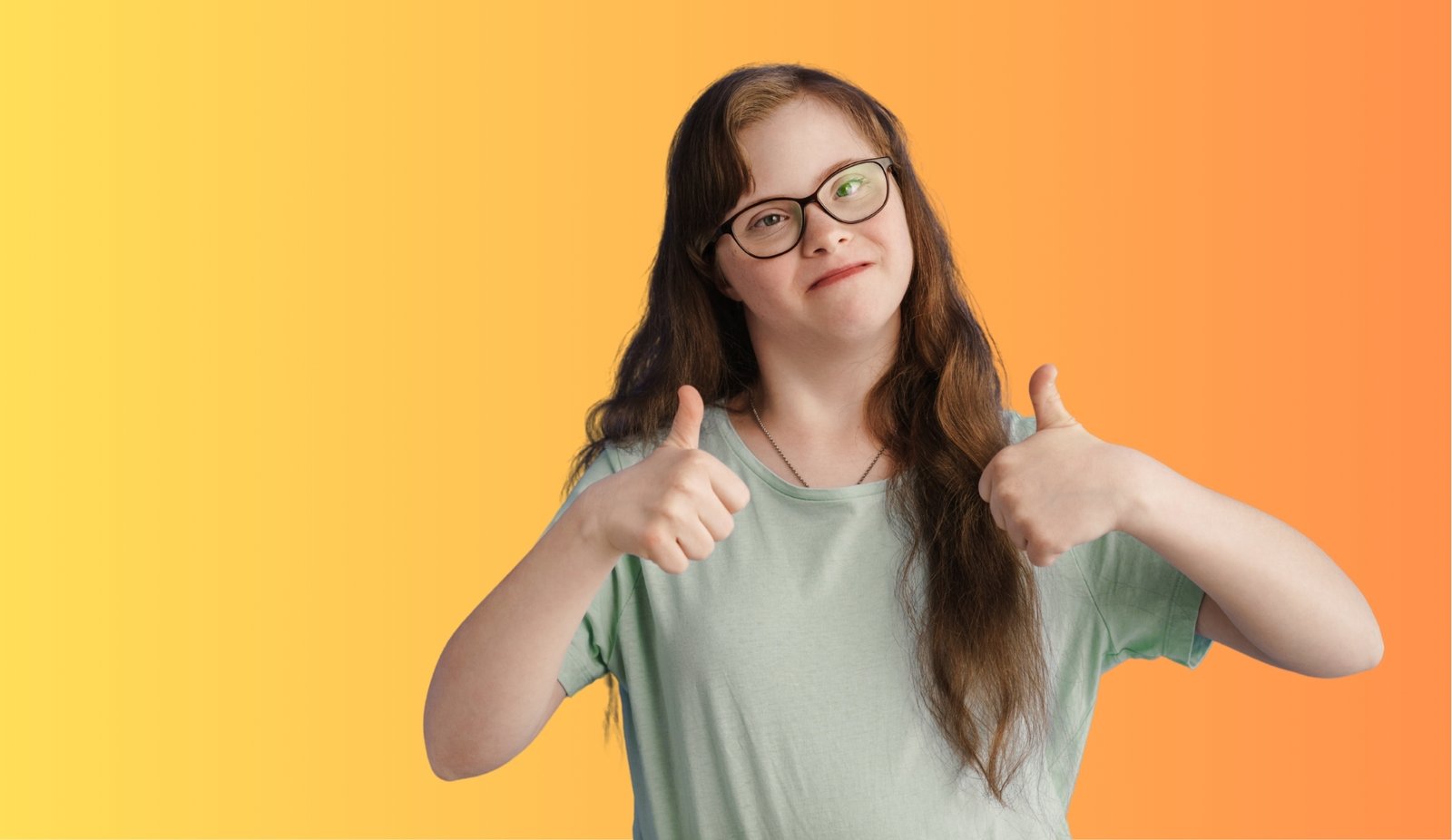
Down Syndrome with glasses is a common sight, but have you ever wondered why so many individuals with Down Syndrome wear them? Is it just coincidence, or does the condition affect vision in specific ways? Understanding the link between Down Syndrome and eye health can help families take early steps toward better care.
Over 60% of individuals with Down Syndrome experience vision problems, including farsightedness, nearsightedness, and crossed eyes. Glasses often become essential from an early age to support development, focus, and learning. Dr. Brian G. Mohney, a pediatric ophthalmologist, highlights the importance of regular eye exams to catch issues early and treat them effectively.
But glasses are just one part of a broader plan for healthy vision. Want to know how the right frames, lenses, and care can transform a child’s daily life? Let’s explore the unique visual needs in Down Syndrome and how glasses play a powerful role in supporting their growth.
Why Down Syndrome with Glasses Is Common?
Individuals with Down syndrome usually experience various eye disorders, which are so common that approximately 1 in every 800 births results in a child with three copies of the chromosome rather than the usual two.
Many people with Down syndrome may complain about their eye problems, including excessive tears or watering, dryness or burning, and movement or shaking of the eyes. Strabismus may occur, affecting binocular vision and depth perception, and can be treated with glasses.
An eye doctor skilled in treating eye disease in children with developmental delays can help manage these conditions. For children diagnosed with refractive errors, the correct pair of eyeglasses may be modified to keep the glasses from constantly slipping, ensuring comfort and effective vision correction.
Keratoconus is usually diagnosed around puberty and may progress slowly, while tearing due to blocked or narrow ducts needs appropriate attention. The folds of skin between the eyes and the nose can also contribute to visual challenges, making regular eye exams essential for monitoring eye health.
How do Vision Problems Affect Children with DS?
Vision problems are common among children with Down Syndrome, and they can significantly impact their development. Since vision is essential for learning, social interactions, and daily activities, untreated eye conditions can hinder their ability to engage fully with the world around them.
Children with DS are at a higher risk for a variety of vision issues due to the distinct genetic and physiological factors associated with the condition.
Some of the most common ways vision problems affect children with DS include difficulty with reading, impaired coordination, delayed motor skills, and a lack of interest in physical activities due to poor vision.
Vision issues can also affect their emotional and social development. For example, children who cannot clearly see others’ facial expressions may struggle with understanding emotions, which can impact their social interactions.
Parents and caregivers should remain vigilant for signs of vision problems, including squinting, frequent rubbing of the eyes, holding objects too close to the face, or difficulty focusing on tasks. Regular eye exams are essential to catch any problems early, ensuring the child gets the necessary treatment and the best chance for a healthy vision future.
Specialized Eye Exams for Children with Down Syndrome
Children with Down Syndrome require specialized eye exams that account for the unique characteristics of their condition. Regular eye tests performed by an optometrist or ophthalmologist are vital to ensure that any vision problems are identified early and treated accordingly. However, because children with DS may have difficulties communicating, these exams require a higher level of attention and care.
A specialized eye exam typically includes the following:
- Visual Acuity Testing – This is the basic test for measuring sharpness of vision. However, because children with DS may not always be able to communicate their visual perception effectively, alternative testing methods, such as preferential looking or behavioral response techniques, are often employed.
- Eye Alignment and Movement Evaluation – Since individuals with Down Syndrome are more likely to develop issues like strabismus (crossed eyes), it’s important to check that both eyes align properly and work together. Testing eye tracking and movements will help identify misalignment.
- Refraction and Refractive Error Assessment – Children with Down Syndrome are prone to refractive errors, such as nearsightedness, farsightedness, or astigmatism. A thorough refraction test ensures that corrective lenses are prescribed when necessary.
- Retinal and Ocular Health Check – Since children with DS are more prone to certain conditions like cataracts, eye exams should also include a check for any issues related to the retina, lens, and other ocular health concerns.
By focusing on these specialized exams, healthcare providers can ensure that children with DS receive the appropriate corrective measures, which may include glasses, therapy, or even surgery in some cases.
Down Syndrome Eye Problems and Treatments
There are several common eye problems associated with Down Syndrome that require attention and specialized treatment. Some of these conditions are congenital (present at birth), while others may develop as the child grows. Below, we’ll explore some of the most common eye problems that children with Down Syndrome face and the treatments that can help manage these issues.
Refractive Errors
As mentioned earlier, refractive errors like nearsightedness, farsightedness, and astigmatism are very common in children with Down Syndrome. These conditions can make it difficult for children to see clearly at different distances. The treatment for refractive errors typically involves wearing corrective glasses, which are designed to improve vision. In some cases, corrective lenses may need to be worn all the time, depending on the severity of the error.
Strabismus (Crossed Eyes)
Strabismus is another common issue in children with Down Syndrome. It occurs when the eyes are not properly aligned and point in different directions. This misalignment can cause double vision or difficulty focusing on objects. Treatment may include the use of eye patches, corrective glasses, or surgery to correct the alignment.
Cataracts
Cataracts, or clouding of the eye’s natural lens, can develop at an earlier age in children with Down Syndrome. Cataract surgery is typically the most effective treatment to restore vision if a cataract is diagnosed.
Nystagmus (Involuntary Eye Movement)
Nystagmus refers to involuntary, repetitive eye movements, which can affect vision and coordination. While the condition itself may not be curable, treatment may involve the use of special eyeglasses or therapy to manage the symptoms.
Common Vision Conditions that Affect Individuals with DS
In addition to the conditions listed above, individuals with Down Syndrome may experience a variety of other vision-related issues, including:
– Dry Eyes
Dry eye syndrome is more common in children with Down Syndrome, particularly those who have a history of eye surgeries or conditions like strabismus. Treatment usually involves lubricating eye drops or gels to keep the eyes moist.
– Photophobia (Light Sensitivity)
Some children with Down Syndrome experience photophobia, or heightened sensitivity to light. This condition can make it uncomfortable for them to be outdoors or in brightly lit areas. Wearing sunglasses or hats with brims can help alleviate this discomfort.
– Retinal Issues
Children with DS are also at an increased risk for retinal issues, such as retinal hypotony (low pressure in the eye). Regular eye exams are essential for detecting these conditions early and preventing complications.
– Amblyopia (Lazy Eye)
Amblyopia, or lazy eye, occurs when one eye has weaker vision than the other. This condition is treatable if detected early, with treatments such as eye patching, corrective lenses, and vision therapy.
Vision Therapy for Lazy Eye (Amblyopia)
Amblyopia is one of the most common visual impairments among children with Down Syndrome, and vision therapy is one of the most effective treatments.
Vision therapy for amblyopia involves exercises that help the brain and eyes work together more effectively. These exercises typically include activities that strengthen the weaker eye, improve focus, and enhance the ability to follow moving objects.
In many cases, a child may be asked to wear an eye patch over the stronger eye for several hours a day. This encourages the brain to rely on the weaker eye, which can gradually improve its function. Other types of therapy may involve using special glasses, prisms, or even vision games and exercises to enhance visual processing.
When treated early, amblyopia can often be successfully managed, resulting in improved vision in the affected eye and enhanced overall visual development.
Special Eyeglasses for Down Syndrome
Eyeglasses are an essential tool for improving vision in individuals with Down Syndrome who suffer from refractive errors, strabismus, or other visual impairments. However, children with Down Syndrome often have unique facial features and specific needs that require specialized eyeglasses.
For example, children with Down Syndrome typically have a flatter facial structure, which may affect how traditional eyeglass frames fit. Special frames designed for Down Syndrome are typically lightweight, durable, and designed to fit comfortably on the face.
Additionally, lenses for individuals with DS may be thicker or stronger than those for other children, so the frames should also support these heavier lenses.
Other considerations for special eyeglasses include:
- Adjustable temples for a better fit
- Flexible, lightweight frames to withstand active play
- Anti-reflective coatings to reduce glare and enhance visual clarity
- Tinted lenses or photochromic lenses to reduce light sensitivity or help with outdoor activities
By choosing the right glasses, children with Down Syndrome can experience improved vision, enhanced comfort, and greater self-confidence as they engage in daily activities.
Commonly Asked Questions about Glasses for Down Syndrome kids (FAQs)
What is the refractive error of Down syndrome?
Children with Down syndrome often have refractive errors like nearsightedness (myopia), farsightedness (hyperopia), or astigmatism due to eye structure differences. Regular eye exams ensure early correction.
How to get child with down syndrome to wear glasses?
To help a child with Down syndrome wear glasses, ensure a perfect fit, use engaging frames, introduce them gradually, and provide positive reinforcement for wearing them regularly.
What are common eye problems in individuals with Down syndrome?
Individuals with Down syndrome are more likely to experience various eye problems, including refractive errors such as myopia (nearsightedness), hyperopia (farsightedness), elevated pressure within the eye, tear duct abnormalities, and astigmatism. Other common conditions include strabismus (crossed eyes), eyes turn, amblyopia (lazy eye), and cataracts are present, which may be present at birth or develop later in life.
Do children with Down syndrome need glasses more than other children?
Yes, children with Down syndrome are often more likely to need glasses than other children. Many patients with Down syndrome experience vision problems that can affect their overall eye health and development of vision, making regular eye exams crucial.
How often should a child with Down syndrome have an eye exam?
A child with Down syndrome should have their first eye exam by the age of six months. Following that, regular check-ups should occur every one to two years to monitor vision and eye health, as early detection of issues like refractive errors or cataracts can significantly improve outcomes.
What is the relationship between Down syndrome and amblyopia?
Amblyopia, or lazy eye, is more prevalent in individuals with Down syndrome. This condition can occur due to strabismus or significant refractive errors, and early intervention through vision therapy or corrective lenses is crucial to promote proper development of vision.
Can vision therapy help individuals with Down syndrome?
Yes, vision therapy can be beneficial for individuals with Down syndrome, particularly for those experiencing functional vision difficulties, such as strabismus or amblyopia. A tailored vision therapy program can help improve visual skills, coordination, and overall vision health.
What are congenital cataracts, and how do they affect children with Down syndrome?
Congenital cataracts are lens opacities present at birth that can affect vision. In children with Down syndrome, cataracts are more common and can lead to blurred vision or vision loss if not treated. Early surgical intervention is often necessary to ensure the best possible outcome.
What should parents look for regarding eye health in their child with Down syndrome?
Parents should monitor for signs of vision problems in their child with Down syndrome, including squinting, excessive tearing, redness at the edge of the lids, or difficulty focusing. Regular eye exams are essential to identify and address any potential issues early on.
How do refractive errors develop in children with Down syndrome?
Refractive errors may develop early in life or later. These errors can lead to blurred vision and are often more prevalent in these individuals compared to their peers. Regular eye exams help detect these conditions so that appropriate corrective measures, such as eyeglasses, can be taken.
What would cause inflammation of the eyelids?
Inflammation of the eyelids (blepharitis) is caused by bacteria, allergies, or oil gland issues, leading to “lids and crusting around the lashes”. Warm compresses and hygiene help.
Is keratoconus linked to Down syndrome?
keratoconus is more common in Down syndrome due to genetic and structural eye differences. Regular screenings are vital as early detection can prevent severe vision impairment.
Conclusion
Eye care is essential for children with Down Syndrome, as vision problems can significantly affect their development, learning, and quality of life. With specialized eye exams, treatments for common vision conditions, and the right eyeglasses, children with DS can enjoy better eyesight, greater independence, and improved social interactions. Whether dealing with refractive errors, strabismus, or amblyopia, early diagnosis and treatment can make a world of difference. By prioritizing eye care and finding the best solutions for each individual’s needs, we can help children with Down Syndrome see the world more clearly, with style and comfort.
Recommended posts
- Down Syndrome Eyes in Newborn: (Common Traits Explained)
- Tips for Potty Training Down Syndrome: (That Really Work)
- Can People with Down Syndrome Drive A Car? (Myths & Facts)
- Newborn Down Syndrome Ears & ENT Support: A Parent’s Guide
- 10 Interesting Facts About Down Syndrome to Know and Share
- Down Syndrome Facial Features 101: Science, Signs, and Support
- Common Down Syndrome Eyesight Challenges And Treatments