
Does ovulation make you emotional? Have you ever found yourself crying over something small or feeling unusually irritable mid-cycle? Many women report emotional changes during ovulation, but is there a real connection, or is it just a myth?
Ovulation can trigger emotional changes. Around ovulation, hormonal fluctuations—especially spikes in estrogen and luteinizing hormone—can affect mood, anxiety levels, and sensitivity. Experts like Dr. Mary Jane Minkin, a Yale University gynecologist, confirm that emotional shifts during this phase are both real and common.
But there’s more to uncover about how ovulation influences your brain and behavior. From science-backed facts to coping tips, this guide walks you through the emotional ups and downs of your cycle. Let’s explore what’s happening in your body and how to stay balanced when hormones take the wheel.
Does Ovulation Make You Emotional?
Many women experience emotional changes around ovulation, leading to the question: does ovulation make you emotional? The answer lies in the hormonal fluctuations that occur during this fertile window phase. As ovulation typically occurs mid-cycle, the levels of estrogen surge, potentially causing mood shifts.
These hormonal changes can lead to feelings of irritability or heightened emotional sensitivity, making it common for women to feel emotional during this time. Understanding that these feelings can stem from natural biological processes can help diminish feelings of confusion or frustration.
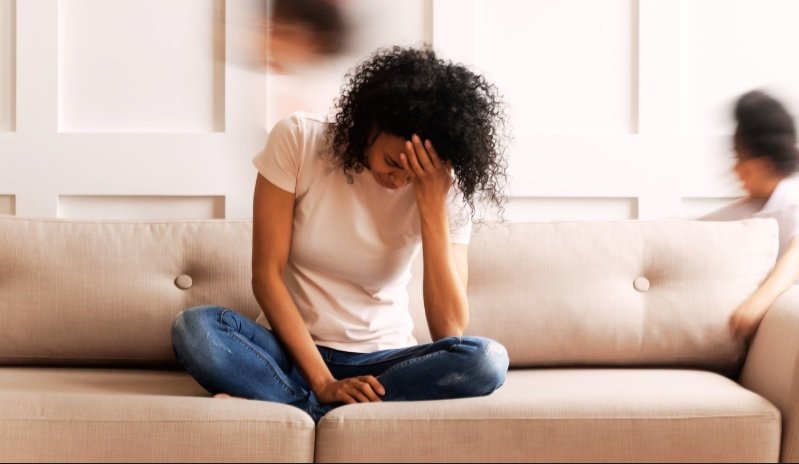
In addition to irritability, some women report feeling more energized or even euphoric due to the rise in estrogen levels. However, this can be a double-edged sword, as the same hormonal changes can lead to feelings of sadness or anxiety later in the cycle.
The key takeaway is that ovulation emotional symptoms are not just mood swings; they are a natural response to the body’s hormonal landscape. Recognizing these patterns can enable women to better manage their emotional well-being and seek support when necessary.
Is It Normal to Feel Emotional During Ovulation?
Feeling emotional during ovulation is generally considered a normal aspect of the menstrual cycle. Hormonal changes, particularly the increase in estrogen, can trigger a range of emotional responses. Many women report experiencing mood swings, irritability, or even heightened feelings of happiness.
It’s essential to remember that these emotional shifts are valid and often linked to the body’s biological processes. Tracking your cycle can help identify patterns in your emotional state, making it easier to understand what you’re experiencing during ovulation.
While experiencing emotional symptoms during ovulation is common, it’s also essential to differentiate between normal emotional fluctuations and more severe conditions. If feelings of sadness or irritability become overwhelming or interfere with daily life, consulting a healthcare provider may be beneficial.
They can help determine if these symptoms are part of premenstrual syndrome (PMS) or premenstrual dysphoric disorder (PMDD), which require different approaches for management. Understanding what’s normal for your body can empower you to embrace your emotional well-being.
Common Emotional Symptoms During Ovulation
Ovulation isn’t just about fertility. It deeply affects emotions too. Many women feel mood shifts they can’t explain. Hormones fluctuate quickly, leading to noticeable emotional changes.
Estrogen peaks before ovulation. Progesterone rises afterward. This shift can trigger mood swings, irritability, or even sadness. These signs of ovulation are common and natural.
– Increased Sensitivity
During ovulation, emotional sensitivity heightens. Women may cry more easily or feel overwhelmed. Emotional triggers seem stronger than usual. Little things can feel like a big deal.
This is due to rising estrogen levels. It sharpens senses and emotions. While this can enhance empathy, it can also lead to anxiety or overreaction.
– Irritability and Mood Swings
Sudden mood swings often occur mid-cycle. One moment you’re happy, the next you’re frustrated. These changes are intense but temporary.
Irritability during ovulation is common. Hormonal shifts disturb serotonin, the “feel-good” chemical. A small inconvenience may spark strong reactions.
– Anxiety and Restlessness
Many women feel more anxious during ovulation. Restlessness and tension often surface unexpectedly. Sleep may get disrupted too.
This happens because the body is in a state of heightened alert. It’s biologically wired to increase basal body temperature and alertness for potential reproduction. But emotionally, it can lead to unease.
– Heightened Libido and Emotional Confusion
A spike in sexual desire is natural during ovulation. This can confuse emotions. Increased attraction may be paired with emotional turmoil.
Hormonal changes make women more socially aware. They may crave intimacy, yet feel emotionally unstable. This internal tug-of-war can feel confusing.
– Low Confidence and Self-Doubt
Not every woman feels empowered during ovulation. Some experience sudden self-doubt. Negative self-talk may increase without reason.
This symptom is subtle but impactful. One moment, you feel confident. The next, you question everything. It’s hormonally driven and usually fades quickly.
– Increased Need for Connection
Emotional needs rise during ovulation. Women often seek more affection and validation. A strong desire for closeness and bonding becomes apparent.
This urge stems from biology. The body prepares for potential conception. Emotionally, this creates a deeper longing for connection and support.
Tips to Manage Ovulation Emotional Symptoms
- Track your cycle to anticipate emotional changes
- Practice mindfulness and deep breathing
- Stay active and get regular exercise
- Maintain a healthy diet rich in magnesium and vitamin B6
- Limit caffeine and sugar during ovulation
- Get enough sleep and hydrate properly
- Communicate openly with loved ones about your feelings
When to Seek Help
If emotions during ovulation become unmanageable, consult a healthcare provider. Persistent sadness, anxiety, or depression may signal a deeper issue.
Hormonal imbalances or PMDD could be at play. You don’t have to endure it alone. Help is available, and effective treatments exist.
How Does Ovulation Affect Your Mood?
Ovulation affects your mood primarily through hormonal changes, particularly the fluctuations in estrogen and progesterone. As ovulation occurs, estrogen levels rise sharply, which can lead to feelings of increased energy and confidence.
However, this is often followed by a drop in estrogen after ovulation, which can result in mood swings or feelings of sadness. The luteinizing hormone (LH) plays a crucial role in this process, signaling the ovary to release an egg, which in turn affects hormonal levels and can lead to emotional shifts.
The emotional state during ovulation can also be influenced by individual factors such as stress, lifestyle, and overall health. Women who track their menstrual cycle often notice patterns in their mood that correlate with ovulation and the luteal phase.
Recognizing these patterns can help in preparing for potential pregnancy emotional changes and implementing self-care strategies. Understanding how hormonal fluctuations affect mood can provide valuable insights into managing emotional well-being throughout the menstrual cycle.
How Hormones Change Throughout the Menstrual Cycle?
The menstrual cycle is marked by significant hormonal changes that can influence emotional and physical well-being. During the follicular phase, estrogen levels gradually rise as the body prepares for ovulation.
This increase can lead to feelings of happiness and increased energy. Around ovulation, estrogen peaks, often causing a surge in mood and vitality. However, following ovulation, progesterone levels increase, which may lead to emotional symptoms such as irritability and sadness as estrogen levels drop.
These hormonal changes are not uniform; individual responses may vary significantly. Some women may experience severe mood swings, while others may notice only slight emotional shifts.
Understanding the hormonal fluctuations throughout the cycle is essential for recognizing the connection between hormone changes and emotional well-being. By tracking your cycle, you can better prepare for emotional changes that accompany these hormonal shifts, fostering a proactive approach to managing your emotional health.
Premenstrual Syndrome (PMS) and Premenstrual Dysphoric Disorder (PMDD)
Premenstrual syndrome (PMS) and premenstrual dysphoric disorder (PMDD) are two conditions that can significantly impact emotional well-being. PMS encompasses a range of emotional and physical symptoms that occur in the luteal phase, while PMDD is characterized by more severe premenstrual symptoms that can interfere with daily life.
Both conditions are linked to hormonal fluctuations, particularly changes in estrogen and progesterone levels before menstruation.
Women experiencing PMS may feel emotional symptoms such as irritability, mood swings, and feelings of sadness. PMDD, on the other hand, often involves more severe emotional distress, including feelings of hopelessness or depression.
Identifying whether you are experiencing PMS or PMDD is crucial for seeking appropriate treatment. Consulting with a healthcare provider can provide insights into managing these conditions effectively and improving overall emotional well-being during the menstrual cycle.
Does PMS Cause Mood Swings?
PMS is well-known for causing mood swings that can be distressing for many women. These mood swings are primarily due to hormonal changes in the body as it prepares for menstruation.
Fluctuations in estrogen and progesterone can lead to irritability and emotional instability, making it common for women to feel emotional during this phase. The days leading up to menstruation can intensify these feelings, contributing to the overall experience of PMS.
Understanding that PMS can manifest as ovulation symptoms is essential for managing these experiences. Women who track their cycles often notice patterns in their mood, which can help in anticipating these shifts.
Knowing what to expect emotionally can empower women to implement coping strategies, whether through lifestyle changes, dietary adjustments, or consulting with a healthcare provider for further support. Recognizing the link between PMS and mood swings can significantly enhance emotional well-being during this time.
Commonly Asked Questions about Mood Change During Ovulation (FAQs)
Does ovulation make you tired?
Yes, many women experience fatigue during ovulation due to the physical and emotional symptoms associated with the release of an egg from the ovary. Hormonal changes can also contribute to this feeling of tiredness.
How does ovulation affect your mood?
Ovulation can lead to changes in mood due to hormonal fluctuations. The release of hormones such as estrogen and progesterone can cause premenstrual mood swings, making you feel more emotional or sensitive.
Can ovulation pain affect your emotions?
Yes, ovulation pain, also known as mittelschmerz, can be uncomfortable and may lead to irritability or changes in mood. The discomfort can contribute to a general feeling of being emotionally off-balance.
Are mood swings during ovulation normal?
Yes, mood swings during ovulation are common and are often linked to hormonal changes. Many women report experiencing a range of emotional responses during this time.
Can trying to conceive influence emotional changes during ovulation?
Yes, the stress and anticipation of trying to conceive can heighten emotional responses during ovulation. The potential for fertility can amplify feelings of hope and anxiety, leading to significant emotional fluctuations.
Is there a connection between ovulation and depression?
Some women may feel depressed during ovulation, particularly if they have a history of PMS and PMDD. Hormonal shifts can trigger or exacerbate feelings of sadness or anxiety in susceptible individuals.
What are key hormones involved in mood changes during ovulation?
Key hormones such as estrogen and progesterone play a significant role in mood changes during ovulation. These hormonal fluctuations can lead to a variety of physical and emotional symptoms.
How does hormonal birth control affect ovulation-related emotions?
Hormonal birth control can regulate or suppress ovulation, which may stabilize mood swings for some women. However, others may experience side effects that could include emotional changes or feelings of depression.
Can perimenopause affect emotional symptoms related to ovulation?
Yes, perimenopause can lead to changes in hormonal levels that may affect emotional stability. Women in this stage may experience intensified mood swings or emotional distress linked to irregular ovulation patterns.
Conclusion
Can ovulation make you emotional? In conclusion, the relationship between ovulation and emotional well-being is complex, influenced by hormonal changes throughout the menstrual cycle. Ovulation can indeed make you emotional, with mood swings, irritability, and other emotional symptoms being common experiences. Understanding these emotional changes can help women navigate their menstrual health more effectively. By tracking your cycle and recognizing the emotional shifts that occur, you can better manage your emotional well-being and seek support when needed. Whether experiencing PMS or simply navigating the natural fluctuations of hormones, awareness is key to fostering a healthier emotional state during ovulation and beyond.
Recommended posts
- Headache During Ovulation: Causes, Symptoms & Quick Fixes
- How Long After Lh Surge Do You Ovulate: (Why It Matters?)
- Does Ovulation Make You Horny: (Here’s What Science Says)
- 7 Hidden Luteal Phase Symptoms Every Woman Should Know