Does gestational diabetes go away after birth, or can it linger and affect long-term health? Many new mothers wonder if their blood sugar levels will return to normal once the baby arrives. Understanding what happens after delivery can help you prepare for the next steps in your wellness journey. Are you curious about the changes your body goes through after childbirth?
Most women see their blood sugar levels return to normal within a few weeks after giving birth. Yet, experts like Dr. Jennifer Wyckoff of the University of Michigan warn that about 50% of women with a history of gestational diabetes may develop type 2 diabetes later in life.
This article explores how post-pregnancy tests, lifestyle changes, and regular checkups play key roles in protecting long-term health. But that’s only the beginning of the story. Learn how early screening, balanced nutrition, and consistent exercise can lower your future diabetes risk.
Stay with us as we break down the expert recommendations and real-life tips that every new mother should know.
What Causes Gestational Diabetes?
Gestational diabetes occurs when the body cannot produce enough insulin to meet the increased demands of pregnancy. During pregnancy, the placenta produces hormones—such as human placental lactogen, estrogen, and cortisol—that naturally lead to insulin resistance. This means the body’s cells become less responsive to insulin, the hormone responsible for helping glucose enter cells for energy.
To maintain normal blood sugar levels, the pancreas must produce extra insulin. In some women, the pancreas cannot keep up with this increased demand, causing blood sugar levels to rise and leading to blood sugar during pregnancy.
Several factors may increase the risk of developing gestational diabetes:
- Family history: A parent or sibling with type 2 diabetes.
- Age: Being over 25, with risk increasing further after age 35.
- Weight: Being overweight or obese before pregnancy.
- Ethnicity: Higher rates are observed in African American, Hispanic, Native American, and Asian women.
- History of gestational diabetes: Women who experienced it in a previous pregnancy are at higher risk.
It’s important to note that gestational diabetes can develop even in women without these risk factors. Regular prenatal care and early screening help identify the condition, ensuring prompt management.
Does Gestational Diabetes Go Away After Birth?
For most women, gestational diabetes does go away after birth, as soon as the placenta is delivered. The hormones produced by the placenta, which contribute to insulin resistance, quickly decline, allowing the mother’s blood sugar levels to return to pre-pregnancy ranges—often within hours to days after delivery.
However, the story doesn’t end there. While blood sugar levels typically normalize, women who have had GD remain at higher risk for:
- Type 2 diabetes: Studies suggest that about 50% of women who had gestational diabetes will develop diabetes type 2 later in life, often within 5 to 10 years after giving birth.
- Future gestational diabetes: The risk of developing gestational diabetes in subsequent pregnancies is significantly higher.
Postpartum Monitoring and Testing
Because of these long-term risks, doctors recommend follow-up testing:
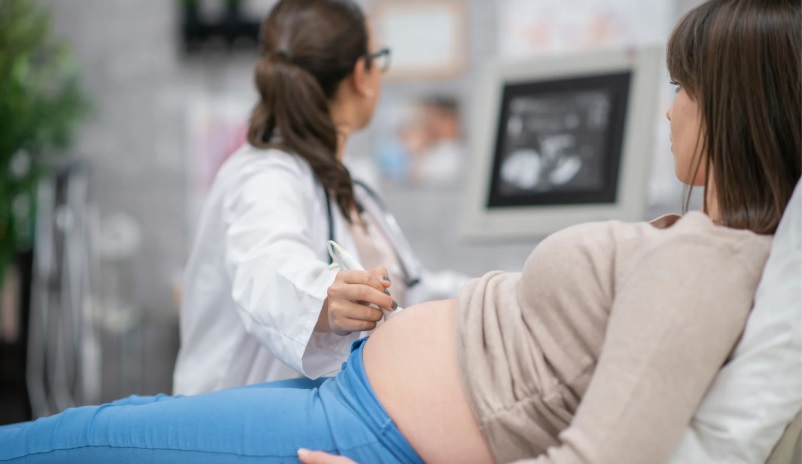
- Initial postpartum screening: A 75-gram oral glucose tolerance test (OGTT) is usually performed 6–12 weeks after delivery to ensure blood sugar levels have returned to normal.
- Regular diabetes screening: Even if initial tests are normal, women should have their blood sugar checked every 1–3 years, as per the American Diabetes Association (ADA) guidelines.
Lifestyle modifications—such as maintaining a healthy weight, eating a balanced diet, and engaging in regular physical activity—can significantly lower the risk of developing diabetes type 2 later.
Can You Get Gestational Diabetes In Future Pregnancies?
Yes. Having diabetes once increases the likelihood of developing it again in subsequent pregnancies. The risk can be as high as 30% to 84%, depending on individual factors such as weight, genetics, and lifestyle.
Women who plan to become pregnant again should:
- Have a preconception checkup: Discuss risk factors with a healthcare provider before trying to conceive.
- Achieve a healthy weight: Losing even a modest amount of weight before pregnancy can help reduce your risk.
- Stay active: Regular exercise improves insulin sensitivity.
- Monitor blood sugar early: Early screening in future pregnancies allows for prompt detection and management.
By taking proactive steps between pregnancies, women can significantly lower their chances of experiencing gestational diabetes again.
Tips for Managing Gestational Diabetes During Pregnancy
Proper management during pregnancy is essential to protect both mother and baby. Uncontrolled diabetes can increase the risk of complications such as preeclampsia, cesarean delivery, and delivering a large baby (macrosomia). Below are key strategies:
Managing gestational diabetes effectively can lead to healthier outcomes for both mother and baby. Here are some essential tips:
- Follow a Meal Plan: Work with a registered dietitian to create a personalized meal plan that focuses on whole foods, balanced meals, and appropriate portion sizes. This can help manage blood sugar levels effectively.
- Monitor Blood Sugar Levels: Regularly checking blood sugar levels is crucial. Women should follow their healthcare provider’s recommendations regarding monitoring frequency and target ranges.
- Stay Active: Engage in regular physical activity, such as walking or swimming, as approved by your healthcare provider. Exercise can help improve insulin sensitivity and lower blood sugar levels.
- Hydrate: Drink plenty of water throughout the day. Staying hydrated can help maintain blood sugar levels and support overall health.
- Educate Yourself: Learn about gestational diabetes and its management. Understanding the condition can empower you to make informed decisions about your health and well-being.
- Seek Support: Joining a support group or connecting with other women experiencing gestational diabetes can provide encouragement and valuable tips for managing the condition.
- Regular Check-ups: Attend all prenatal appointments and follow your healthcare team’s recommendations to monitor your condition effectively.
By implementing these strategies, women can better manage gestational diabetes and promote healthier outcomes for themselves and their babies.
Common Questions about the Risk Of Gestational Diabetes (FAQs)
What are the symptoms of gestational diabetes?
Often there are no obvious symptoms. Some women experience increased thirst, frequent urination, and fatigue. It is screened for because uncontrolled diabetes can lead to complications for babies born to affected mothers.
How is gestational diabetes diagnosed?
It is diagnosed through a glucose challenge test, usually between 24-28 weeks. You drink a sugary solution, and your blood sugar is tested after one hour. If high, a longer glucose tolerance test follows for confirmation.
Are there side effects from the treatments for gestational diabetes?
Yes, possible side effects include hypoglycemia (low blood sugar) from insulin or medication, digestive discomfort from diet changes, and injection site reactions. However, proper management minimizes risks, which are far lower than the dangers of untreated gestational diabetes.
How can I reduce the risk of type 2 diabetes?
Maintain a healthy weight through balanced nutrition and regular exercise. Limit processed foods and sugary drinks. Get regular check-ups for early detection. These lifestyle changes significantly lower your risk of developing type 2 diabetes.
What is the long-term effects of gestational diabetes?
It significantly increases the mother’s lifelong risk of developing type 2 diabetes and cardiovascular disease. For the child, there is a higher future risk of obesity and type 2 diabetes later in life. Regular follow-up screening is essential.
What is gestational diabetes?
Gestational diabetes is a type of diabetes that develops during pregnancy. It occurs when the body cannot produce enough insulin to manage blood sugar levels effectively, leading to high blood sugar. This condition is typically diagnosed through screening for gestational diabetes, commonly conducted during the second trimester of pregnancy.
Does gestational diabetes go away after the baby is born?
Yes, gestational diabetes often resolves after childbirth. Most women find that their blood sugar levels return to normal shortly after their baby is born. However, it is essential to monitor blood glucose levels and follow up with a healthcare provider to confirm that diabetes has resolved.
What are the risks for women with gestational diabetes?
Women diagnosed with gestational diabetes have a higher risk of developing type 2 diabetes later in life. Studies indicate that these women should be checked for diabetes after pregnancy and may need to undergo screening for gestational diabetes in future pregnancies.
How can I manage gestational diabetes?
Managing gestational diabetes involves keeping your blood sugar levels within a healthy range. This can be achieved through a balanced diet, regular physical activity, and, if necessary, insulin therapy. A diabetes educator can provide guidance on effective diabetes management strategies during pregnancy.
What are the symptoms of gestational diabetes?
Many people with gestational diabetes may not experience noticeable symptoms. However, some may encounter symptoms of high blood sugar, such as increased thirst, frequent urination, and fatigue. Regular screenings during pregnancy are crucial to diagnosing and managing this condition effectively.
Can gestational diabetes cause complications during pregnancy?
Yes, gestational diabetes can cause several pregnancy complications, including high blood pressure and increased risk for larger babies, which may lead to delivery complications. Proper management of gestational diabetes is essential to reduce these risks and ensure a healthy pregnancy for both the mother and the baby.
What follow-up care is needed after gestational diabetes?
After pregnancy, it is vital to have follow-up care to test for diabetes and monitor your health. Women who had gestational diabetes should strive to maintain a healthy lifestyle, as this can help reduce the risk of developing type 2 diabetes later in life. Regular check-ups with a healthcare provider are recommended to monitor any changes in blood sugar levels.
Conclusion
So, does gestational diabetes go away after birth? Gestational diabetes is a temporary condition for most women, and gestational diabetes typically goes away after birth once the placenta is delivered and pregnancy hormones decline. However, it is not without long-term implications: women who have experienced it face an increased risk of developing type 2 diabetes and encountering gestational diabetes in future pregnancies.
With early detection, proper management during pregnancy, and consistent postpartum follow-up, most women can protect their health and reduce future risks. Adopting a healthy lifestyle—balanced nutrition, regular physical activity, and routine blood sugar screening—remains the most effective strategy for safeguarding long-term health for both mother and child.
Recommended posts
- Is Low Lying Placenta Dangerous? Risks, Myths & Reassurance
- 7-Day Meal Plan for Gestational Diabetes (Easy Recipes)
- Fasting Blood Sugar Level for Pregnancy (What is the Normal Level)
- Best Snacks for Gestational Diabetes to Beat Cravings
- 7 Warning Gestational Diabetes Symptoms – You Shouldn’t Ignore
- The Hidden Risks of Over Diagnosing Gestational Diabetes