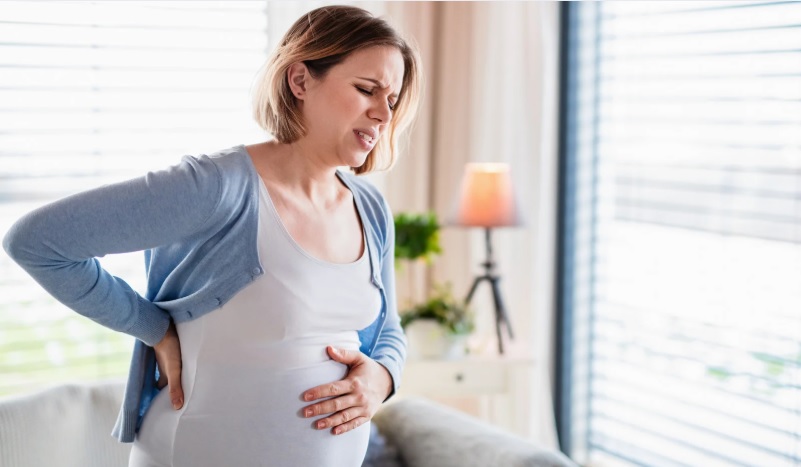
Does ectopic pregnancy pain come and go? Many women describe their pain as sharp at times and then fading away, which often leads to confusion. Because early ectopic pregnancy symptoms can mimic normal pregnancy changes or other health issues, this on-and-off pain raises important questions.
The truth is that ectopic pregnancy pain can indeed come and go. It often starts as mild cramping or discomfort before becoming more severe or constant. Doctors highlight that this fluctuating pain, especially when combined with bleeding or dizziness, should never be ignored.
Still, understanding this pattern requires more insight. Experts like Dr. Tamer Seckin, a well-known gynecologic surgeon, explain that timely recognition of changing pain patterns can make all the difference. In this article, we’ll explore how ectopic pregnancy pain behaves, the red flags to watch for, and when urgent care becomes essential.
Does Ectopic Pregnancy Pain Come and Go?
Ectopic pregnancy pain can vary in intensity and frequency, but yes, it can come and go. The pain associated with an ectopic pregnancy is often intermittent, meaning it can fluctuate between being mild and severe.
Some women report that the pain starts as a dull ache, which becomes sharper and more intense at times, often around the time of implantation or as the pregnancy progresses.
The pain may not be constant, but its recurring nature can make it particularly concerning. It is essential to recognize that while mild discomfort may be part of early pregnancy, any sharp or persistent pain should be evaluated by a healthcare provider.
The cause of the pain can be attributed to the growing embryo causing pressure and stretching of the tissues in the fallopian tubes or other affected areas. The pain may not be uniform in duration, and it may come in waves, lasting for hours or days, before subsiding for a while.
This on-and-off nature of the pain can sometimes make it harder to distinguish from normal pregnancy discomfort, but it is important to keep track of the pattern and severity of the pain.
What Does Early Ectopic Pain Feel Like?
Recognizing ectopic pregnancy pain in its earliest stages can be tricky because it mimics other conditions. However, many women describe it with a few specific characteristics:
- Localized pain: Typically on one side of the abdomen or pelvis.
- Sharp or stabbing sensations: May intensify when moving, coughing, or straining.
- Mild cramping that escalates: Starting as dull aches that progress to severe pain.
- Referred shoulder pain: Caused by internal bleeding irritating the diaphragm.
- Discomfort with bowel movements or urination: Pressure from the misplaced pregnancy can affect nearby organs.
Unlike typical menstrual cramps, this pain often feels more intense, targeted, and unusual for the individual. If you are pregnant and the pain feels “different” from anything you’ve experienced before, it should raise immediate concern.
Is Ectopic Pregnancy Pain Constant or on and Off?
Ectopic pregnancy pain is generally not constant. In most cases, it comes in waves, with pain that might start mild and gradually become more intense.
While some women experience constant aching or discomfort, many report that the pain fluctuates, becoming more pronounced at times and then easing off. This on-and-off nature of the pain is one of the reasons why ectopic pregnancies can sometimes go undiagnosed initially.
The pain is often a result of the growing embryo putting pressure on surrounding tissues, and as the embryo continues to grow, the pain can intensify. As the pregnancy reaches certain stages, such as when the fallopian tube begins to stretch or rupture, the pain may become more intense and constant.
It’s important to monitor the pain’s progression, and if it becomes severe or sharp, immediate medical attention should be sought, as a ruptured ectopic pregnancy can lead to life-threatening complications.
When Do Most Ectopic Pregnancy Symptoms Start?
Most ectopic pregnancies are detected between the 6th and 10th weeks of pregnancy. However, symptoms can begin earlier or later depending on the location and growth rate of the pregnancy.
Typical timeline of symptoms includes:
- 4–6 weeks: Light spotting, mild pelvic discomfort, or feeling “off.”
- 6–8 weeks: Clearer signs such as one-sided pain, increased cramping, or unusual vaginal bleeding.
- 8–10 weeks: Pain may intensify, often accompanied by dizziness, weakness, or referred shoulder pain due to internal bleeding.
- Any time during early pregnancy: If the tube ruptures, sudden severe abdominal pain, fainting, and shock can occur.
It’s important to note that not all women experience the “classic” symptoms. Some may have minimal pain but show other warning signs like brown spotting or lightheadedness. Because of this variation, doctors often recommend early ultrasounds for women at higher risk (e.g., previous ectopic pregnancy, history of pelvic infections, or IVF pregnancies).
Where Can I Get Medical Help?
If you suspect that you are experiencing an ectopic pregnancy, it is essential to seek immediate medical attention. In many cases, early detection and treatment can prevent severe health complications.
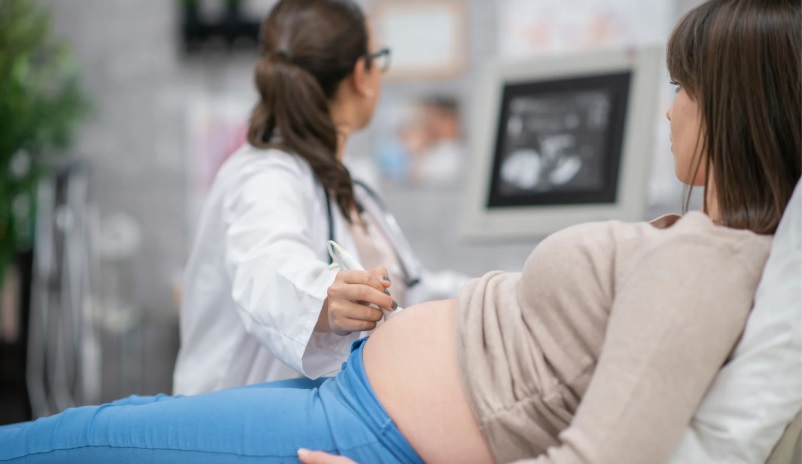
You should contact your primary care physician or gynecologist as soon as you notice symptoms like abdominal pain, vaginal bleeding, or discomfort. Your healthcare provider may perform a pelvic exam, ultrasound, and blood tests to diagnose the condition.
If the situation is severe or you are experiencing symptoms such as severe abdominal pain, dizziness, fainting, or pain shoulder ends and your arm (which can be a sign of internal bleeding), it’s important to go to the emergency room immediately.
A ruptured ectopic pregnancy can lead to life-threatening internal bleeding and requires immediate medical intervention. Early medical intervention can help prevent signs of a rupture and preserve reproductive health.
If you do not have immediate access to a healthcare provider, some hospitals have 24/7 emergency services where you can go for assessment. Many clinics also offer early pregnancy screening to check for potential issues like ectopic pregnancies. Always err on the side of caution—when in doubt, seek help immediately.
Commonly Asked Questions about Why Does Ectopic Pain Come and Go (FAQs)
How is an ectopic pregnancy diagnosed?
An ectopic pregnancy is diagnosed via ultrasound and hCG tests. Key sign of an ectopic pregnancy include pain, bleeding, or abnormal hCG trends. Laparoscopy may confirm if rupture is suspected. Early detection is critical.
What are the symptoms of an ectopic pregnancy?
Common signs and symptoms may include sharp pelvic pain (often near an ovary), vaginal bleeding, and dizziness. Unlike a healthy pregnancy, a history of pelvic scarring raises risk. Seek immediate care if suspected.
How does an ectopic pregnancy happen?
An ectopic pregnancy occurs when an egg implants outside your uterus, often in a fallopian tube. The pregnancy hormone hCG is still produced, but the embryo cannot develop normally, risking rupture.
How many weeks pregnant are you when you have ectopic pain?
Ectopic pain typically arises between 5–8 weeks pregnant, as the embryo outgrows its non-uterine site. Symptoms like sharp pain or bleeding warrant immediate medical attention to prevent rupture and complications.
What are the symptoms of an ectopic pregnancy?
The symptoms of an ectopic pregnancy may include abdominal pain, shoulder tip pain, vaginal bleeding, and signs of pregnancy like a positive pregnancy test. Some women may experience pain that comes and goes, often in the pelvic area or on one side of the abdomen. If you suspect you have an ectopic pregnancy, it’s crucial to seek medical advice promptly.
How is an ectopic pregnancy diagnosed?
An ectopic pregnancy is diagnosed through a combination of a pregnancy test, ultrasound scans, and blood tests to check hCG level. Healthcare professionals will look for signs that the fertilized egg has implanted outside the uterus, typically in a fallopian tube.
Can ectopic pregnancy pain come and go?
Yes, tubal pregnancy pain can come and go. Many women report intermittent abdominal pain, which may be accompanied by other symptoms like light vaginal bleeding. It’s important to monitor these symptoms and consult your GP if they occur.
What causes an ectopic pregnancy?
An ectopic pregnancy may occur when a fertilized egg implants in the fallopian tube instead of the uterus. Factors that can increase the risk of ectopic pregnancies include previous pelvic surgery, infections, or conditions like endometriosis that affect the fallopian tubes.
What should I do if I suspect I have an ectopic pregnancy?
If you suspect you have an ectopic pregnancy, it’s essential to call NHS 111 or contact your GP immediately. Early diagnosis and treatment are critical to prevent complications such as a ruptured ectopic pregnancy, which can cause internal bleeding.
Can an ectopic pregnancy lead to pregnancy loss?
Yes, a potential ectopic pregnancy can lead to pregnancy loss if not diagnosed and treated quickly. If the ectopic pregnancy ruptures, it can result in severe complications, including heavy bleeding and the need for emergency treatment.
What happens after an ectopic pregnancy?
After an ectopic pregnancy, many women can still have a successful pregnancy in the future. It’s important to discuss any concerns with your healthcare team and follow their advice for monitoring hormone levels and reproductive health.
What are the treatment options for ectopic pregnancy?
Treatment options for ectopic pregnancy may include medication to stop the growth of the pregnancy tissue or surgery to remove the ectopic pregnancy. The choice of treatment depends on the specific circumstances, including the location of the pregnancy and whether there is a risk of rupture.
Conclusion
So, does pain from ectopic pregnancy come and go? In conclusion, the pain associated with ectopic pregnancies does come and go, and this intermittent nature of the pain can often make it harder to diagnose early on. Understanding the symptoms, the progression of the pain, and when to seek medical help are all critical steps in recognizing an ectopic pregnancy. If you experience persistent or severe abdominal pain, especially if it is accompanied by other symptoms such as vaginal bleeding or dizziness, it’s vital to seek medical attention immediately. Prompt diagnosis and treatment are crucial for preventing further complications and ensuring the best possible outcome for your health and well-being.
By understanding the warning signs and staying vigilant about any unusual pain or discomfort, you can take the necessary steps to protect your health. If you have any concerns or questions, don’t hesitate to contact a healthcare professional for guidance. Your health is paramount, and early intervention can make all the difference.
Recommended posts
- Ectopic Pregnancy Shoulder Pain: Symptoms, Risks & Care Tips
- Cornual Ectopic Pregnancy – Risks, Diagnosis, and Care Guide
- Can Ectopic Pregnancy Test Negative? (Here’s the Truth)
- 2 Ectopic Pregnancies in a Row: Causes & Success Stories
- Can Plan B Cause Ectopic Pregnancy – What Science Says