
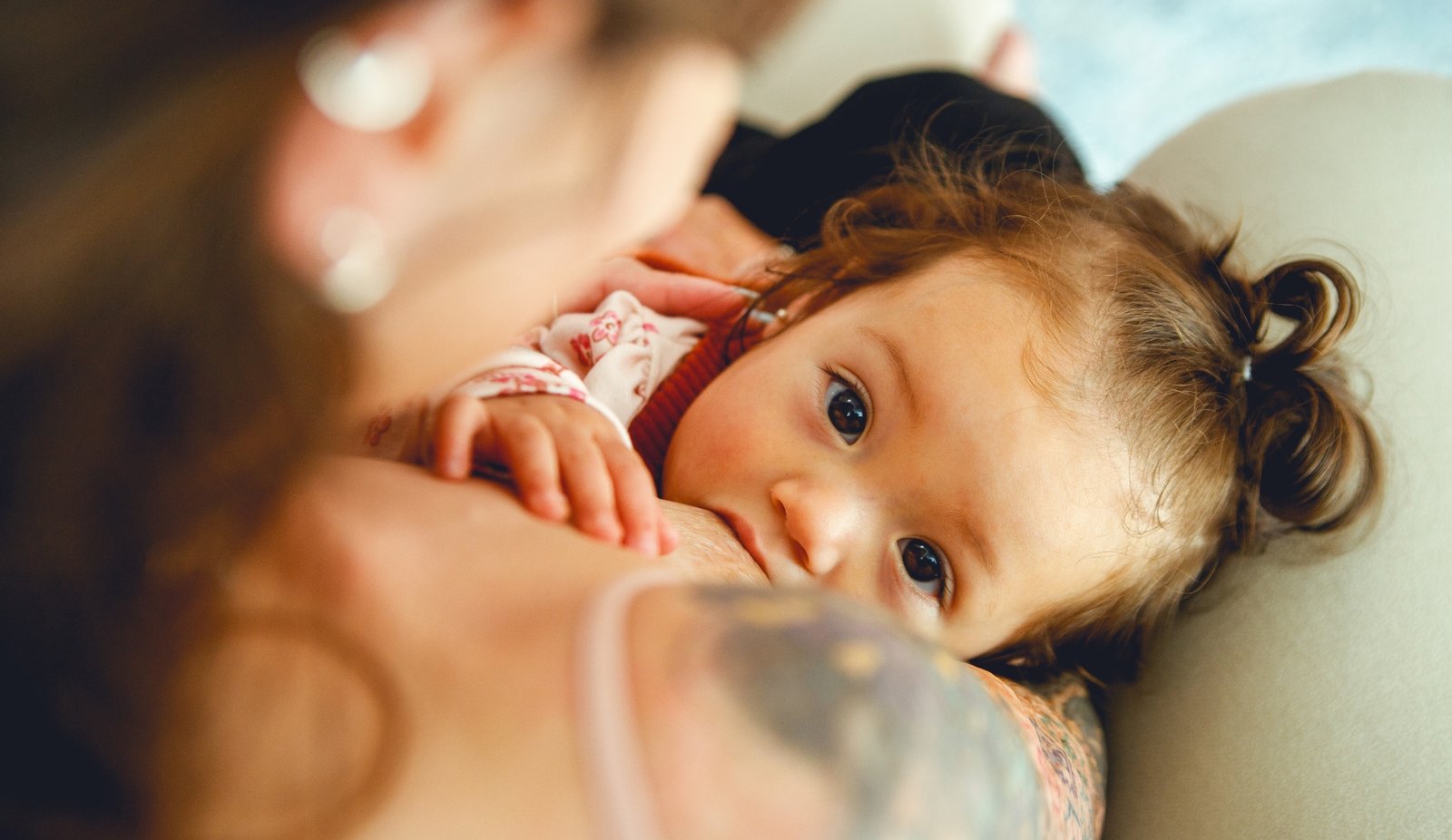
Does breastfeeding actually help you lose weight faster, or is it just another parenting myth that gets passed around? Many new mothers hope the extra calorie burn from milk production will naturally slim their postpartum body. You might ask yourself if this process truly makes a noticeable difference or if lifestyle plays a bigger role.
Study found that Breastfeeding does burn calories—roughly 300 to 500 per day—because your body works to produce milk. Some women who exclusively breastfed notice steady, healthy weight loss, while others see little change due to factors like metabolism, appetite, and activity levels. Studies from organizations such as the CDC show that breastfeeding contributes to weight loss for many mothers, but results vary from person to person.
Plenty of breastfeeding mums credit breastfeeding for supporting their postpartum recovery, yet there’s more to the story than calorie burn alone. Hormones, nutrition, sleep, and stress all influence how your body responds. So, let’s explore the real science behind breastfeeding and weight loss to see what you can expect on your own postpartum journey.
Does Breastfeeding Help You Lose Weight After Pregnancy?
Does breastfeeding make you lose weight or gain? The short answer is yes, breastfeeding can be a powerful ally in your post-pregnancy weight loss journey, but it is not a guaranteed magic bullet. The process is physiological: producing breast milk is metabolically demanding work. Your body expends a significant amount of energy—in the form of calories—to create nourishment for your baby.
To put this into perspective, it’s estimated that breastfeeding burns between 300 to 500 calories per day. To visualize this, burning 500 calories is equivalent to a solid 45-minute run or an hour of intense cycling. Your body is essentially performing this calorie-burning activity simply by sustaining your milk supply.
This elevated metabolic rate can create a natural calorie deficit to lose weight while breastfeeding, which is the fundamental principle behind weight loss. However, this deficit is easily offset by increased hunger and caloric intake, which is why the experience varies so widely from one mother to another.
Therefore, while breastfeeding provides a physiological advantage for weight loss, it operates within a broader context of diet, lifestyle, genetics, and individual hormonal responses.
How Breastfeeding May Help You Shed Weight?
What is the impact of breastfeeding on weight loss? To understand how breastfeeding influences weight loss, it helps to look at the biological mechanisms behind it. Here are the main processes involved:
1. Increased Caloric Expenditure
The production of breast milk requires energy. Your body uses calories not only to produce milk but also to maintain milk temperature and support hormonal processes regulating lactation. As a result, many women see a boost in daily calorie burn similar to moderate physical activity.
2. Hormonal Shifts That Support Fat Use
Breastfeeding triggers the release of oxytocin, a hormone that stimulates uterine contractions. These contractions help the uterus shrink back to its pre-pregnancy size more quickly, which doesn’t directly burn fat but can contribute to the sensation of slimming down.
Another hormone, prolactin, regulates milk production and influences appetite and fat storage. While prolactin can increase hunger, it also shifts the body toward using maternal fat stores for energy during active milk production.
3. Prioritizing Stored Fat for Milk Production
During pregnancy, your body intentionally stores extra fat to support breastfeeding later. Once you begin nursing, your body becomes efficient at drawing from these reserves, particularly around the hips and thighs, which may gradually reduce postpartum fat stores.
4. Reduced Fat Storage When Supply Is Established
As milk supply stabilizes, some women experience improved insulin sensitivity and better fat metabolism. This can create a favorable environment for slow and steady fat loss.
5. Potential Appetite Regulation Over Time
In the early postpartum period, appetite often surges because the body demands more nutrients. Over time, however, many women notice appetite levels normalizing, which can make weight loss easier once routines stabilize.
Why Some Women Don’t Lose Weight While Breastfeeding
Even though breastfeeding burns calories, many mothers do not lose weight while breastfeeding—or may even gain weight—while nursing. Here are the most common reasons:
1. Increased Appetite and Caloric Intake
Breastfeeding mothers often feel hungrier than usual, especially during growth spurts or cluster-feeding periods. If calorie intake exceeds the amount burned, weight loss stalls. Many women unknowingly consume “extra breastfeeding snacks” that add up quickly, especially high-sugar or high-fat processed foods.
2. Hormonal Effects That Encourage Fat Storage
High prolactin levels can signal the body to hold onto fat stores as a protective mechanism to ensure consistent milk production. This hormonal environment can override calorie burning, especially in the first six months.
3. Lack of Sleep and Chronic Stress
New mothers often experience disrupted sleep, which affects cortisol levels and hunger hormones such as ghrelin and leptin. Elevated cortisol can promote fat storage—particularly abdominal fat—regardless of breastfeeding.
4. Reduced Physical Activity
Caring for a newborn can make structured exercise difficult. Even walking routines may become sporadic due to feeding schedules, unpredictable naps, and recovery time from childbirth—especially for women recovering from C-sections.
5. The Body’s Natural Weight-Holding Pattern
Some women’s bodies naturally retain an extra 5–10 pounds until breastfeeding tapers or ends. This weight typically drops off once hormone levels return to pre-pregnancy norms.
6. Overestimation of Calorie Burn
While breastfeeding burns calories, many women overestimate the amount. Diet culture messaging can lead mothers to believe they can eat significantly more without consequence, which may slow or reverse weight loss.
7. Medical Conditions That Affect Weight
Postpartum thyroid disorders—especially hypothyroidism—can make weight loss extremely difficult. Polycystic ovary syndrome (PCOS), insulin resistance, and certain medications may also play a role.
Myths Vs. Facts about Effects of Breastfeeding on Postpartum Weight Loss
Understanding the truth behind common beliefs is essential for realistic expectations. Here’s a breakdown of the most widespread myths and the facts behind them:
Myth #1: Breastfeeding causes automatic, rapid weight loss.
Fact: Many women lose weight slowly or not at all until breastfeeding decreases or stops. Weight loss varies significantly based on hormones, diet, activity level, and individual metabolism.
Myth #2: You should eat “for two” while breastfeeding.
Fact: You only need about 300–500 additional calories per day, depending on milk production. Overeating can easily cancel out the calories burned through breastfeeding.
Myth #3: Breastfeeding melts belly fat.
Fact: While breastfeeding helps the uterus contract, belly fat loss depends on overall calorie balance, genetics, sleep, and physical activity—not lactation alone.
Myth #4: If you’re not losing weight, you must be doing something wrong.
Fact: Every woman’s body responds differently. Hormones, stress, and medical conditions can affect weight, and none of these are personal failures.
Myth #5: You can’t exercise while breastfeeding.
Fact: Moderate exercise is safe and beneficial. It does not reduce milk supply when hydration and nutrition are adequate.
Myth #6: Breastfeeding always reduces postpartum appetite.
Fact: For many women, breastfeeding increases hunger, especially during early postpartum months when milk supply is still adjusting.
Myth #7: Stopping breastfeeding guarantees immediate weight loss.
Fact: Some women gain weight after weaning due to metabolic and hormonal shifts. Others lose weight once prolactin levels drop. Again—results vary.
Commonly Asked Questions about Benefits of breastfeeding for Moms (FAQs)
What foods will increase my milk supply?
Foods that can increase milk supply include oats, almonds, and leafy greens. Additionally, incorporating seeds like fennel or adding brewer’s yeast to your meals can be beneficial. Staying hydrated and maintaining a balanced diet, especially if following a vegan diet, is also essential.
Can breastfeeding help you lose weight?
Yes, breastfeeding offers a natural way to lose weight postpartum. Exclusively breastfeeding for at least three months can help burn extra calories, contributing to gradual weight loss. However, individual experiences may vary based on diet, activity level, and metabolic factors.
How does breastfeeding help with postpartum weight loss?
Breastfeeding may help women lose pregnancy weight quickly by burning extra calories, aiding in the shrinking of the uterus, and promoting fat loss. Nursing mothers often find that they lose some weight naturally during the months postpartum without actively trying to lose weight.
Can you lose weight while breastfeeding?
Can breastfeeding make you lose weight? Yes, many breastfeeding women lose weight while nursing. Research shows that breastfeeding mothers tend to lose more weight compared to non-exclusively breastfeeding women, especially if they maintain a healthy diet and avoid cutting calories drastically during this period.
How much weight can you lose while breastfeeding?
The amount of weight lost varies among individuals. On average, breastfeeding women can lose about 1-2 pounds per month during the first six months postpartum, depending on factors like diet, activity level, and how long they continue breastfeeding.
Does exclusive breastfeeding help with weight loss?
Exclusive breastfeeding for at least six months can enhance weight loss by promoting a calorie deficit and encouraging fat utilization. Women who breastfed exclusively tend to lose weight more effectively than those who supplement with formula or solid foods.
When do you start losing weight after childbirth?
Many women begin to see postpartum weight changes within a few weeks after childbirth. However, significant weight loss typically occurs after at least three months of breastfeeding. The body gradually sheds the weight you gained during pregnancy as breastfeeding continues.
Is it safe to try to lose weight too soon after childbirth?
Avoid losing weight too soon after childbirth, as it can impact milk supply and overall health. Breastfeeding mothers should focus on balanced nutrition, ensuring they are eating enough to support both their recovery and milk production while aiming for gradual weight loss.
Can breastfeeding help you lose the baby weight gained during pregnancy?
Breastfeeding may help you lose the baby weight gained during pregnancy. The process burns additional calories and can aid in returning to pre-pregnancy weight. However, maintaining a healthy diet is essential for effective weight loss during this period.
How long should you breastfeed to aid in weight loss?
Breastfeeding for at least six months can significantly aid in postpartum weight loss. Longer durations of breastfeeding may enhance the relationship between breastfeeding and postpartum weight, allowing the body more time to shed excess fat and regain pre-pregnancy shape.
What role does diet play in breastfeeding and weight loss?
A healthy diet plays a crucial role in weight loss while breastfeeding. Consuming whole grains, lean proteins, and plenty of fruits and vegetables can support nursing mothers in losing weight while ensuring they have enough milk supply for their babies.
What are 5 disadvantages of breastfeeding?
Five disadvantages of breastfeeding include potential pain or discomfort, time commitment and frequency of feeding, difficulty with public breastfeeding, limited flexibility for the mother, and challenges if the baby has latch issues. These factors can lead to stress and frustration for some mothers.
How to lose 10 kg while breastfeeding?
To lose 10 kg while breastfeeding, focus on a balanced diet rich in fruits, vegetables, lean proteins, and whole grains. Stay hydrated, engage in moderate exercise as you feel comfortable, and aim for gradual weight loss, approximately 0.5 to 1 kg per week.
Do you lose more weight, breastfeeding or pumping?
Breastfeeding typically burns more calories than pumping, leading to greater weight loss. This is because nursing often involves more physical exertion and hormonal responses that promote fat burning. However, weight loss results can vary based on individual metabolism and feeding practices.
How quickly do you lose weight with breastfeeding?
The rate of weight loss while breastfeeding can vary. Many mothers lose about 0.5 to 1 kg per week during the initial postpartum months. Exclusively breastfeeding can expedite this process, but individual factors, including diet and activity level, play significant roles.
Conclusion
So, does breastfeeding help you lose weight? The evidence confirms that it can. By creating a significant daily calorie deficit and triggering specific hormonal responses, breastfeeding provides a physiological head start in the postpartum weight loss journey. However, it is not a guaranteed or uniform experience. Factors like ravenous hunger, hormonal influences, stress, and sleep deprivation can all play a role in why some mothers lose weight easily while others do not.
The most important takeaway is to shift the focus from the number on the scale to the profound nourishment you are providing your child. View the calorie-burning benefit of breastfeeding as a helpful bonus, not the primary goal. Prioritize a nutrient-rich diet, stay hydrated, seek rest when possible, and engage in gentle activity as you heal.
Be patient and kind to your body; it has performed a miracle. Whether the weight comes off during your breastfeeding journey or after weaning, the health and bond you are fostering with your baby are the true, immeasurable rewards.
Recommended posts
- Breastfeeding Versus Formula Milk Feeding – The Key Differences
- 7 Surprising Benefits of Postpartum Belly Wrap for Recovery
- The Ultimate Postpartum Weight Loss Plan for Busy New Moms
- Can I Color My Hair While Breastfeeding (Is It Safe?)
- Is Eating Sushi While Breastfeeding Safe (Mum-Friendly Tips)
- The Fastest Way to Heal Cracked Nipples While Breastfeeding
- 10 Proven Ways on How to Increase Breast Milk Supply Naturally

