
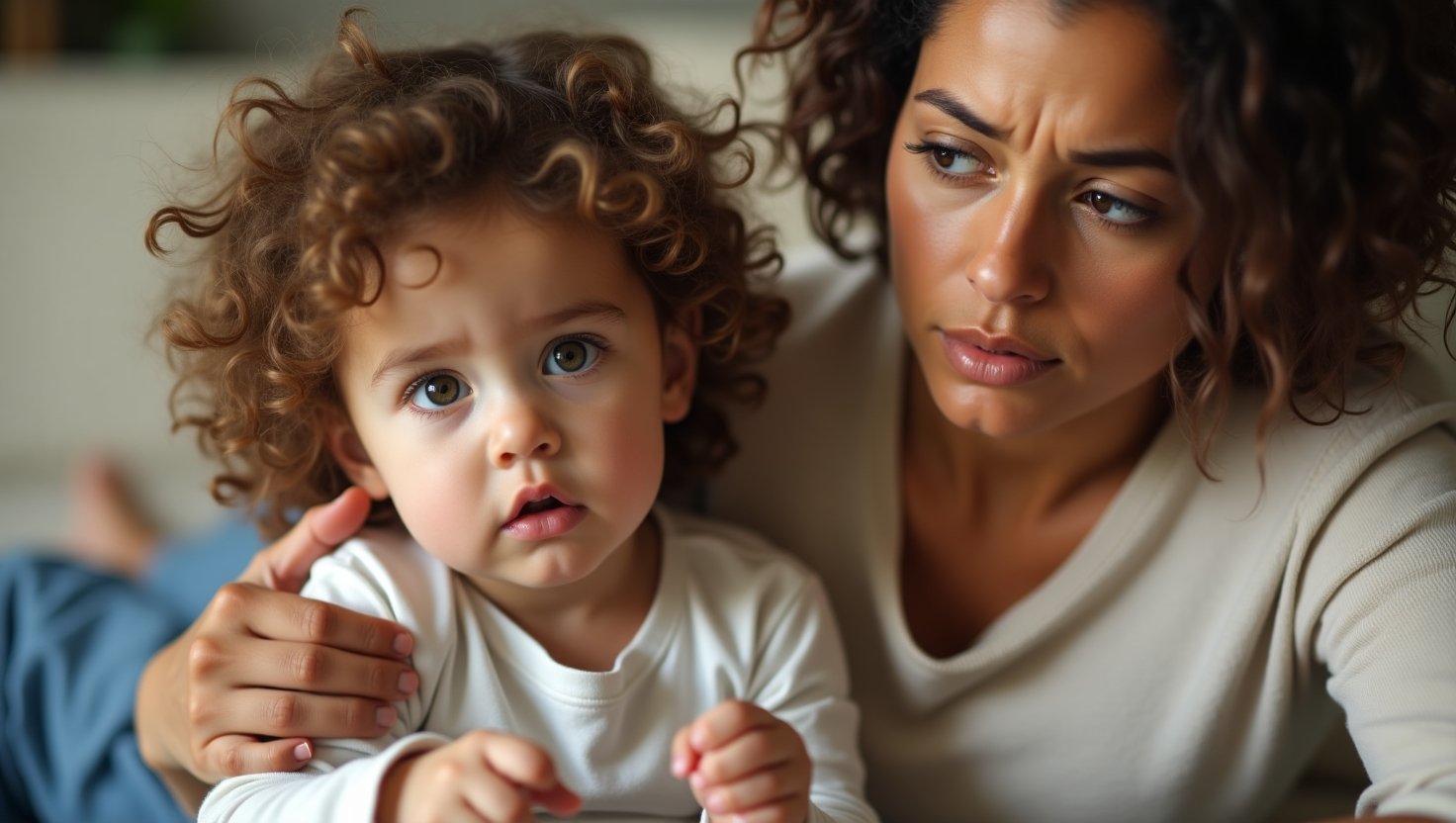
Does autism get worse after age 3—or is that just a worry many parents share? It’s common to see changes in behavior as toddlers grow, but what do those changes actually mean for children with autism? Should parents expect regression or improvement?
Autism doesn’t typically get “worse” with age, but symptoms may appear more noticeable as social and communication demands increase. Some children show regression around age 2–3, losing words or skills, while others begin to improve with early intervention. Experts like Dr. Catherine Lord stress that with the right support, many children make steady progress beyond age 3.
Wondering what to expect as your child grows and how to support their development? Let’s dive into the key developmental shifts, therapy options, and expert tips that can help your child thrive after age 3.
Does Autism Get Worse After Age 3?
There is no clear consensus that autism symptoms “get worse” after age 3. In fact, many children show significant improvement with the right interventions and support. However, it’s important to understand that autism is a spectrum, and every child experiences it differently.
Some children may appear to develop more noticeable symptoms as they grow older, while others may improve and adapt as they get older, especially with the help of therapies like Applied Behavior Analysis (ABA) or speech therapy.
The key to understanding autism’s progression is recognizing the role of brain development in early childhood. Between the ages of 3 and 6, children undergo significant neurological growth, which can lead to changes in how they interact with the world.
For some children, this period can reveal new challenges, while for others, it can result in improved social and cognitive abilities. However, without early intervention, certain behaviors associated with autism, such as communication difficulties or repetitive behaviors, may become more pronounced.
How Does Autism Develop?
Autism is a complex neurodevelopmental disorder that emerges in the early years of life. While the exact reasons of autism disorder are not fully understood, research suggests a combination of environmental and genetic factors that affect brain development. Autism is typically recognized by parents and caregivers by the time a child is 18 months to 2 years old, though it may be diagnosed as early as 12 months.
Developmental milestones such as speech, motor skills, and social interactions often serve as key indicators of autism. In the early years, children may display signs such as lack of eye contact, difficulty responding to their name, delayed speech, and limited social engagement. Some children may also exhibit repetitive behaviors, such as hand-flapping or a preference for rigid routines.
As a child with autism grows, their symptoms may evolve. This could mean an increase in social and communication difficulties, or it could result in new skills developing, especially if interventions are introduced early on.
The most critical period for brain development in autism typically spans the first five years of life. This is why early identification and intervention can be so crucial in shaping long-term outcomes for individuals with autism.
Autism Symptoms in a 3-Year-Old – Autism Diagnoses
By the age of 3, many children with autism exhibit more pronounced and identifiable symptoms. At this age, it’s common to see challenges in communication, socialization, and behavior. Some of the typical autism symptoms seen in 3-year-olds include:
- Delayed Speech or No Speech: Many 3-year-olds with autism have difficulty with verbal communication. They may not speak at all, or they may have a limited vocabulary.
- Difficulty with Social Interactions: A 3-year-old with autism may struggle to engage with peers and adults. They may avoid eye contact, not respond when their name is called, or have trouble understanding social cues.
- Repetitive Behaviors: Repetitive movements like hand-flapping, rocking, or lining up toys may become more evident by age 3. These behaviors are often used as self-regulation mechanisms.
- Sensory Sensitivities: Children with autism may have heightened sensitivity to lights, sounds, textures, or smells.
- Resistance to Change: Many 3-year-olds with autism prefer routine and can become upset when their routine is disrupted.
It’s important to remember that the severity of these symptoms can vary greatly from one child to another. Some children may show mild signs, while others may exhibit more significant challenges.
Can Mild Autism Go Away With Age?
The term “mild autism” is often used to describe individuals on the higher-functioning end of the autism spectrum. These individuals may have fewer challenges in daily life and may be able to communicate effectively with the right support. However, the concept of autism “going away” is a common misconception.
While children with mild autism can make substantial progress, especially with early intervention, autism is generally considered a lifelong condition. This doesn’t mean that a child with autism won’t learn new skills or overcome some challenges; it simply means that they will continue to experience autism in some form throughout their lives.
With the right therapy and support, children with mild autism may learn to manage their symptoms and live relatively independent lives, but they may still face difficulties with social interactions, sensory processing, and communication.
Early intervention can make a big difference in a child’s development. With the appropriate therapies and support systems, many children with mild autism can develop important life skills that enable them to thrive. However, there is no definitive cure for autism at this time, and it is essential to understand that progress varies depending on each child’s unique strengths and needs.
The Power of Early Intervention and Therapy
Early intervention is one of the most powerful tools for improving the outcomes of children with autism. Research consistently shows that children who receive therapy before the age of 5 have a higher chance of making substantial progress in areas like communication, socialization, and behavior. Early intervention programs can include a variety of therapies, such as:
- Applied Behavior Analysis (ABA): ABA is a widely-used therapy that focuses on teaching positive behaviors while reducing undesirable ones. ABA helps children with autism improve social, communication, and learning skills.
- Speech Therapy: Many children with autism have delayed or limited speech development. Speech therapy can help them improve their communication skills and better express their needs and feelings.
- Occupational Therapy (OT): OT can help people with autism improve their fine motor skills and learn how to handle sensory sensitivities that may affect daily life.
- Social Skills Training: Many children with autism struggle with social interactions. Social skills training can help them learn appropriate social cues, initiate conversations, and form relationships with others.
- Sensory Integration Therapy: This therapy helps children with autism manage sensory sensitivities and learn how to cope with overwhelming stimuli.
The earlier a child begins these interventions, the better their chances of developing essential skills. These therapies can help minimize the impact of autism symptoms and help children lead fulfilling lives.
Can Level 2 Autism Live a Normal Life?
Level 2 autism is a classification in the DSM-5 (Diagnostic and Statistical Manual of Mental Health Disorders) that refers to children with autism who require substantial support. These individuals may have more noticeable communication challenges, difficulty in social situations, and may engage in repetitive behaviors that interfere with daily life.
Although children with level 2 autism may face more significant challenges, they can still live meaningful and fulfilling lives. With intensive therapy, support, and accommodations, many individuals with level 2 autism learn how to manage their symptoms and integrate into society. However, they may require ongoing support in areas such as communication, social interactions, and employment.
It’s important to note that a “normal life” for someone with level 2 autism may look different than what is considered typical. However, with the right resources and support systems in place, individuals with level 2 autism can achieve independence, form relationships, and pursue careers that align with their strengths and interests.
Common Questions about Severity and Change in Autism Spectrum Disorder (FAQs)
Does High Functioning Autism Get Worse With Age?
High-functioning autism spectrum disorder (ASD) may not necessarily worsen with age; however, symptom severity can change. Autistic people may develop coping strategies to manage challenges over time.
What Makes Autism Worse?
Factors such as stress, anxiety, and lack of support can worsen ASD symptoms. For some autistic people, environmental changes can lead to increased symptom severity and challenges.
What Can Cause Autism Symptoms to Worsen as People Get Older?
As people with ASD age, life changes, stressors, and lack of coping strategies can worsen symptoms. Autistic people may experience higher symptom severity during transitions or significant life events.
What Are the Signs & Symptoms of Autism?
Signs of autism may include social difficulties, communication challenges, and repetitive behaviors. Symptoms can vary widely among autistic people and may change over months of age.
What are the Differences Between Mild and Severe Symptoms?
Mild symptoms of ASD may include less severe social challenges, while severe symptoms often involve significant communication and behavioral difficulties, impacting daily functioning for autistic people.
How Does Autism Change With Age?
Autism can change with age, as symptom severity may fluctuate. Autistic people often develop coping strategies that help them navigate social situations and daily life more effectively.
Do Environmental Factors Make Autism Worse?
Yes, environmental factors can exacerbate symptoms of ASD. Stressful situations or changes in routine may lead to increased symptom severity in autistic people.
Does Autism Decrease with Age?
Autism itself does not decrease with age, but some symptoms may lessen. Many autistic people develop coping strategies that can help manage symptoms over time.
What Is the Hardest Age with an Autistic Child?
The hardest age for many parents of autistic children often occurs during adolescence, when emotional and social challenges intensify, and symptom severity may become more pronounced.
Conclusion
In conclusion, the question, “Does autism get worse after age 3?” does not have a simple answer. While autism itself is a lifelong condition, early intervention can significantly improve the quality of life for children with autism, even after the age of 3. Autism symptoms may evolve as children grow, but with the right support, many children can make tremendous progress and lead fulfilling lives. Whether a child has mild, moderate, or severe autism, understanding the developmental trajectory of autism and providing early interventions are key to optimizing outcomes.
If you’re concerned about autism symptoms in a child, early autism diagnosis and intervention are crucial steps to ensure that the child receives the support they need to thrive.
Recommended posts
- Can Level 2 Autism Live Independently? (The Honest Answer)
- Autistic Burnout Vs Depression Signs, Causes & How to Cope
- Autism Hyperfixation: The Superpower You Didn’t Know About
- When Does Autism Regression Happen: (Early Signs & Insights)
- 10 Disorders Similar to Autism and Can Be Mistaken
- Can Autism Disappear with Age? What the Research Tells Us

