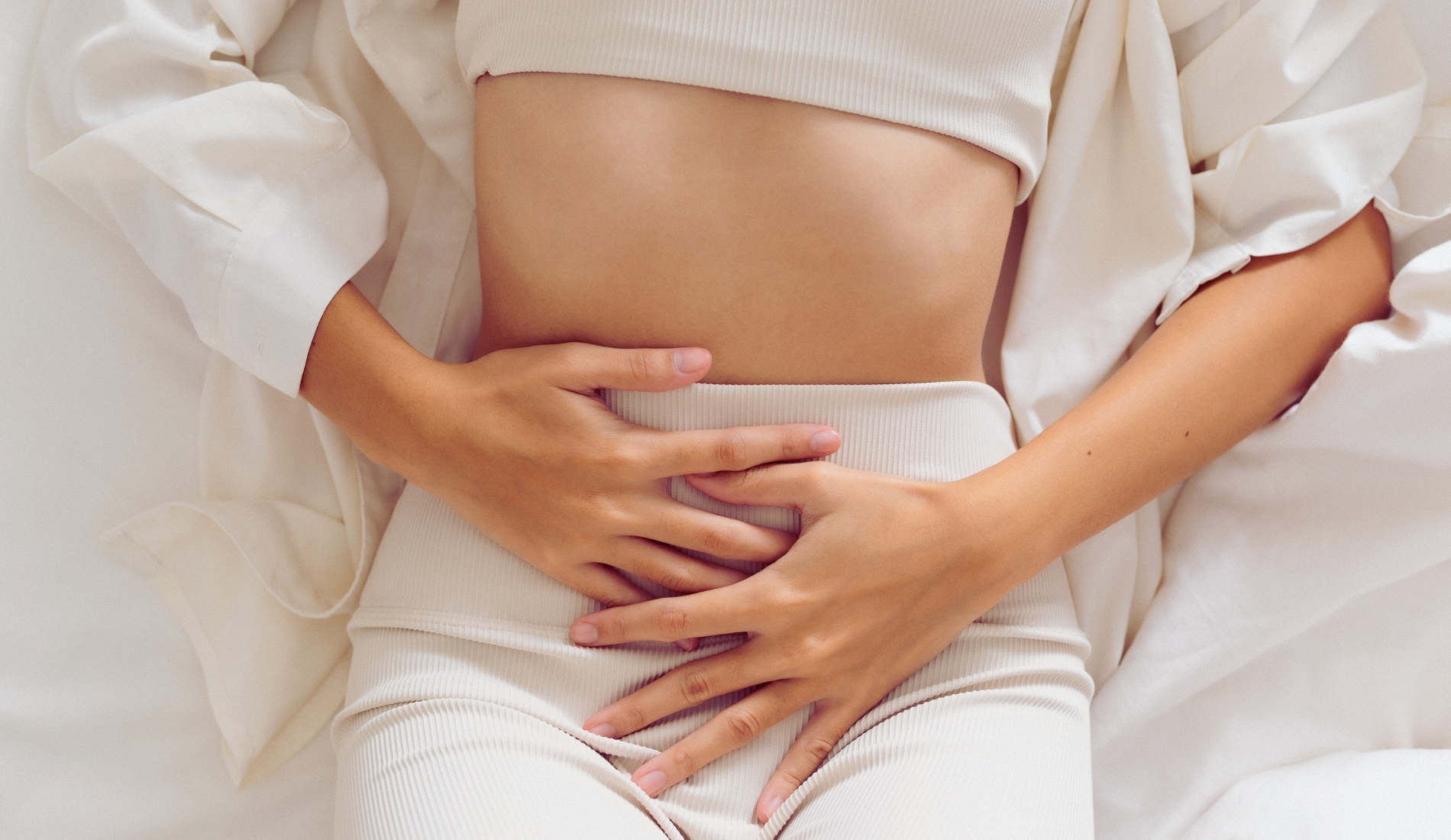
Conceiving after a miscarriage can feel overwhelming—physically, emotionally, and mentally. You might be wondering how soon you can try again, and what steps can help you prepare your body and mind. Is there a right time to start, or any special conceiving after miscarriage tips you should take?
Experts say many women can safely conceive again after just one normal menstrual cycle, but emotional readiness is just as important. Focus on healing, tracking ovulation, and supporting your health with nutrition, sleep, and stress management. Leading OB/GYNs like Dr. Jessica Zucker emphasize self-compassion and medical guidance in this journey.
Every body heals differently, and every path to parenthood is unique. Want proven tips for trying to conceive after miscarriage and professional insights to boost your chances after loss? Stick with us—we’ll guide you through the most supportive and effective ways to successful pregnancy immediately after miscarriage.
How Soon Can you Get Pregnant After a Miscarriage?
After a miscarriage, many women wonder how soon they can get pregnant again. While it’s medically possible to conceive as soon as two weeks after a miscarriage, doctors often recommend waiting for at least one menstrual cycle before trying to conceive.

This waiting period allows the body to heal and helps establish a more regular menstrual cycle, which can be crucial for tracking ovulation and understanding your fertility. Additionally, if a woman feels emotionally ready, this time can be beneficial in processing the loss and preparing mentally for another pregnancy.
Ultimately, the decision of when to try to get pregnant after a miscarriage is deeply personal. Some women may feel ready to conceive soon after their loss, while others might need more time to cope with their emotions. Medical professionals often encourage women to consult with their healthcare provider to assess their individual health status and any underlying health issues that may affect their fertility.
Understanding the risks of miscarriage in subsequent pregnancies can also help women feel more informed and prepared as they consider trying to conceive again.
How To Prepare For Pregnancy After Miscarriage?
Preparing for pregnancy after a miscarriage involves both physical and emotional readiness. Women should focus on adopting a healthy lifestyle that includes a balanced diet rich in essential nutrients, such as folic acid, which is crucial for fetal development.
Maintaining a healthy weight, managing stress, and reducing caffeine intake can also enhance fertility and promote a healthy pregnancy after a miscarriage. Engaging in regular exercise can improve overall health, making the body more resilient for the next pregnancy.
It’s equally important to address emotional health when preparing for a new pregnancy. Seeking emotional support through therapy or support groups can provide a safe space to share feelings and experiences related to the previous miscarriage.
Women should also communicate openly with their partners about their desires and fears surrounding another pregnancy. This shared understanding can strengthen relationships and create a supportive environment as they embark on the journey to conceive again.
10 Conceiving After Miscarriage Tips for Healing:
Conceiving after a miscarriage can be an emotional and physical journey. Here are some proven conceiving tips after miscarriage to help you navigate this process:
1. Give Yourself Time
- Allow yourself to grieve and heal emotionally and physically. Every individual’s timeline is different.
2. Consult Your Doctor
- Schedule a follow-up appointment to discuss your health and any concerns you may have about trying to conceive again.
3. Understand Your Cycle
- Track your menstrual cycle to identify your ovulation window, increasing your chances of conception.
4. Maintain a Healthy Lifestyle
- Nutrition: Eat a balanced diet rich in vitamins and minerals.
- Exercise: Engage in regular, moderate exercise to boost overall health.
- Avoid Harmful Substances: Limit alcohol, caffeine, and quit smoking.
5. Consider Prenatal Vitamins
- Start taking prenatal vitamins, particularly folic acid, to prepare your body for a healthy pregnancy.
6. Manage Stress
- Practice relaxation techniques such as yoga, meditation, or mindfulness to reduce stress.
7. Seek Support
- Join a support group or talk to friends and family who understand your experience.
8. Stay Informed
- Educate yourself about pregnancy and miscarriage. Knowledge can help alleviate fears and anxieties.
9. Be Patient
- Understand that it may take time to conceive again. Patience is key.
10. Focus on Emotional Well-being
- Consider speaking with a therapist or counselor if you’re struggling emotionally.
Every journey is unique, and following these proven tips to conceive after miscarriage can help create a supportive environment for conception. Listen to your body, stay informed, and surround yourself with supportive people.
Support for Women who are Trying to Get Pregnant After a Miscarriage
Emotional support from friends, family, and healthcare professionals is vital for women trying to get pregnant after a miscarriage. Sharing their experiences with others who have faced similar situations can provide comfort and understanding.
Support groups, either in-person or online, can create a sense of community and help women process their feelings about their pregnancy loss. Connecting with those who have successfully conceived after a miscarriage can also offer hope and encouragement.
Furthermore, women should not hesitate to reach out to their healthcare providers for guidance. These professionals can offer valuable advice on how to cope emotionally and physically as they prepare for another pregnancy.
Many women find that discussing their concerns with a trusted doctor can ease anxiety and provide clarity on the next steps. Remembering that feeling anxious or uncertain is normal during this time can help women navigate their emotions while seeking support from those around them.
Commonly Asked Questions about Coping with Pregnancy Loss (FAQs)
How soon after a miscarriage can you get pregnant?
You can ovulate as soon as 2 weeks after a miscarriage, but doctors often recommend waiting 1-3 menstrual cycles to prevent a miscarriage and ensure optimal recovery.
How to Prepare for a Healthy Pregnancy After a Miscarriage?
Pregnancy loss can be devastating To prepare well, wait 1-3 month after a miscarriage, take prenatal vitamins, manage stress, and consult your doctor to address underlying causes.
How long you should wait until you try again After Miscarriage?
It’s generally recommended to wait at least two menstrual cycles after a miscarriage before trying to conceive again. Consult your health care provider for personalized advice based on your situation.
is it more likely you’ll have another miscarriage when you get pregnant again?
Most women who miscarry go on to have a healthy pregnancy. While one miscarriage doesn’t significantly increase risk, recurrent miscarriage (2-3+) warrant medical evaluation for underlying causes.
How soon can I become pregnant again after experiencing early pregnancy loss?
The American College of Obstetricians and Gynecologists advises that many women can try to become pregnant again after one miscarriage as soon as they feel ready. However, if you’ve experienced two or more miscarriages, it’s especially important to talk to your healthcare provider about the best timing for you.
What are some tips to prepare for a healthy pregnancy after miscarriage?
Tips to prepare for pregnancy after a miscarriage include maintaining a healthy lifestyle, managing stress, and tracking your menstrual cycle to identify ovulation. Additionally, consulting with your healthcare provider can help ensure you are physically and emotionally ready for a successful conception and pregnancy after a miscarriage.
Should I wait before trying to get pregnant again after going through a miscarriage?
While some women may be advised to wait a specific period before trying to conceive again, many healthcare providers suggest that waiting is not necessary after one miscarriage, unless there are complications. Discussing your individual situation with your healthcare provider is crucial.
What steps should I take for recovering from a miscarriage before trying to get pregnant again?
Recovering from a miscarriage involves both physical and emotional healing. It’s important to allow your body time to heal, which may include monitoring your menstrual cycle and ensuring you are physically fit for conception. Emotional support, whether through friends, family, or professional counseling, can also be beneficial.
Can I have a healthy pregnancy in the future after experiencing a molar pregnancy or ectopic pregnancy?
Yes, many women who have had a molar pregnancy or ectopic pregnancy go on to have healthy pregnancies. However, it’s important to follow up with your healthcare provider to discuss any specific risks and to ensure proper monitoring in future pregnancies.
What are the chances of ending in miscarriage if I become pregnant again after a miscarriage?
While experiencing one miscarriage can increase the risk of having another, most women who have had one miscarriage will go on to have a successful pregnancy after a miscarriage. Factors like age, health, and the number of previous miscarriages can affect individual risks.
How can I ensure a successful pregnancy after a miscarriage?
Ensuring a successful pregnancy after a miscarriage involves maintaining a healthy lifestyle, regular prenatal care, and addressing any underlying health issues. Following your healthcare provider’s advice and staying informed about potential risks can also promote a healthy pregnancy.
What should I do if I experience two or more miscarriages?
If you’ve had two or more miscarriages, it’s especially important to talk to your healthcare provider. They may recommend further testing to identify any underlying issues and provide personalized tips to prepare for a positive pregnancy test in the future.
What blood tests are done after a miscarriage?
After a miscarriage, blood tests check the antiphospholipid (aPL) antibody and lupus anticoagulant, thyroid function, Chromosomal, blood type (for Rh status), and possible clotting disorders or hormonal imbalances like progesterone deficiency. Helps identify causes for future prevention.
Takeaways on getting pregnant after miscarriage
Getting pregnant after a miscarriage is a journey that requires patience, understanding, and preparation. Women should listen to their bodies and emotions, taking the time they need to heal both physically and mentally. Consulting with healthcare providers can clarify when to start trying again and what steps to take to ensure a healthy pregnancy after a miscarriage. Embracing a healthy lifestyle and seeking support can significantly enhance the chances of a successful pregnancy immediately after miscarriage.
Ultimately, each woman’s experience is unique, and there is no right timeline for moving forward. The key is to feel ready, both physically and emotionally, to try for another pregnancy. By taking proactive steps and surrounding themselves with supportive networks, women can navigate the path to conceiving after a miscarriage with confidence and hope for a healthy future pregnancy.
You might also like
- Does Caffeine Affect Conceiving Naturally (What Experts Say)
- Can Prenatal Vitamins Make You More Fertile: (The Truth)
- How to Boost Fertility in Your 30s Naturally and Safely
- Can Folic Acid Help You Conceive a Healthy Baby (Advice)
- What Is DPO Pregnancy and Why Early Detection Matters
- How Soon Can You Become Pregnant After a Miscarriage?