Chances of Placenta Previa Moving After 32 Weeks can leave many expecting parents anxious. Will the placenta shift enough to allow for a safe vaginal delivery, or will a C-section remain the only option? Obstetricians often reassure patients, but how likely is this late movement to happen?
Studies show that when placenta previa persists beyond 32 weeks, the odds of it moving away from the cervix decrease sharply. According to the American College of Obstetricians and Gynecologists (ACOG), less than 10% of complete placenta previas migrate after this stage. Your doctor will closely monitor placental position through ultrasound and plan delivery accordingly.
But statistics only tell part of the story. Leading experts like Dr. Mary Norton, a renowned maternal-fetal medicine specialist, stress the importance of personalized care and regular imaging. Want to know how these factors influence delivery decisions and what steps you can take next? Let’s explore the chances of complete placenta previa resolving so you can feel informed and prepared.
Can the Placenta Move Between 32 and 36 Weeks?
The placenta can continue to move even between 32 and 36 weeks, but the likelihood decreases as pregnancy progresses. Earlier in pregnancy, particularly in the second trimester, the placenta is more likely to shift upward as the uterus expands.
By the time a woman reaches 32 weeks, most low-lying placentas that were diagnosed earlier have already migrated to a safer position.
Likelihood of Movement After 32 Weeks
Studies indicate that about 90% of placenta previas diagnosed in the second trimester resolve by the third trimester. However, after 32 weeks, the probability of movement significantly drops, especially if the placenta completely covers the cervix.
Factors Influencing Placental Movement
- Degree of coverage: Partial or marginal previa has a higher chance of moving compared to complete previa.
- Placental location: Anterior placentas (attached to the front of the uterus) may migrate more easily than posterior ones.
- Uterine growth rate: The natural stretching of the uterus helps pull the placenta upward in some cases.
Monitoring Between 32–36 Weeks
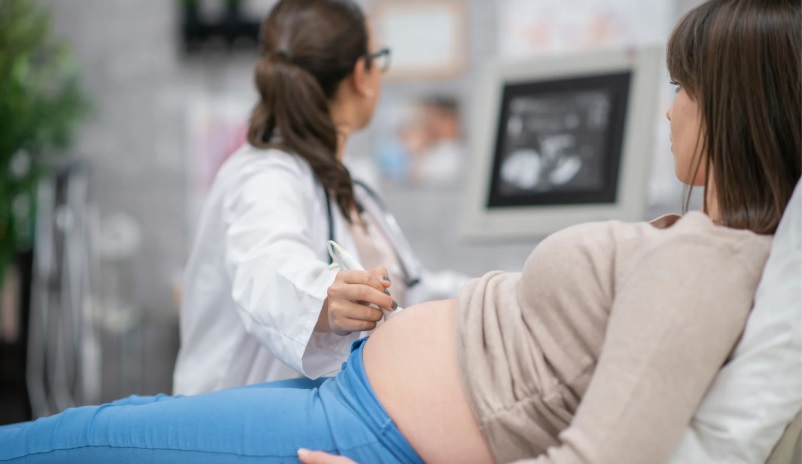
Ultrasound is the gold standard for tracking placental position. If the placenta remains low after 34–36 weeks, obstetricians usually prepare for a cesarean delivery to prevent complications during labor.
Bottom line: While movement is still possible after 32 weeks, the chances are lower compared to earlier stages of pregnancy. Continuous monitoring is essential.
Can Placenta Previa Correct Itself After 30 Weeks?
Placenta previa can correct itself after 30 weeks, but the chances of complete placenta previa resolving after 30 weeks, depend on the type of previa and the degree of cervical coverage.
- Partial Placenta Previa: More likely to resolve, as the placenta may gradually shift upward with uterine expansion.
- Marginal Placenta Previa: Often resolves naturally, allowing for the possibility of a vaginal birth.
- Complete Placenta Previa: Rarely resolves after 30 weeks because the placenta is firmly implanted over the cervix.
Medical Perspectives
- 30 to 32 weeks: There is still a reasonable chance of migration, particularly if the previa is marginal or partial.
- After 34 weeks: Spontaneous correction becomes less likely, and physicians may recommend scheduling a cesarean birth.
Why Correction Matters
If the placenta previa resolves, mothers may avoid the risks associated with surgical delivery, including infection, bleeding, and longer recovery times. Still, even if the placenta remains low, modern obstetric care ensures safe outcomes for both mother and baby through timely cesarean delivery.
Chances of Placenta Previa Moving After 32 Weeks
After 32 weeks of gestation, the chances of placenta previa moving are limited, as the placenta itself does not move significantly throughout pregnancy. By this stage, the diagnosis of placenta previa is often well-established, especially in cases where the placenta is low or completely covering the cervix.
Factors for placenta previa include the previous history of cesarean deliveries and multiple pregnancies, which increase the risk factors for placenta previa in pregnant women. As you approach the end of your pregnancy, it is crucial to monitor for symptoms such as vaginal bleeding in the second half of pregnancy, which can be a sign of complications.
A scan at 36 weeks can provide reassurance regarding the location of the placenta, helping to prevent placenta-related issues during labor. Patients with placenta previa may also be at risk for conditions like placenta accreta and vasa previa, making careful management essential throughout the third trimester of pregnancy.
What Are the Symptoms of Placenta Previa at 32 Weeks Pregnant?
By 32 weeks, placenta previa can present with distinct symptoms. While some women remain asymptomatic, many experience warning signs that require urgent medical evaluation.
Common Symptoms
Painless Vaginal Bleeding:
- The hallmark symptom, usually bright red and occurring without contractions.
- Can range from light spotting to heavy bleeding requiring hospitalization.
Preterm Contractions:
- Some women may notice uterine tightening or irregular contractions, which can complicate previa further.
Changes in Fetal Movement:
- While placenta previa doesn’t directly reduce fetal movement, complications such as bleeding or reduced placental perfusion may affect activity.
Maternal Anxiety and Discomfort:
- Emotional stress due to hospitalization and uncertainty about delivery.
When to Seek Emergency Care
- Heavy vaginal bleeding
- Signs of shock (dizziness, rapid heartbeat, fainting)
- Severe abdominal pain
Key Point: Any bleeding after 20 weeks should be evaluated immediately, but it becomes particularly critical around 32 weeks when both maternal and fetal risks increase.
How Late Can Placenta Previa Move?
Placenta previa can move as late as the third trimester, but the probability diminishes significantly after 34–36 weeks.
- Before 30 Weeks: High likelihood of resolution due to rapid uterine growth.
- 30–32 Weeks: Moderate chance of movement, especially with marginal or partial previa.
- 32–36 Weeks: Possible, but much less likely, particularly with complete previa.
- After 36 Weeks: Unlikely to move; cesarean delivery becomes the safest option.
Why Movement Matters Late in Pregnancy
Late placental movement can change the entire birth plan. A placenta that was covering the cervix at 30 weeks might shift upward enough by 36 weeks to permit a vaginal delivery. Conversely, if the placenta remains in place, a planned cesarean avoids life-threatening complications.
Clinical Recommendation
Most obstetricians recommend a final ultrasound at 36 weeks to confirm placental location and finalize the delivery plan. If previa persists, the mother is typically scheduled for a cesarean at 37–38 weeks to prevent spontaneous labor and uncontrolled bleeding.
Common Questions about Low-Lying Placenta and placenta praevia (FAQs)
Are low-lying placenta or placenta praevia common?
Placenta previa occurs in about 1 in 200 pregnancies. While many low-lying placentas resolve, women with placenta previa require close monitoring and often a cesarean delivery due to the risk of bleeding.
Can the placenta move between 32 and 36 weeks?
Yes, the placenta can still migrate upward as the uterus expands in later weeks of pregnancy, though movement is less dramatic than in earlier trimesters. An ultrasound will confirm its final position for delivery planning.
Can placenta previa correct itself after 30 weeks?
Yes, the position of the placenta can still improve as the uterus grows, though it becomes less likely after 30 weeks. A follow-up ultrasound is essential to confirm its location for safe delivery planning.
What are the symptoms of placenta previa at 32 weeks pregnant?
The primary symptom is bright red, painless bleeding during pregnancy. If you are diagnosed with placenta previa, activity may trigger bleeding. Delivery is typically planned by 37 weeks via cesarean section to prevent complications.
How late can placenta previa move?
Migration is possible into the third trimester, but becomes increasingly rare after 32 weeks. Most resolution occurs by 34-35 weeks. A final ultrasound near 36 weeks will confirm placental position for definitive delivery planning.
Who is most at risk of placenta previa?
Those at highest risk include women over 35, smokers, those with multiple pregnancies, previous C-sections, or other uterine surgery. These factors can affect uterine lining implantation, increasing placenta previa likelihood.
How can I stop bleeding from placenta previa?
You cannot stop it yourself. Immediately go to the hospital. Treatment involves strict bed rest, avoiding exertion, and monitoring. Severe cases may require hospitalization, blood transfusions, or an emergency C-section if bleeding is life-threatening.
What happens if the placenta is still low lying after the 32 week scan?
It is confirmed as placenta previa. You’ll require increased monitoring for bleeding and placenta accreta spectrum. Delivery is typically via planned C-section around 36 weeks of pregnancy to avoid labor-related complications.
What does having a low lying placenta mean?
It means your placenta is near or covering the cervix. This is a type of placenta previa, often detected in the second trimester of pregnancy. Many resolve, but some require a cesarean delivery.
What is the difference between placenta accreta and Percreta?
Placenta accreta occurs when the placenta attaches too deeply into the uterine wall, while placenta percreta penetrates through the entire uterine wall and may attach to nearby organs. Both conditions pose significant risks during pregnancy and delivery.
Conclusion
Understanding the chances of placenta previa moving after 32 weeks is essential for expectant mothers navigating this high-risk pregnancy condition. While placental migration is still possible in the early 30s weeks, the likelihood decreases with each passing week, especially in cases of complete previa.
- Between 32–36 weeks: Some placentae may still shift upward, particularly marginal or partial previas.
- After 36 weeks: Movement is rare, and cesarean delivery is the safest option.
Regular ultrasounds, careful symptom monitoring, and interprofessional collaboration between nurses, obstetricians, and maternal-fetal specialists ensure that both mother and baby remain safe.
Placenta previa is a challenging diagnosis, but with modern medical care and vigilant nursing support, mothers can face delivery with greater confidence and security.
Recommended posts
- Nursing Diagnosis for Placenta Previa: (Best Care Plan)
- What Is Low Lying Placenta? Causes, Risks & What to Expect
- When Placenta Previa Can Be Diagnosed? (and Next Steps)
- The 4 Types of Placenta Previa You Shouldn’t Ignore (Moms Alert)
- Is C Section for Placenta Previa Necessary?
- How to Move Placenta Up Naturally – Effective Methods