Have you ever heard of Cesarean Scar Ectopic Pregnancy, a rare but dangerous condition that can threaten both a woman’s health and future fertility? This type of pregnancy occurs when the embryo implants itself into the scar tissue of a previous cesarean delivery. While uncommon, its rising incidence sparks serious concern among doctors and patients alike.
Cesarean scar ectopic pregnancy affects roughly 1 in 1,800 to 2,500 live birth pregnancies, according to studies. Leading gynecologists like Dr. Charles Lockwood highlight its risks, which include severe bleeding, uterine rupture, and even hysterectomy if untreated. In this article, we’ll explore what causes it, the key warning signs, available treatment options, and how timely diagnosis can save lives.
Medical experts continue to stress early detection as the most critical factor in managing this condition. So, if you want to understand why this diagnosis demands urgent care and how specialists handle it, keep reading. Let’s uncover the essential insights into cesarean scar ectopic pregnancy and the trusted guidance from leading experts in the field.
What Is a Cesarean Scar Ectopic Pregnancy?
A Cesarean Scar Ectopic Pregnancy (CSEP) occurs when the fertilized egg implants in the uterine scar tissue from a previous cesarean section rather than in the normal location within the uterine cavity. It is considered an ectopic pregnancy because the embryo develops outside the usual space for implantation.
Typically, a Cesarean section leaves a scar on the uterus, and this scar tissue is weaker and less capable of supporting the growth of a fetus. When the fertilized egg implants in the scar tissue, the pregnancy cannot develop properly, which leads to complications.
Unlike regular ectopic pregnancies, which typically occur in the fallopian tubes, CSEP involves implantation in the cesarean scar, making it an extremely rare but potentially dangerous condition.
If untreated, it can lead to rupture, severe bleeding, and even life-threatening consequences for the mother. Understanding the risks and recognizing the symptoms early is crucial for successful treatment.
Can a Cesarean Scar Ectopic Pregnancy Survive?
The morbidity and mortality rates of ectopic pregnancy in cesarean scar is highly dependent on various factors, including the early detection of the condition, the location of the implantation, and the overall health of the mother.
Generally, Cesarean Scar Ectopic pregnancies are not viable, meaning that the embryo cannot survive in the scar tissue. However, the real concern is the health and safety of the mother, as CSEP can lead to severe complications such as hemorrhage, rupture of the scar, and infections.
If a Cesarean Scar Pregnancy “CSP” is diagnosed early, there are treatment options that can help manage the condition and preserve the mother’s health. In some cases, the pregnancy can be terminated through medical or surgical intervention.
However, due to the unique nature of the condition, survival of the fetus is almost always not possible, and the focus of medical care shifts to saving the mother’s life and preventing further complications.
Cesarean Scar Ectopic Pregnancy Survival Rate
The survival rate for Cesarean Scar Pregnancy is a crucial aspect of understanding the risks involved with this rare complication. The survival rate for the mother depends largely on how early the condition is diagnosed and the type of treatment provided.
If detected promptly, with timely intervention, the survival rate for the mother can be quite high. However, if left untreated, the survival rate decreases significantly due to the risk of uterine rupture and uncontrolled bleeding.
A study in the American Journal of Obstetrics and Gynecology indicated that the maternal survival rate following Cesarean Scar Pregnancy is over 90% if detected early and treated properly. However, fetal survival is extremely rare, with most cases resulting in pregnancy termination or miscarriage.
While cesarean scar in ectopic pregnancies can be fatal for the embryo, the primary focus remains on the health of the mother, with successful treatments preventing severe complications in most cases.
Diagnosis of Cesarean Scar Ectopic Pregnancy
Diagnosing Cesarean Scar Ectopic Pregnancy can be challenging due to its rarity and the lack of specific symptoms that distinguish it from other types of ectopic pregnancies.
Early diagnosis is critical for managing the condition and preventing life-threatening complications. Healthcare providers typically rely on a combination of clinical signs, imaging tests, and blood tests to make an accurate diagnosis.
– Ultrasound Imaging:
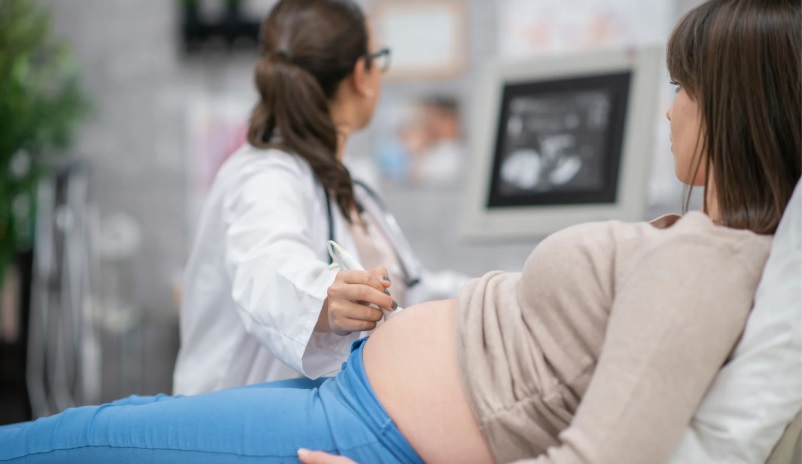
A transvaginal ultrasound is the most common tool used to diagnose ectopic pregnancy on cesarean scar. The imaging will show the implantation site within the scar tissue of the previous Cesarean section, which is one of the key indicators of this condition. However, in early pregnancy stages, it may be difficult to identify the ectopic pregnancy, especially if the implantation site is small.
– Beta-hCG Levels:
Blood tests measuring the levels of human chorionic gonadotropin (hCG) can also aid in diagnosis. Elevated levels of hCG suggest pregnancy, but in the case of an ectopic pregnancy, hCG levels may rise abnormally. Abnormal levels can prompt further investigation, leading to an ultrasound and other diagnostic methods.
– Physical Symptoms:
Common symptoms include abdominal pain, vaginal bleeding, and a history of prior Cesarean sections. However, some women may be asymptomatic, which can delay diagnosis until more severe symptoms, such as rupture, occur.
How Does a History of Cesarean Scar Ectopic Pregnancy Affect Future Pregnancies?
A history of Cesarean Scar Ectopic Pregnancy can significantly impact future pregnancies. Women who have had a Cesarean Scar Pregnancy may have an increased risk of experiencing similar complications in subsequent pregnancies. The presence of scar tissue from previous surgeries can alter the uterine environment, making it more prone to abnormal pregnancies.
Future pregnancies in women with a history of ectopic pregnancy in cesarean scar may be more closely monitored to detect early signs of abnormal implantation. In some cases, healthcare providers may recommend additional imaging tests, such as early ultrasounds, to ensure that the pregnancy is progressing normally.
Moreover, there is an increased risk of uterine rupture or placenta percreta in subsequent pregnancies, especially if multiple Cesarean sections have been performed.
It is crucial for women with a history of Cesarean Scar Ectopic Pregnancy to work closely with their healthcare team to plan future pregnancies and minimize the risks involved. Special care and early intervention can help manage these risks and improve the chances of a healthy pregnancy.
Cesarean Scar Ectopic Pregnancies: Facts and Treatment Options
Facts about Cesarean Scar Ectopic Pregnancy:
- Ectopic pregnancy on cesarean scar is an extremely rare condition, occurring in about 1 in 2,000 pregnancies.
- It is more likely to occur in women who have had one or more previous Cesarean sections.
- The implantation of the embryo in the scar tissue can cause the uterus to rupture, leading to severe hemorrhage and other life-threatening complications.
- Early detection and treatment of cesarean scar ectopic are crucial for preventing complications.
Treatment Options:
- Medical Management: In some cases, a Cesarean Scar Pregnancy can be treated using methotrexate, a medication that stops the growth of the embryo. This approach is most effective when the pregnancy is diagnosed early and the implantation site is small.
- Surgical Intervention: Surgical options include the removal of the ectopic pregnancy and, in severe cases, a hysterectomy if the uterus is damaged beyond repair. Laparoscopic surgery is often preferred due to its minimally invasive nature, allowing for quicker recovery and reduced risk of complications.
- Expectant Management: In very rare cases, when the pregnancy is not causing significant harm, healthcare providers may choose to monitor the condition and wait for natural termination. However, this approach is rarely recommended due to the risk of rupture and bleeding.
Cesarean Scar Ectopic Pregnancy: Case Report
In one case reported by the Journal of Obstetrics and Gynecology, a 32-year-old woman with a history of two previous Cesarean sections was diagnosed with a Cesarean Scar Ectopic Pregnancy at 7 weeks of gestation.
The pregnancy was detected through a combination of ultrasound imaging and elevated hCG levels. After confirming the diagnosis, the woman was treated with methotrexate, which led to the resolution of the pregnancy without further pregnancy complications.
The case highlights the importance of early detection and the role of medical management in treating ectopic pregnancy in cesarean scar.
Commonly Asked Questions about C Section Scar Ectopic Pregnancy (FAQs)
What cesarean scar ectopic pregnancy treatment modalities have been reported?
Reported cesarean scar ectopic pregnancy treatment modalities include surgical treatment of cesarean scar (excision), methotrexate injection, or uterine artery embolization. Hysterectomy may be needed for severe cases.
What is the natural history of cesarean scar ectopic pregnancy?
A heterotopic cesarean scar pregnancy implants in the scar from a previous cesarean. Without treatment, it risks rupture, severe hemorrhage, and placenta accreta as it grows, threatening maternal health.
How is cesarean scar ectopic pregnancy diagnosed?
Cesarean scar pregnancy is diagnosed via trimester ultrasound guided, showing the gestational sac embedded in the scar—not the uterine cavity. This distinguishes it from a normal intrauterine pregnancy.
which type of ectopic pregnancy implants on previous cesarean scars?
A cesarean scar ectopic pregnancy implants directly onto the scar of a previous cesarean. This rare, high-risk type requires prompt treatment to prevent uterine rupture and severe hemorrhage.
What is a cesarean scar ectopic pregnancy?
Ectopic pregnancy in cesarean scar (CSEP) occurs when a pregnancy implants within the scar tissue of a previous cesarean section. This rare condition can lead to serious complications if not diagnosed and managed appropriately.
How are cesarean scar ectopic pregnancies diagnosed?
Diagnosis typically involves an ultrasound diagnosis, which can reveal the presence of a gestational sac located within the cesarean section scar. A positive pregnancy test may also indicate an ectopic pregnancy in this location, prompting further evaluation.
What are the treatment options for cesarean scar ectopic pregnancies?
Treatment of CSEP include surgical intervention, medical treatment with methotrexate, and expectant management, depending on the size and symptoms of the ectopic pregnancy, as well as the patient’s overall health and desire for future pregnancies.
What is the management of cesarean scar ectopic pregnancies?
Diagnosis and management of pregnancies implanted in a cesarean scar involves close monitoring for any blood flow, and may require surgical treatment to remove the ectopic tissue. The Society for Maternal-Fetal Medicine recommends a tailored approach based on individual patient circumstances.
What is the impact of a cesarean scar ectopic pregnancy on future pregnancies?
Future pregnancies can be affected by a previous cesarean scar ectopic pregnancy. Women may have a higher risk of complications, including uterine rupture or scar tissue issues, making careful monitoring essential during subsequent pregnancies.
What are the risks associated with cesarean scar ectopic pregnancies?
Cesarean scar in ectopic pregnancies can lead to severe complications, including hemorrhage and the need for emergency surgery. The risk of these complications underscores the importance of early diagnosis and treatment.
Are there case reports or studies on cesarean scar ectopic pregnancies?
Yes, there are several case reports and case series documenting cesarean scar ectopic pregnancies. These studies provide valuable insights into the diagnosis, treatment modalities, and outcomes associated with this condition.
What is the prognosis for a cesarean scar ectopic pregnancy?
The prognosis for cesarean scar pregnancies varies based on the timing of diagnosis and treatment. Early intervention often leads to better pregnancy outcomes, while delayed treatment can result in more significant health risks.
How common are cesarean scar ectopic pregnancies?
Cesarean scar pregnancies are considered rare, accounting for a small percentage of ectopic pregnancies. However, as rates of cesarean deliveries increase, the incidence of this condition may rise, necessitating awareness among healthcare providers.
Can an ectopic pregnancy have cardiac activity?
Yes, an ectopic pregnancy can have cardiac activity. However, this typically indicates the embryo is developing abnormally outside the uterus, which poses significant health risks to the individual.
Conclusion
Ectopic pregnancy in cesarean scar is a rare and complex condition that poses significant risks to both the mother and fetus. While the survival rate for the mother is high if the condition is detected early, the fetus rarely survives. Prompt diagnosis, effective treatment options, and careful monitoring of future pregnancies are key to managing Cesarean Scar Ectopic Pregnancy. If you have had a Cesarean section and experience any unusual symptoms during pregnancy, it is essential to seek medical attention promptly to ensure the best possible outcome for both you and your baby.
Related posts
- Decidual Cast and Ectopic Pregnancy Risks (Diagnosis Guide)
- 7 Early Warning Signs of an Ectopic Pregnancy (You Should Know)
- Ectopic Pregnancy hCG Levels at 5 Weeks (Signs & Monitoring)
- What to Expect After Taking Methotrexate for Ectopic Treatment
- Can an Ectopic Pregnancy Test Negative? (Here’s the Truth)
- Hetero Ectopic Pregnancy: Diagnosis, Management & Case Report