
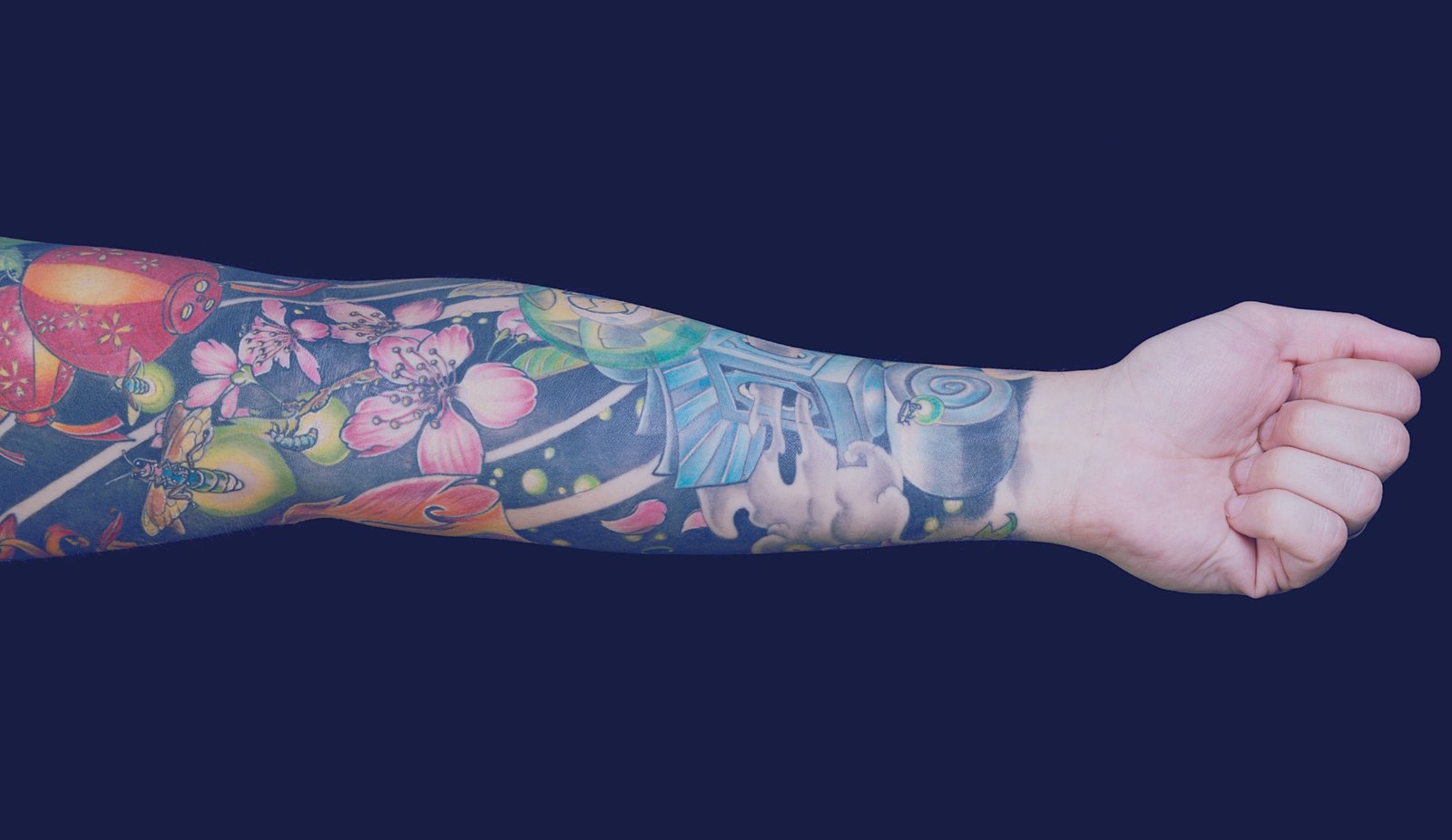
Can you get tattoos while breastfeeding, or should you wait until you stop nursing? Many new moms feel eager to express themselves again but worry about how tattoo ink or the procedure might affect their baby. Have you ever wondered if a tattoo session could interfere with breastfeeding safety?
Yes, breastfeeding moms can get tattoos when they choose reputable, hygienic studios and follow proper aftercare. Tattoo pigments does not enter breast milk, and experts confirm the main concern involves infection risk, not milk safety, as noted by lactation specialist Dr. Jack Newman. This article breaks down safety guidelines, expert insights, and practical breastfeeding and tattoo tips for nursing moms considering fresh ink.
But a few important details can make or break your decision. Do certain aftercare steps matter more for breastfeeding mothers, or should you avoid specific tattoo placements? Stay with me as we explore expert-approved advice, risks worth noting, and smart steps to help you get your tattoo with confidence.
Can You Get Tattoos While Breastfeeding without Affecting Baby?
Is it safe breastfeeding and getting a tattoo? The short answer is: yes, it’s possible—but it requires extra caution. Breastfeeding itself doesn’t physiologically interact with tattoo ink or the tattooing process. Tattoo needles work by inserting pigment into the dermis layer of the skin, not the bloodstream or mammary glands. This means that the act of tattooing does not directly interfere with breastfeeding.
However, safety comes down to the risk of infection. When you get a tattoo, you create thousands of tiny punctures in the skin. These open wounds need time and proper care to heal.
Any infection that develops could affect your overall health and may require medications—sometimes including antibiotics that are not compatible with breastfeeding. To get a tattoo safely during breastfeeding, consider the following:
Choose a Reputable, Licensed Tattoo Artist
A professional studio that follows strict sterilization protocols is essential. Needles must be single-use, surfaces properly disinfected, and ink handled hygienically.
Ensure Your Immune System Is Strong
Postpartum life can be exhausting. If you’re sleep-deprived or recovering from childbirth complications, your immune function may be weakened, making infection more likely.
Opt for a Small or Simple Design
Large, detailed tattoos take longer to complete and heal. A smaller piece limits exposure and stress on the body.
Follow Aftercare Instructions Strictly
Proper cleaning, moisturizing, and avoiding contamination are crucial to healthy healing.
When these steps are taken seriously, many breastfeeding parents get tattoos safely without issues.
Risks of Getting a Tattoo While Breastfeeding
Although tattooing is considered generally safe, it’s not without risks—some of which are more important to understand during breastfeeding.
1. Infection
This is the most significant concern. Infections can happen if:
- The equipment wasn’t sterile
- Aftercare instructions were ignored
- The skin was contaminated
Symptoms like fever, redness, swelling, or pus should be treated promptly. Severe infections may require antibiotics, and some medications may require temporarily halting breastfeeding.
2. Allergic Reaction to Ink
Though rare, allergic reactions to tattoo ink can occur at any time—even years after the tattoo is done. Red, yellow, and some black inks are more likely to trigger reactions.
For breastfeeding individuals, an allergic reaction is problematic because:
- It may require steroid treatment
- It can interfere with your energy and ability to care for a newborn
- Severe cases may mimic infection and require medical attention
3. Bloodborne Diseases
When tattoo studios don’t follow sterilization standards, diseases like hepatitis B, hepatitis C, and HIV can theoretically be transmitted. A reputable licensed artist reduces this risk to nearly zero.
4. Stress on the Body During Healing
The postpartum period already challenges your body. Adding a tattoo—essentially a controlled skin injury—may place additional stress on your immune system and energy levels.
5. Pain, Hormones, and Sensitivity
Breastfeeding hormones like prolactin and oxytocin may influence your skin sensitivity. Many parents report tattoos feeling more painful during breastfeeding due to hormonal shifts.
While none of these risks directly harm breastmilk, they impact the parent—and by extension, the baby.
Can Tattoo Ink Transfer to Breastmilk?
This is the central question for every breastfeeding parent considering a tattoo. The scientific community lacks extensive, direct research on this specific topic. However, we can apply principles of pharmacology and toxicology to form a logical conclusion.
The transfer of any substance from the bloodstream into breast milk depends on several factors, including the size of the molecule, its fat-solubility, and its protein-binding capacity.
Tattoo ink particles are generally considered too large to pass directly from the skin into the milk-producing glands of the breast or from the bloodstream into milk. The ink is primarily trapped within skin cells and immune cells called macrophages, which encapsulate the pigment to wall it off.
However, there are critical caveats to this:
- Systemic Circulation: If the tattoo artist goes too deep, ink can be deposited into the bloodstream and lymphatic system before it is trapped. These ink particles, along with any contaminants, then travel through your body.
- Impurities and Carriers: The ink is not just pigment. It contains carrier solutions that help evenly distribute the color. These carriers can include substances like glycerin, water, witch hazel, or alcohol. The body must metabolize and process these as well.
- The “Unknown” Factor: The greatest concern is the unknown composition of the ink and how its individual components behave inside a lactating body. Could a microscopic component of a heavy metal or a plastic polymer be metabolized into a form that could transfer? The absence of evidence is not evidence of absence.
Therefore, while a direct, large-scale transfer of ink into breast milk is highly unlikely, the possibility of trace elements or contaminants from the ink circulating and potentially affecting milk composition cannot be entirely ruled out with our current level of knowledge.
For this reason, health organizations like the Australian Breastfeeding Association explicitly advise against it, stating that “it is recommended to wait until after you have finished breastfeeding before you have a tattoo.”
Can You Get a Tattoo Removed While You’re Breastfeeding?
Tattoo removal presents different considerations than getting a new tattoo. Laser tattoo removal uses concentrated light pulses to break down pigment particles into smaller fragments that the body’s lymphatic system gradually clears.
Here are the main points to understand:
1. Laser Tattoo Removal Mobilizes Pigment in the Body
Unlike tattooing, laser removal breaks pigment into smaller molecules that circulate through your lymphatic system before being excreted. While there is no evidence these pigment particles enter breastmilk, the process does create more systemic pigment movement than tattooing.
2. Pain and Stress Levels Are Higher
Laser removal is often more painful than getting the original tattoo. The postpartum period—when sleep deprivation and hormonal swings are common—may make the experience more challenging.
3. There May Be a Higher Risk of Skin Complications
Laser removal can cause:
- Blistering
- Swelling
- Hyperpigmentation
- Skin sensitivity
These side effects can be harder to manage when caring for a baby.
4. Some Professionals Recommend Delaying Removal
While not medically required, many dermatologists and tattoo removal specialists suggest waiting until you’re no longer breastfeeding. This is primarily out of caution due to limited research.
5. Topical Numbing Agents May Not Be Breastfeeding-Safe
Some laser clinics use numbing creams containing lidocaine or other anesthetics. High concentrations of these substances may not be advised during breastfeeding unless cleared by a healthcare provider.
Bottom line: Tattoo removal while breastfeeding after a tattoo is likely safe but comes with more unknowns and physical stress than getting a tattoo. Many experts recommend waiting if possible.
Commonly Asked Questions about Breastfeeding and Tattoos Risk (FAQs)
Can the Ink Molecules Pass into Breastmilk?
Ink molecules from tattoos generally do not pass into breast milk in significant amounts. Research from organizations like the Human Milk Banking Association supports this, suggesting that ink poses minimal risk to breastfeeding infants, while mothers wait to get new tattoos.
Should I Wait Until Your Child Is Completely Weaned?
It’s advisable to wait until your child is completely weaned before getting a tattoo. This ensures that any potential risks associated with ink exposure are minimized. Keeping the tattoo application during breastfeeding can also avoid concerns regarding the ink’s effects on breast milk.
Can you get tattoos while breastfeeding — may be wondering about risks?
You may be wondering if tattoos and breastfeeding mix. Most evidence suggests inks used are unlikely to pass into human milk because ink molecules are too large, but risks like infection or allergic reaction could affect breastfeeding mothers, so consult tattoo artist and healthcare provider.
Is it safe to get a tattoo if you’re currently breastfeeding?
Is it safe to get a tattoo while you’re currently breastfeeding? Many nursing mothers are advised to wait until your baby is older or finish exclusively breastfeeding, especially to avoid infection; milk bank policies vary, so contact la leche league or milk bank before deciding.
Do preexisting tattoos don’t affect human milk or breastfeeding?
Do preexisting tattoos affect breastfeeding or human milk? Preexisting tattoos don’t usually impact milk production or quality; ink particles are small enough; but most experts agree ink molecules are too large to enter human milk. Report skin changes and consult la leche league international today.
Will getting inked affect milk bank donation or milk banking association rules?
Will getting tattooed prevent me donating to a milk bank or milk banking association? Many milk banks require a waiting period after getting inked; policies differ by milk banking association. Always disclose recent tattoos when applying to a milk bank to ensure eligibility and safety.
Can the tattoo procedure cause infection, blistering and scarring for breastfeeding mothers?
Can the tattoo procedure cause problems for breastfeeding mothers? Infection, allergic reactions, and blistering may be concerns; reputable tattoo artists follow sterile technique to reduce risk. If you’re currently breastfeeding, choose a clean tattoo shop, consider temporary tattoos, and discuss timing with your healthcare provider.
Are tattoos removed using lasers safe to do while breastfeeding?
Are tattoos removed using lasers safe while breastfeeding? Laser tattoo removal can release pigment particles and inflammatory byproducts; experts often recommend waiting until after you stop breastfeeding. Discuss with a professional tattoo artist and your healthcare provider because safety of tattooing during breastfeeding varies widely.
Will tattoo artists knowingly tattoo a pregnant or breastfeeding person?
Can tattoo artists knowingly tattoo a pregnant or breastfeeding person? Most professional tattoo artists will not knowingly tattoo someone who is pregnant, and many also advise breastfeeding mothers to wait. Tattoo shops follow policies; discuss pregnancy and breastfeeding status with the artist and delay tattooing.
Are henna tattoos or temporary tattoos safe to get while breastfeeding?
Are henna tattoos or temporary tattoos safe while breastfeeding? Natural henna is low risk, but some temporary inks or black henna contain harmful pigments. If you decide, choose reputable tattoo artists, check inks used, and avoid products that may cause allergic reactions near breasts today.
How long after getting a tattoo can you breastfeed?
It’s recommended to wait at least 24 to 48 hours after getting a tattoo before breastfeeding. This allows time for any potential irritation or infection to subside, ensuring safety for both you and your baby during breastfeeding and tattoo recovery.
Conclusion
The desire for self-expression through body art is a powerful and valid one. However, when you are a breastfeeding parent, your decisions carry the weight of impacting two individuals. While the allure of a new tattoo may be strong, the evidence and expert medical opinions point clearly toward patience.
The core question, “Can You Get Tattoos While Breastfeeding,” is best answered with a recommendation to wait. The potential risks—from bloodborne pathogens and infections to the unknown long-term effects of tattoo ink components circulating in your system—simply outweigh the benefits of an elective procedure. The lack of definitive safety data means that choosing to get tattooed during this special time involves assuming a level of risk for both you and your baby.
Your breastfeeding journey is a relatively short and precious chapter in the grand story of your life and your child’s. There will be ample time for tattoos once this chapter concludes. By choosing to wait, you are making a decision rooted in caution, care, and the utmost priority for your and your infant’s health and well-being. It is the safest, most responsible choice you can make.
Recommended posts
- 17 Foods to Avoid While Breastfeeding — The Surprising List
- The Ultimate Breastfeeding and Pumping Schedule That Works
- Can You Get Botox While Breastfeeding? (Safety Insights)
- 7 Surprising Breastfeeding Benefits for Mum and Child
- Nipple Pain While Breastfeeding: Causes & Solutions for New Moms


Thanks for sharing. I read many of your blog posts, cool, your blog is very good.