
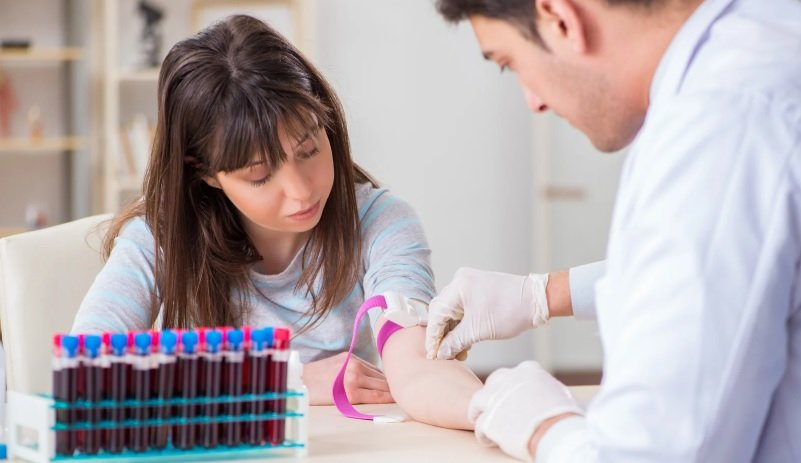
Can You Donate Plasma While Breastfeeding? Many new mothers want to help others but feel unsure whether plasma donation fits safely into their breastfeeding journey. You may wonder if it affects your milk supply or your baby’s well-being. Have you thought about how your body handles donation while producing milk every day?
Experts offer a clear explanation. Most medical authorities, including guidance often referenced by breastfeeding specialists like Dr. Thomas Hale, state that healthy, well-hydrated breastfeeding mothers can donate plasma safely. Plasma donation doesn’t significantly impact milk composition, but staying hydrated and nourished matters for maintaining supply. Many centers do allow breastfeeding donors as long as they meet standard eligibility requirements.
You deserve solid, confidence-building information before scheduling a donation. In the full article, I’ll walk you through safety tips, expert recommendations, and the best practices to protect both your milk supply and your health. So, let’s dive in and uncover what every nursing mother should know before donating plasma while nursing.
Can You Donate Plasma While Breastfeeding?
Is donating plasma safe while breastfeeding? The short answer is generally yes, but with important considerations. Plasma donation while breastfeeding can be safe, provided that the mother is in good health, adequately nourished, and hydrating enough for both personal recovery and milk production.
Health organizations typically recommend that breastfeeding mothers consult their healthcare providers before donating plasma. This is crucial because every individual’s health circumstances can differ, and understanding personal health is key to a safe donation experience.
When a breastfeeding mother donates plasma, it’s essential to keep in mind that recovery times can vary. The body needs certain nutrients not only to replenish plasma but also to maintain healthy milk production for the infant. Adequate nutrition and hydration will help ensure that both the mother can recover swiftly and the baby receives sufficient nourishment.
How Does Plasma Donation Work?
Plasma donation is similar to blood donation but focuses specifically on the liquid component of blood, which contains vital proteins and antibodies. When you donate plasma, a machine separates your plasma from red blood cells, white blood cells, and platelets. The remaining components are returned to your body, usually through the same needle.
The donation process typically involves several steps:
- Screening: Donors complete a health questionnaire to ensure they meet eligibility criteria. Factors such as medical history, medications, and lifestyle are considered.
- Preparation: A healthcare professional will check your vital signs, including blood pressure and temperature, before the donation begins.
- Donation: The actual process takes about 45 minutes to an hour. You’ll sit comfortably while blood is drawn, plasma is separated, and the remainder is returned.
- Post-Donation Care: After you donate, staff will monitor you briefly in a recovery area to ensure you feel well, and they may provide snacks and fluids to help restore your energy.
Understanding the plasma donation process helps to alleviate any concerns when considering donating while breastfeeding, as it emphasizes the structured care provided throughout the experience.
Why Can’t Pregnant Women Donate Plasma?
Pregnant women are generally advised against donating plasma due to the increased nutritional and emotional demands of pregnancy. The body undergoes significant changes during this time, requiring additional blood volume and, consequently, plasma. Donating plasma could deplete vital nutrients needed for the mother and the developing fetus, which could jeopardize both their health and well-being.
Moreover, plasma donations can lead to fatigue, dehydration, and other complications, which pregnant women are particularly vulnerable to. Therefore, medical professionals stand firm on the guideline that pregnant women should refrain from donating plasma during their pregnancy.
What Happens If You Donate Plasma While Pregnant?
Donating plasma while pregnant can have serious health repercussions for both the mother and child. The body requires a substantial amount of plasma during pregnancy to support the developing baby, maintain amniotic fluid levels, and facilitate the mother’s own bodily functions.
If a pregnant woman donates plasma, she may experience adverse effects, including:
- Dehydration: Increased risk of dehydration can negatively impact both mom and baby.
- Nutritional Deficiency: Plasma donation can lead to a drop in essential nutrients, which are vital for fetal development.
- Fatigue and Dizziness: Many women already experience tiredness during pregnancy, and donation can exacerbate this.
For these reasons, it is crucial for pregnant women to discuss any thoughts of plasma donation with their healthcare provider to ensure their health and their baby’s health remains uncompromised.
When Can You Start Donating Plasma Again?
After giving birth, women can generally resume plasma donations once they have fully recovered from childbirth, which typically is around six weeks postpartum. However, breastfeeding mothers should wait longer if they are still actively nursing and producing milk, especially if they are exclusively breastfeeding.
The reasons for delaying plasma donation post-childbirth include:
- Physical Recovery: The body needs time to heal and adjust to the changes post-delivery.
- Nutritional Needs: Breastfeeding requires a significant amount of energy and nutrients. It is advisable to ensure that a mother’s dietary needs are sufficiently met before considering plasma donation.
- Hydration Levels: Maintaining hydration is essential for good milk production. Ensuring adequate fluid intake is critical before and after donation.
Consulting with a healthcare provider will help mothers determine the right time to resume plasma donation while ensuring that both their health and the health of their baby is safeguarded.
Make Your Donation Process a Better Experience
To ensure a positive experience when donating plasma, especially for breastfeeding mothers, consider the following tips:
- Stay Hydrated: Drink plenty of water in the days leading up to your donation. Hydration enhances plasma volume and helps alleviate potential side effects.
- Eat Well: A balanced diet rich in iron, protein, and essential vitamins will prepare your body for donation.
- Rest: Ensuring that you get adequate sleep before your donation can help reduce fatigue afterward.
- Choose the Right Facility: Select a reputable donation center with experienced staff who can provide comfort and reassurance throughout the process.
- Communicate Your Needs: Don’t hesitate to inform the donation staff of your breastfeeding status and any concerns you may have.
By taking these steps, mothers can improve their donation experience and ensure they maintain their own health during this period.
Other Ways to Help Your Community While Pregnant
For those who are pregnant or breastfeeding and cannot donate blood or plasma, there are numerous other ways to contribute to your community:
- Volunteer: Participate in local charities or organizations that support mothers and children in need.
- Educate: Share your knowledge on health and nutrition with other expecting and new mothers.
- Advocacy: Get involved in advocacy work for maternal health which can provide broader support for pregnancy and breastfeeding issues.
- Fundraising: Organize or participate in fundraising events for health-related causes, especially those aimed at supporting mothers or children.
- Support Networks: Join or create support groups for new mothers to share experiences, advice, and resources.
Every effort counts and contributes positively to society, even when you may not be able to participate in plasma donation.
Commonly Asked Questions about Donating Plasma While Nursing (FAQs)
Are you interested in becoming a plasma and platelet donor?
If you’re considering becoming a plasma and platelet donor, it’s essential to understand the process and eligibility requirements. Plasma donors can help those in need, and your contribution can positively impact patients requiring treatments that involve antigen support and other medical needs.
Can you donate plasma postpartum?
Can you donate plasma if breastfeeding? Yes, you can donate plasma postpartum, but it’s important to wait until your body has fully recovered. Typically, you should wait at least six weeks after giving birth, ensuring your health and milk supply are stable. Always consult a healthcare provider if unsure.
What are the potential short-term and long-term effects of donating plasma?
Potential short-term effects of donating plasma include fatigue, dehydration, and lightheadedness. Long-term effects are rare but may include changes in immune function or nutrient levels. Always stay hydrated and eat a balanced diet, especially if you choose to donate blood plasma or platelets regularly.
Why can’t you donate plasma during pregnancy?
You can’t donate plasma during pregnancy due to the potential risks to both mother and baby. Pregnancy demands increased nutrients and hydration, and donating could compromise your health. Prioritizing prenatal care ensures both your well-being and that of your developing child.
Can you donate plasma while breastfeeding?
Is donating plasma safe while breastfeeding? Yes, you can donate plasma while breastfeeding, but consult your healthcare provider first. Ensure your milk supply is stable and you’re well-hydrated. It’s crucial to monitor your health and assess whether you should donate plasma or platelets while breastfeeding for optimal safety.
Will donating plasma affect my milk supply?
Donating plasma may affect your milk supply temporarily. It’s crucial to monitor your body’s response and ensure adequate hydration and nutrition before and after your donation appointment to maintain a healthy supply of breast milk.
What are the eligibility requirements for plasma donation?
To be eligible to donate plasma, you must be at least 18 years old, weigh a minimum of 110 pounds, and be in good health. Additionally, consult your healthcare provider if you are breastfeeding or postpartum to ensure safety.
How long should I wait to donate plasma after giving birth?
It is generally recommended to wait at least six months postpartum before donating plasma. This timeframe allows your body to recover and ensures that your milk supply is stable, enabling you to safely donate plasma or platelets.
Is it safe for me to donate plasma while breastfeeding?
While many women can safely donate plasma while breastfeeding, individual circumstances may vary. Consult your healthcare provider to make an informed decision regarding your eligibility and the potential effects on your breast milk.
Are there any risks associated with donating plasma while breastfeeding?
There may be some risks, such as a temporary decrease in milk supply or fatigue. Ensuring proper hydration and nutrition can help mitigate these effects, so consider discussing potential risks with a medical professional before proceeding.
Where can I find a plasma donation center?
You can locate a plasma donation center in your area through online searches or local health resources. Many donation centers provide information on eligibility requirements and the plasma and platelet donation process, helping you start donating plasma safely.
Conclusion
In conclusion, the question “Can you donate plasma while breastfeeding?” reinforces important considerations for nursing mothers. While it is generally safe for you to donate under certain health conditions, it is always wise to consult a healthcare provider to ensure both the mother’s and the baby’s well-being. As mothers navigate breastfeeding, understanding the donation process, recovery considerations, and alternative ways to support their community enhances awareness and encourages healthy practices. Donating plasma can be a rewarding experience, and with the right preparation, it can be a safe endeavor for breastfeeding mothers when they choose to do so.
Recommended posts
- Is Eating Sushi While Breastfeeding Safe (Mum-Friendly Tips)
- The Thompson Breastfeeding Method (Pain-Free Techniques)
- Breastfeeding Versus Formula Feeding – The Key Differences
- 10 Proven Ways to Increase Breast Milk Supply Naturally
- 3 Negative Effects of Breastfeeding on Mom Rarely Talk About

