Can toddler choke on vomit while sleeping? It’s a fear that keeps many parents up at night, especially when their child is sick. You might wonder what’s normal, what’s dangerous, and how to keep your little one safe during sleep. Placing babies on their backs to sleep reduces the risk of choking on vomit compared to stomach or side sleeping positions.
This article explains the risks, what actually happens when a toddler vomits in their sleep, and how the body naturally protects the airway. You’ll also learn key steps you can take to minimize choking risks—like proper sleep positioning and when to call a doctor. Clear advice and trusted safety tips will give you peace of mind.
Pediatricians like Dr. Tanya Altmann, author of Baby and Toddler Basics, reassure parents that while it’s rare, awareness and simple precautions can make a big difference. So, let’s break down the facts and help you sleep easier tonight.
Why Does my Newborn Gag During Sleep?
Newborns often gag during sleep due to their developing digestive systems and the presence of a gag reflex. This reflex is a natural defense mechanism that helps prevent choking on vomit or any other substance that may obstruct the airway.
When a baby is asleep, they may spit up or vomit, especially if they have gastroesophageal reflux, which is common in infants. The gag reflex kicks in to prevent the contents from entering the esophagus or blocking the airway. It’s crucial for parents to monitor their newborns, as frequent gagging can sometimes indicate an underlying issue that needs attention.
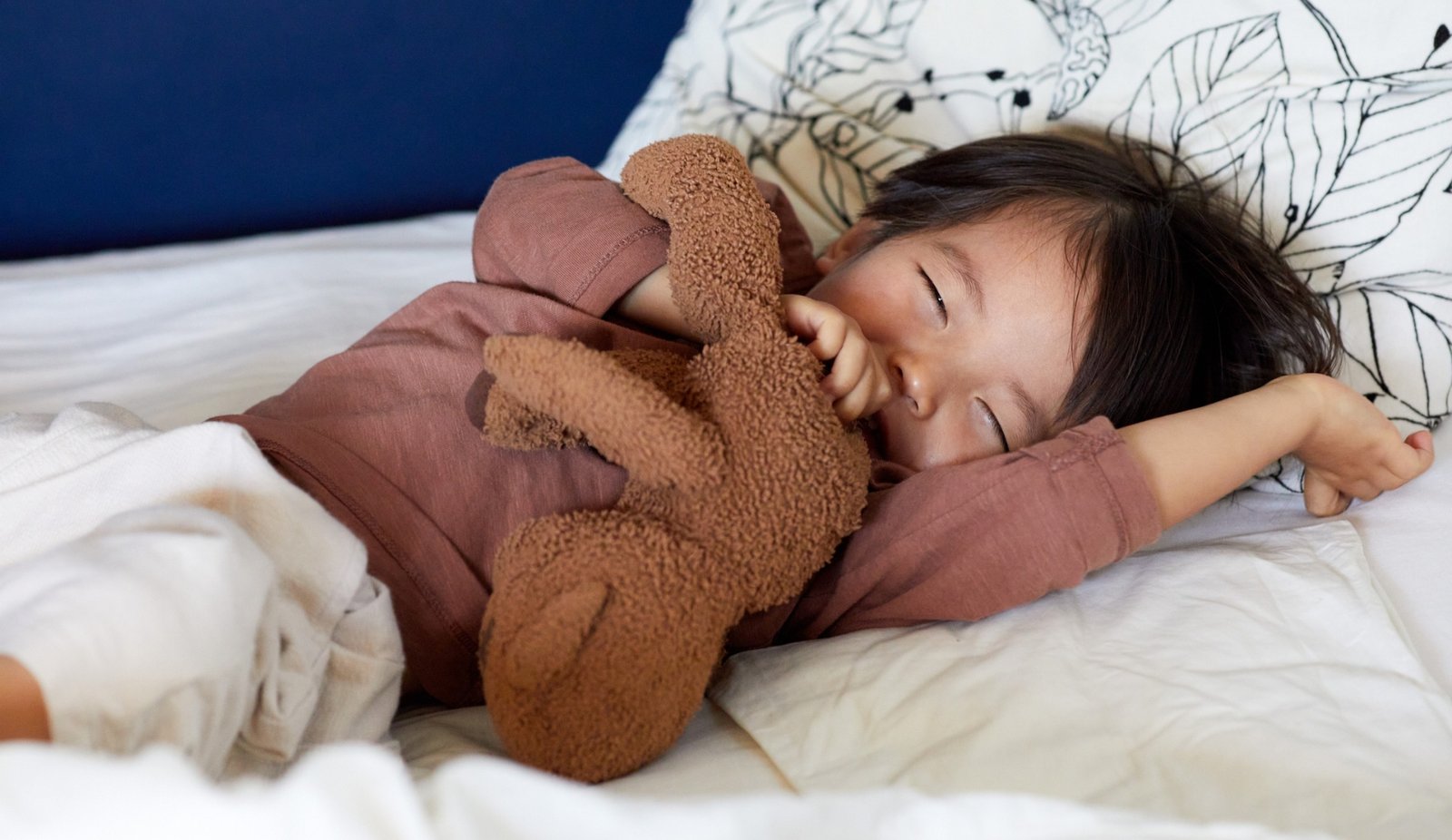
Moreover, it’s essential to recognize that a newborn’s gag reflex is more pronounced when they are lying down. If a baby is placed to sleep on their back, the likelihood of choking is reduced.
The American Academy of Pediatrics (AAP) recommends that babies sleep on their backs to minimize the risk of sudden infant death syndrome (SIDS). By ensuring that a baby is in the safest sleep position, parents can help prevent scenarios where a baby may gag or choke during sleep.
Can Toddler Choke on Vomit While Sleeping?
Will Baby vomit and choke in crib? A toddler can choke on vomit while sleeping, although the risk varies depending on their age and developmental stage. Toddlers, especially those who are still mastering their motor skills, may be more likely to choke if they vomit while sleeping.
The important thing to note is that if a child is sleeping on their back, the risk of choking is significantly reduced. When toddlers are placed to sleep on their backs, they are less likely to choke if they vomit, as the body’s natural reflexes are better able to manage such situations.
Parents should be aware that if a toddler has a history of vomiting, it might be beneficial to keep them in a position that reduces the risk of choking. Monitoring your child during sleep, especially if they are known to spit up or vomit frequently, is crucial.
Keeping a watchful eye can help prevent choking on vomit while sleeping and ensure that they remain safe during those vulnerable hours. Additionally, ensuring a safe sleep environment is key to reducing any possible choking hazards.
Do Babies Have a Gag Reflex?
Yes, babies do have a gag reflex, and it is an essential mechanism that helps protect them from choking. The gag reflex is triggered when something touches the back of the throat, causing a gagging action that prevents food or vomit from entering the airway.
This reflex is particularly strong in newborns and gradually diminishes as they grow older and develop more control over their swallowing and gag responses. It is a critical aspect of their safety, especially when they are still learning how to manage the contents of their mouths.
The gag reflex plays a vital role in preventing choking when a baby spits up or vomits. Parents should be aware that even though babies have this reflex, it is still possible for them to choke, particularly if they are not in a safe sleeping position.
The AAP emphasizes the importance of back sleeping, as it minimizes the risk of choking and helps keep the airway clear. Understanding how the gag reflex works gives parents greater peace of mind when they place their baby down for sleep.
Is it Safe for Baby to Sleep on their Stomach or Side?
The safest sleep position for babies is on their back, according to the American Academy of Pediatrics. Sleeping on their stomach or side increases the risk of choking and is associated with a higher risk of sudden infant death syndrome (SIDS).
When placed to sleep on their stomach, in fact babies may struggle to turn their heads if they vomit, increasing the likelihood of choking on vomit while sleeping. Therefore, it’s crucial for parents to follow the guidelines provided by the AAP and always place their babies on their backs to sleep.
Additionally, side sleeping, while sometimes seen as a compromise, is not recommended either, as it can lead to the same risks associated with stomach sleeping.
Parents should ensure that their babies are not only placed on their backs but also that their sleep environment is free from any hazards that could contribute to choking or obstructing their airway. By creating a safe sleep space, parents can significantly reduce the risk of choking on vomit and promote a healthier sleep for their little ones.
Commonly Asked Questions about Babies Choke on Vomit While Sleeping (FAQs)
Won’t my baby choke if they spit up when placed on their back to sleep?
No, placing your baby on their back to sleep does not increase choking risk. It actually reduces the risk of SIDS, according to pediatric health experts and research.
What if my baby vomits while sleeping on his back?
If babies who sleep on their back vomit, turn their head sideways to clear the mouth. Stay calm, monitor breathing, and seek help if choking occurs. Always place them on their back to sleep.
When is sleeping on the back not recommended for babies?
Sleeping on the back is not recommended for babies with certain medical conditions like reflux or airway abnormalities. Always consult a doctor if unsure how your baby is sleeping safely.
Can an infant choke on vomit or spit?
Can newborns choke on spit up? Healthy infants are not likely to choke on vomit while sleeping on their back—their airway anatomy and gag reflex help protect them. Always supervise and follow safe sleep guidelines.
Is it OK if my baby sleeps on their side?
Babies should always sleep on their back—never on their side—to reduce SIDS risk. Side sleeping can lead to rolling onto the stomach, increasing suffocation hazards.
Is it safe to use pillows or positioners to maintain my baby’s sleep position?
Pillows and positioners are unsafe for babies and increase suffocation risks. Always place your baby on their back in a bare crib to ensure safe sleep. Follow AAP guidelines.
Will my baby get flat spots on the back of the head from sleeping on their back?
Back sleeping can cause flat spots, but they usually improve with time. Prevent it by giving tummy time, alternating head position, and holding your baby upright when awake.
Conclusion
Can newborn choke on spit up? In conclusion, the risk of a toddler choking on vomit while sleeping can be minimized through proper sleep practices and understanding of their gag reflex. Parents are encouraged to place their babies to sleep on their backs, as this position is deemed the safest and significantly reduces the likelihood of choking incidents. Keeping a close eye on your child, especially if they have a history of vomiting, will also help ensure their safety during sleep. Awareness and adherence to guidelines provided by the AAP are essential steps in creating a secure sleep environment for your baby.
Ultimately, fostering a safe sleep culture among caregivers is vital for the well-being of healthy babies. By implementing these safety tips and remaining vigilant, parents can help prevent choking on vomit while sleeping, allowing their toddlers to enjoy peaceful and uninterrupted nights of rest. Remember, the most effective way to mitigate risks is through education and proactive measures in creating a safe sleep environment, ensuring your little ones can sleep soundly without worry.
Recommended posts
- Is It Safe for Newborn Sleeping on Pillow? (Expert Advice)
- Toddler Sweating in Sleep? What’s Normal and When to Worry!
- When to Introduce Pillow to Toddler: (Safe Sleep Guidelines)